Business 297
Rivian publishes earnings as Waymo teams up with Toyota
In this issue
Business 297
Rivian publishes earnings as Waymo teams up with Toyota
Culture 323
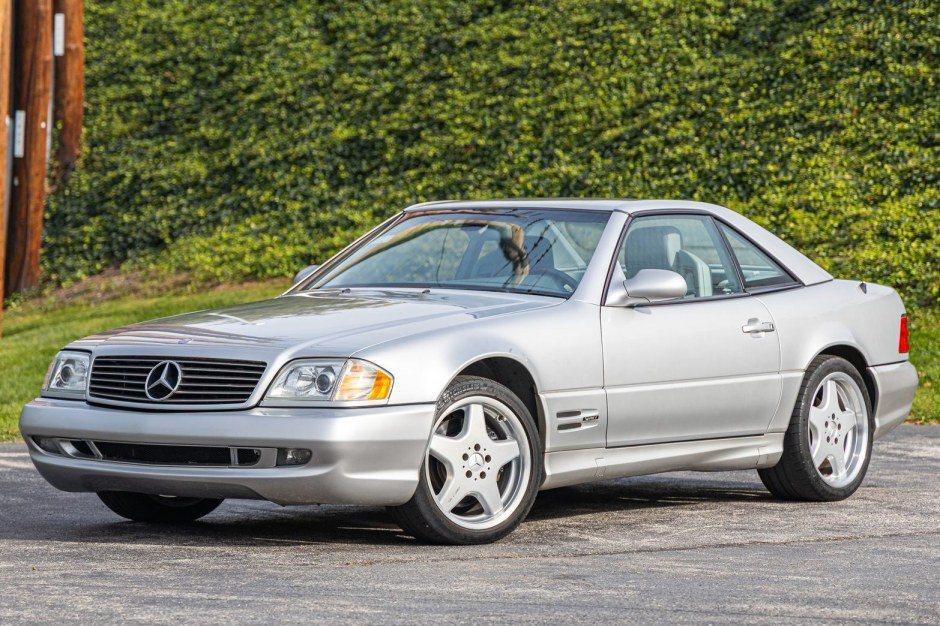
Dealer Auctions 2000 Mercedes-Benz SL500 Roadster With No Reserve
Economy 48
Three Tankers Reportedly Strike Mines in Strait of Hormuz
News 161
Private parking firms face pressure as UK motorists call for fairer rules
Politics 121
Burnham denies stopping ministers from discussing closer EU ties
Sports 292
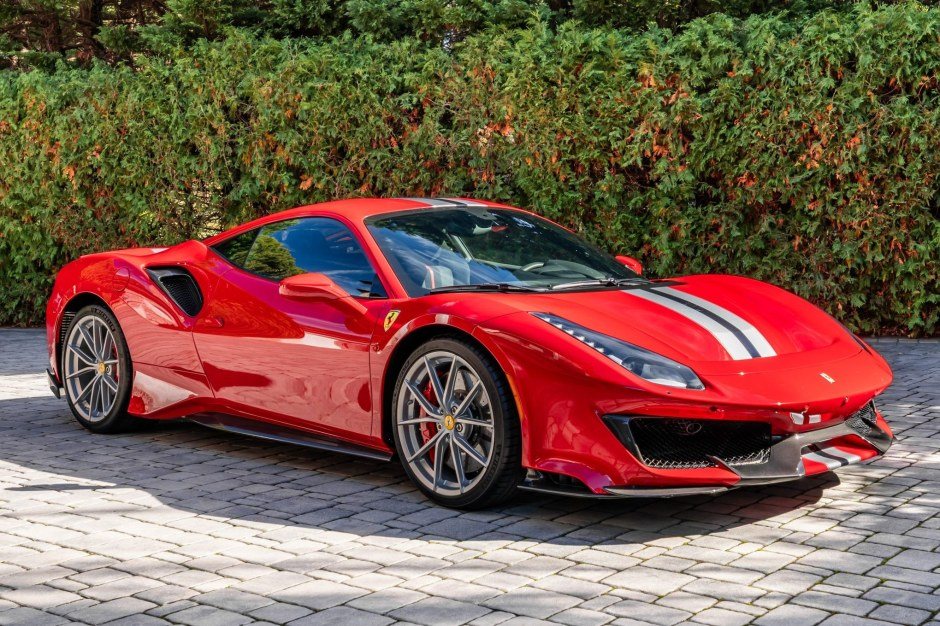
2020 Ferrari 488 Pista with 137 Miles Listed for Sale
Technology 347
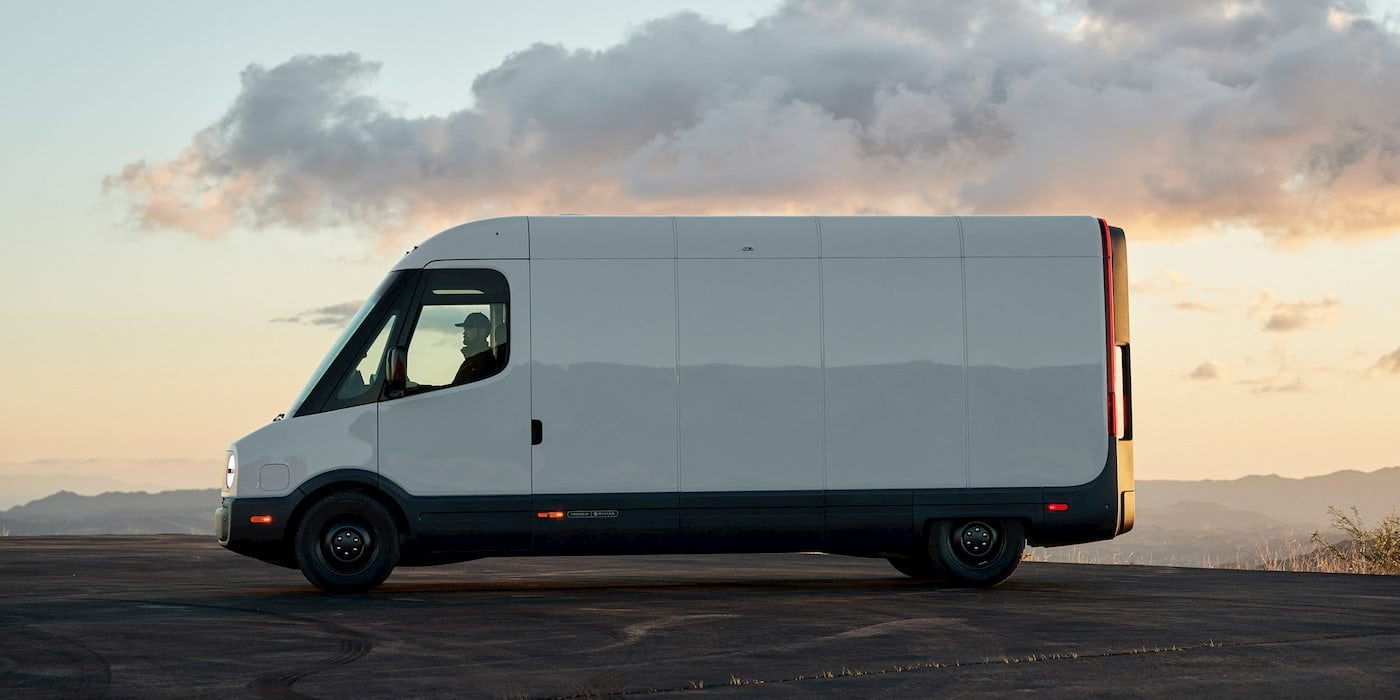
Rivian Delivers Electric Van Update With 30% More Range and AWD

Autocar's road test team says the Skoda Kodiaq behaves more like an estate than a traditional SUV, with a cavernous load area and flexible seating.
By George Kensington · 3 min read
Skoda's Kodiaq seven-seater is proving to be a good deal more versatile than its SUV label suggests, according to Autocar's team of testers. Deputy road test editor Richard Lane, who has been running a long-term Audi SQ5, found that the Kodiaq could swallow a fridge, a stark contrast to his own car. Lane's verdict on the Skoda was blunt: it is an «absolute Tardis».
The publication's writer put the car to the test with a range of practical tasks. Over a few days, the Kodiaq carried a load for a couple of nights away in a shepherd's hut, transported old flooring and rubbish to a recycling centre, and collected shed-building materials from a DIY store. Among those materials were 2.4-metre-long boards that would not fit flat between the front seats, but could be loaded through the gap and onto the centre armrest. The gear selector sits on the steering column, which leaves room for items of around 2.6 or 2.7 metres in length.
Not every job went without a cost. Sawdust from freshly cut cladding left the cabin in need of a thorough clean, and the writer used a rag to protect the armrest from scratches. Lane noted that such tasks would be off limits in a £130,000 Range Rover, where the boot lip and soft leather would be at risk. The Kodiaq, by contrast, is priced at around £55,000 and still feels well finished. Its thickly carpeted seatbacks and seats that fold flat with a single pull of a fabric loop give it the feel of a willing holdall rather than an overtly luxurious car.
The most sporty version, the vRS, takes a different character. Lane described its red stitching and bulky cockpit contours as a blend of a pick-up truck and a mid-1990s Japanese coupe, which he called «weird but appealing». The writer was less convinced by the comparison but did not fully reject it, suggesting that a mash-up of a Honda Integra Type R and a new Ford Ranger might produce something similar.
Lane also observed that the Kodiaq is «billed as an SUV» but looks closer to an estate, being much longer than it is tall. Skoda still sells the Octavia and Superb estates, but the Kodiaq is, in the writer's view, a more accessible estate than the Octavia rather than a conventional SUV. The piece also touched on the wider industry trend, noting that SUV popularity continues to grow while many vehicles marketed under that name are not strictly SUVs. The term, the writer argued, is often used loosely for anything taller than a traditional family car, which is less helpful when larger models attract criticism for their size.
10