Business 319
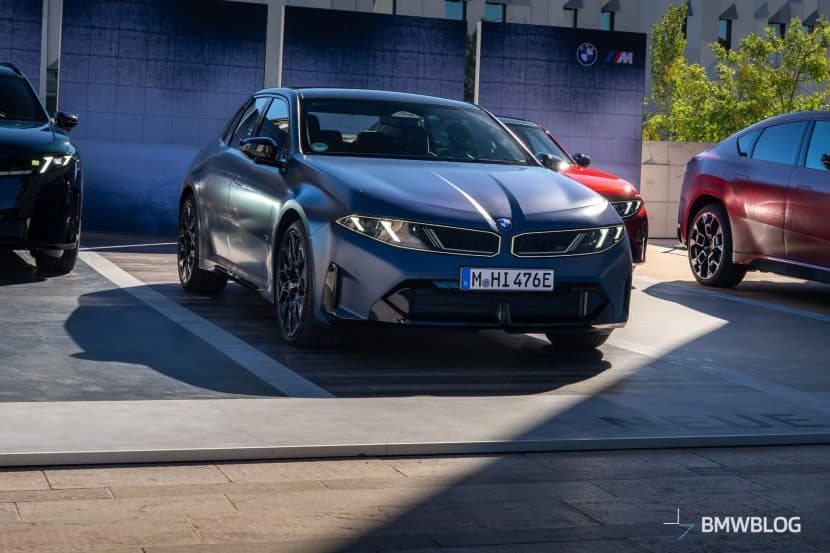
BMW Keeps Diesel X7 40d for Europe, Not America
In this issue
Business 319
BMW Keeps Diesel X7 40d for Europe, Not America
Culture 345
Original-owner 1976 Morgan Plus 8 offered with rebuilt V8 and period paperwork
Economy 48
Three Tankers Reportedly Strike Mines in Strait of Hormuz
News 162
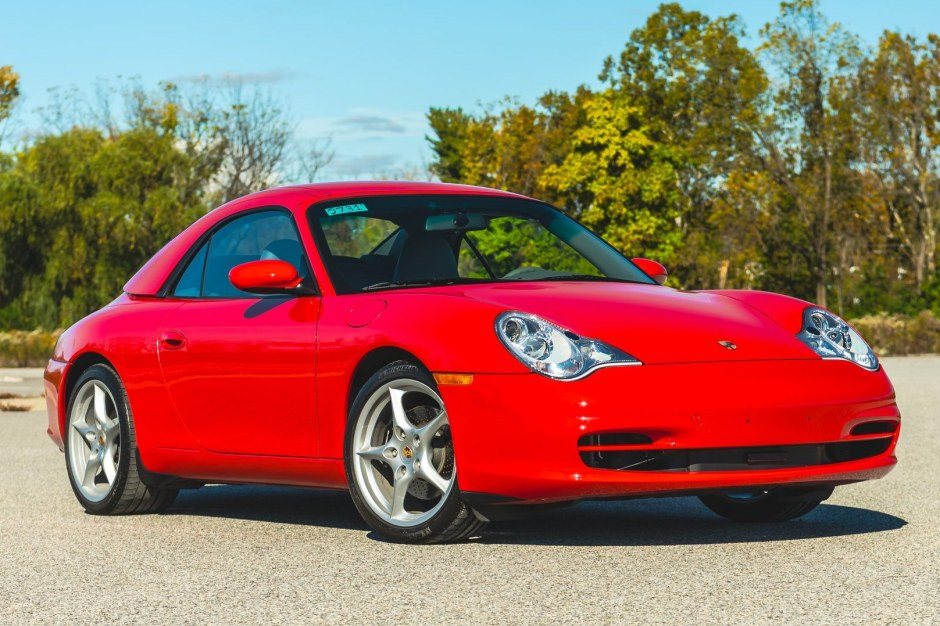
Dealer Lists 2003 Porsche 911 Carrera Cabriolet With 10,000 Miles
Politics 121
Burnham denies stopping ministers from discussing closer EU ties
Sports 296
Modified 1978 Ford Bronco with 460 V8 heads to auction without reserve
Technology 354
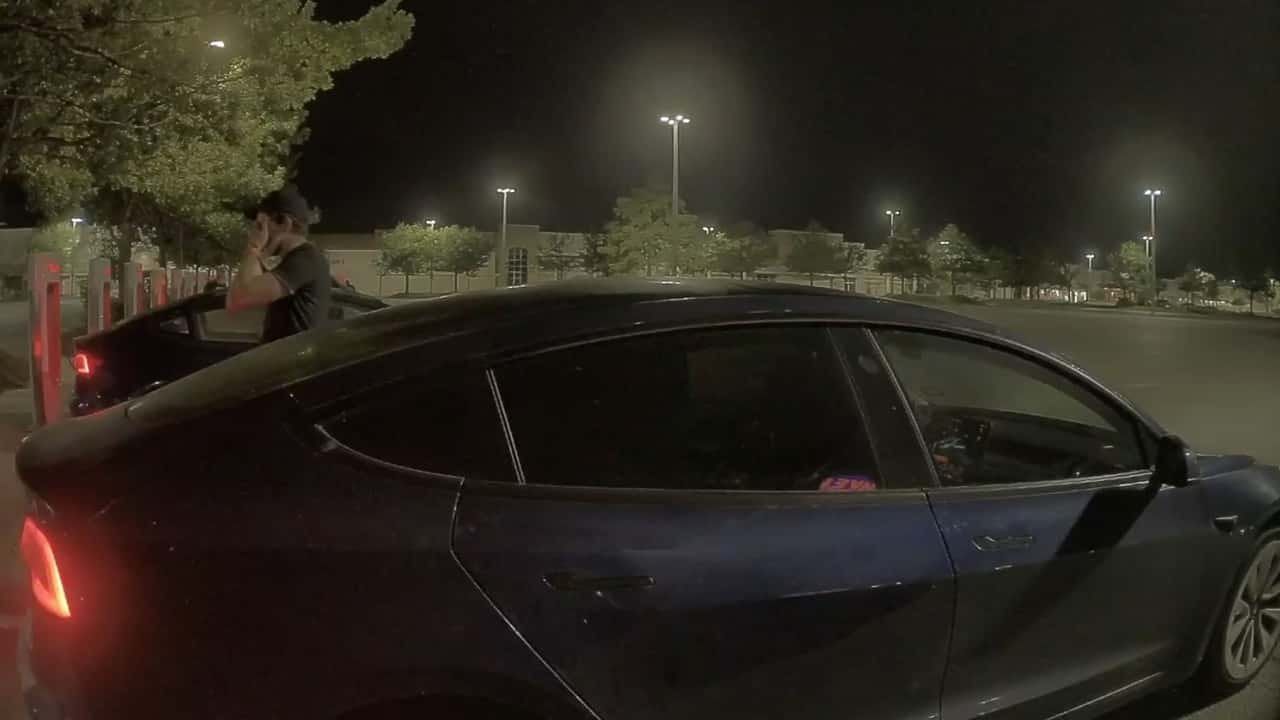
Tesla Owner Billed $539 After Testing Emergency Drive Function
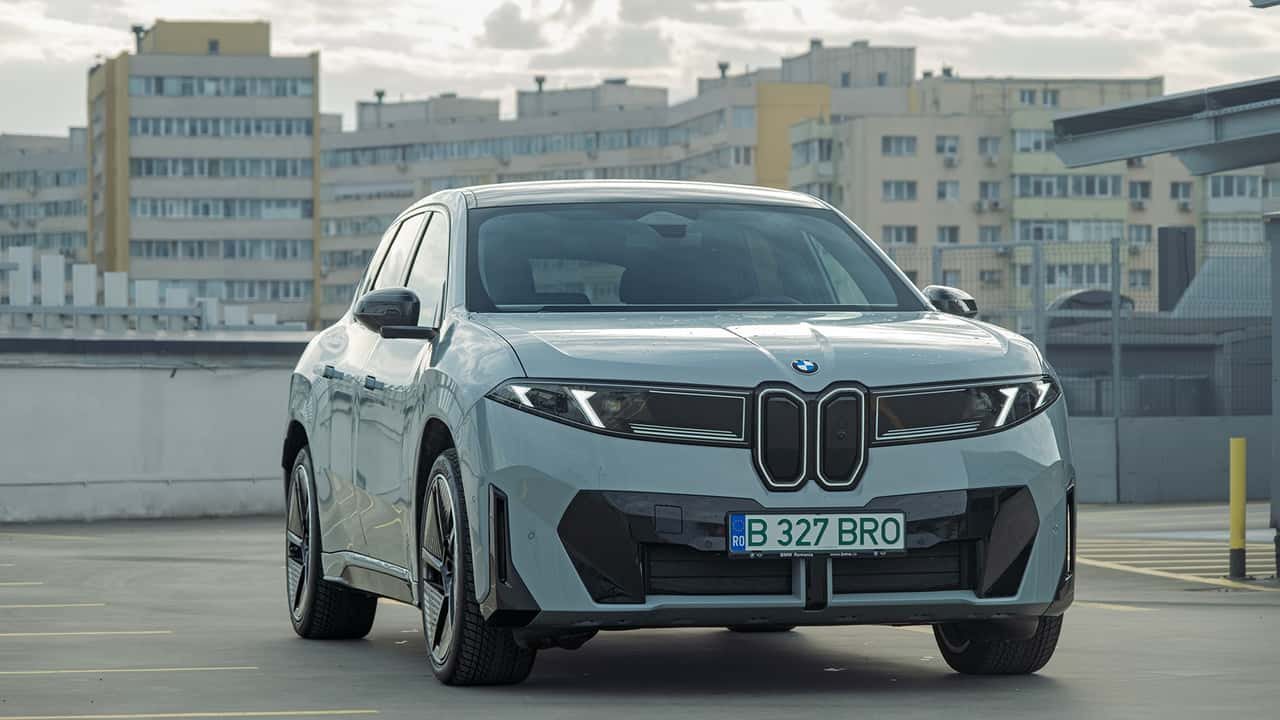
The all-electric BMW iX3 is pitted against the petrol-powered X3 to see which model can travel further on a single fill-up.
By George Kensington · 3 min read
The all-electric BMW iX3 has been put head to head with the petrol-powered X3 to establish which of the two can cover more ground on a single fill-up. The comparison sets a battery-powered crossover against a conventional combustion model from the same manufacturer, offering buyers a direct look at the practical trade-offs between the two powertrains.
The test centres on a simple question that many drivers weigh before switching to electric motoring: how far can each vehicle go before it needs refuelling or recharging? For the petrol X3, the answer is measured in tanks of fuel, with a single fill-up typically allowing a long run between stops. The iX3 instead relies on its battery pack, so its range is determined by charge level rather than by a pump visit, which changes the way its usefulness is judged on long journeys.
The article frames the contest around the practical experience of the driver rather than headline figures alone. Because the electric car does not require stopping for fuel in the traditional sense, the comparison considers how range translates into real-world travel. The petrol model benefits from quick refuelling at almost any filling station, while the iX3 depends on access to charging infrastructure and planning around charging time, a difference that becomes more pronounced on routes where public chargers are sparse.
For readers in the market for a premium family crossover, the result underlines a wider point about the current state of electric vehicles. BMW offers both versions of the X3 family, so buyers can compare the two within a single brand line-up, with broadly similar size, cabin and positioning. That shared platform makes the range contest a useful gauge of how far electrification has progressed within the company's mainstream models, rather than a comparison between unrelated cars.
Range is only one part of the decision. Electric owners typically weigh charging at home or at the workplace against the convenience of a petrol station, and the cost of each energy source over time. Petrol drivers, by contrast, face fuel price fluctuations and the ongoing expense of servicing a combustion engine. Those considerations, though they fall outside the single fill-up test, shape how the range result is likely to be read by prospective buyers.
The verdict is that the choice depends largely on how a car is used. Motorists who regularly cover long distances without access to home or workplace charging may find the petrol X3 the more straightforward option, whereas drivers who can charge overnight and make mostly shorter trips may find the iX3 meets their needs with fewer routine stops. The comparison, in other words, is less about which car is superior in absolute terms and more about how a driver's daily routine fits each powertrain.
Source: insideevs.com
7