Business 318
BMW’s electric car sales help keep its V8 engines alive in Australia
In this issue
Business 318
BMW’s electric car sales help keep its V8 engines alive in Australia
Culture 343
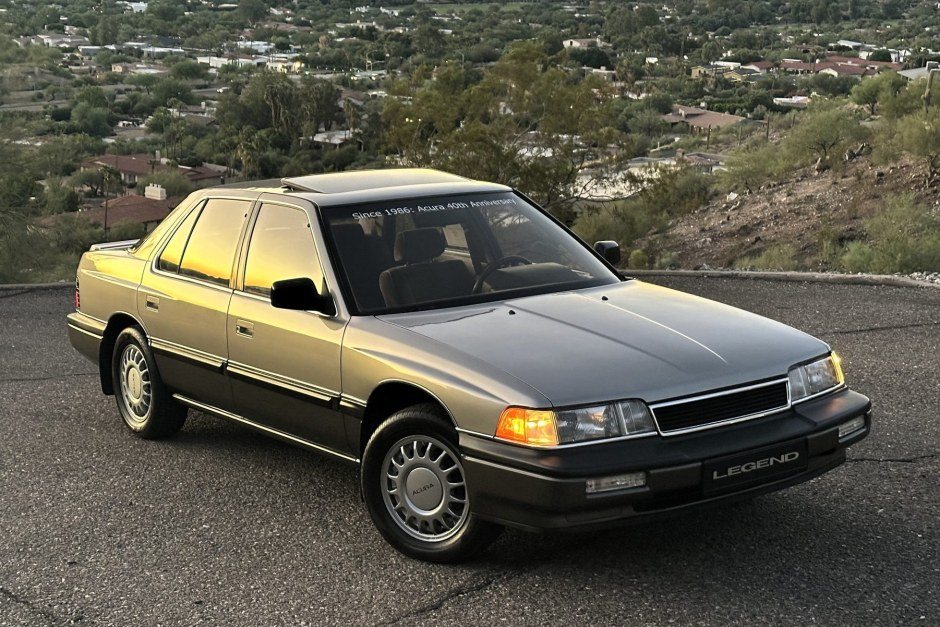
Acura Legend Sedan Goes to No-Reserve Auction for Crohn's Charity
Economy 48
Three Tankers Reportedly Strike Mines in Strait of Hormuz
News 161
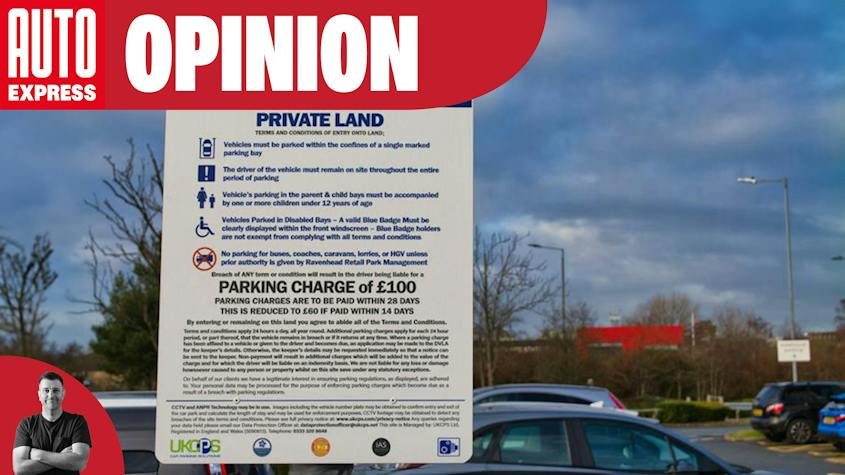
Private parking firms face pressure as UK motorists call for fairer rules
Politics 121
Burnham denies stopping ministers from discussing closer EU ties
Sports 296
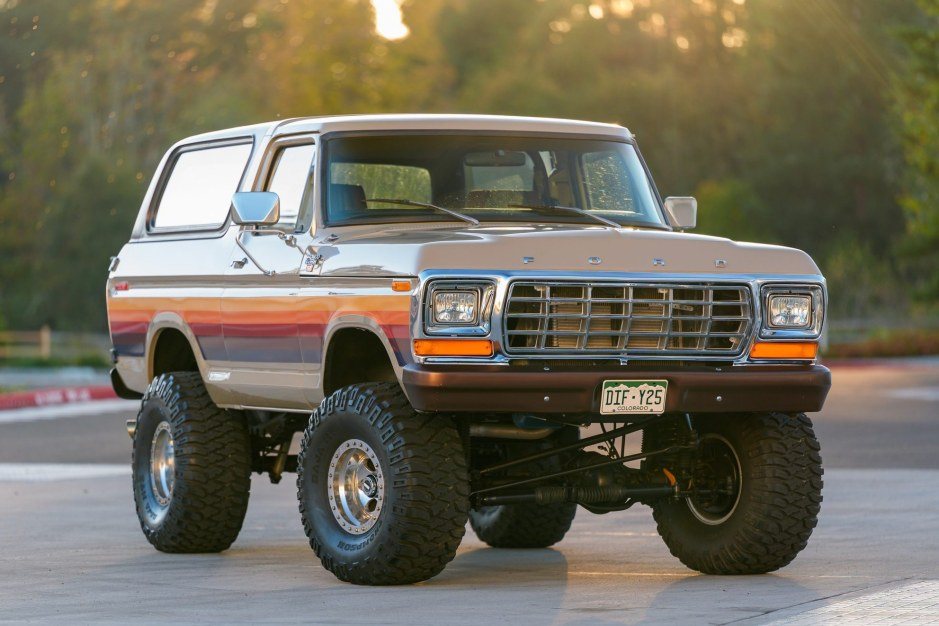
Modified 1978 Ford Bronco with 460 V8 heads to auction without reserve
Technology 353
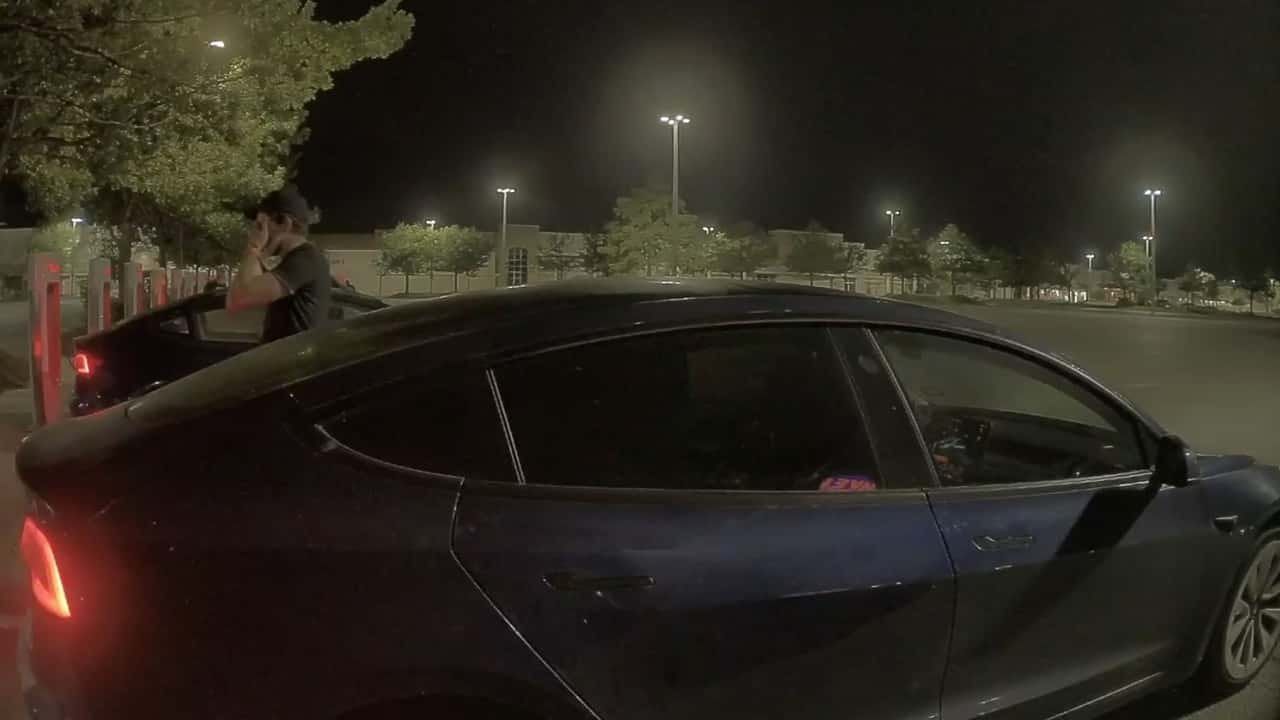
Tesla Owner Billed $539 After Testing Emergency Drive Function
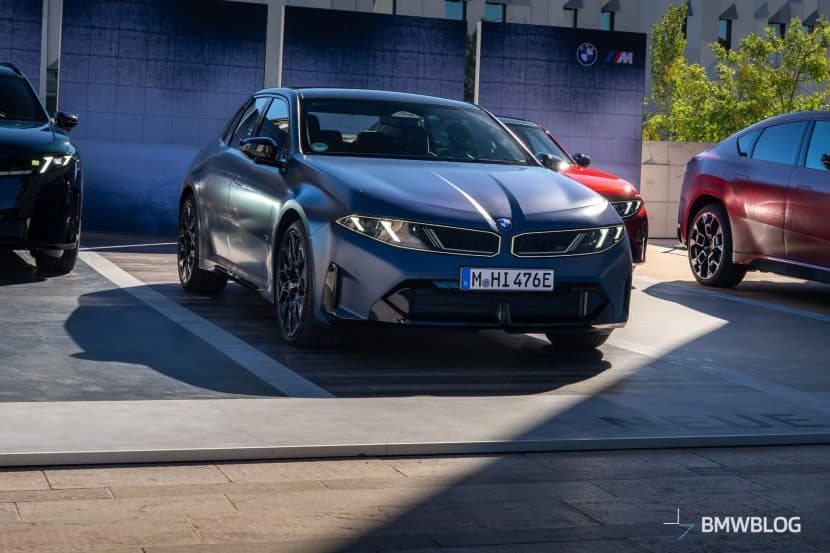
New photos of the matte Frozen Ocean Wave Blue BMW i3 M60 xDrive show its yellow M lights switched off, a result of European lighting rules that activate them only in low light, while US-spec cars keep them on in daylight.
By George Kensington · 4 min read
BMW’s upcoming electric sedan, the i3 M60 xDrive, appears in new photos with its signature yellow M lights switched off. The images show the car in matte Frozen Ocean Wave Blue, and they reveal a difference between markets: on the European-spec car, the yellow elements stay dark in daylight, while American buyers get a car whose yellow lights are always visible.
On European cars, the yellow lights and the daytime running lights serve separate functions. In bright conditions the front uses white daytime running lights. When the light sensor reads roughly 2,000 lux or less, the car switches to its low beams and the yellow elements come on alongside them. On US-spec cars the logic is reversed, with yellow handling daytime running light duty, so the yellow lights show in broad daylight without waiting for the sensor to indicate darkness.
The yellow lighting first appeared on high-performance CS and CSL models such as the M5 CS and M4 CSL, and it is now spreading across BMW’s range. The gasoline M350 xDrive and the iX3 M60 already carry it, and the X5 M60e receives its own X-shaped version. The i3 M60 thus continues a styling direction that BMW has been extending through its M Performance lineup.
The paint is a matte take on the colour BMW used to launch the Neue Klasse iX3. Ocean Wave Blue Metallic was the launch shade for the iX3, and the Frozen version is its matte counterpart. The i3 M60 is the first car seen wearing it. BMW has not disclosed the cost of the finish on the sedan. For reference, Frozen Space Silver Metallic is a $3,600 option on the iX3. Matte finishes require more care than gloss paint, because scratches cannot be polished out.
Beyond the paint, BMW gives the M60 its own front light graphic, M-specific taillights, 21-inch Style 1067M aero wheels and red brake calipers. Inside, the car has M Sport seats with 10-way electric adjustment and a massage function. The M Performance Parts catalogue adds a carbon rear spoiler, a matching front lip, carbon winglets and a rear diffuser.
BMW has not yet published the sedan’s output. The iX3 M60 xDrive, revealed in October, offers a strong indication of what to expect. That SUV produces 450 kW (603 hp) and 875 Nm (645 lb-ft) of torque from two Gen6 motors, one per axle. BMW quotes a 0-100 km/h (0-62 mph) time of 3.9 seconds and a top speed of 240 km/h (149 mph). It uses a 108.7-kWh battery and is rated at up to 754 km (468 miles) on the WLTP cycle. The publication expects the i3 M60 to use similar hardware, which would make it about 140 hp stronger than the i3 50 xDrive, rated at 463 hp and 645 Nm (475 lb-ft) with a 4.7-second run to 100 km/h. Its WLTP range is estimated at up to roughly 830 km (516 miles), against 912 km (567 miles) for the i3 50 xDrive. These figures are estimates rather than confirmed specifications.
BMW of North America says production of the i3 M60 begins in early 2027, and pricing has not been announced. The i3 50 xDrive starts at $61,500 before destination, or $62,850 with the $1,350 fee. The M60 is expected to sit well above that, between the dual-motor 50 xDrive and the upcoming electric M3. The iX3 M60 indicates the likely timing: orders for the SUV open at the end of January, with production starting in Debrecen, Hungary, in the spring. For the sedan, BMW has not set a firm date beyond early next year.
Source: bmwblog.com
8