Business 301
Long-haul fleets turn to a 30-pound trailer aid to cut diesel costs
In this issue
Business 301
Long-haul fleets turn to a 30-pound trailer aid to cut diesel costs
Culture 331
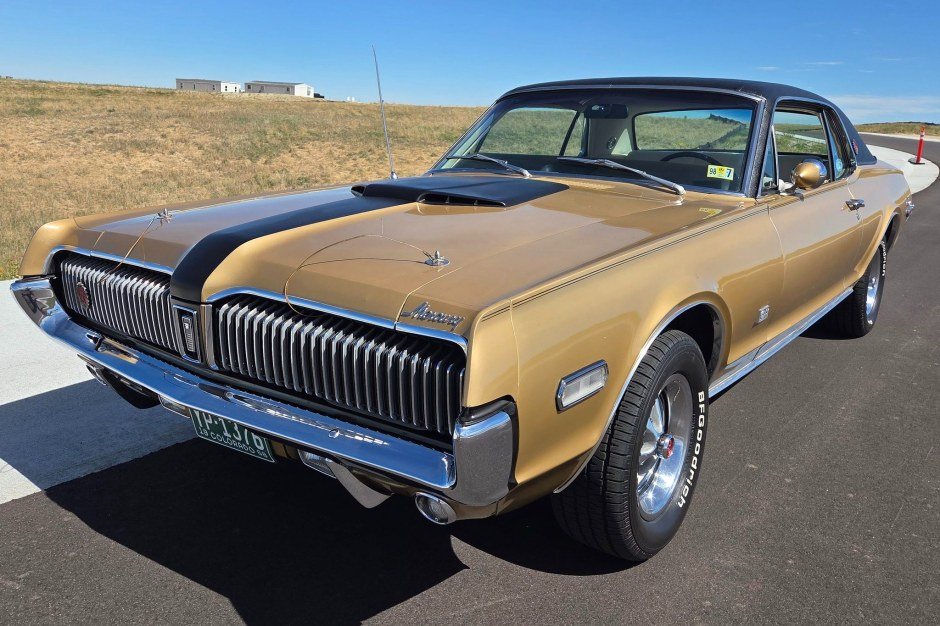
Original 1968 Mercury Cougar XR7-G with 390 Marauder V8 heads to auction
Economy 48
Three Tankers Reportedly Strike Mines in Strait of Hormuz
News 161
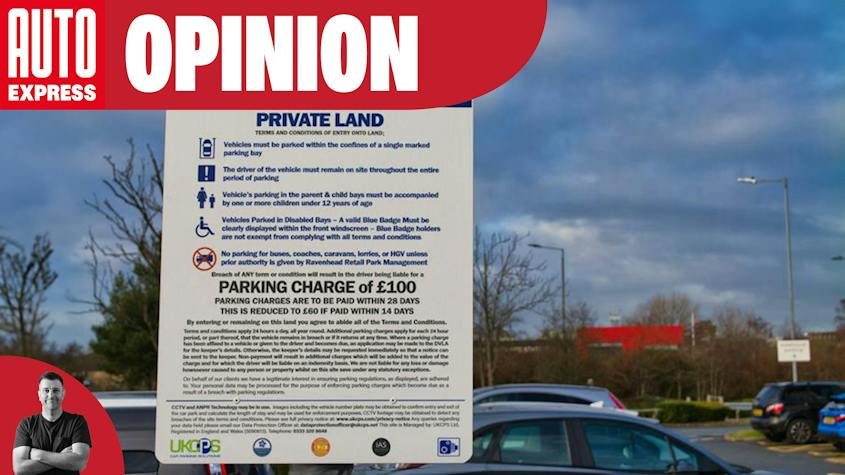
Private parking firms face pressure as UK motorists call for fairer rules
Politics 121
Burnham denies stopping ministers from discussing closer EU ties
Sports 294
Lincoln City and Birmingham City meet in league fixture on Saturday
Technology 349
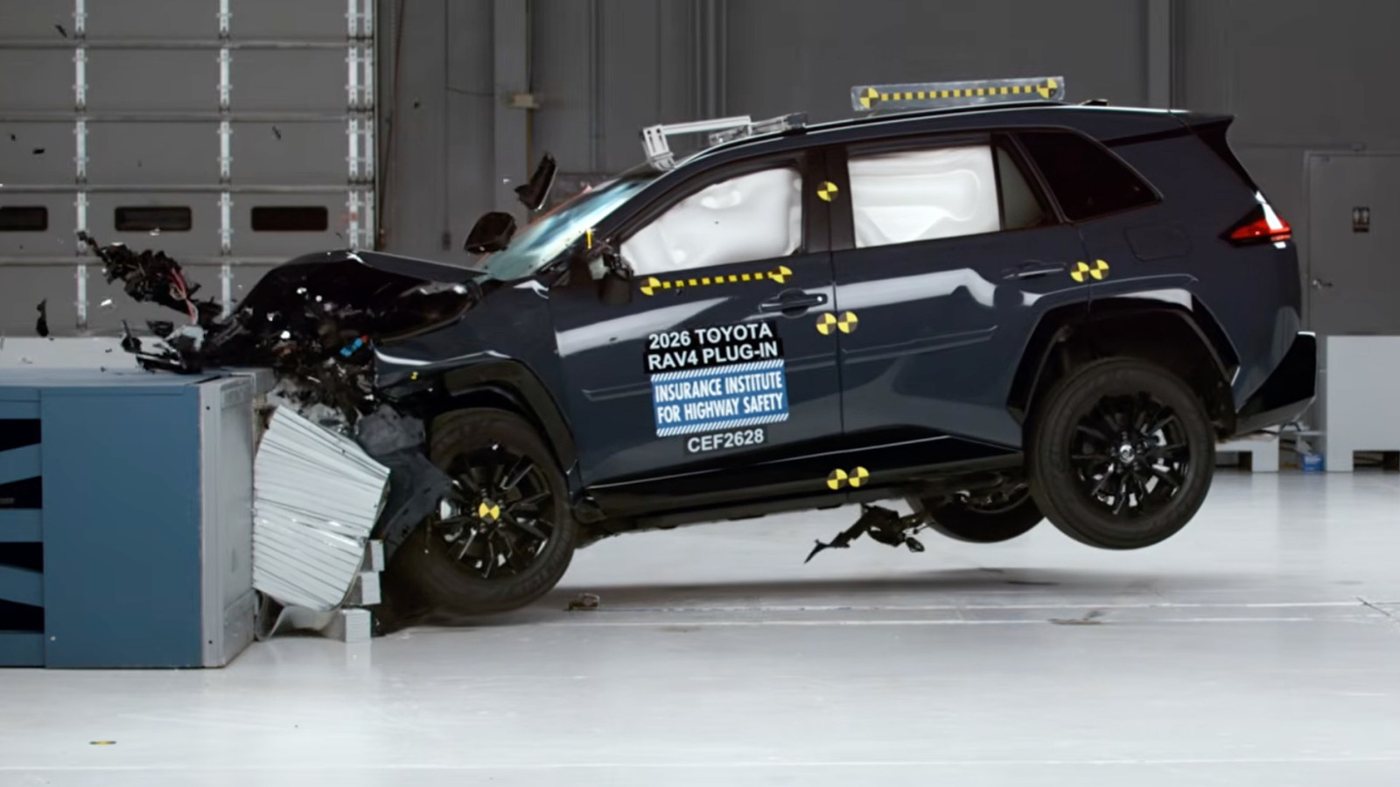
Audi Q3 and Toyota RAV4 PHEV underperform in updated IIHS moderate overlap crash …
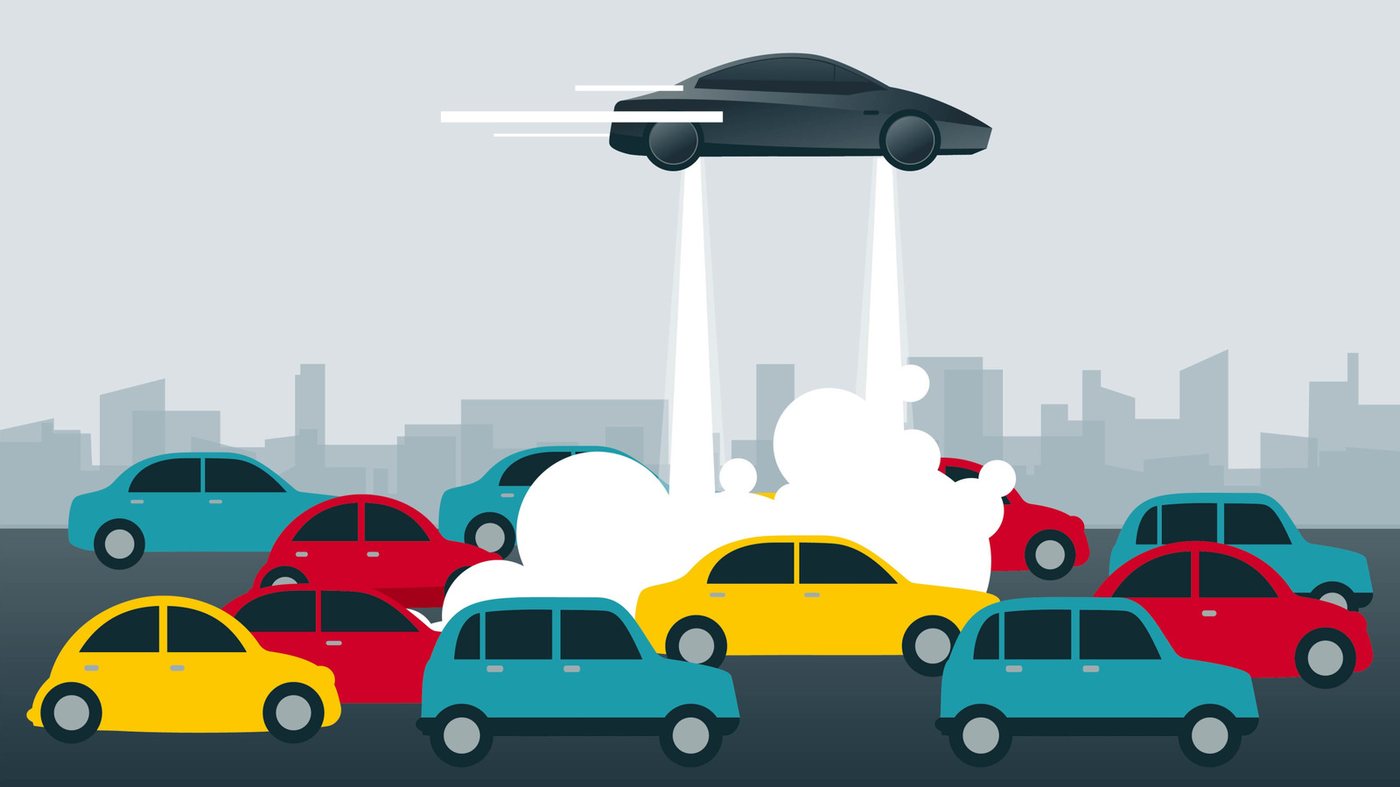
Experts and industry trends suggest the American transport system will shift in the coming decades, even if flying cars remain out of reach.
By Edward Beaumont · 3 min read
Flying cars are unlikely to become a common sight on American roads or in its skies in the next few decades. Yet the automotive industry is expected to change in that time, and the question of how Americans will move around in 2050 is already shaping debate among engineers, carmakers and policymakers.
The prediction is a modest one. The source material, a reader question put to the Jalopnik team, asks what transportation will look like in the United States by mid-century and suggests that the most realistic changes will be gradual rather than dramatic. The reader's own framing is cautious: the question is not whether the car will disappear, but whether it will alter at least a little over the period in question. That expectation reflects a broader pattern in the industry, where major shifts tend to arrive in stages rather than in a single leap.
The source package does not provide figures, named experts or specific forecasts for the decades ahead, so the outlook remains a general one rather than a set of measurable targets. What it does establish is the starting point of the discussion: a reader asking a practical question about everyday travel, not a speculative one about aircraft that carry passengers above traffic. Any answer to that question would therefore have to be built on the existing car, its gradual technical development and the infrastructure around it.
For readers of Nobel, the significance lies less in futuristic gadgetry than in how daily mobility, the economics of the car and the institutions that regulate them could evolve. Changes in vehicle design, energy sources and the way people choose to travel are likely to affect costs, working patterns and the places where people live. A gradual shift of this kind would tend to touch households and businesses unevenly, depending on where they live and how much they rely on private vehicles.
The reader question also points to the limits of what can be said with confidence. Flying cars have long been a staple of predictions about the future, and the source treats their absence by 2050 as a reasonable expectation rather than a bold claim. The more interesting question, implied but not answered in the material, is which of today's habits and industrial arrangements will prove most durable, and which will give way first.
10