Business 299
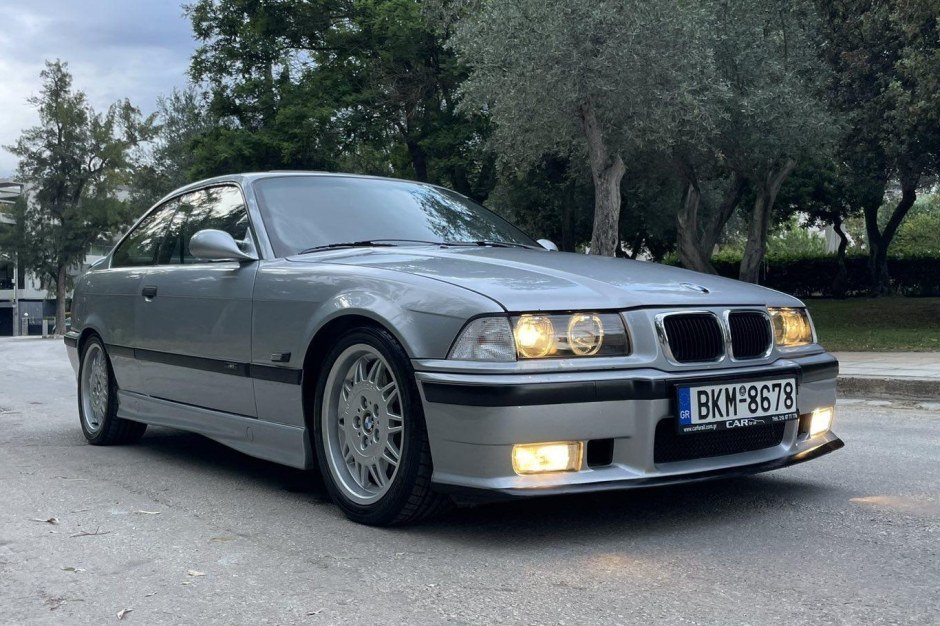
Turbocharged 1994 BMW 318is Coupe Goes Back to Auction at No Reserve
In this issue
Business 299
Turbocharged 1994 BMW 318is Coupe Goes Back to Auction at No Reserve
Culture 330
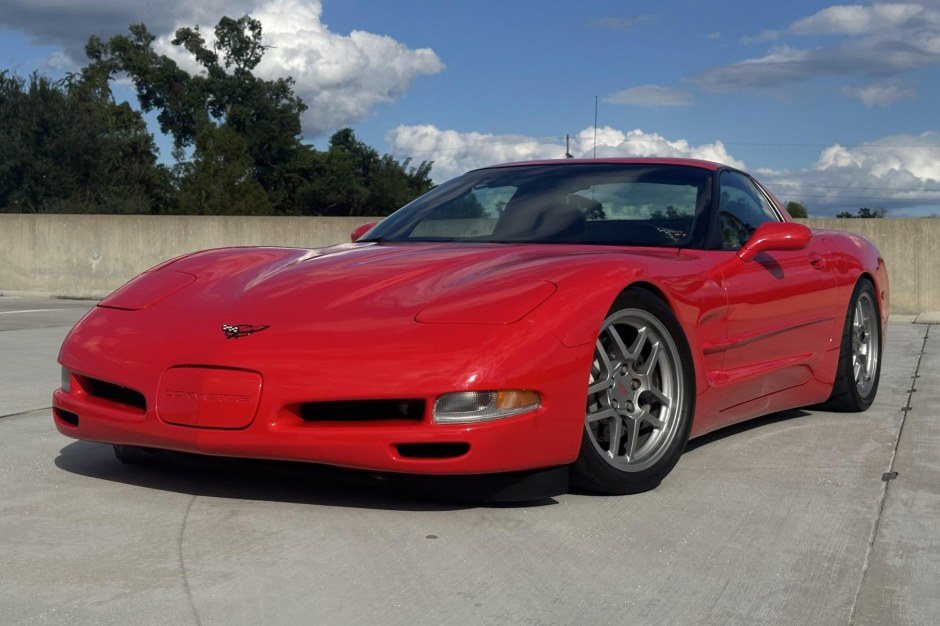
A 2000 Corvette Hardtop Coupe with 37,000 Miles Heads to Auction
Economy 48
Three Tankers Reportedly Strike Mines in Strait of Hormuz
News 161
Private parking firms face pressure as UK motorists call for fairer rules
Politics 121
Burnham denies stopping ministers from discussing closer EU ties
Sports 293
Vettel says BMW never gave him the F1 seat his contract promised
Technology 348
Skoda Kodiaq proves more practical than a conventional SUV, Autocar editors find
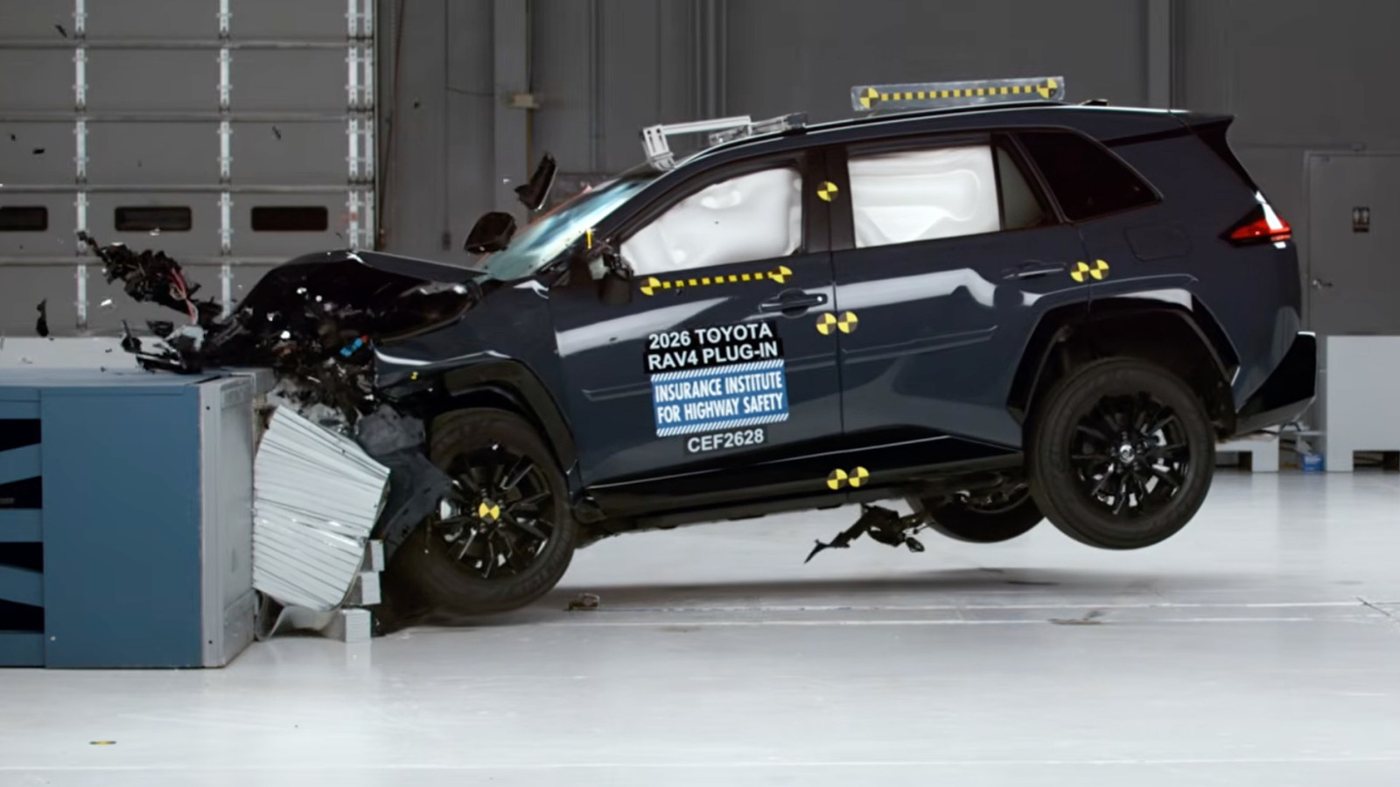
The Insurance Institute for Highway Safety has found that the 2026 Audi Q3 and the Toyota RAV4 plug-in hybrid fell short in its updated moderate overlap frontal crash test, despite strong crash protection in most other scenarios.
By George Kensington · 2 min read
The 2026 Audi Q3 and the plug-in hybrid version of the Toyota RAV4 have both underperformed in the Insurance Institute for Highway Safety's updated moderate overlap crash test, a result that highlights the gaps that remain even in modern, well-regarded vehicles.
Modern cars offer impressive protection across most crash scenarios, and the IIHS has built its testing programme around the idea that there is always room for improvement. The moderate overlap frontal test, which simulates a partial front-end collision with another vehicle, is one of the scenarios in which the institute has repeatedly pushed manufacturers to raise their standards.
The updated assessment means that both models were judged against a more demanding benchmark than before. Their shortfalls in this test do not mean they perform poorly across the board, but they do show that protection in partial-overlap impacts is not yet uniform across the current market.
For buyers, the findings are a reminder that crash ratings can differ significantly depending on the type of impact being simulated. A vehicle that scores well in one configuration may still show weaknesses in another, which is why the IIHS publishes results for several separate tests rather than a single headline score.
4