Business 317
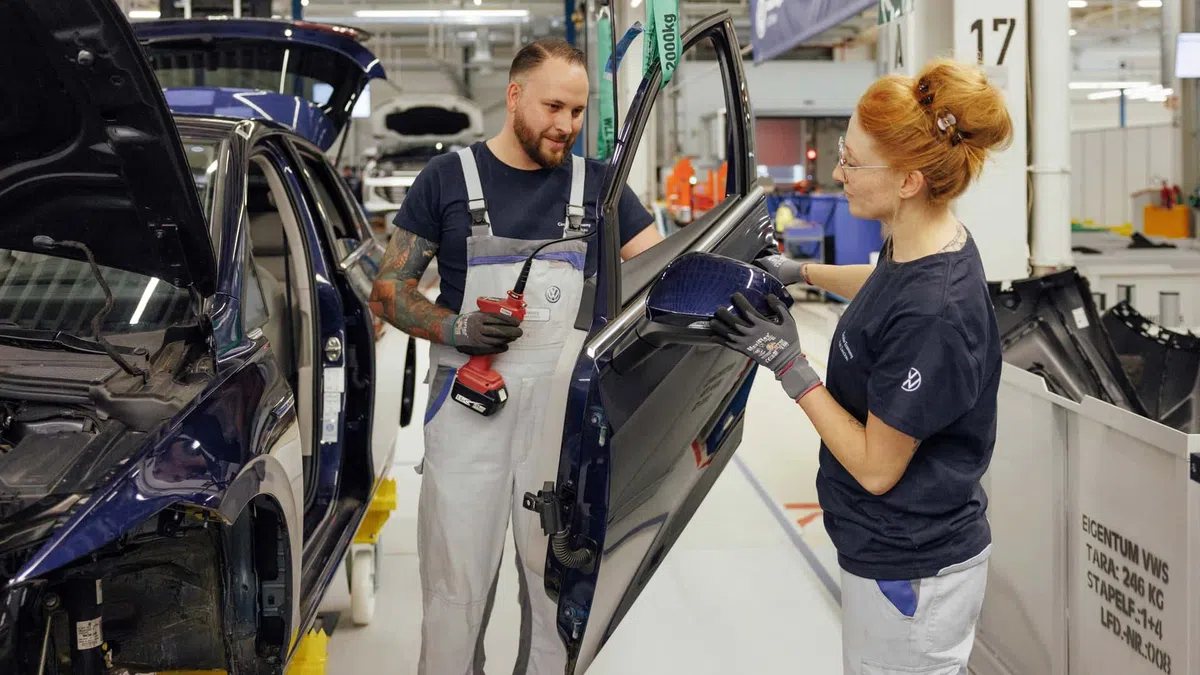
Volkswagen Begins Dismantling Its Own Cars to Recover Parts
In this issue
Business 317
Volkswagen Begins Dismantling Its Own Cars to Recover Parts
Culture 343
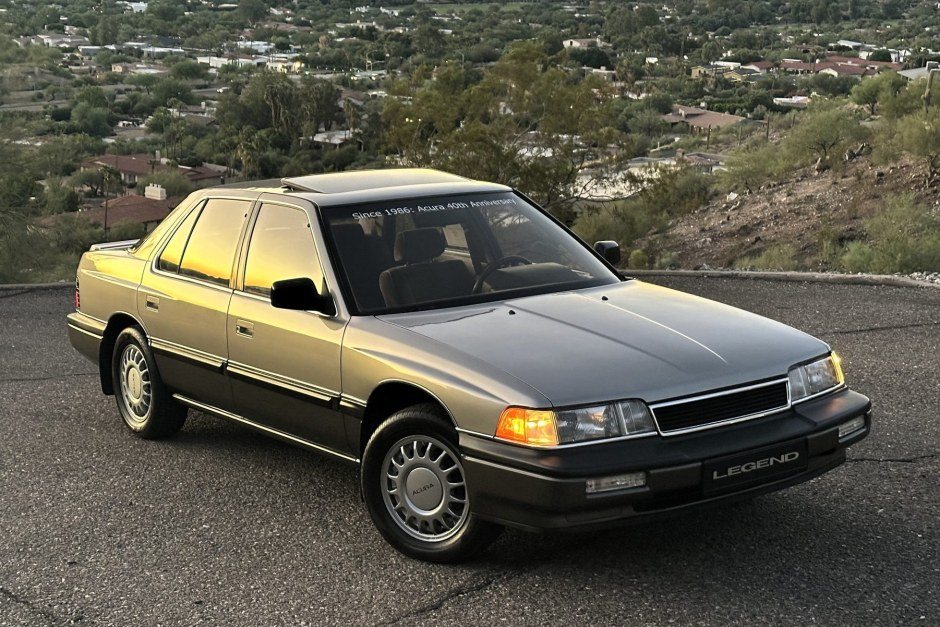
Acura Legend Sedan Goes to No-Reserve Auction for Crohn's Charity
Economy 48
Three Tankers Reportedly Strike Mines in Strait of Hormuz
News 161
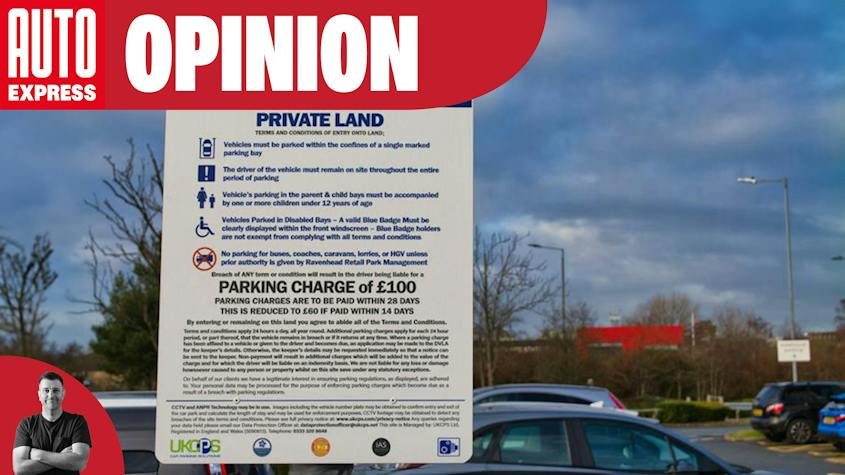
Private parking firms face pressure as UK motorists call for fairer rules
Politics 121
Burnham denies stopping ministers from discussing closer EU ties
Sports 296
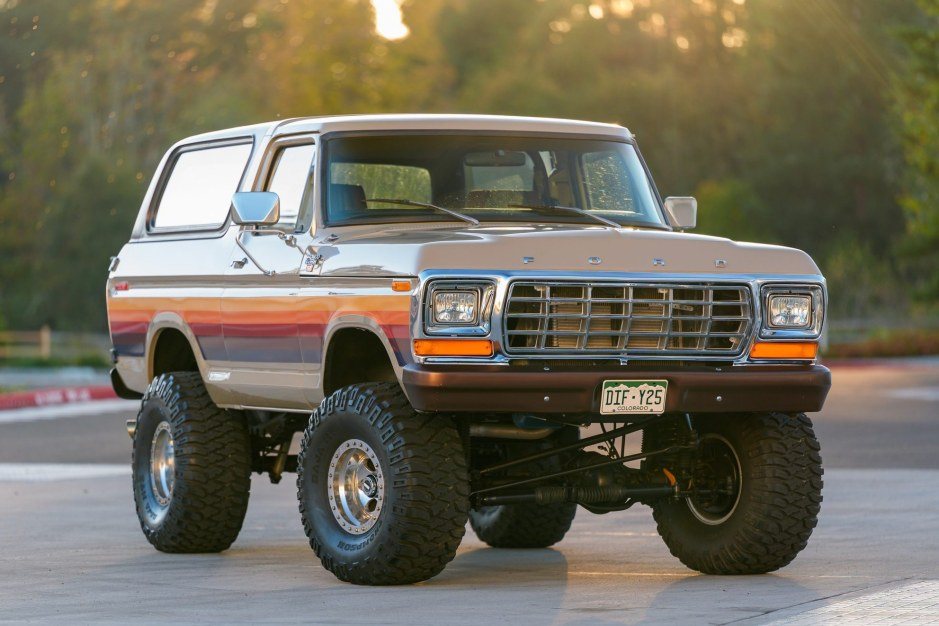
Modified 1978 Ford Bronco with 460 V8 heads to auction without reserve
Technology 353
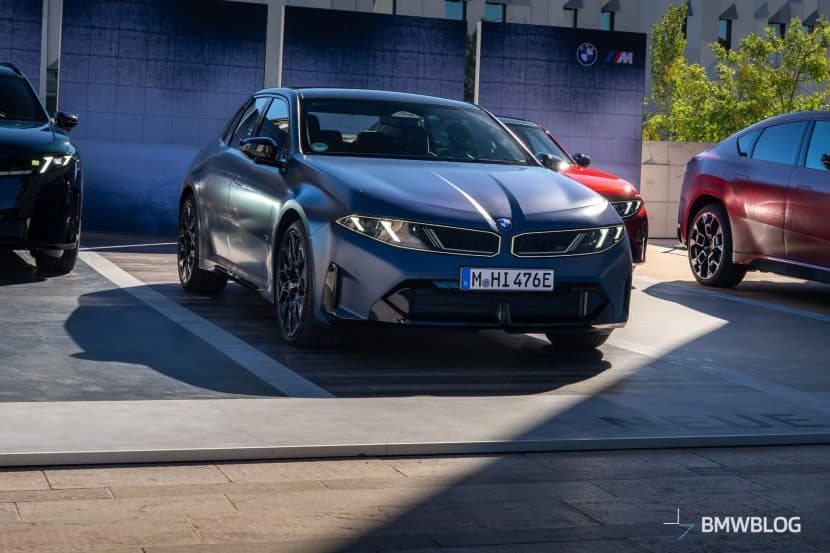
BMW's i3 M60 Shows Yellow Lights Off in European-Spec Photos
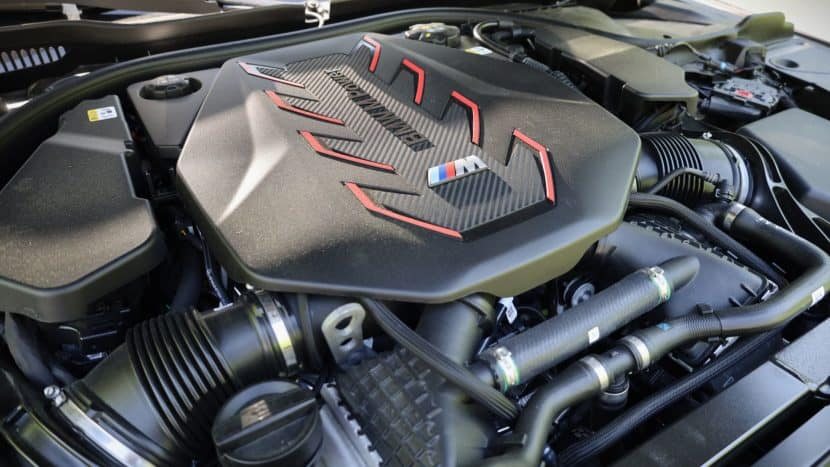
Strong demand for EVs in Australia gives BMW room to keep selling six-cylinder and V8 models under tightening emissions rules, according to the company’s local chief executive.
By Eleanor Ellington · 5 min read
BMW’s rapidly growing electric car sales are helping to keep its petrol-powered six-cylinder and V8 models on sale in Australia. Strong EV demand gives the German carmaker the flexibility to continue offering thirsty combustion engines in a market where emissions rules are becoming tighter, a development that might seem contradictory but is proving effective in practice.
Speaking to the Australian publication Carsales, BMW Group Australia chief executive Vikram Pawah said fully electric vehicles accounted for nearly 20 per cent of the company’s local sales last year. That volume has offset the higher CO2 emissions produced by petrol and diesel models, allowing BMW to keep its extensive powertrain line-up without dropping any vehicles to meet regulatory requirements.
The mechanism behind this lies in Australia’s New Vehicle Efficiency Standard, known as NVES. The rules do not prohibit the sale of combustion-powered vehicles. Instead, they set fleet-wide emissions targets and penalise manufacturers whose average CO2 output exceeds the prescribed limits. Selling more zero-emissions vehicles therefore gives a manufacturer additional room to offer models with larger engines.
BMW’s approach rests on what it calls its “Power of Choice” philosophy, which aims to give customers access to petrol, diesel, plug-in hybrid and fully electric powertrains, often within the same model family. The company plans to add a fifth drivetrain to the X5 range later this decade with the iX5 Hydrogen. “We can absolutely create that balance [of powertrains] as an organisation, and that’s what we intend to keep,” Pawah told the publication.
Pawah also dismissed the idea that BMW Australia would need to drop large engines or pass emissions-related costs on to customers through higher prices. He noted that some electric versions already achieve take-up rates of between 35 and 40 per cent in certain parts of the line-up, which provides a further buffer. “At the moment, at BMW, we’re not so much worried about it,” he said.
The situation in Australia is not the only reason the larger engines have a future. BMW M boss Frank van Meel has previously confirmed that the company is updating its inline-six and V8 engines to comply with Euro 7 emissions regulations, keeping both engine families in production well into the 2030s. The revised 3.0-litre S58 for Europe’s M2, M3 and M4 uses BMW’s M Ignite technology, along with a higher compression ratio and variable-geometry turbochargers. The 4.4-litre S68 V8 moves to the Miller combustion cycle and receives updated engine management and exhaust aftertreatment systems.
Not every change has been painless. The V8 had to be detuned on the European market in the M5 and XM to meet Euro 7, losing 41 horsepower in the process. Several upcoming models are nonetheless expected to keep traditional large engines relevant. The M350 receives the most powerful B58 inline-six yet, while the next M3 is expected to feature a mild-hybrid S58 when it arrives in 2028. From the 5 Series upwards, the range still offers a choice between six and eight cylinders, and further models with large-displacement engines are expected once BMW ALPINA expands its line-up.
The wider picture also reflects shifts in the used market and in commercial transport. A separate report from Motor1 finds that used electric vehicles are now gaining value and selling faster than petrol vehicles, a reversal of earlier price declines. Elsewhere, Electrek reports that electric trucks made up 50.3 per cent of all heavy trucks sold in China in September, with 33,100 electric big rigs sold in a single month, up 37 per cent on a year earlier, while the overall heavy-truck market shrank by 21 per cent.
For BMW in Australia, the result is a model in which buyers of electric cars help offset the emissions of customers who still want inline-six and V8-powered sports sedans, wagons and SUVs. It is an unusual consequence of the transition to electric mobility: buying a zero-emissions car may help someone else keep a V8-powered one.
Source: bmwblog.com
7