Business 210
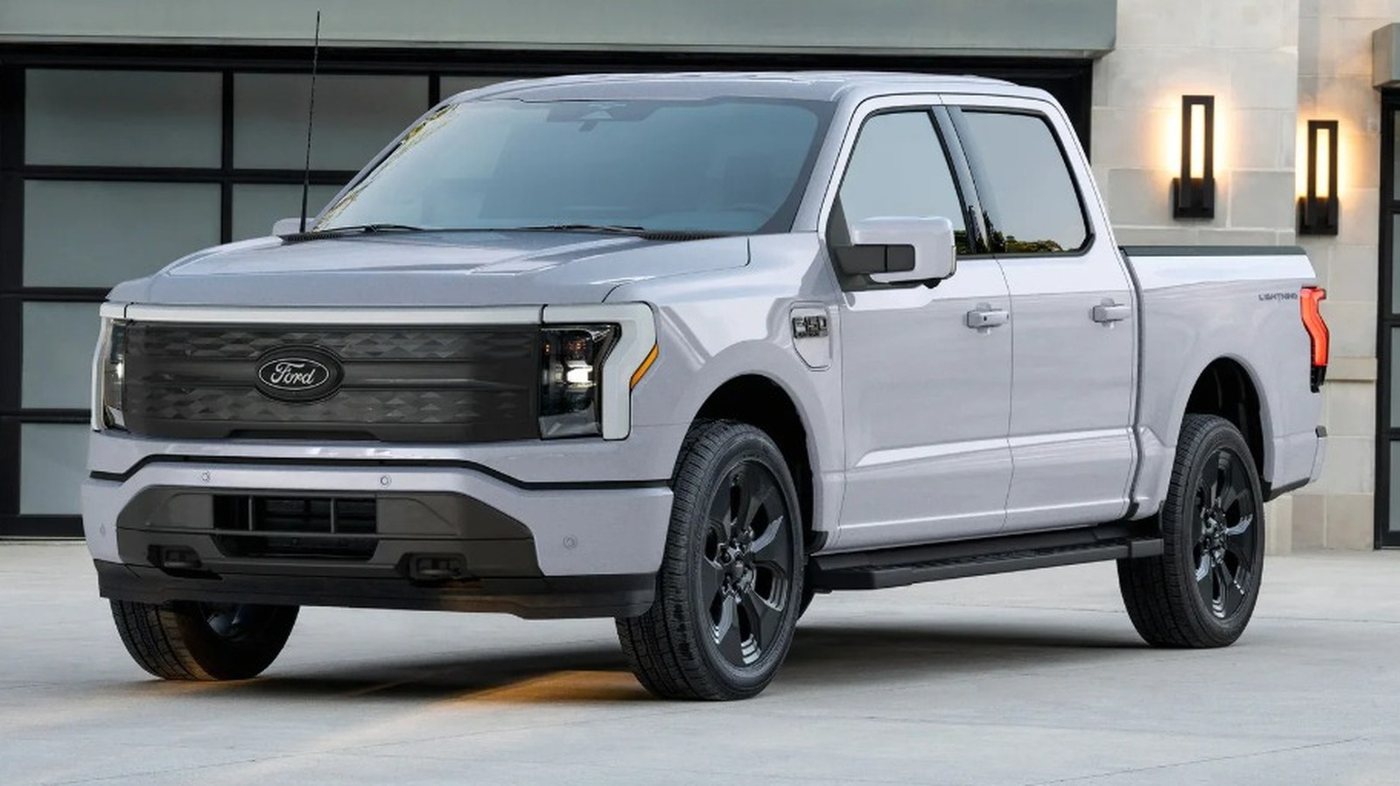
Used Ford F-150 Lightning EV Pickups Sell at Half Price as Demand Surges
In this issue
Business 210
Used Ford F-150 Lightning EV Pickups Sell at Half Price as Demand Surges
Culture 255
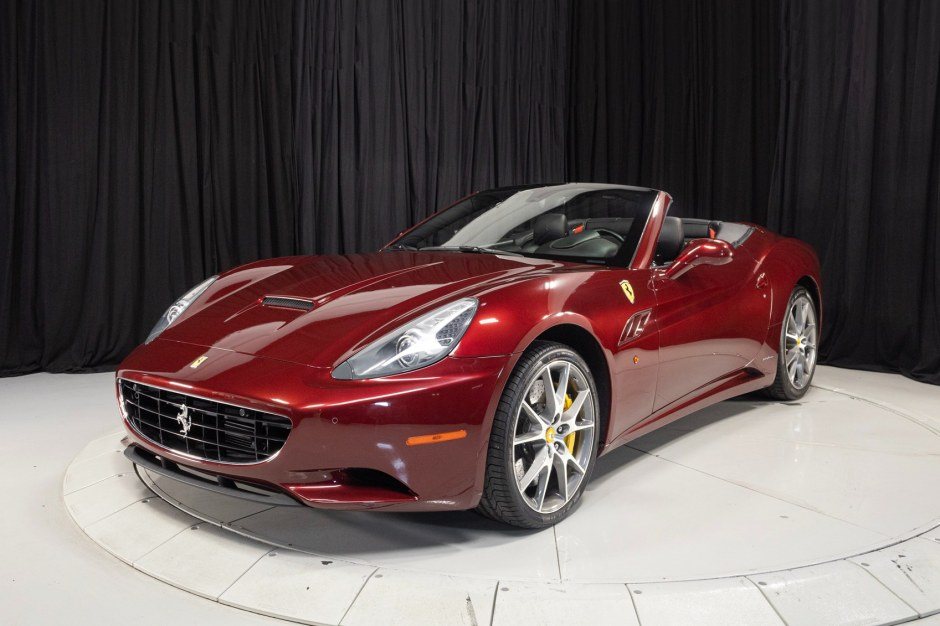
2012 Ferrari California with 23k Miles Listed for Sale
Economy 40
US Petrol Prices Set Record for Longest Stretch Above $4 a Gallon
News 151
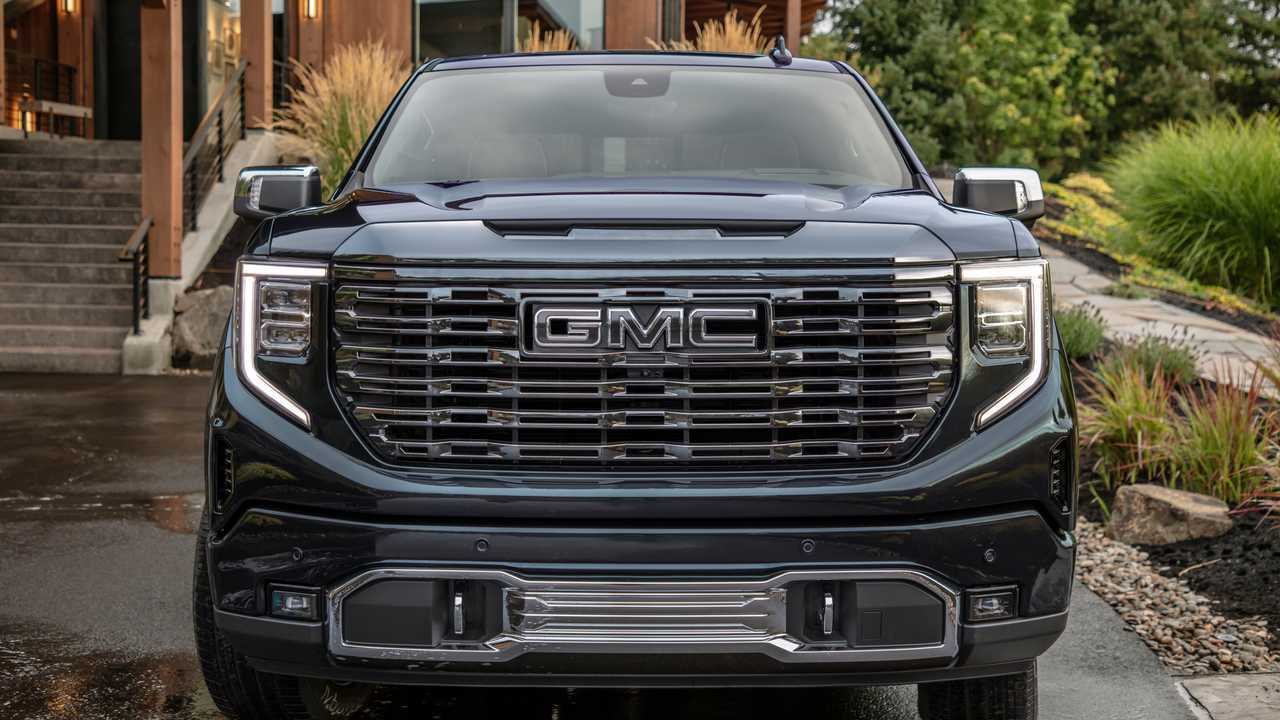
US Safety Agency Investigates 535,000 GMC Sierra Trucks Over Grille Deflector Fau…
Politics 113
Trump Appoints Barbera Thornhill to Lead US Anti-Trafficking Office
Sports 271
Queens Park Rangers to Host Derby County in Championship Clash
Technology 290
Chery's iCaur to launch in UK in 2027 with V27 4x4
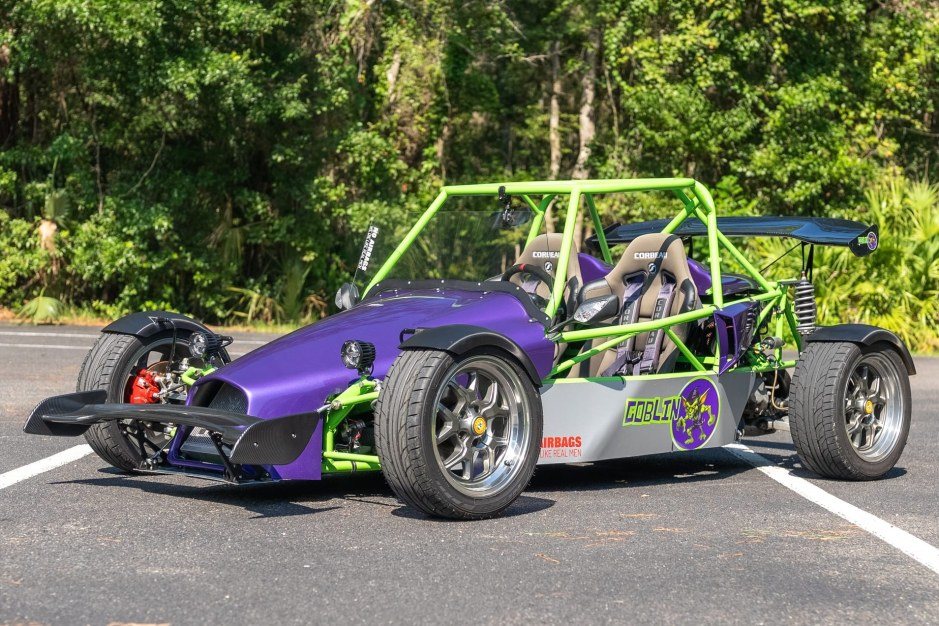
The new BMW iX3, Volvo EX60 and Mercedes-Benz GLC Electric are tested head-to-head. The BMW leads on range, efficiency and charging speed, while the Mercedes over-delivers on its official figures.
By George Kensington · 4 min read
BMW, Mercedes-Benz and Volvo are each beginning a new electric era with long-range, technology-heavy family SUVs, and the first direct comparison of the three flagship models shows the BMW iX3 leading the pack on range, efficiency and charging speed.
The three cars — the BMW iX3 50 xDrive, the Mercedes-Benz GLC 400 4MATIC Electric and the Volvo EX60 P10 AWD — are the first models from their respective brands to use dedicated new electric platforms. All three are designed to prove that the shift away from internal combustion engines does not mean a step backwards for family motoring.
In a controlled economy test, the BMW iX3 returned the best efficiency of the trio and, thanks to the largest battery, the longest real-world range. The car's usable battery capacity is 108.7kWh, with a claimed WLTP range of 492 miles. In the test, the BMW returned 3.9 miles per kWh when measured at the charger, giving an estimated real-world range of 428 miles. Its trip computer showed a slightly more optimistic 4.2mpkWh.
The Mercedes-Benz GLC Electric, which has the smallest battery of the three at 94.0kWh and a claimed WLTP range of 396 miles, over-delivered in testing. It improved on its official efficiency figure both on the trip computer and at the charger, and hit a higher charging peak than advertised. Its measured range at the charger was 354 miles.
The Volvo EX60, tested in P10 AWD form with a 92.0kWh battery and a claimed WLTP range of 403 miles, showed a discrepancy between its trip computer and the charger. While the car's computer claimed efficiency of 4.1mpkWh, the charger indicated it needed more energy to complete the same loop than the others, giving a measured figure of 3.5mpkWh and a real-world range of 321 miles. That is still a respectable result for a car with 503bhp, but it places the Volvo third in this company.
The BMW also charged the fastest of the three, with more than double the charging speed of the previous-generation iX3. The new model claims a 0-62mph time two seconds quicker than its predecessor and offers significantly more interior space.
The comparison highlights how far electric SUVs have come in a short time. The previous-generation iX3, launched in 2021, was a competent car, but the new model claims 200 miles more range on paper, more than double the charging speed and a much larger cabin for a similar price.
The new trio also leaves existing rivals behind. The Audi Q6 E-tron and Porsche Macan Electric, both launched in 2024 on the Volkswagen Group's new platform, are some way behind on range and efficiency. The Lexus RZ is not in the same conversation, and the figures help explain why Cadillac is reportedly having second thoughts about relaunching in the UK with the Optiq, which offers just 264 miles of range.
Beyond the numbers, the three cars also need to appeal on an emotional level. While all are two-box SUVs, each has a distinctive look. BMW has drawn on its heritage with a modern reinterpretation of the 1970s shark-nose front end and slim vertical kidney grille, while Mercedes has opted for a more prominent, attention-seeking design.
The test used high-spec versions of the long-range dual-motor models. The Volvo was tested in P10 form rather than the range-topping P12, which is not due until later next year and would have offered a claimed 500-mile range to match the BMW. The P10 was chosen as a better match on price and performance with the iX3 and the GLC 400.
In summer conditions, the BMW iX3 could be trusted to return a genuine 400 miles on a single charge, which feels like a milestone for electric vehicles. The Mercedes over-performed relative to its official figures, while the Volvo, despite its third-place finish on range, remains a strong all-rounder.
75