Business 209
Renault CEO Tightens Platform-Sharing Rules to Ensure Rival Models Look Distinct
In this issue
Business 209
Renault CEO Tightens Platform-Sharing Rules to Ensure Rival Models Look Distinct
Culture 253
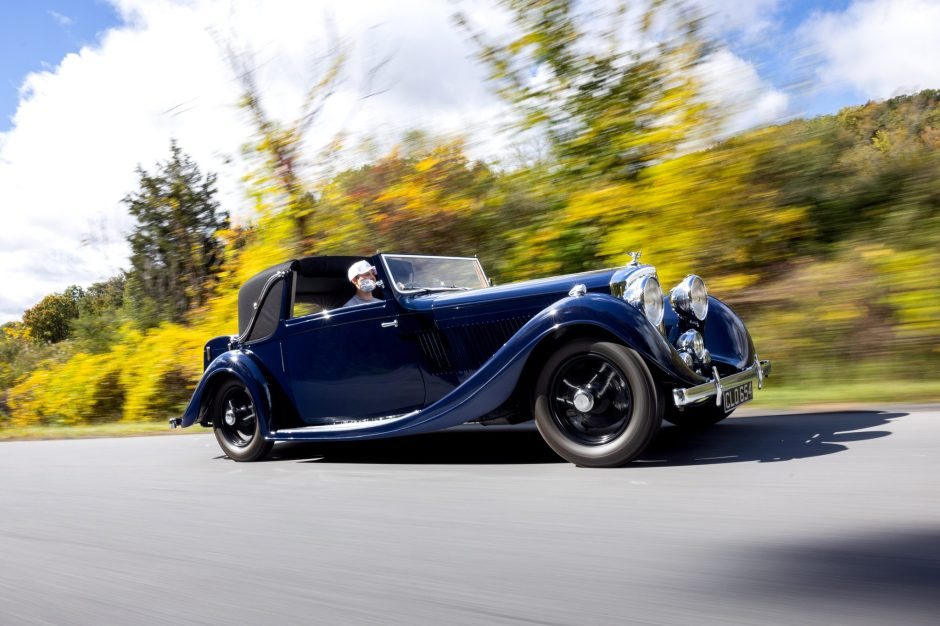
1936 Bentley 3½ Litre Sedanca Coupe by Gurney Nutting Heads to Market in New York
Economy 40
US Petrol Prices Set Record for Longest Stretch Above $4 a Gallon
News 151
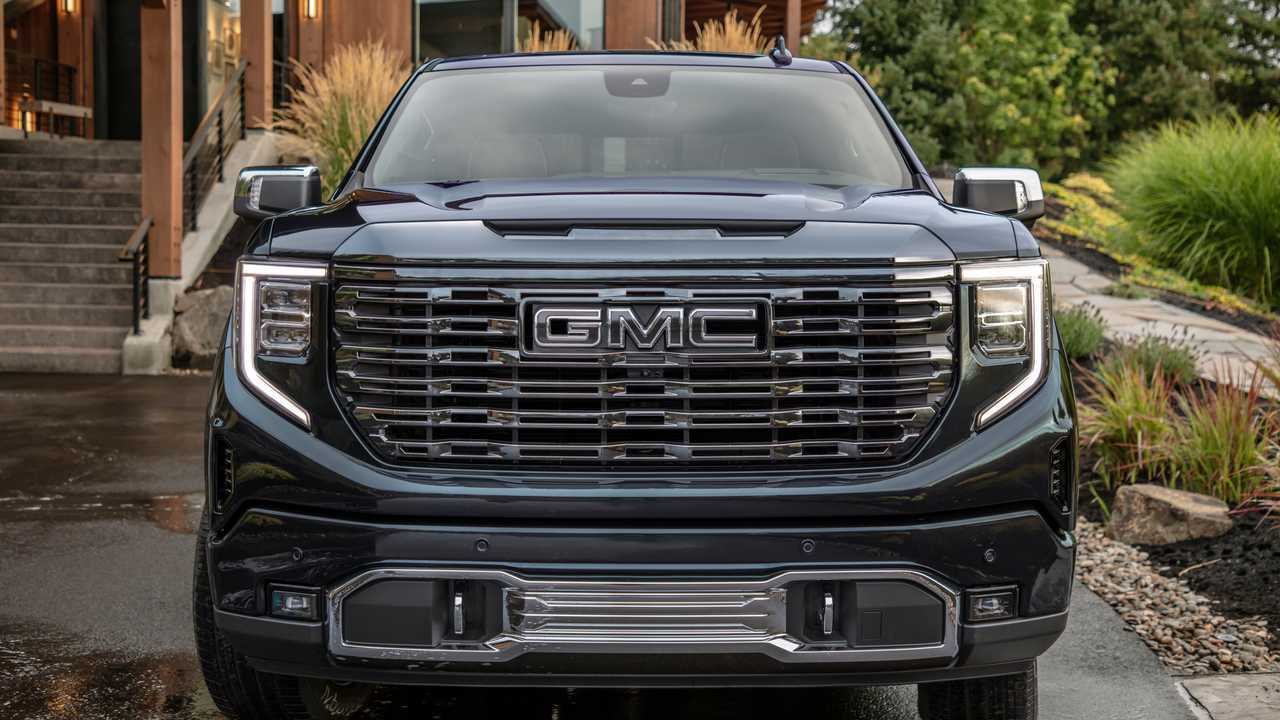
US Safety Agency Investigates 535,000 GMC Sierra Trucks Over Grille Deflector Fau…
Politics 113
Trump Appoints Barbera Thornhill to Lead US Anti-Trafficking Office
Sports 270
Wrexham to Host West Bromwich Albion in October Clash
Technology 287
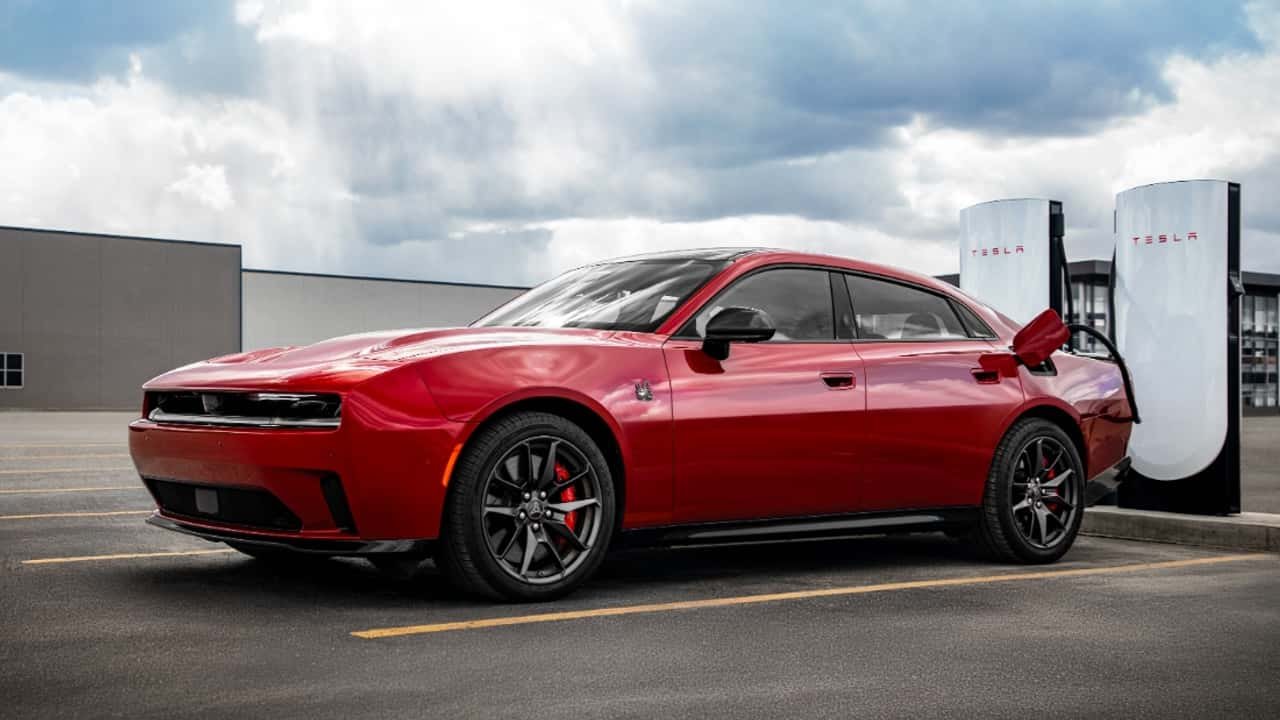
Tesla Supercharging Prices Rise 15% in a Year
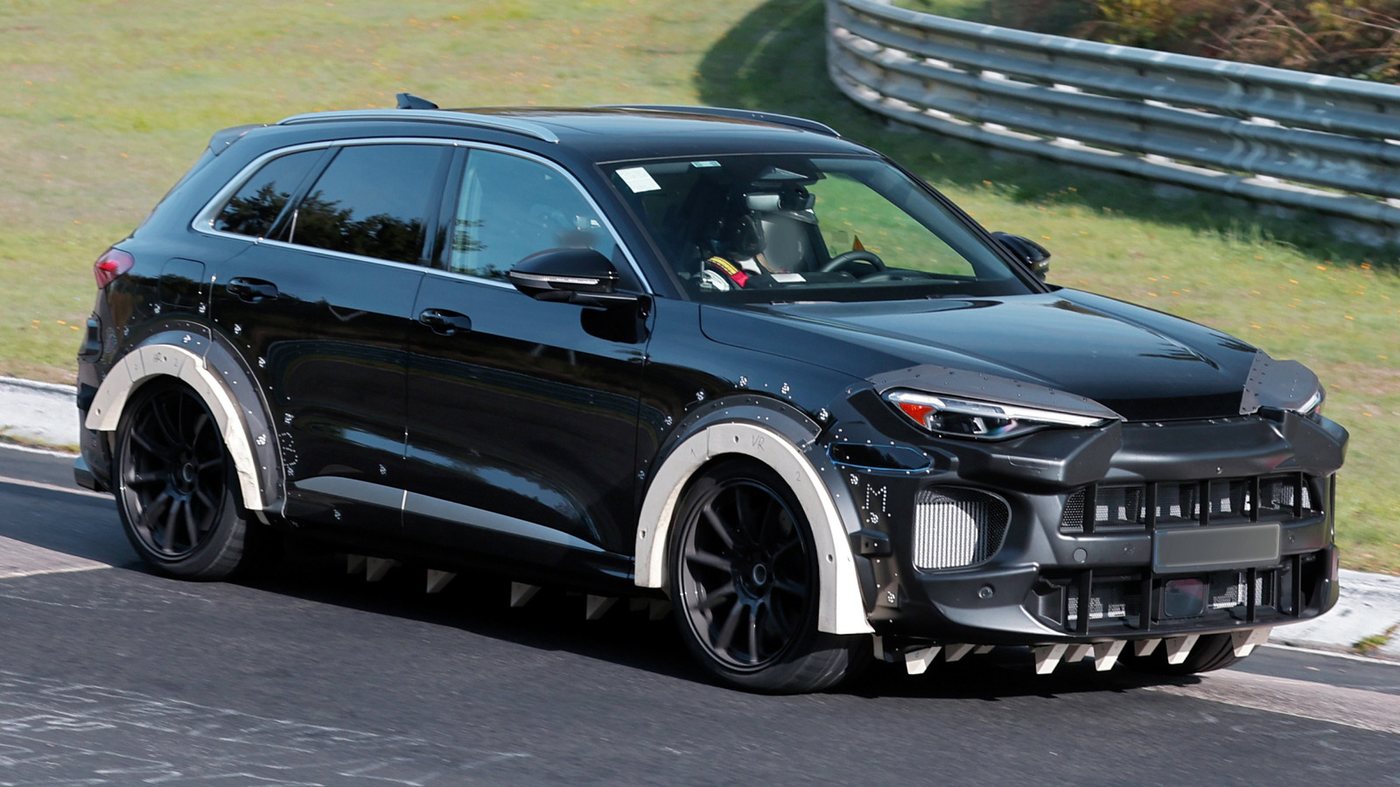
Porsche is developing a new petrol-powered compact crossover to replace the current Macan, expected to debut in 2028 with four-cylinder, V6 and plug-in hybrid options. Prototypes have been spotted testing under a widened Audi Q5 body at the Nürburgring.
By George Kensington · 4 min read
Porsche is preparing a new petrol-powered compact crossover that will eventually replace the current Macan, with the first prototypes now caught testing at the Nürburgring under the widened bodywork of an Audi Q5. The new model, which Porsche may name Octan, is expected to make its debut in 2028 and will offer four-cylinder and V6 engines alongside a plug-in hybrid option.
The test mule's heavy camouflage and Audi-derived shell suggest Porsche is still in the early stages of development, using the Q5's platform architecture as a base for the new vehicle. The widebody modifications visible on the prototype indicate the production model will be wider and more aggressively styled than the standard Q5, in keeping with Porsche's performance-oriented design language.
The decision to develop a new petrol-powered compact crossover marks a significant shift in Porsche's product strategy. The current Macan has been a strong seller for the brand, but the move toward electrification has raised questions about the future of combustion-engined models in the compact luxury SUV segment. By confirming a 2028 debut for a new gas-powered model, Porsche appears to be hedging its bets, offering customers a choice between traditional petrol power and electrified alternatives.
The plug-in hybrid variant will be particularly important for markets with strict emissions regulations, allowing Porsche to maintain performance while reducing average fleet emissions. The four-cylinder and V6 engine options will likely be carried over or evolved from existing Porsche powertrains, though specific output figures have not been confirmed.
Porsche has not officially announced the name Octan, but trademark filings and internal references have hinted at the possibility. The name would fit with Porsche's tradition of using alphanumeric designations, though it would be a departure from the Macan nameplate that has been in use since 2014.
The Nürburgring testing is a standard part of Porsche's development process, allowing engineers to fine-tune chassis dynamics, powertrain response and thermal management under extreme conditions. The prototype's appearance at the famous German circuit suggests the new model is being benchmarked against high-performance rivals in the compact luxury SUV segment.
Production of the new model is expected to take place at Porsche's Leipzig plant, where the current Macan and Panamera are built. The factory has been undergoing upgrades to accommodate electric vehicle production, but the new petrol model will likely share the line with existing combustion-engined vehicles.
The new crossover will face competition from a growing field of premium compact SUVs, including the BMW X3, Mercedes-Benz GLC and the upcoming electric Macan. Porsche's decision to offer both petrol and electric options in this segment reflects the uneven pace of EV adoption across global markets, particularly in regions where charging infrastructure remains limited.
Porsche has committed to an ambitious electrification strategy, with targets for EVs to account for a significant share of sales by 2030. However, the company has also acknowledged that combustion engines will continue to play a role in its lineup for years to come, especially in markets where demand for EVs is growing more slowly than anticipated.
The new petrol Macan replacement is expected to be unveiled in late 2027 or early 2028, with sales beginning shortly thereafter. Pricing and final specifications will be announced closer to the launch date.
6