Business 209
Renault CEO Tightens Platform-Sharing Rules to Ensure Rival Models Look Distinct
In this issue
Business 209
Renault CEO Tightens Platform-Sharing Rules to Ensure Rival Models Look Distinct
Culture 250
Allard J2X Le Mans Re-Creation Offered in UK with FIA Historic Passport
Economy 40
US Petrol Prices Set Record for Longest Stretch Above $4 a Gallon
News 151
US Safety Agency Investigates 535,000 GMC Sierra Trucks Over Grille Deflector Fau…
Politics 113
Trump Appoints Barbera Thornhill to Lead US Anti-Trafficking Office
Sports 270
Wrexham to Host West Bromwich Albion in October Clash
Technology 286
ZF Lifetec Develops Seatbelt Tech That Checks If You're Wearing It Correctly
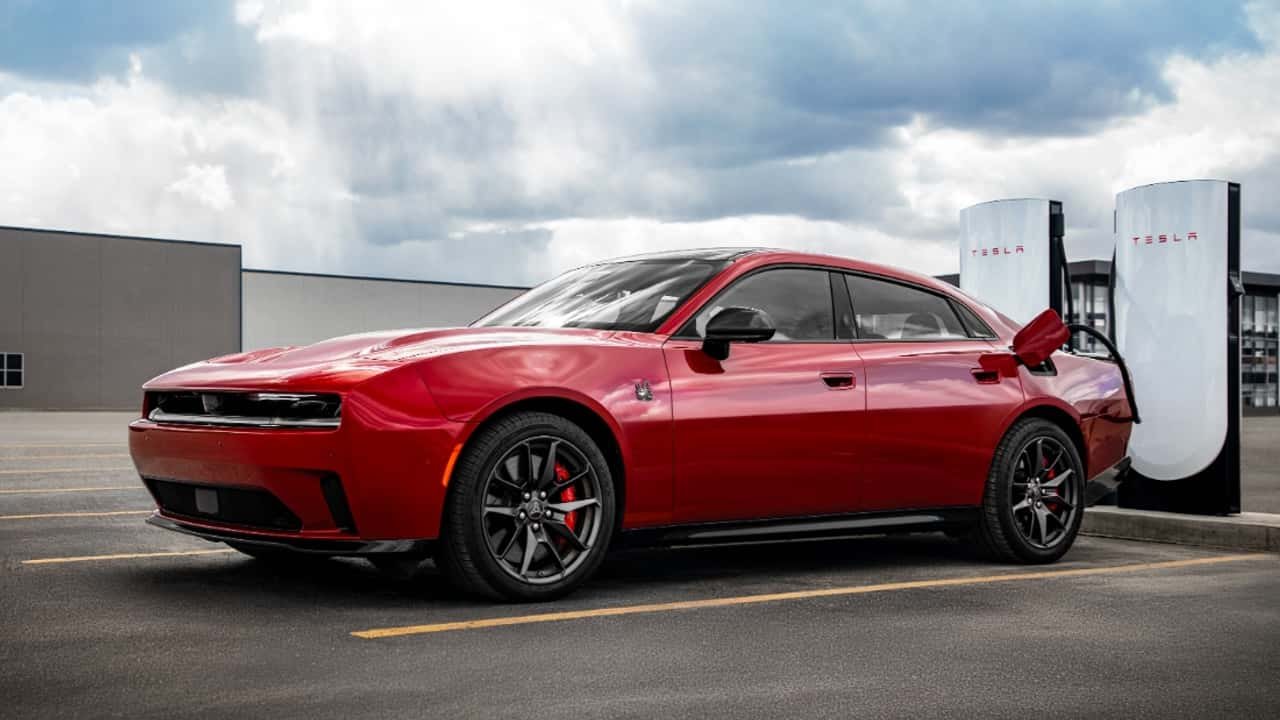
Tesla's Supercharger network has become significantly more expensive for drivers, with prices up 15% over the past year, adding pressure to the running costs of electric vehicles.
By George Kensington · 3 min read
Tesla has raised the price of using its Supercharger network by 15% over the past year, according to new data, in a move that adds to the financial burden on electric vehicle owners already contending with higher energy costs.
The increase means that drivers relying on Tesla's fast-charging infrastructure are now paying substantially more per kilowatt-hour than they were twelve months ago. The company has not publicly announced a single across-the-board price rise, but the cumulative effect of adjustments at individual stations has pushed average rates higher.
For Tesla owners, the Supercharger network has long been one of the brand's key selling points, offering reliable and relatively affordable rapid charging on long journeys. The latest figures suggest that advantage is eroding as electricity prices and operational costs feed through to the company's pricing strategy.
The 15% jump is particularly notable because it outpaces general inflation in many markets. While petrol and diesel prices have also fluctuated, the rising cost of public charging could narrow the running-cost gap between electric and combustion-engine cars, at least for drivers who depend heavily on fast chargers rather than home charging.
Tesla has been opening parts of its Supercharger network to other manufacturers' vehicles in several countries, a shift that increases utilisation and could influence pricing decisions. Higher usage may help spread fixed costs, but it also puts more strain on popular sites, and Tesla has previously adjusted rates based on local demand and time of day.
The company has not commented specifically on the 15% figure. However, the trend reflects broader pressures across the EV sector, where charging operators are balancing investment in new infrastructure against volatile wholesale energy prices and rising site rents.
For British drivers, the cost of public charging is a sensitive topic. Although home charging remains far cheaper per mile, those without off-street parking rely on the public network, and any sustained increase in rapid-charging prices is likely to be noticed by both consumers and fleet operators.
Tesla's Supercharger network remains the largest rapid-charging network in many markets, and its pricing is often used as a reference point by competitors. A 15% annual rise could therefore signal further upward pressure across the wider public charging market.
The company has previously said it aims to keep charging affordable while funding expansion. Whether the latest increase represents a temporary adjustment or a longer-term shift in pricing strategy remains to be seen, but for now, Tesla owners face a noticeably higher bill at the plug.
9