Business 208
BMW M2 Turbo Edition Gains All-Wheel Drive for India, Loses Manual Gearbox
In this issue
Business 208
BMW M2 Turbo Edition Gains All-Wheel Drive for India, Loses Manual Gearbox
Culture 249
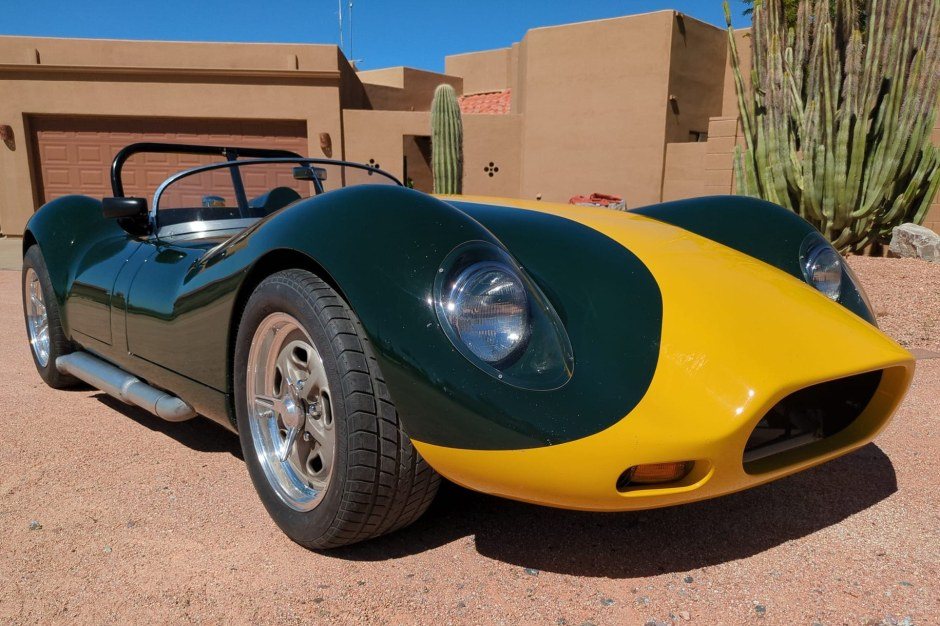
Beck-Built Lister-Chevrolet Knobbly Re-Creation Heads to Market
Economy 40
US Petrol Prices Set Record for Longest Stretch Above $4 a Gallon
News 151
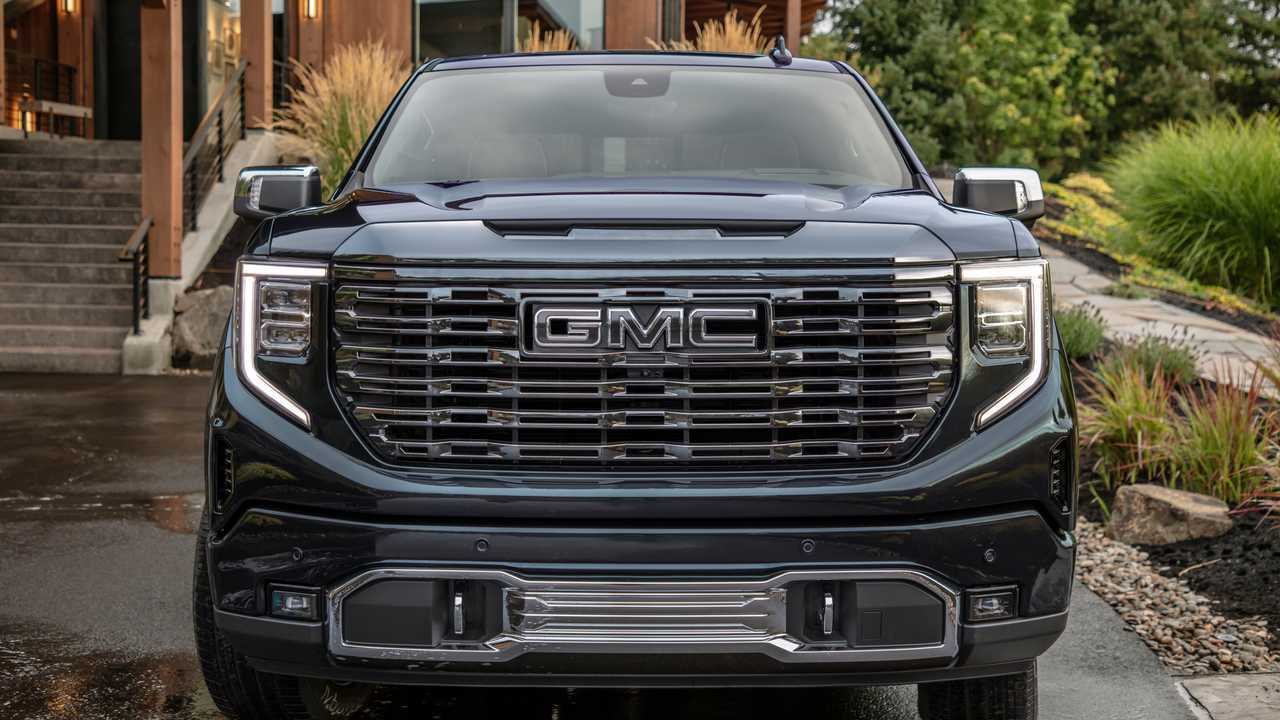
US Safety Agency Investigates 535,000 GMC Sierra Trucks Over Grille Deflector Fau…
Politics 113
Trump Appoints Barbera Thornhill to Lead US Anti-Trafficking Office
Sports 270
Wrexham to Host West Bromwich Albion in October Clash
Technology 286
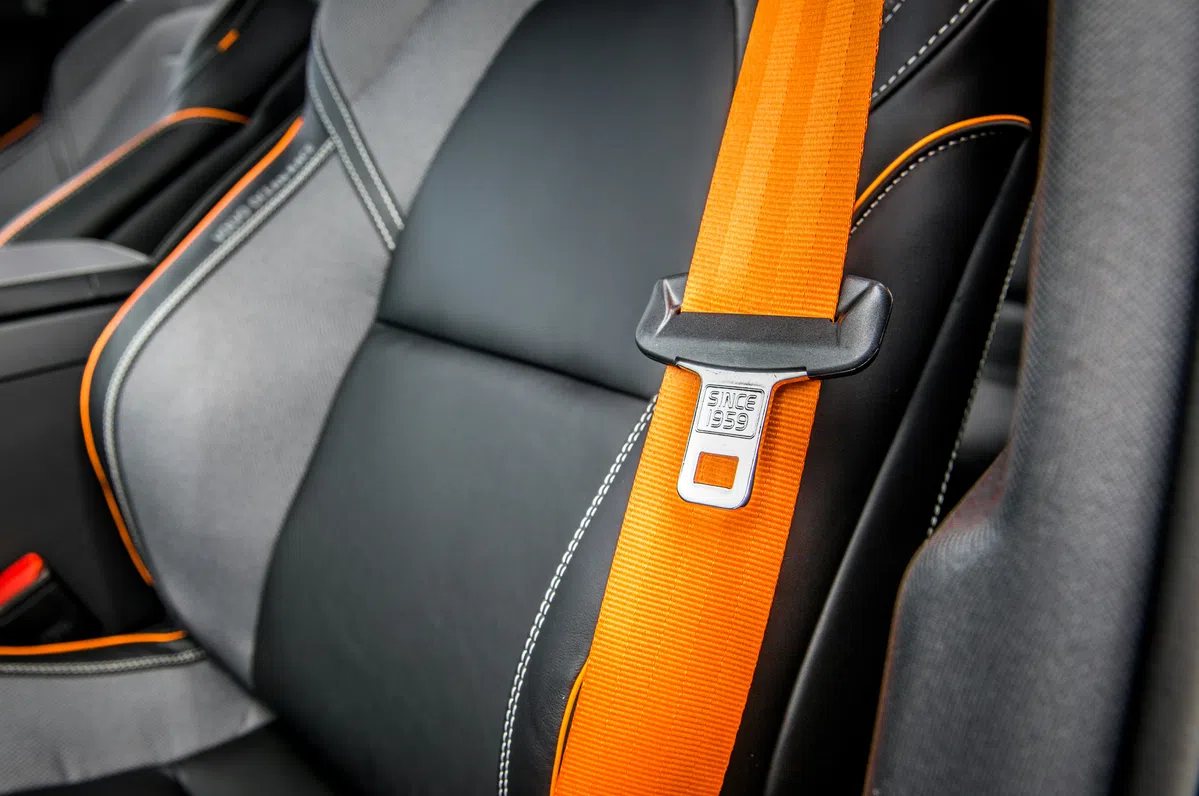
ZF Lifetec Develops Seatbelt Tech That Checks If You're Wearing It Correctly

François Provost, head of Renault Group, has overhauled the company's platform-sharing strategy to require greater visual differentiation from partner brands such as Nissan, Ford and Mitsubishi, following criticism that the Nissan Micra was too similar to the Renault 5.
By Edward Beaumont · 4 min read
Renault Group has moved to tighten the rules governing how its platform-sharing partners design their cars, after the company's new chief executive concluded that rival models built on Renault architecture were not sufficiently distinct from its own vehicles.
François Provost, who took over at the French carmaker, said he had changed the approach inherited from his predecessor Luca de Meo to ensure that future partner models carry enough visual and design differentiation. The shift follows internal unease at the striking similarity between the Nissan Micra and the Renault 5 on which it is based, with the two cars sharing a virtually identical interior and differing mainly in their front and rear light designs.
Speaking at the Paris motor show, Provost was blunt about the shortcomings of the previous arrangement. «We did not request enough differentiation,» he said. «Everything is linked to differentiation. Look at the Dacia Spring: the Twingo and Spring look like different cars but the platform is the same.»
The change marks a break with the strategy pursued under de Meo, who oversaw a broad expansion of Renault's industrial partnerships. Provost made clear that his approach would be more selective. «This is a change compared with my predecessor. I will never do partnerships without enough differentiation,» he said.
Renault's platform-sharing arrangements are central to its industrial strategy. The company's RGMP Small platform underpins the Renault 5, Renault 4 and Twingo. It currently builds the 5-based Micra for Nissan, will soon begin producing the Twingo-based Nissan Pixo, and has agreements in place to build future models for both Ford and Mitsubishi.
Under previous arrangements, Renault offered partners varying degrees of differentiation, in some cases extending to bespoke body panels. That approach gives partner brands more distinctive products but pushes up manufacturing costs, creating a trade-off between economies of scale and brand identity.
Confidentiality agreements mean Renault executives do not have prior oversight of the cars they produce for rivals, a constraint that limits the company's ability to intervene before a design is finalised. Senior sources have indicated there was consternation at the lack of design alterations made to the Micra, which is notably similar to its Renault relation.
Provost pointed to Ford as an example of a partner that shares his insistence on distinctiveness. «With Ford, Jim Farley has exactly the same view. He said that if he chose to partner with Renault, the car must be a Ford. We will discover that together, because I cannot legally see the design of the Ford,» Provost said.
The Renault chief signalled that he would prioritise long-term strategic alliances over short-term tactical deals. «So I prefer to do less partnerships with strategic partners who want a one-shot tactical partnership and more for the long-term. Now you will see each time is with enough differentiation,» he said.
The revised stance has implications for how Renault balances the commercial benefits of contract manufacturing against the risk of diluting its own brands. Building cars for other manufacturers allows Renault to spread development and production costs across higher volumes, but if partner vehicles look too similar to its own, the company risks undercutting the distinctiveness that supports pricing and customer loyalty.
For Nissan, Ford and Mitsubishi, the new policy means future models based on Renault platforms will need to be visually and experientially distinct from their Renault counterparts. How that differentiation is achieved, and at what cost, will shape the next generation of vehicles produced under these partnerships.
5