Business 206
BMW Group Reports Nine-Month Sales as European Demand Holds
In this issue
Business 206
BMW Group Reports Nine-Month Sales as European Demand Holds
Culture 247
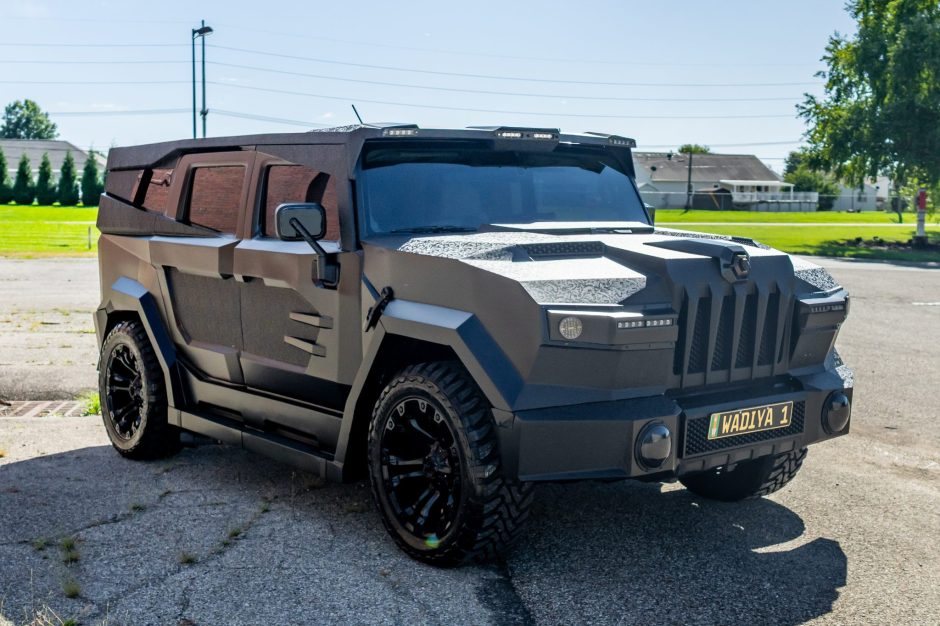
Dartz Prombron Black Stallion Type C: From Dictator Film Set to Collector's Garage
Economy 39
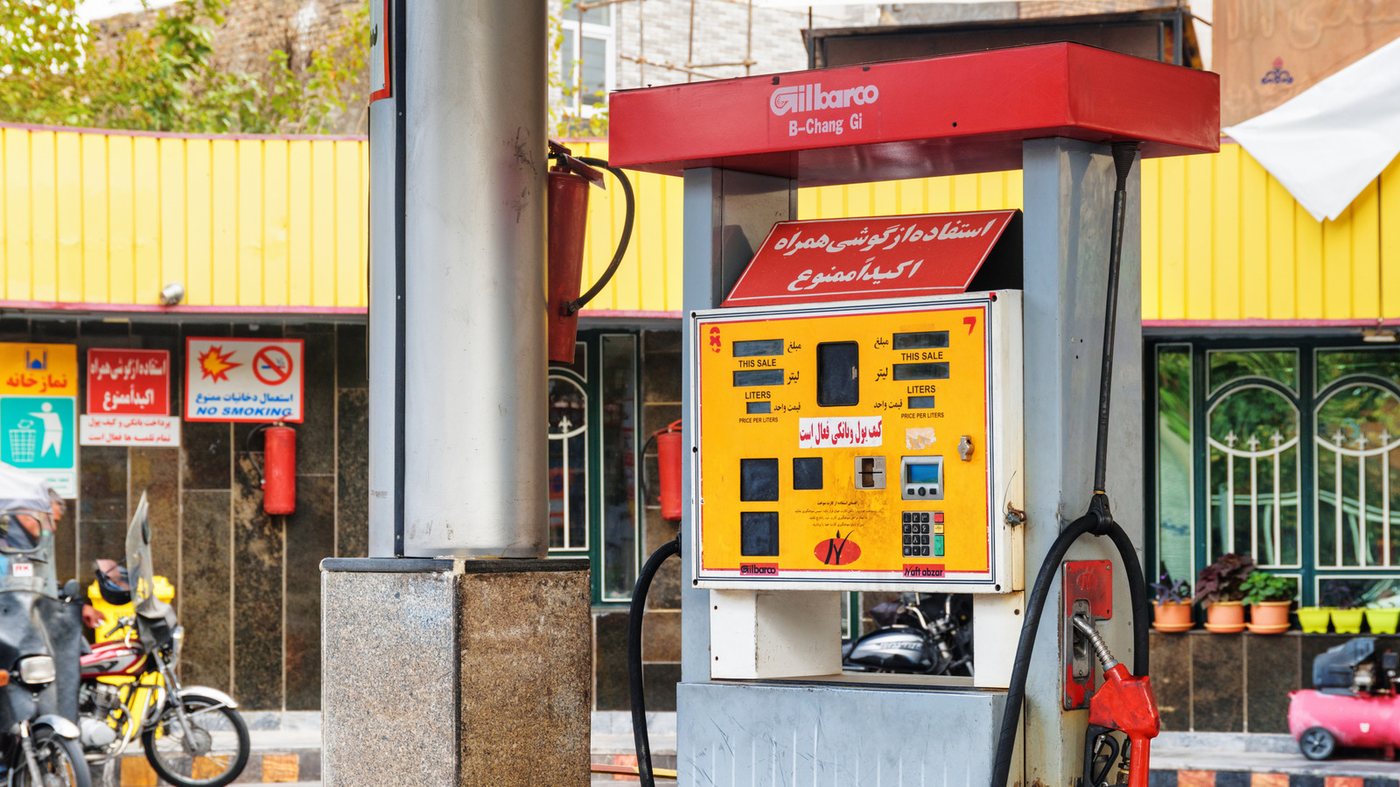
Countries Where Petrol Sells for Under $2 a Gallon
News 150
Earhart Search Team Reaches Crab-Infested Pacific Island
Politics 112
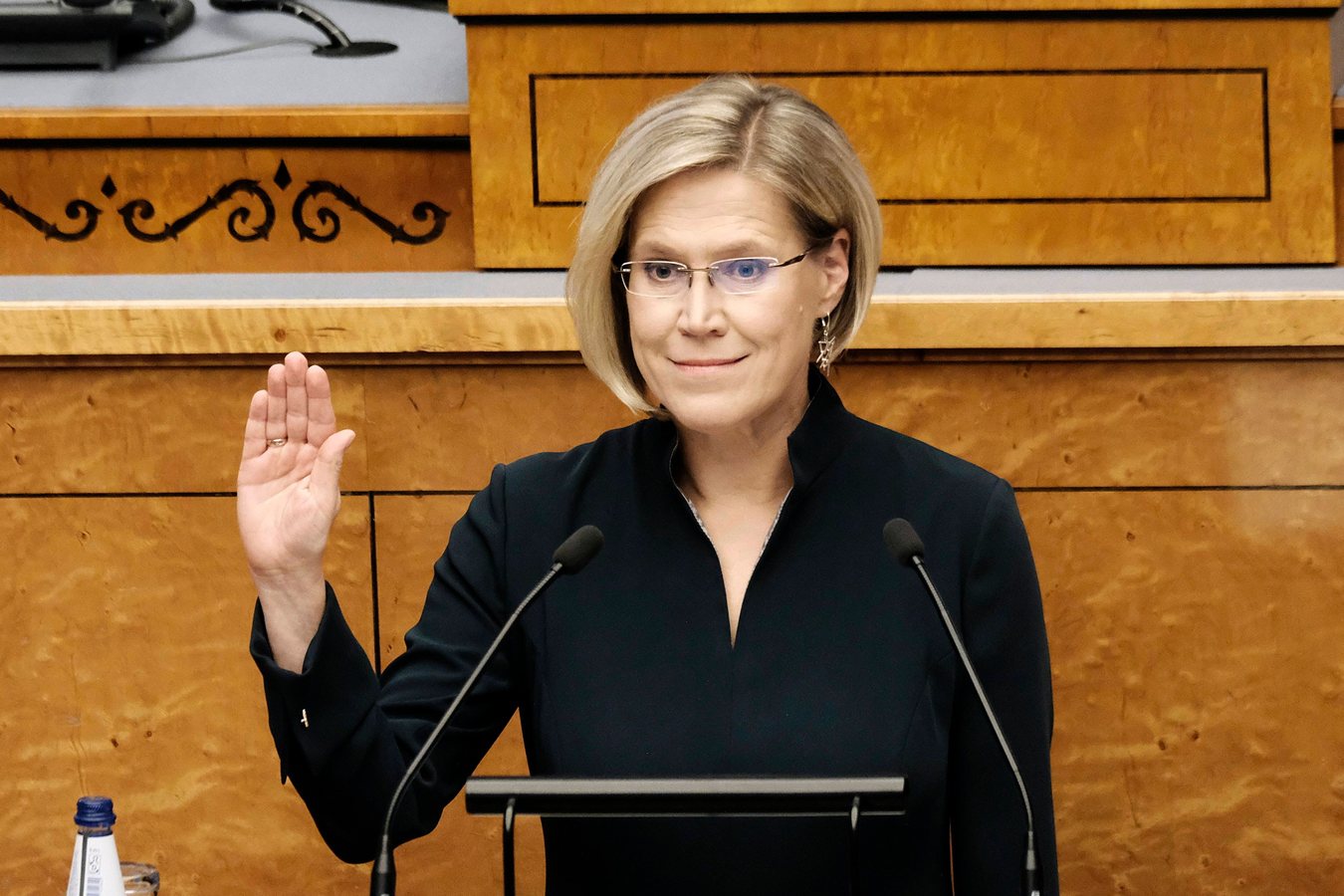
Ulle Madise becomes Estonia's new president
Sports 270
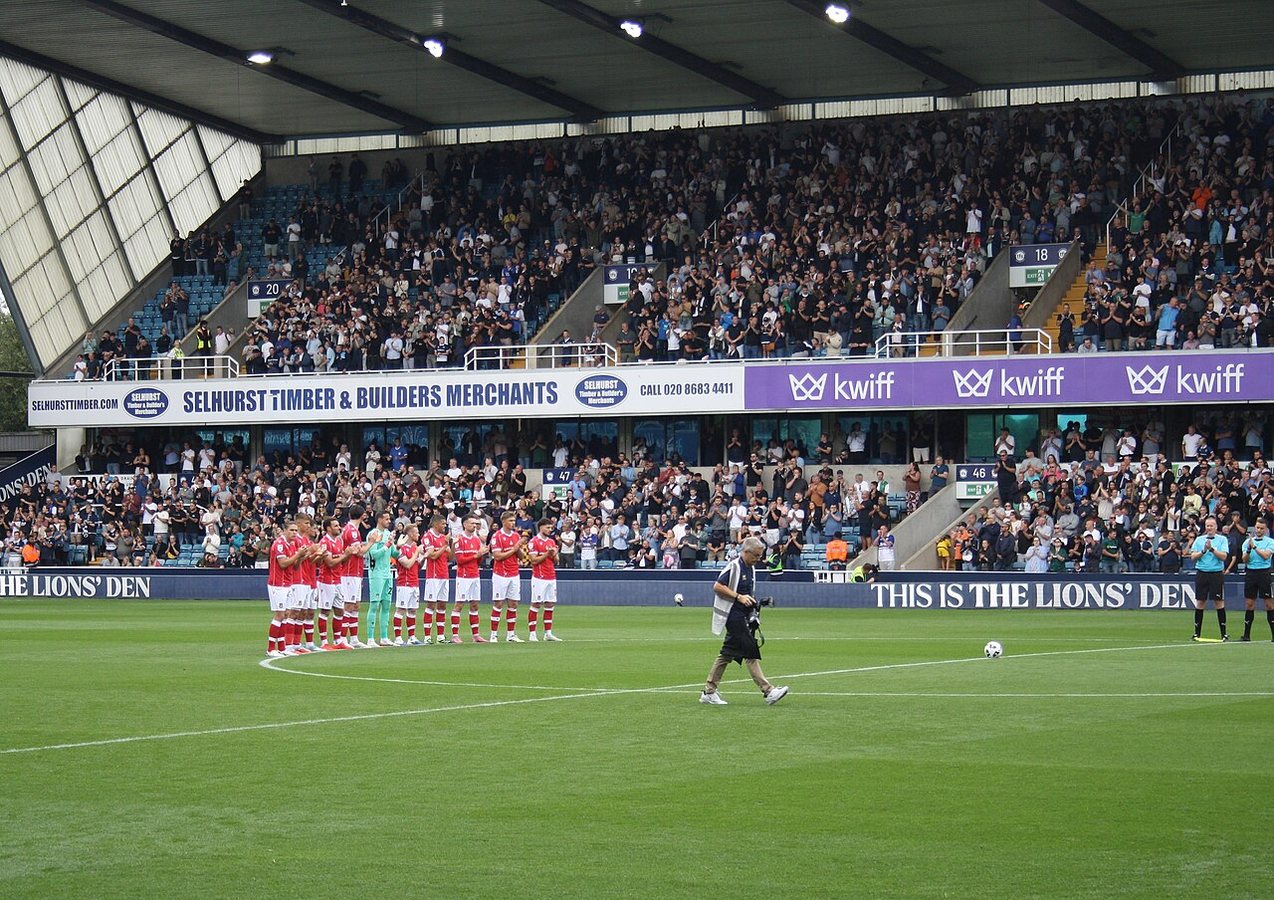
Wrexham to Host West Bromwich Albion in October Clash
Technology 285
Higher Compression Ratios Deliver More Power and Better Fuel Economy
Volkswagen CEO Thomas Schäfer says the brand's line-up will shrink by around half as electrification makes combustion and electric equivalents redundant, with Skoda and Cupra aligned under a new synergy strategy.
By Eleanor Ellington · 5 min read
Volkswagen will reduce its model range by approximately half by 2035, but the cuts will come through what chief executive Thomas Schäfer calls a «natural transition» rather than a programme of deliberate model cancellations. Speaking at the Paris motor show, Schäfer said the downsizing is an inevitable consequence of Europe's planned phase-out of combustion engines and the resulting overlap between petrol and electric line-ups.
«It's not a miracle that after 2035 you will not have a Polo and an ID Polo or a T-Cross and an ID Cross,» he said. «So you automatically have a reduction.» The Volkswagen Group, which owns the Volkswagen, Skoda, Cupra, Audi, Porsche and Lamborghini brands among others, has pledged to cut the number of models and variants across its entire portfolio by around half as part of a major restructuring.
Schäfer explained that his team worked out the ideal Volkswagen portfolio for 2035, covering vehicle sizes from small to high-riding models, and then repeated the exercise for Skoda and Cupra. Aligning the three plans produced a combined line-up roughly half the current size. «This wasn't a miracle, it was actually a natural transition and a reorganisation of the portfolio to the most profitable products,» he said.
A central plank of the strategy is closer collaboration between Volkswagen, Skoda and Cupra, which sit together in the group's Core division under Schäfer's leadership. Future models will be managed in «synergy groups» so that, in his words, «we are not all fishing in the same spot at the same time».
The approach does not rule out several brands offering vehicles in the same segment. Volkswagen's ID Polo and ID Cross, the Cupra Raval and the Skoda Epiq are all small electric cars that will compete in overlapping territory. Under the new system, such projects will be clustered and assigned to a single brand to lead development, reducing duplicated engineering effort across the group.
The forthcoming production version of the ID Every1 city car concept illustrates how the strategy works in practice. The model will use a shortened version of the platform underpinning the ID Polo, and only Volkswagen will offer a car in that class. Schäfer attributed the decision to the small size of the segment, which makes it uneconomic for multiple brands to field competing products.
The restructuring comes as European regulators press ahead with plans to end the sale of new combustion-engined cars from 2035, a deadline that is forcing manufacturers to rethink how many models they can profitably sustain. For Volkswagen, the shift means fewer nameplates but a sharper focus on the products most likely to generate returns.
Schäfer's comments offer the clearest indication yet of how the group intends to manage the transition. Rather than announcing a list of discontinued models, Volkswagen is allowing the overlap between its combustion and electric ranges to resolve itself as older petrol cars reach the end of their lifecycles and their electric successors take their place.
The strategy also reflects broader pressure on European carmakers to control costs. Developing separate platforms and variants for multiple brands is expensive, and clustering projects around shared underpinnings allows the group to spread investment across higher volumes. By aligning Volkswagen, Skoda and Cupra around a single 2035 plan, the company aims to avoid the internal competition that has historically produced near-identical cars in the same segments.
For buyers, the practical effect will be a smaller but more clearly differentiated range. Models that once existed in both petrol and electric form will consolidate into a single electric successor, while segments deemed too small to support more than one brand will be led by whichever marque is best placed to make them work commercially.
5