Business 208
BMW M2 Turbo Edition Gains All-Wheel Drive for India, Loses Manual Gearbox
In this issue
Business 208
BMW M2 Turbo Edition Gains All-Wheel Drive for India, Loses Manual Gearbox
Culture 249
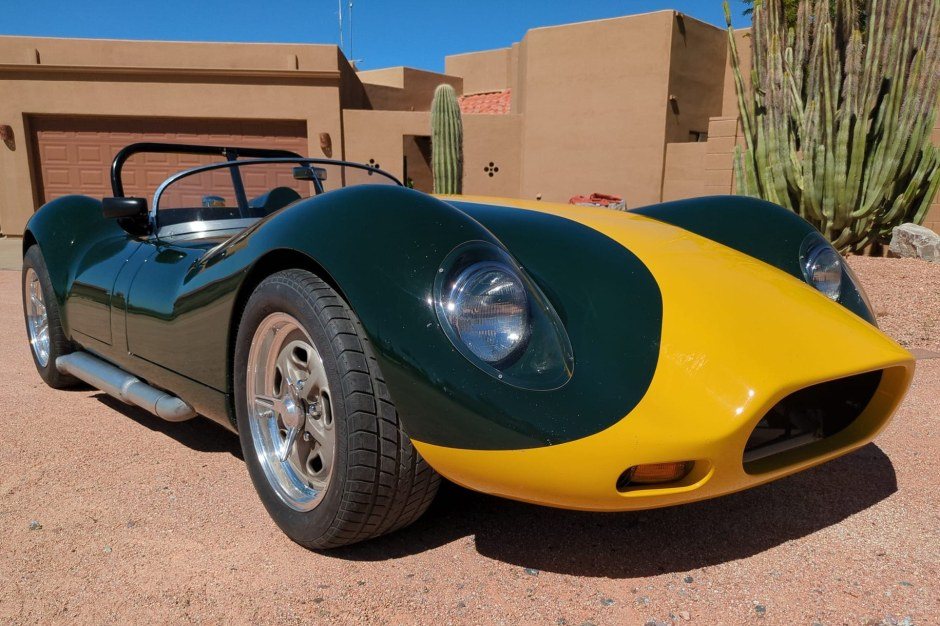
Beck-Built Lister-Chevrolet Knobbly Re-Creation Heads to Market
Economy 39
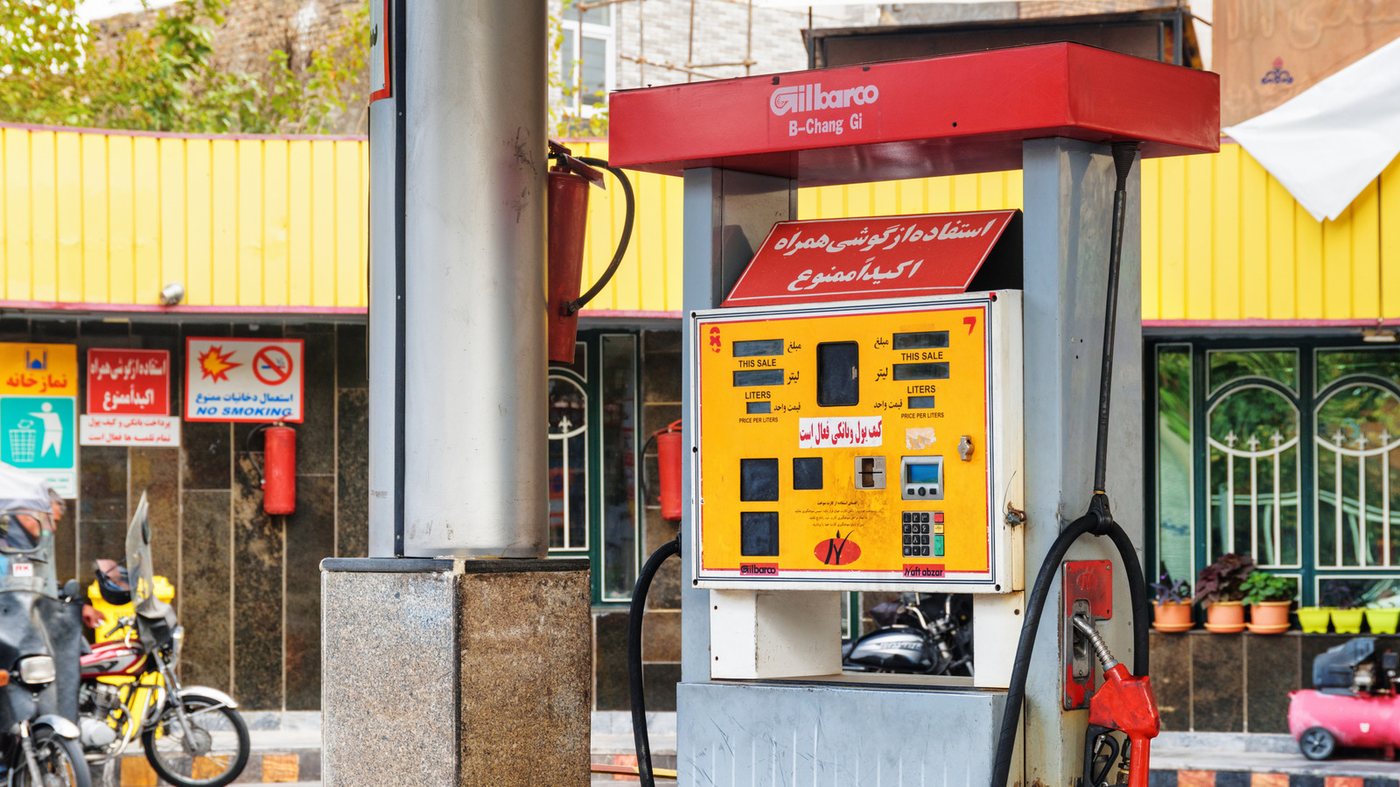
Countries Where Petrol Sells for Under $2 a Gallon
News 151
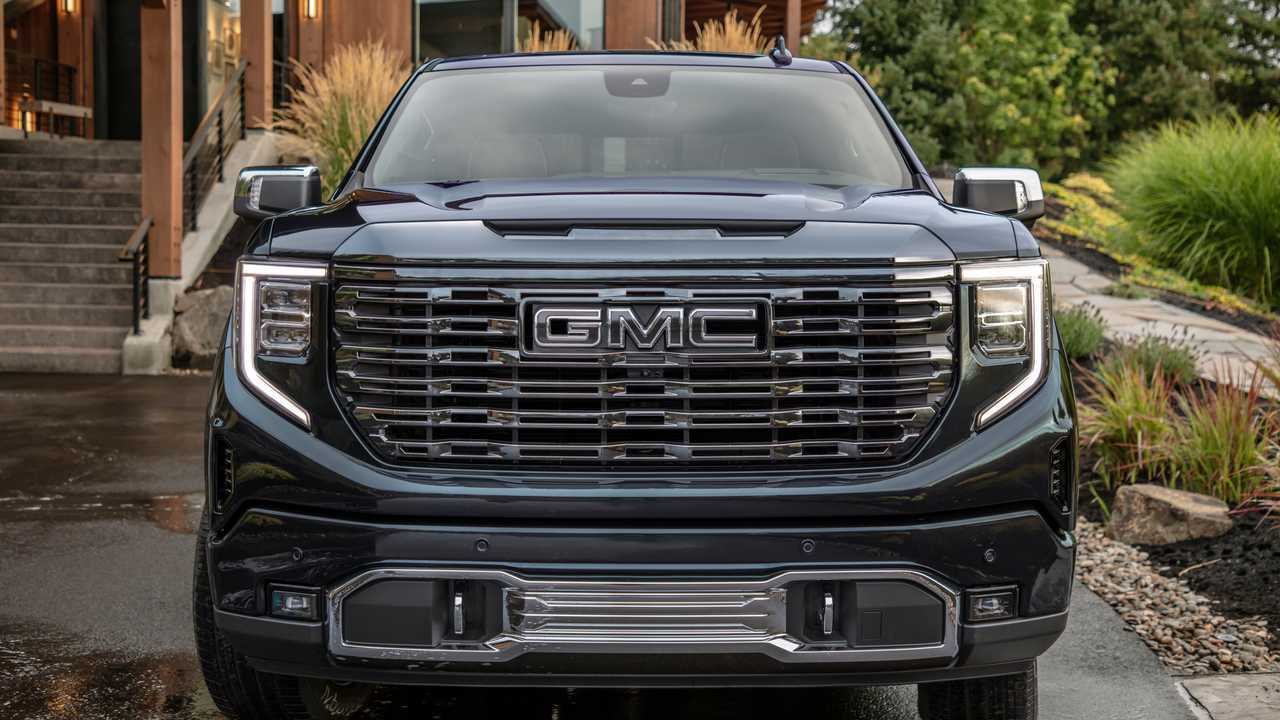
US Safety Agency Investigates 535,000 GMC Sierra Trucks Over Grille Deflector Fau…
Politics 113
Trump Appoints Barbera Thornhill to Lead US Anti-Trafficking Office
Sports 270
Wrexham to Host West Bromwich Albion in October Clash
Technology 285
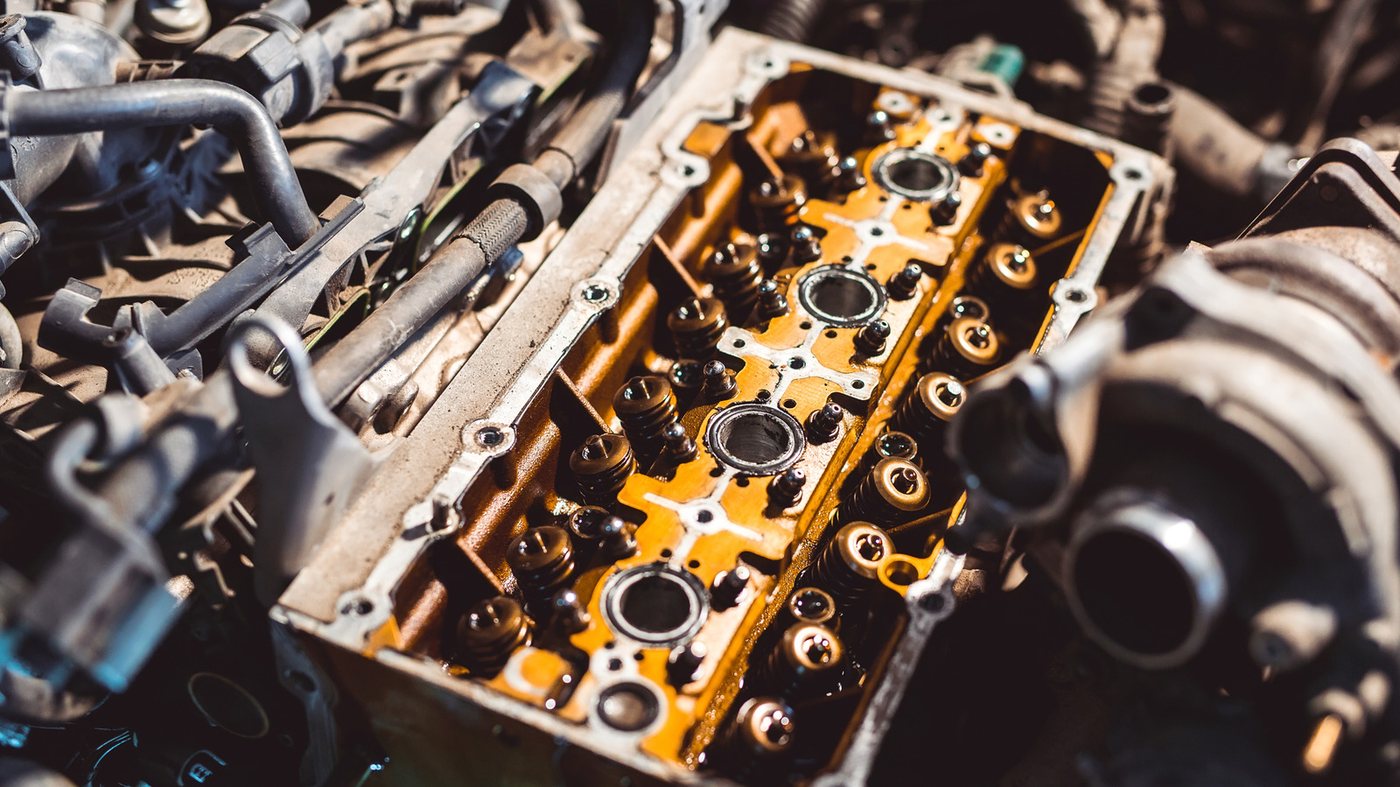
Higher Compression Ratios Deliver More Power and Better Fuel Economy
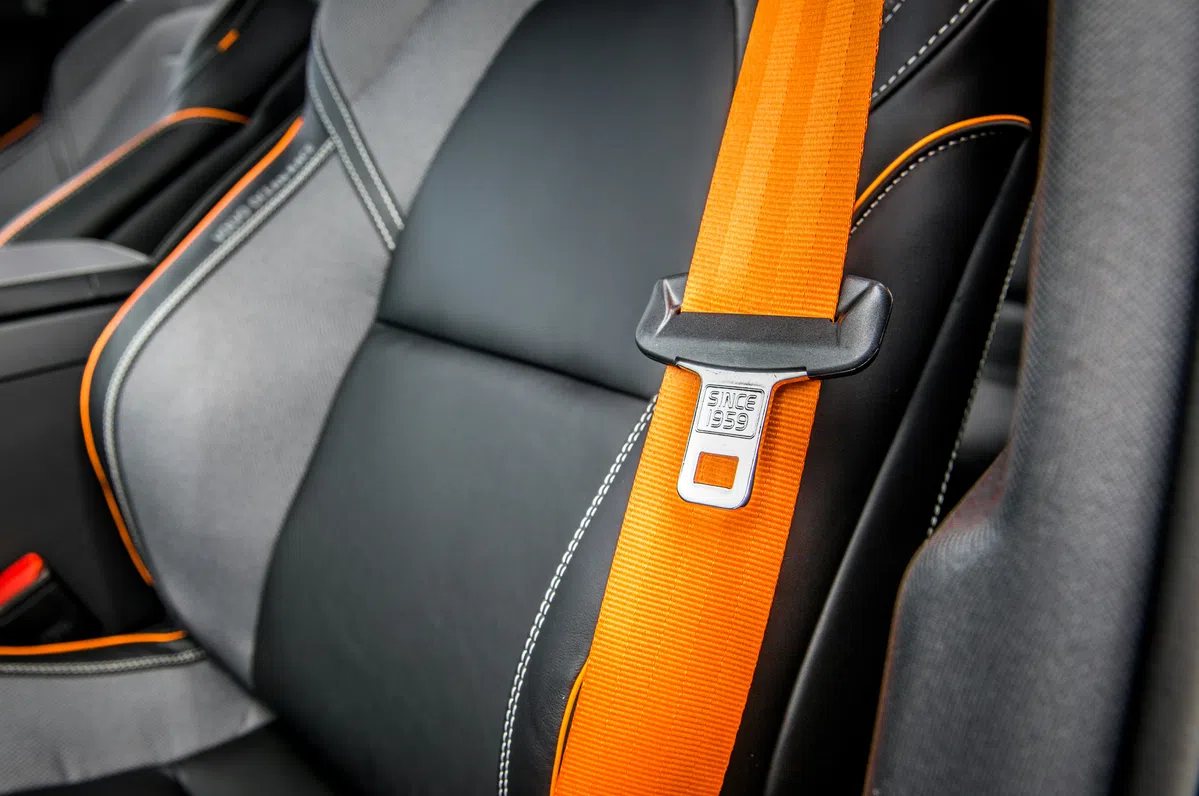
German automotive supplier ZF Lifetec is developing new sensor technology that can detect whether a driver's seatbelt is properly positioned, moving beyond simple buckle detection to monitor actual belt placement across the occupant's body.
By George Kensington · 4 min read
German automotive technology supplier ZF Lifetec is developing a new generation of seatbelt monitoring systems capable of detecting not just whether a belt is fastened, but whether it is being worn correctly across the occupant's body. The technology represents a significant advance on the simple buckle sensors that have been standard in cars for decades.
Current seatbelt reminder systems rely on a switch in the buckle mechanism. If the belt is clicked into place, the car assumes the occupant is properly restrained and the warning chime falls silent. This approach has a well-known weakness: drivers who wish to silence the alert can simply buckle the belt behind their back or sit on the buckle itself, leaving themselves effectively unrestrained while the car registers no fault.
The new system from ZF Lifetec is designed to close that loophole. By monitoring the actual path of the belt across the occupant, the technology can identify when a belt is routed incorrectly — for example, passing behind the body rather than across the chest and lap. The car would then be able to issue a warning or take other appropriate action.
The development reflects a broader trend in vehicle safety systems, which are becoming increasingly proactive rather than merely reactive. Modern cars already use cameras and radar to monitor the road ahead, detect driver fatigue and, in some cases, intervene in steering and braking. Extending that vigilance to the occupants themselves is a logical next step.
Seatbelts remain the single most effective safety device in a vehicle, credited with saving hundreds of thousands of lives since their widespread adoption. Yet their effectiveness depends entirely on correct use. An incorrectly worn belt can cause severe internal injuries in a crash or allow the occupant to slip out of position entirely. By verifying proper placement, ZF Lifetec's technology aims to ensure that the protection a belt is designed to provide is actually delivered.
The company has not announced which vehicle manufacturers will adopt the system or when it will reach production models. ZF Lifetec is a division of the German automotive supplier ZF Friedrichshafen, which specialises in passive safety systems including airbags, seatbelts and steering wheels. The company has been investing in sensor technologies that can classify occupant position and posture, work that underpins both advanced airbag deployment strategies and the new belt-monitoring capability.
Regulatory pressure is also likely to play a role in the adoption of such systems. European vehicle safety regulations have been tightened in recent years, with requirements for advanced driver assistance systems and occupant protection becoming more stringent. A technology that can verify correct belt use fits naturally into that framework.
For drivers, the change may be subtle but meaningful. The familiar routine of getting in, buckling up and starting the car will remain, but the car itself will take a more active interest in whether that routine has been performed properly. The days of defeating the seatbelt reminder with a simple trick may be numbered.
ZF Lifetec has not disclosed a timeline for bringing the technology to market, and it remains unclear which manufacturers will be first to offer it. What is clear is that the humble seatbelt, a fixture of car interiors for more than half a century, is about to become considerably more intelligent.
5