
Business 203
Seven Cars With Lease Deals Under £300 a Month
In this issue
Business 203
Seven Cars With Lease Deals Under £300 a Month
Culture 235
Golden Era Honda Collection Heads to Auction
Economy 38
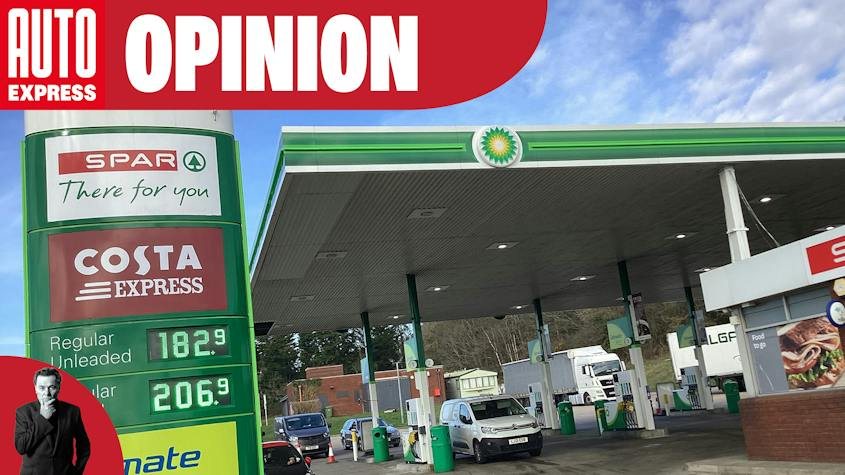
Diesel at Nearly £11 a Gallon Prompts Calls for VAT Cut at the Pumps
News 149
Weekly Exercise Linked to Slower Memory and Movement Decline in Parkinson's Patie…
Politics 111
Trump Names Katie Zacharia as White House Press Secretary
Sports 266
Arsenal to Host Leeds United in Premier League Clash
Technology 267
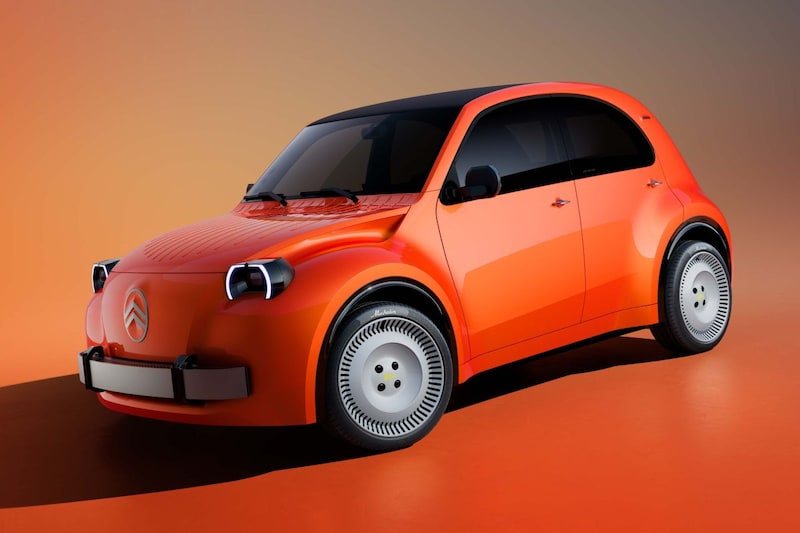
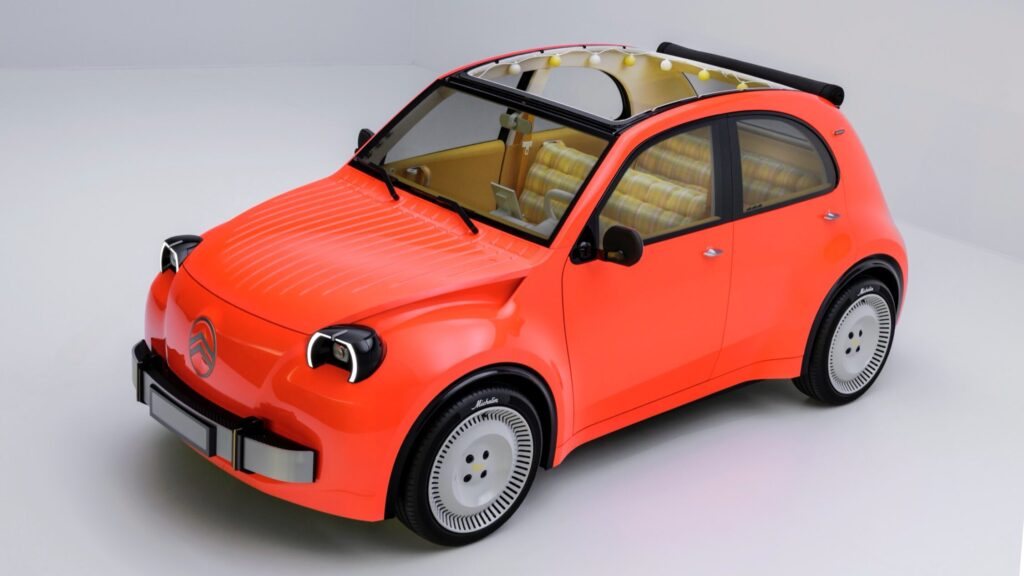
Citroën Revives the 2CV as an Electric Car for 2028
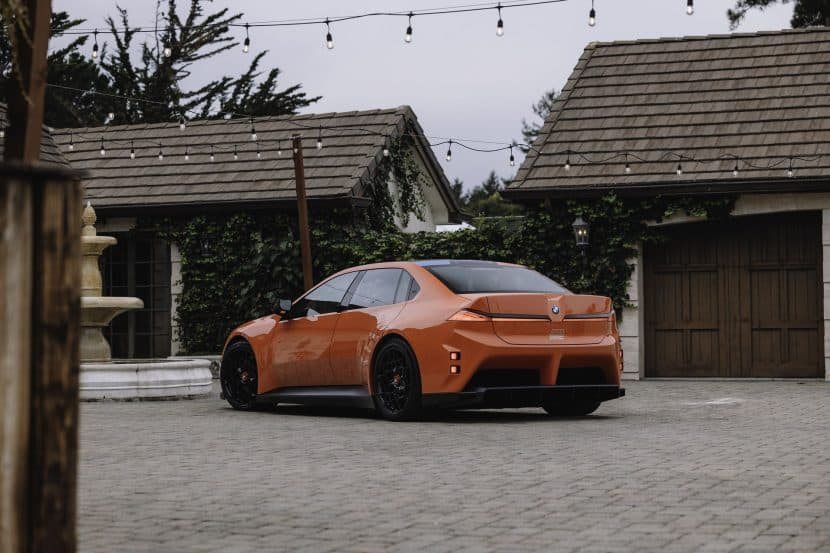
BMW M boss Frank van Meel says the upcoming electric M3 is being built because it can deliver a better car, not to meet emissions rules. The ZA0 arrives next year alongside a future combustion M3.
By Edward Beaumont · 3 min read
BMW M is preparing to launch its first fully fledged electric M car, the M3 ZA0, and the division’s boss has made clear the decision was driven by engineering conviction rather than regulatory pressure. Frank van Meel told Motor1 Deutschland that BMW is not building the electric M3 because it has to, but because the company believes an electric drivetrain will allow it to create a faster and better car than previous generations.
“We’re not doing this because we have to, but because we’re convinced that it allows us to build a fast and even better car. The timing, however, has to be right. It will only work if we can do it 100 percent the way we want to,” van Meel said. The comments address a question that has lingered since BMW began selling M-badged electric models five years ago, starting with the i4 M50. Those cars, van Meel implied, were not true M products. The M3 ZA0 will be different, carrying full M credentials when it goes on sale next year.
The electric M3 is not intended as a replacement for the combustion model. The current G80 generation will bow out in 2027, but the ZA0 will be joined by a true successor in 2028, codenamed G84, which is expected to use a mild-hybrid version of the twin-turbo 3.0-litre inline-six S58 engine, paired exclusively with an automatic transmission and all-wheel drive. Munich has not confirmed full details, but the plan is to offer both powertrains side by side.
The ZA0 itself will swap the internal combustion engine for a quad-motor setup with one electric motor per wheel and a dedicated M battery pack with more than 100 kWh of usable energy. It will be able to decouple the front axle for a pure rear-wheel-drive experience, mirroring the 2WD mode found in the current combustion M3 Competition xDrive. BMW has also abandoned the idea of pumping artificial engine noises through the speakers, despite having recorded sounds from its inline-six, V8 and V10 engines. Simulated gear changes, however, are still planned, with the M division viewing them as necessary rather than a gimmick.
The electric M3 is just the beginning of a broader push. The X3 M is expected to return next year with the same quad-motor electric setup, and BMW is reworking its CLAR architecture to support full-fat M models without combustion engines. The next X5 M, already spotted testing, should lead the way when it arrives in 2028 alongside a V8-powered version. Van Meel said the goal is to give buyers a choice rather than force a transition: “We don’t decide for our customers what they should drive. We want to build cars that we love ourselves, whether they’re electric or have internal combustion engines. Customers can choose whichever they prefer.”
59