Business 199
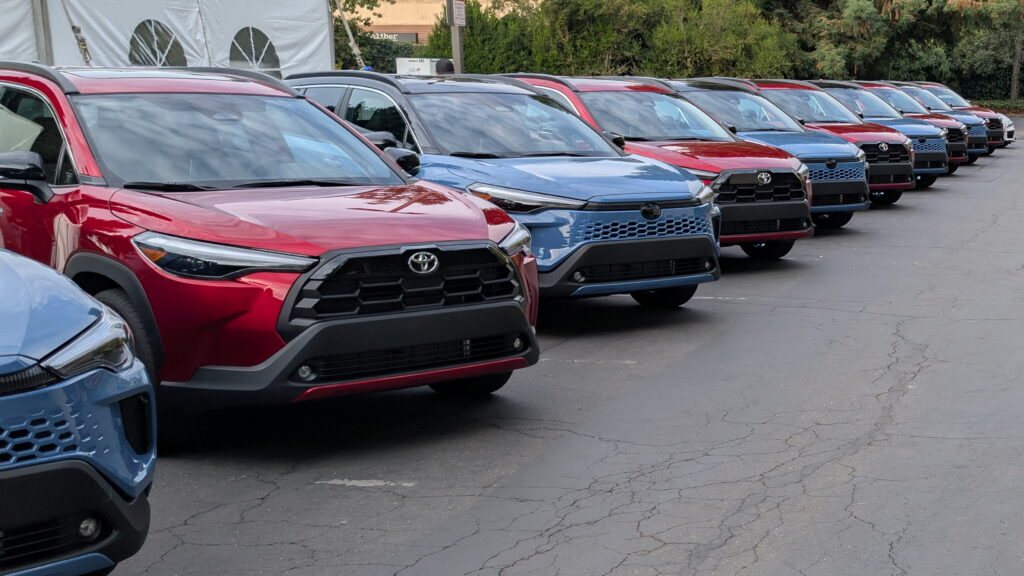
Honda Elevate Facelift Brings Rugged Styling and Ventilated Seats to India
In this issue
Business 199
Honda Elevate Facelift Brings Rugged Styling and Ventilated Seats to India
Culture 216
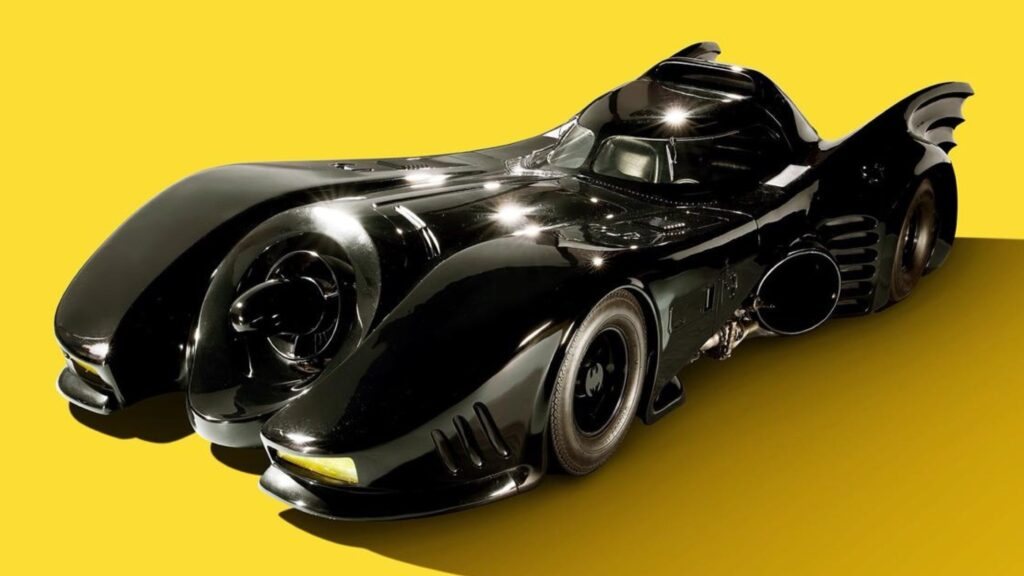
Batmobile from Batman Returns heads to auction with $7m estimate
Economy 37
Russia's EV Share Overtakes US as Fuel Shortages Bite
News 148
California Grants Three-Day Return Right on Used Cars
Politics 110
Trump Urges Republicans to Vote by Mail After Years of Criticising the Practice
Sports 262
West Ham United to Host Queens Park Rangers in October 2026 Championship Fixture
Technology 249
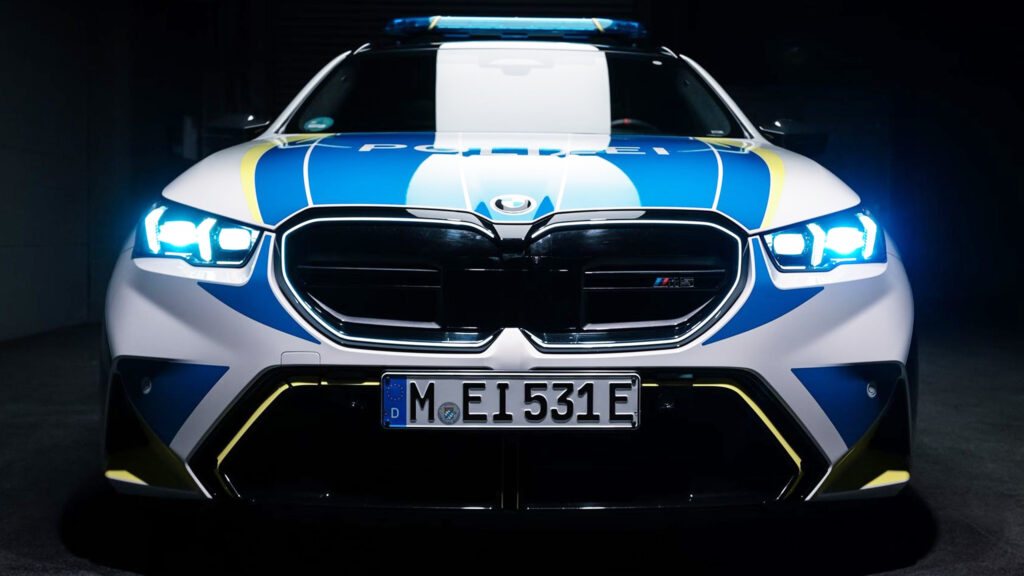
BMW Builds One-Off M5 Touring Police Car With 717bhp Hybrid V8
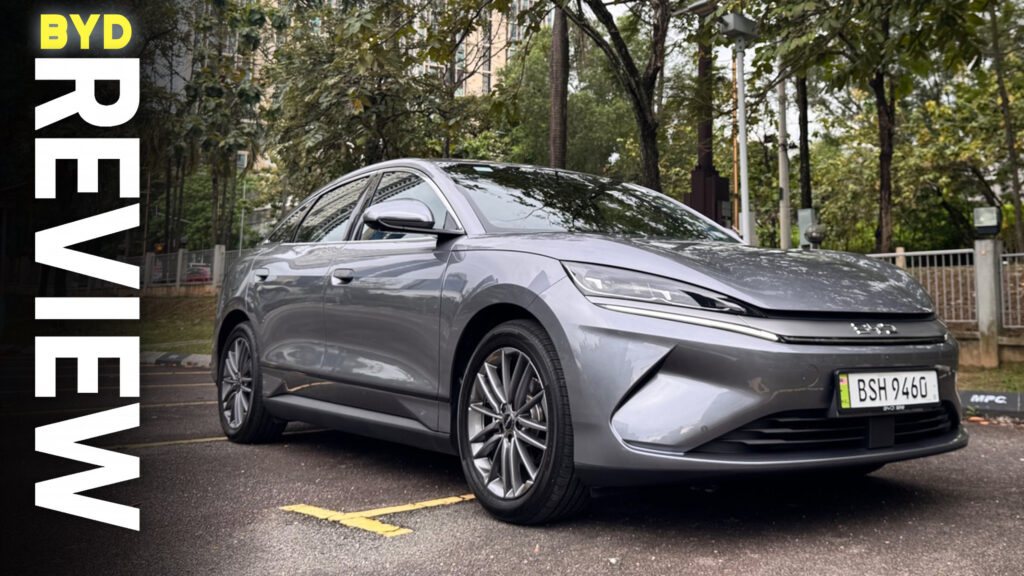
The BYD Seal 6 Premium delivers solid build quality, rear-wheel drive and generous equipment at a keen price, but its bland dynamics and modest performance keep it from standing out in a crowded EV market.
By Eleanor Ellington · 5 min read
BYD's expanding model range has brought another electric sedan to market, the Seal 6, and a first review suggests it is a thoroughly competent machine that stops short of being memorable. Tested in Malaysia in range-topping Premium form, the car positions itself as a more affordable alternative to the brand's existing Seal sedan, which competes in a higher segment.
The naming strategy is not straightforward. The Seal 6 sold in Malaysia is known in China as the Qin L EV and sits within BYD's Dynasty line rather than the Ocean Aesthetics family that gave the original Seal its name. A separate Seal 6, offered with electric and plug-in hybrid powertrains and even a wagon body style, is also being rolled out internationally, meaning buyers may encounter two different cars wearing the same badge.
What the Malaysian-market Seal 6 Premium offers is a 56.64 kWh battery feeding a single rear-mounted motor producing 160 kW, equivalent to 215 bhp, and 330 Nm of torque. That is enough for a claimed 0-62 mph time of 7.5 seconds and a range of 485 km on the NEDC cycle. A base Dynamic variant makes do with 94 kW and a considerably slower 10.9-second sprint, making the Premium the more sensible choice for drivers who want usable performance.
The rear-wheel-drive layout is a notable point in the car's favour. Most electric vehicles in this class adopt front-wheel drive for packaging reasons, but the Seal 6's configuration allows for a 65-litre front boot that is waterproof and large enough for a 20-inch carry-on case. Boot space stands at 460 litres, a genuinely useful figure for a family sedan.
Inside, the cabin avoids feeling cheap despite BYD positioning the model below its plusher offerings. Soft-touch materials feature throughout, and the car is assembled with a solidity that the reviewer notes is increasingly typical of Chinese manufacturers. Standard equipment includes an eight-way powered driver's seat with ventilation, a four-way powered passenger seat, a panoramic sunroof, wireless phone charging, ambient lighting and an eight-speaker audio system.
Technology provision is generous. An 8.8-inch digital instrument cluster sits ahead of the driver, paired with a 12.8-inch central touchscreen supporting wireless Apple CarPlay and Android Auto. Unlike some BYD models, the screen does not rotate, though the landscape orientation is judged to work well. Bluetooth and NFC digital key functions are included, and a full suite of advanced driver assistance systems comes as standard across both variants, covering adaptive cruise control with traffic jam capability, lane centring, blind spot monitoring, automatic emergency braking and rear cross-traffic alert.
The driving experience is where the Seal 6 loses some shine. The rear-wheel-drive chassis gives a natural balance when accelerating out of corners, but the steering is criticised for offering almost no feedback, leaving the driver disconnected from the road. The reviewer describes the sensation as akin to the wheel being connected by Bluetooth, a vivid illustration of how isolated the car can feel.
For most buyers in this segment, that will not matter. The Seal 6 is aimed at motorists who want an affordable electric sedan and are content to embrace the technology without demanding a sporting character. On that measure, it delivers. It is well built, generously equipped and priced as an accessible entry point to electric motoring.
Yet the verdict is one of adequacy rather than excellence. The car is not as plush as other BYD models, its performance is modest by current electric standards and its dynamics are unlikely to excite. In a market filling rapidly with accomplished electric sedans, the Seal 6 does enough to satisfy practical needs but gives few reasons to choose it over rivals beyond its price and equipment list.
6