
Business 202
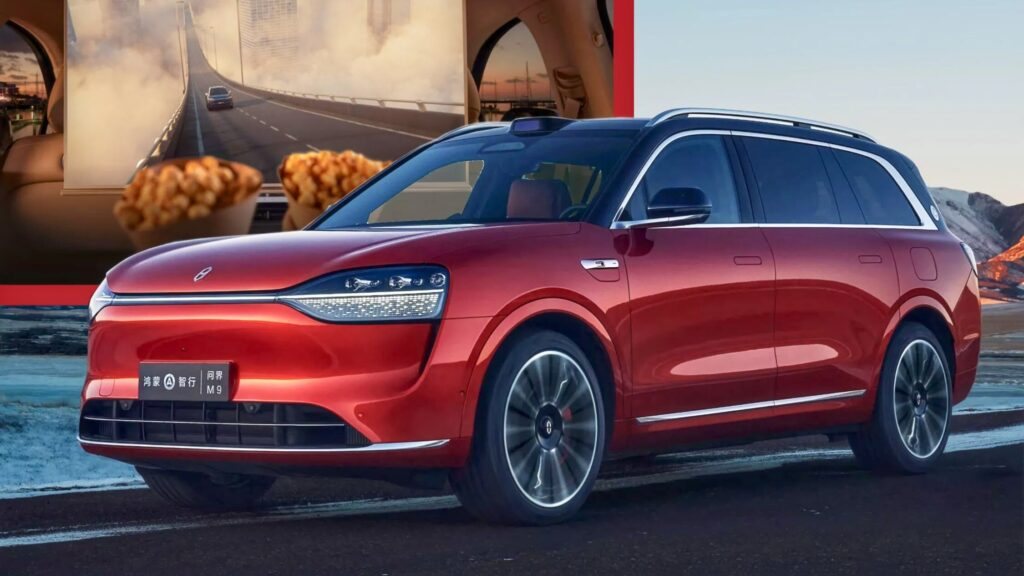
Seven Cars With Lease Deals Under £300 a Month
In this issue
Business 202
Seven Cars With Lease Deals Under £300 a Month
Culture 235
Golden Era Honda Collection Heads to Auction
Economy 38
Diesel at Nearly £11 a Gallon Prompts Calls for VAT Cut at the Pumps
News 149
Weekly Exercise Linked to Slower Memory and Movement Decline in Parkinson's Patie…
Politics 111
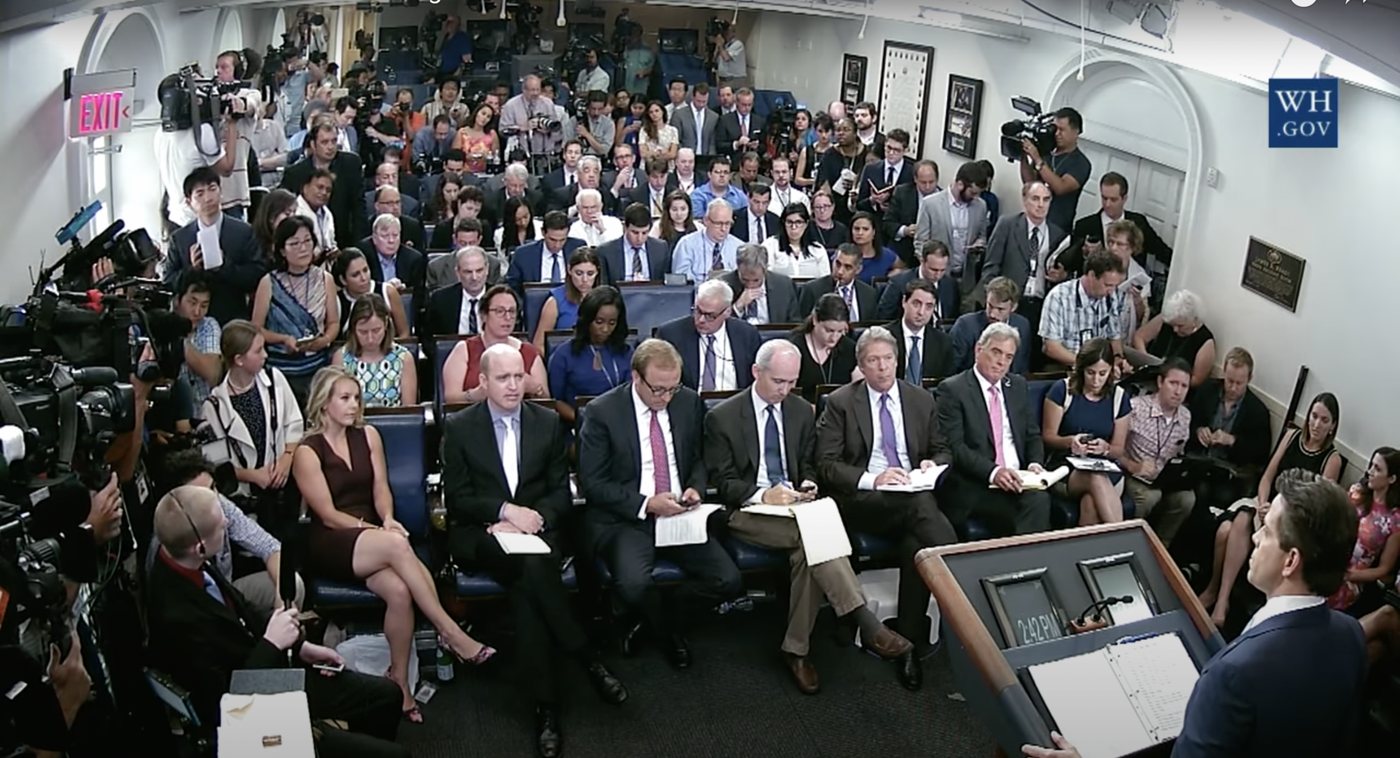
Trump Names Katie Zacharia as White House Press Secretary
Sports 266
Arsenal to Host Leeds United in Premier League Clash
Technology 265
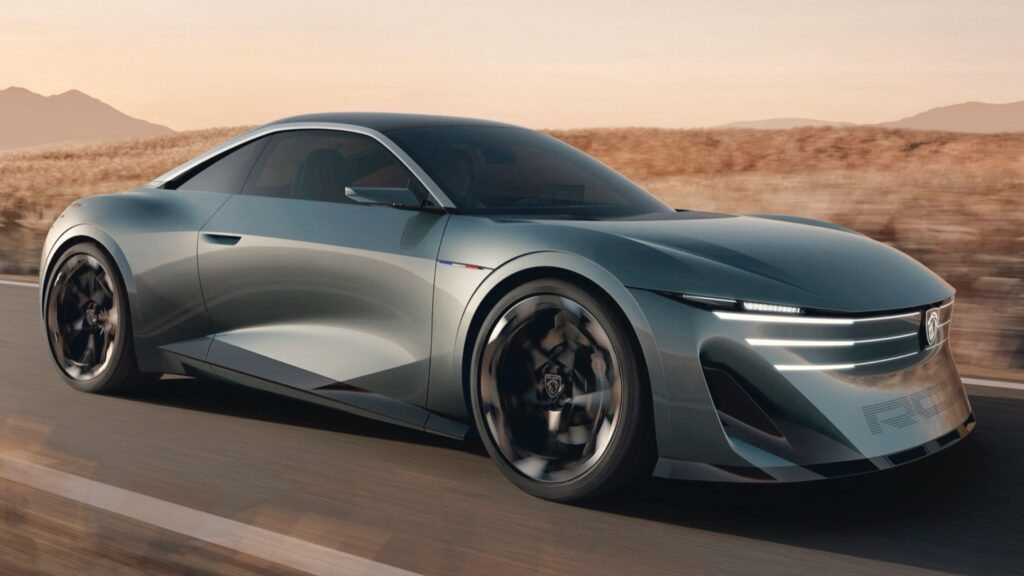
Peugeot Revives RCZ as Electric Coupe Concept With 10-Minute Charging
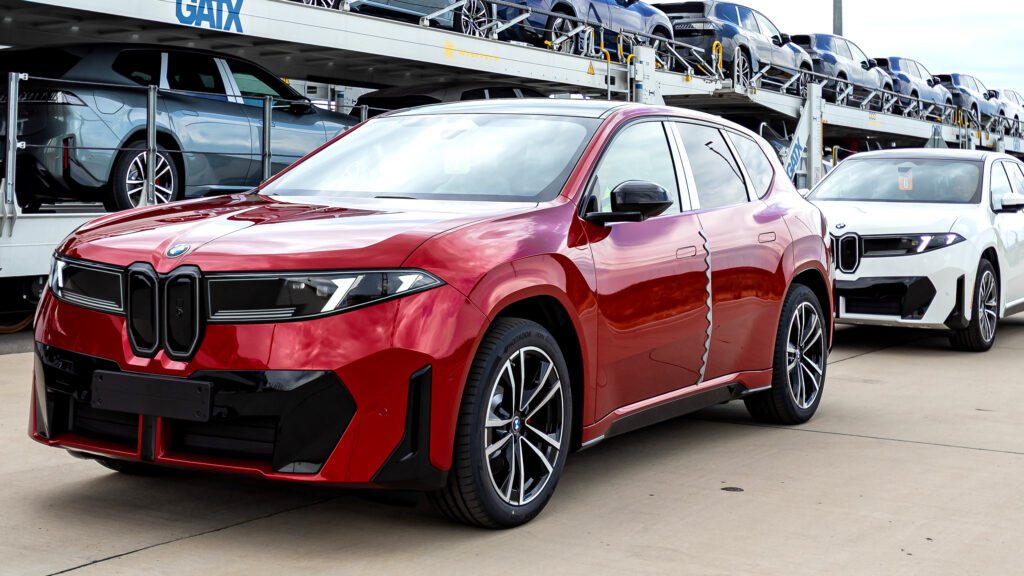
BMW Group has passed the two-million mark for fully electric vehicle deliveries, driven by strong European demand. The milestone comes as the company's new iX3 approaches 100,000 orders, while US electric sales continue to struggle after the removal of federal tax incentives.
By Edward Beaumont · 4 min read
BMW Group has delivered its two millionth fully electric vehicle, a landmark reached almost 13 years after the original i3 first went on sale. The milestone car, an i5 M60 xDrive built at the Dingolfing plant in Germany, has been handed over to a customer in Spain. Including plug-in hybrids, the company says it has now shifted around 3.5 million electrified vehicles since 2013, with more than one in four of its global sales in the first half of 2026 featuring some form of electric propulsion.
The pace of growth has accelerated sharply. BMW needed roughly 11 years to sell its first million electric cars, but took only two years to add the second million, a figure that includes vehicles from MINI and Rolls-Royce. The company is now scaling up production to meet demand, running double shifts at its Debrecen plant in Hungary, where it exclusively builds the standard-wheelbase iX3. From 2027, the electric crossover will also be assembled at the San Luis Potosí plant in Mexico.
Europe is proving to be the main engine of growth. BMW's European battery-electric vehicle sales jumped 38 percent in the second quarter to 81,445 cars, with fully electric models accounting for roughly 28 percent of the company's European sales in the first half of the year. The wider market is moving in the same direction: almost 1.5 million battery-electric vehicles were registered across Europe through July, up 30 percent year on year. In July alone, electric cars took 35 percent of the French market and 29 percent in Germany, while Denmark reached 80 percent.
The new iX3 appears well placed to capitalise on this momentum. BMW says it is approaching 100,000 orders for the model, and since its unveiling, one in three electric BMWs ordered in Europe has been an iX3. Half of all European orders for the X3 family are already for the electric version. The Neue Klasse family is expanding further: series production of the new electric i3 sedan began in Munich this month, with BMW reporting strong early demand and launching a First Edition earlier than planned. A more practical i3 Touring will follow next year, and the new X5 will gain an electric variant for the first time, arriving in showrooms in spring 2027.
The picture across the Atlantic is markedly different. US electric vehicle sales across the industry fell more than 20 percent year on year in the second quarter following the removal of federal tax incentives, leaving EVs with around a 6 percent share of the market. BMW's own figures show North American sales of electrified vehicles dropped 18.1 percent in the second quarter, even as plug-in hybrid sales grew 22.9 percent. Sales of the iX electric SUV are down almost 50 percent year to date, and Cox Automotive estimates BMW's overall EV sales in the US have fallen 56 percent this year. A recent facelift and price cut for the iX may help going forward, and the arrival of the iX3 in September, followed by the iX5, is expected to improve the company's electric offering in the region. But for now, the electric story remains a tale of two very different markets.
63