Business 199
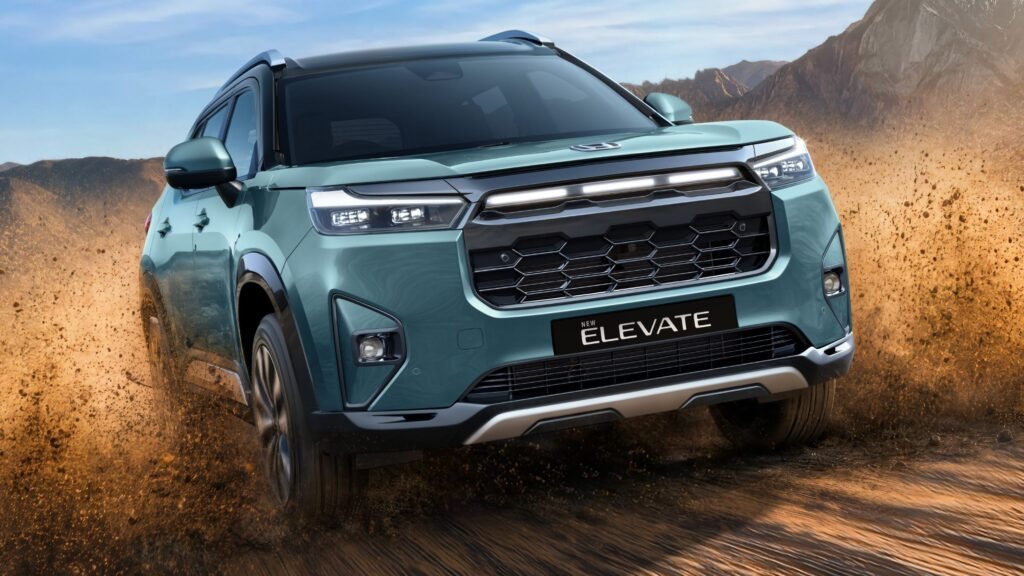
Honda Elevate Facelift Brings Rugged Styling and Ventilated Seats to India
In this issue
Business 199
Honda Elevate Facelift Brings Rugged Styling and Ventilated Seats to India
Culture 217
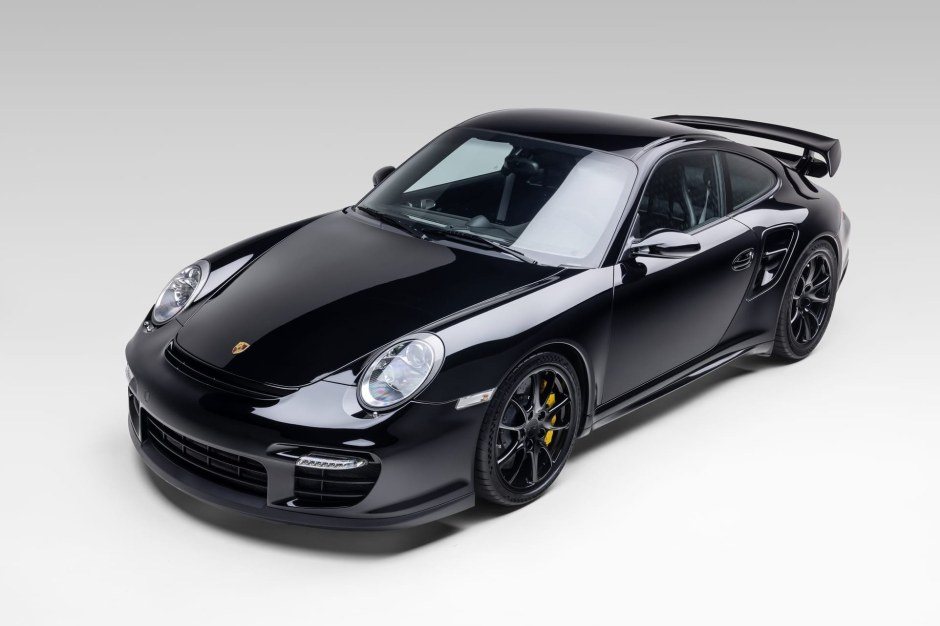
2008 Porsche 911 GT2 with 26k Miles Heads to Auction in California
Economy 37
Russia's EV Share Overtakes US as Fuel Shortages Bite
News 148
California Grants Three-Day Return Right on Used Cars
Politics 110
Trump Urges Republicans to Vote by Mail After Years of Criticising the Practice
Sports 263
Manchester City Appeal Against Premier League Verdict as Sanctions Loom
Technology 251
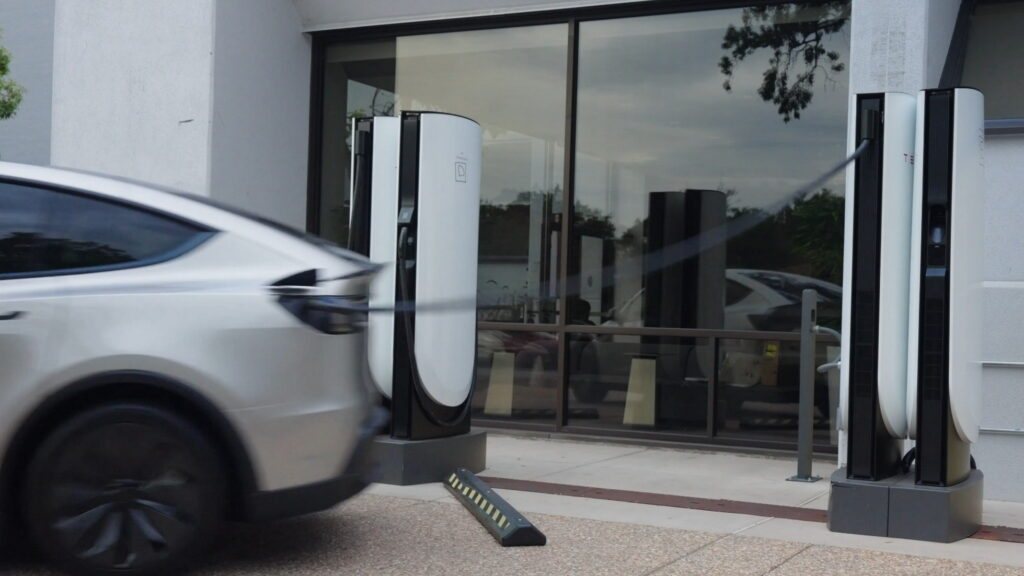
Tesla Adds Emergency Drive Away Feature That Lets Cars Leave While Plugged In
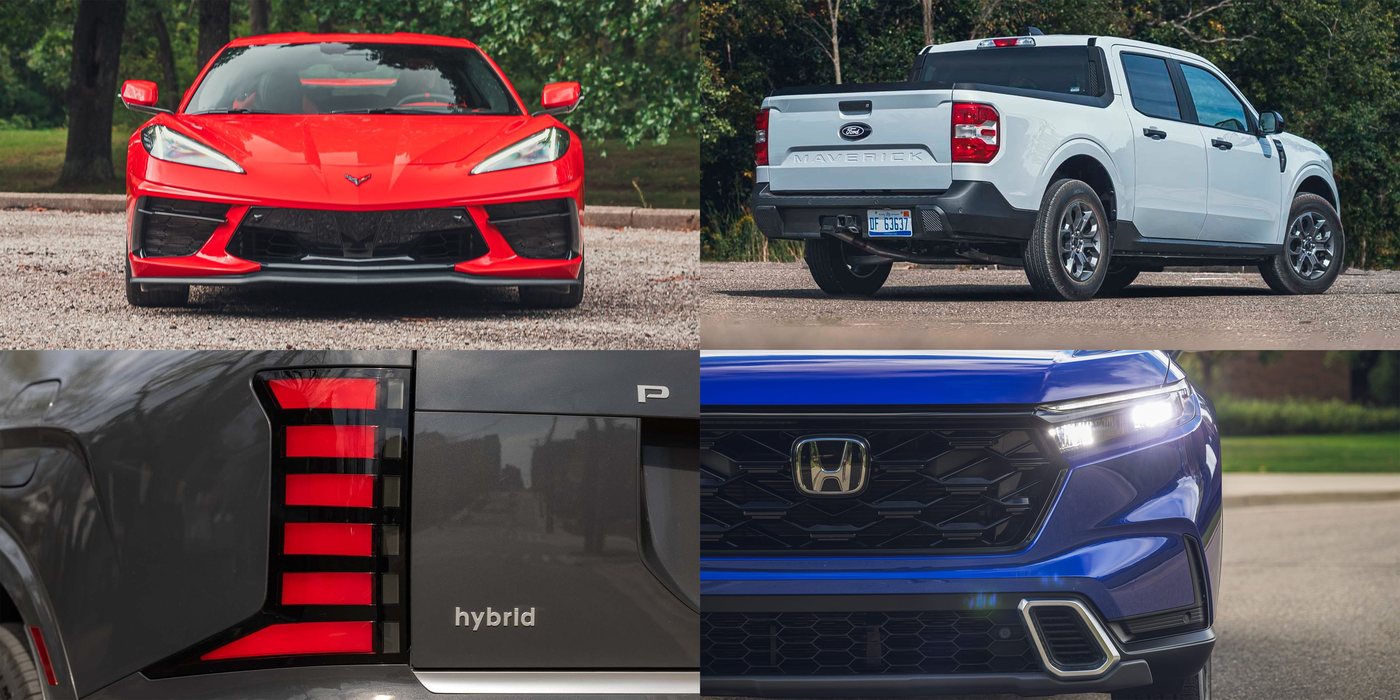
A comparison of seven popular sedans, trucks, sports cars and SUVs concludes that hybrid versions are the better choice in most cases, though petrol models retain an edge on purchase price and in some performance applications.
By Edward Beaumont · 5 min read
Hybrid versions of Britain's most popular cars are the better buy in most cases, according to a detailed comparison of seven models spanning saloons, pick-up trucks, sports cars and SUVs. The analysis weighed the two factors that matter most to private buyers — fuel economy and upfront cost — and concluded that the hybrid powertrain wins on the majority of the vehicles examined, though not all of them.
The central trade-off is familiar to anyone who has configured a new car in recent years. Hybrids deliver markedly better fuel economy, particularly in stop-start urban driving where regenerative braking and electric assistance do much of the work. Non-hybrid equivalents, by contrast, typically carry a lower sticker price, meaning buyers must weigh years of fuel savings against a smaller initial outlay.
That calculation has become more pressing in Britain as manufacturers broaden their hybrid line-ups ahead of stricter emissions rules. For many households, the decision now falls between a conventional petrol model and a hybrid variant of the same car rather than between petrol and a fully electric vehicle, which still carries higher purchase prices and charging considerations.
The review's verdict was not uniform. While hybrids were judged the smarter choice on most of the models assessed, the petrol option retained the advantage in certain cases — a reminder that the right answer depends on the specific vehicle, its intended use and how long the owner plans to keep it.
Among the categories covered, saloons and SUVs generally favoured hybrid power, where the technology's efficiency gains are most pronounced and buyers are most sensitive to running costs. Trucks and sports cars presented a more mixed picture, reflecting different priorities among their owners.
For sports cars, the appeal of a conventional engine is not solely financial. Enthusiast drivers often value the sound, response and lighter weight of a non-hybrid powertrain, factors that do not appear on a fuel-economy spreadsheet but weigh heavily in the showroom. Buyers in this segment are also typically less focused on long-term running costs than those shopping for a family SUV.
Pick-up trucks tell a similar story. These vehicles are frequently bought for their towing capacity and working capability, and hybrid systems can add complexity and cost without delivering the same proportional fuel savings that a lighter passenger car would enjoy. For owners who cover high mileages, however, the arithmetic can still tilt towards the electrified version.
The broader context is a market in which hybrid technology has matured from a niche curiosity into a mainstream option. Once confined to a handful of dedicated models, hybrid powertrains are now offered across almost every volume segment, from compact hatchbacks to large SUVs, often at a modest premium over the equivalent petrol car.
That premium has narrowed as production scales up and battery costs fall, shortening the payback period for buyers. Industry forecasts generally assume hybrids will account for a growing share of new car sales through the rest of the decade, acting as a bridge technology for motorists who are not yet ready to switch to a fully electric vehicle.
For British buyers, the practical implications are straightforward. A hybrid makes financial sense for those who cover significant mileage, spend time in town traffic or intend to keep the car for several years. A petrol model can still be the rational choice where the purchase price gap is wide, where the car is used infrequently, or where driving character matters more than economy.
The review's conclusion — that hybrids are the better pick on most, but not all, of the models examined — reflects that nuance. The decision ultimately rests less on the technology itself than on how the car will be used, and for how long.
5