Business 202
Seven Cars With Lease Deals Under £300 a Month
In this issue
Business 202
Seven Cars With Lease Deals Under £300 a Month
Culture 240
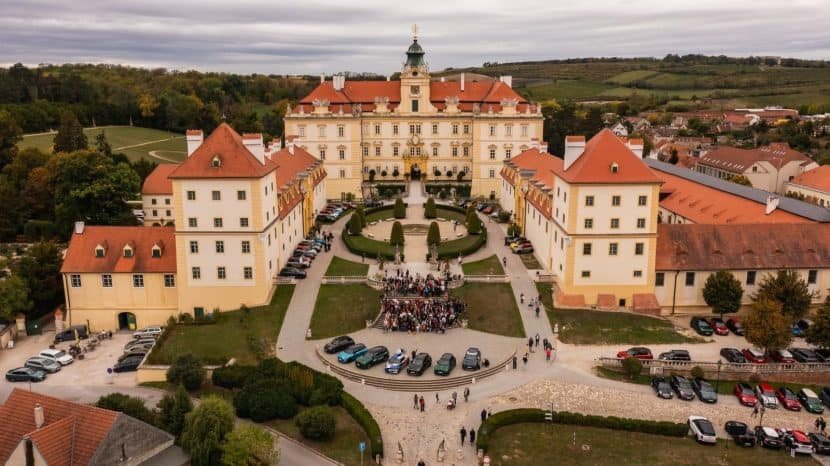
140 MINIs Gather at Czech Castle for Record Owners' Meet
Economy 39
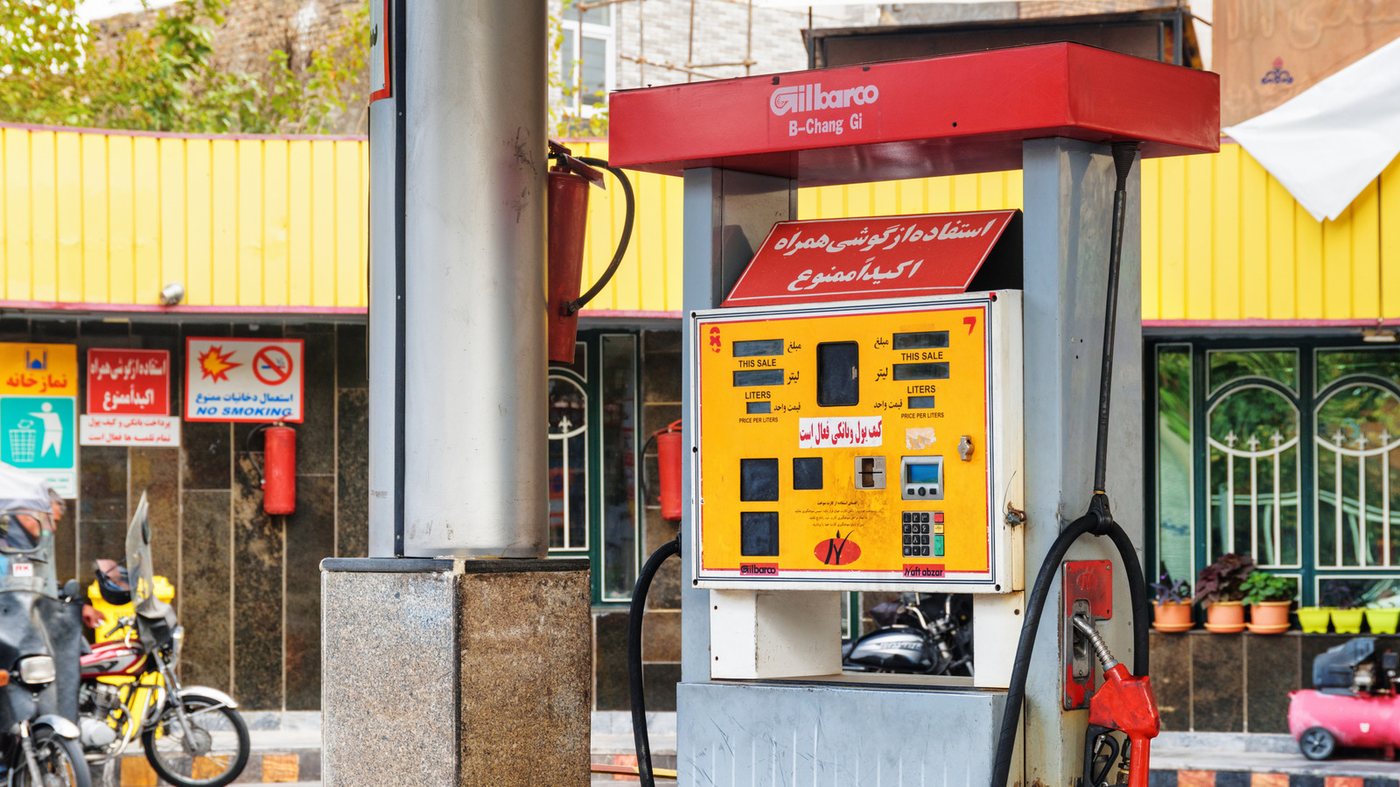
Countries Where Petrol Sells for Under $2 a Gallon
News 149
Weekly Exercise Linked to Slower Memory and Movement Decline in Parkinson's Patie…
Politics 112
Ulle Madise becomes Estonia's new president
Sports 267
Southampton and Portsmouth Set for Renewed South Coast Meeting
Technology 275
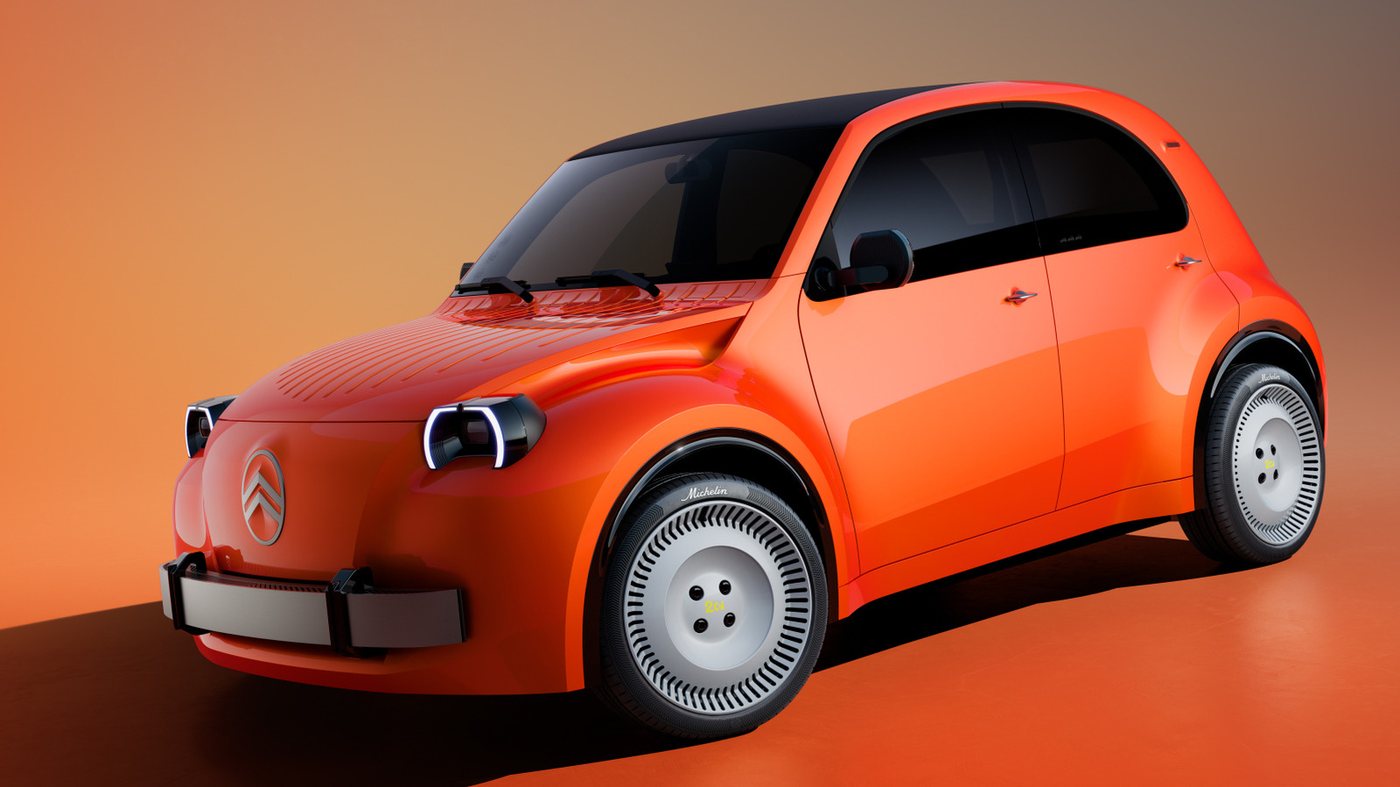
Citroën Confirms Electric 2CV for 2028 With €15,000 Target Price
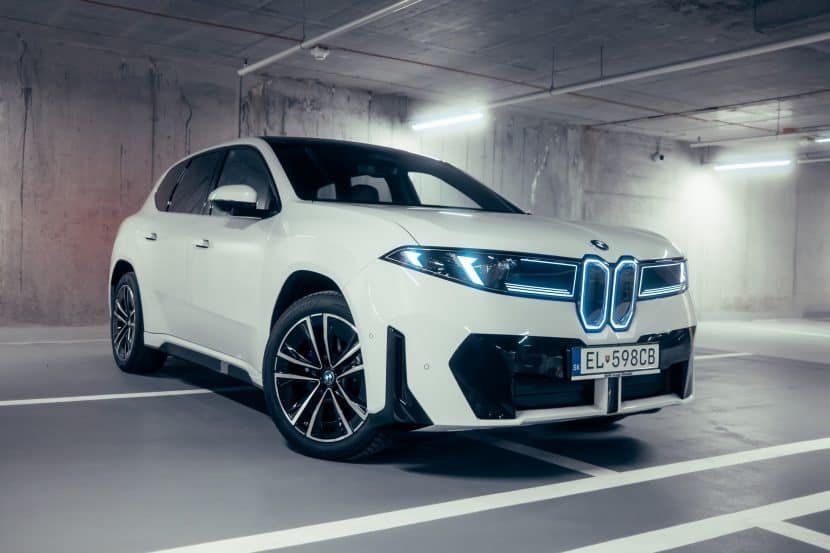
BMW's electric vehicles reached a record share of its European sales in the first half of the year, with the Neue Klasse models driving demand as the company expands its zero-emission lineup.
By Edward Beaumont · 3 min read
BMW has reported that electric vehicles accounted for approximately 28% of all cars it sold in Europe during the first six months of the year, a record share driven by strong demand for its new Neue Klasse models. The figures come as data from the European Automobile Manufacturers’ Association (ACEA) shows that EVs made up 22.2% of all cars sold across the 27 EU member states, along with the UK, Iceland, Liechtenstein, Norway, and Switzerland, during the same period.
The surge in BMW’s EV take rate is largely attributed to the iX3, the first modern-era Neue Klasse model, which the company says will soon reach 100,000 orders. Production of the iX3 began less than a year ago at BMW’s new Debrecen plant in Hungary, where more than 50,000 units have already been built. The i3, which went into production earlier this month in Munich, has also seen high demand, and together the two models are helping push electric vehicles to their highest-ever share of BMW’s European sales.
BMW’s electric success is not limited to the Neue Klasse models, as the company continues to sell a broad range of EVs based on older platforms, from the compact iX1 to the large i7. The lineup is set to expand further with the iX5, which recently joined the portfolio, and the iX4, expected to arrive in the coming weeks. Looking ahead to 2027, BMW plans to introduce the i3 Touring and a full-size iX7 SUV, with the iX6 rumoured for 2028, followed by the i1 hatchback and i2 sedan.
The company is also updating its existing electric models. The iX1 is reportedly skipping a mid-cycle facelift and heading straight to the next generation, with a possible switch to rear-wheel drive and cylindrical batteries. Spy shots have revealed a Neue Klasse-inspired exterior and a reworked interior built around the nearly buttonless iDrive X system. The iX2, meanwhile, is said to be receiving a Life Cycle Impulse in 2027, though it may retain its current UKL2 architecture rather than adopting the sixth-generation batteries and electric motors.
The updated i5, also due in 2027, is expected to benefit from BMW’s partnership with Rimac, following the i7 facelift. While it is unclear whether the i5 will adopt cylindrical cells like the larger electric sedan, the company is drawing on the Croatian firm’s battery expertise to deliver significant range improvements, potentially through higher energy density rather than a larger battery pack.
BMW’s EV push extends beyond launching new models, with the Neue Klasse ushering in a new generation of technology while existing EVs continue to evolve. With demand for electric cars growing across Europe, the company is betting that a broader range of increasingly capable EVs will help it maintain momentum. The EV take rate is expected to jump considerably once the more affordable i1 and i2 compact cars arrive toward the end of the decade.
57