Business 328
Electric BMW i3 Costs $4,400 Less Than Gas-Powered M350 in US
In this issue
Business 328
Electric BMW i3 Costs $4,400 Less Than Gas-Powered M350 in US
Culture 351
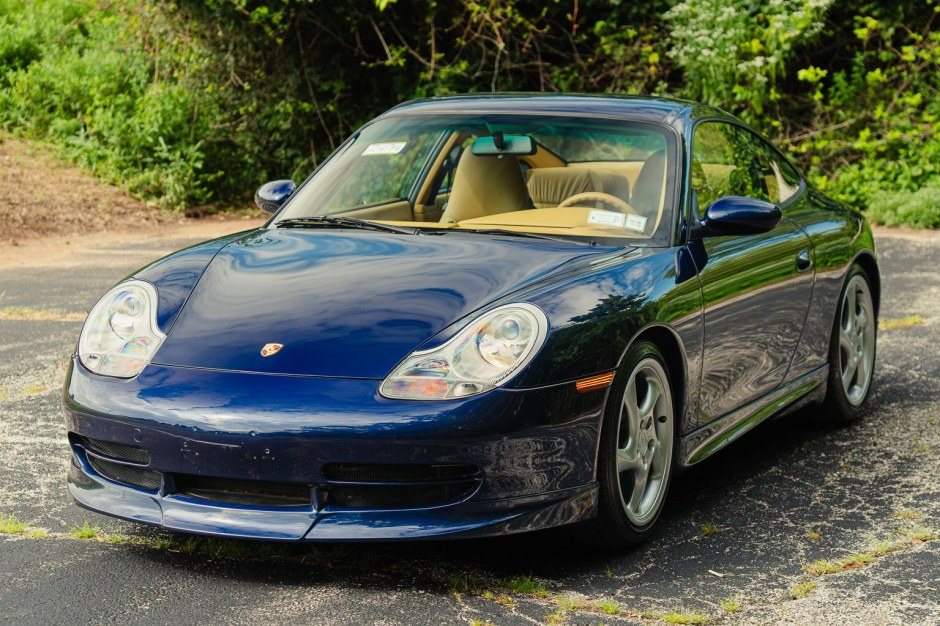
Dealer Lists 2001 Porsche 911 With 24,000 Miles at No Reserve
Economy 49
US Fuel Prices Hit Record High On Election Day
News 164
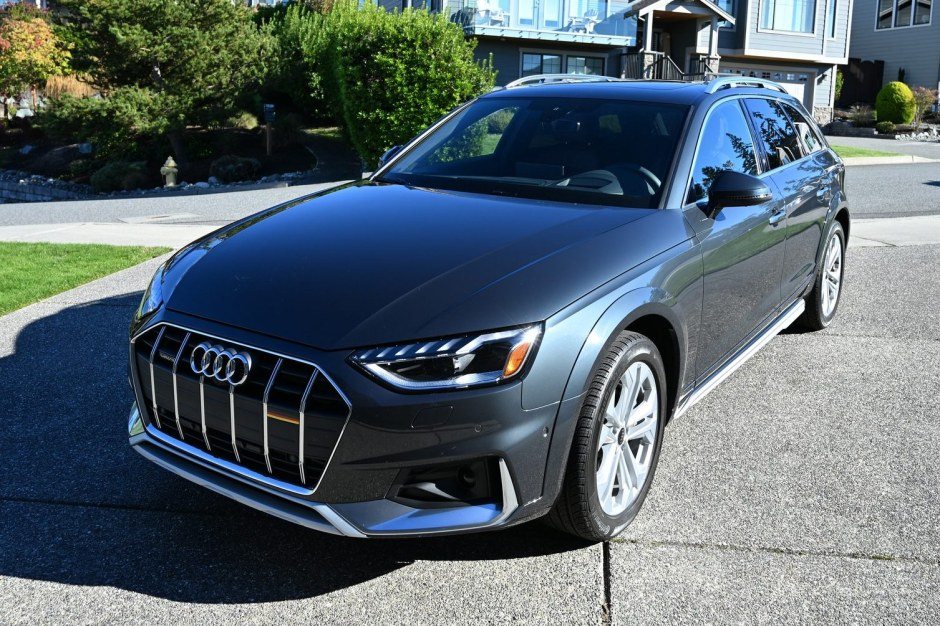
Owner sells near-new 2025 Audi A4 Allroad with just 8,000 miles
Politics 123
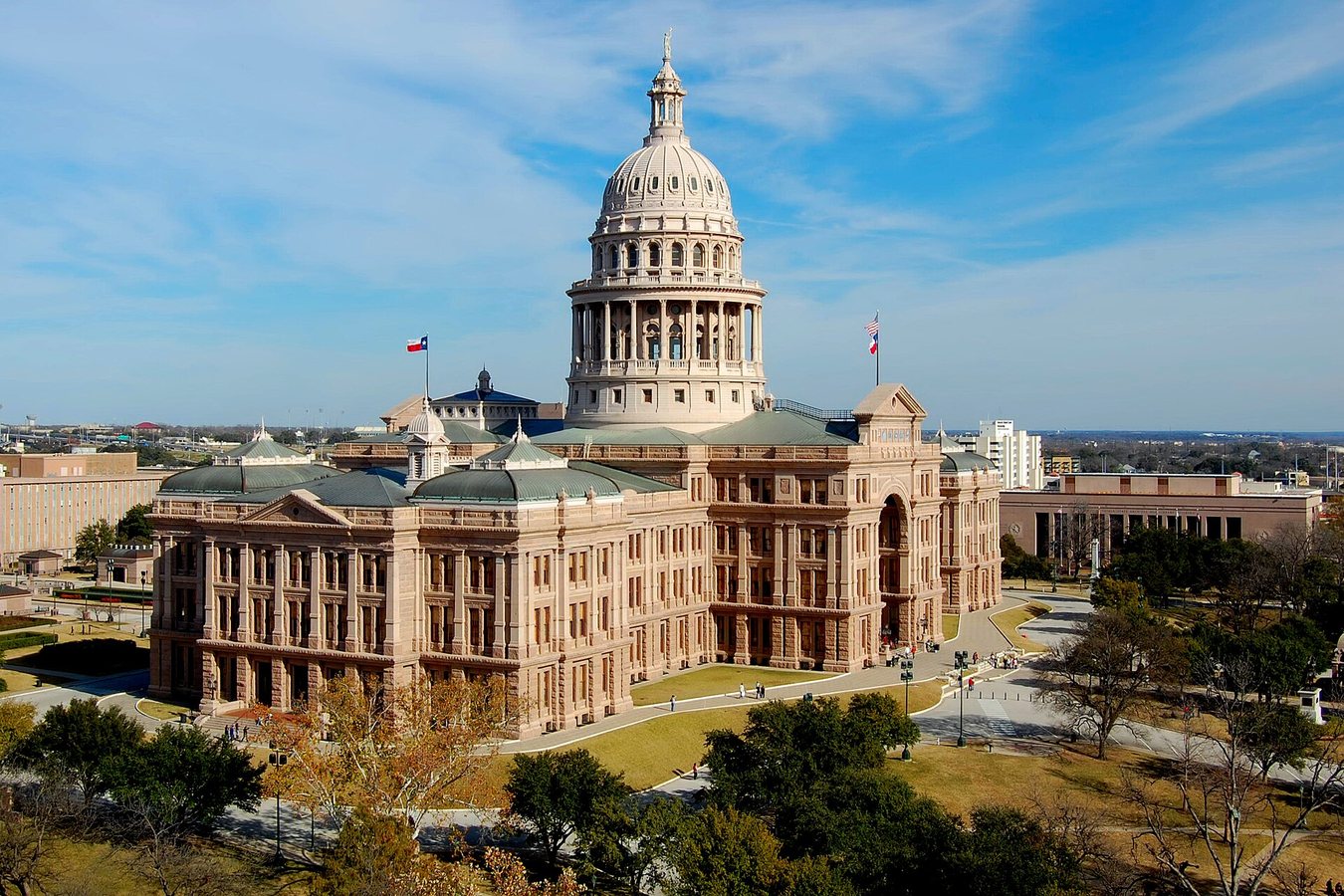
Democrat Gina Hinojosa Defeats Republican Greg Abbott in Texas Governor Race
Sports 297
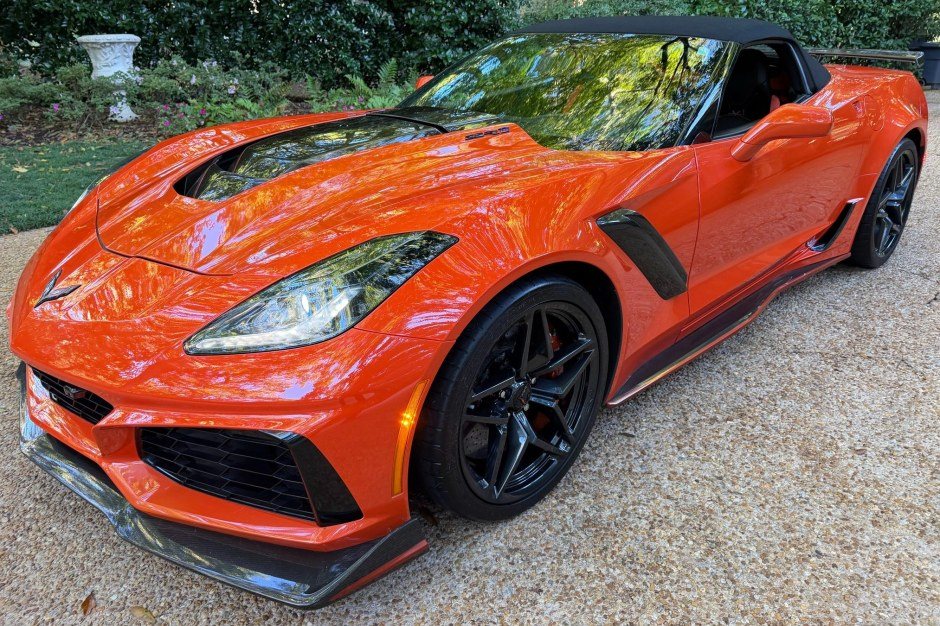
Late Owner's 2019 Corvette ZR1 With 3,500 Miles Offered for Sale in Georgia
Technology 356
MG IM5 wears Tesla-style minimalism in a close test against the Model 3

A UBS analyst argues manufacturers will not slow their electric vehicle rollout even if governments extend the combustion-engine timeline, because EV demand and profitability have shifted.
By Charlotte Redford · 3 min read
Car manufacturers are unlikely to slow their move towards electric vehicles even if the UK or the EU weakens emissions rules to give petrol and diesel cars a longer exit route, according to Patrick Hummel, automotive analyst at the investment bank UBS. "The manufacturers are going to change exactly nothing," he said recently. "If anything, I would accelerate the rollout of a proper EV portfolio."
The comment is notable because environmental campaigners have long pressed governments to hold firm on the 2035 deadline for phasing out new combustion-engined cars. Hummel's view suggests the commercial case for EVs now matters more to carmakers than the regulatory timetable. Sell-side analysts such as Hummel produce detailed reports for investment clients on the financial health of companies, and a report that judges a company's strategy to be failing typically carries a sell recommendation.
Until recently, EVs were a financial problem for manufacturers. The cost gap with combustion-engined vehicles could not be recovered in prices because consumer demand was not there, which squeezed profits. That has changed this summer. Demand for EVs has risen sharply as the gap between the cost of fuelling petrol and diesel cars and running electric ones has widened. New electric models now offer long ranges at prices that are little different from their petrol equivalents, while charging infrastructure has improved markedly. Hummel describes this combination as "triple parity", which he says is what finally shifts consumers.
Some manufacturers are still accepting lower margins to sell EVs, but others are already earning more from them. Volvo says its new electric EX60 makes a bigger profit than its combustion-engined sibling, the XC60. "It shows that you can make money on BEVs," the company's commercial head, Erik Severinson, told investors recently.
Hummel pointed to Volkswagen as an example of the risk of moving too slowly. The company set a cautious ramp-up for its new ID Polo small EV a couple of years ago and now faces waiting lists extending into summer next year. "They decided on a ramp-up a couple of years ago, now they're surprised how many people actually want the car," he said. He added that some potential buyers will not wait and may look at alternatives such as BYD in the meantime.
The shift in sentiment is sharp. Two years ago, enthusiasm for EVs had faded after the early-2020s boom failed to deliver the expected growth, and the sector was viewed gloomily. Demand has now recovered. As Hummel's analysis suggests, the carmakers that react fastest to this change are likely to be best placed.
Source: autocar.co.uk
9