Business 164
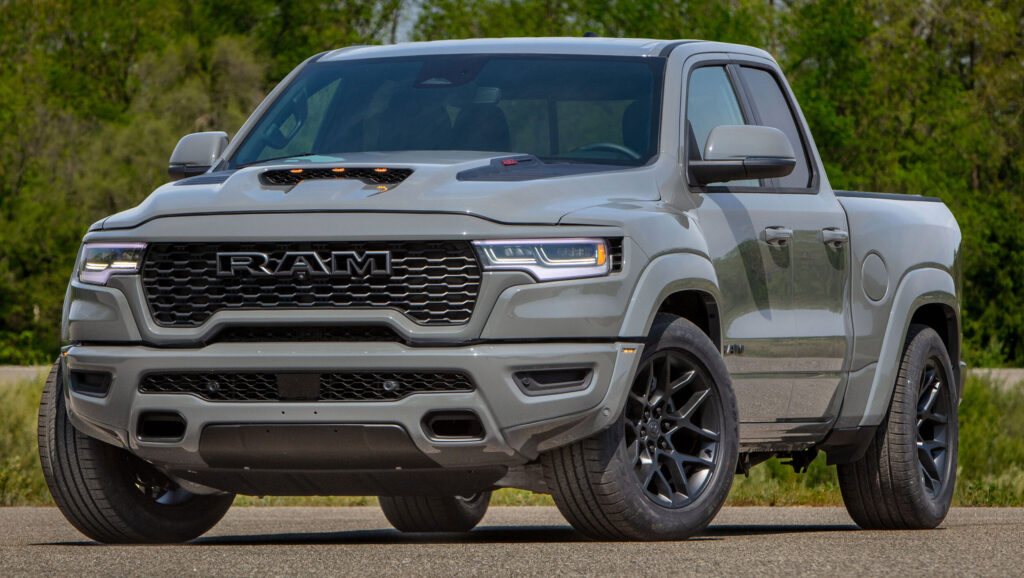
Ram's Entry-Level Rumble Bee Sells Out in 90 Minutes
In this issue
Business 164
Ram's Entry-Level Rumble Bee Sells Out in 90 Minutes
Culture 186
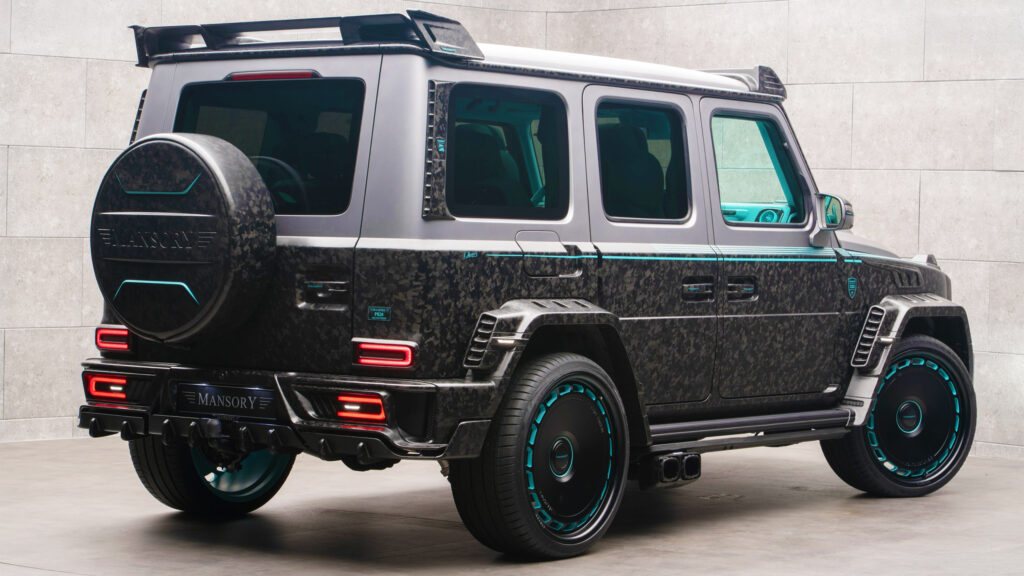
Mansory Unveils Turquoise and Carbon G-Class Grand Entrée
Economy 35
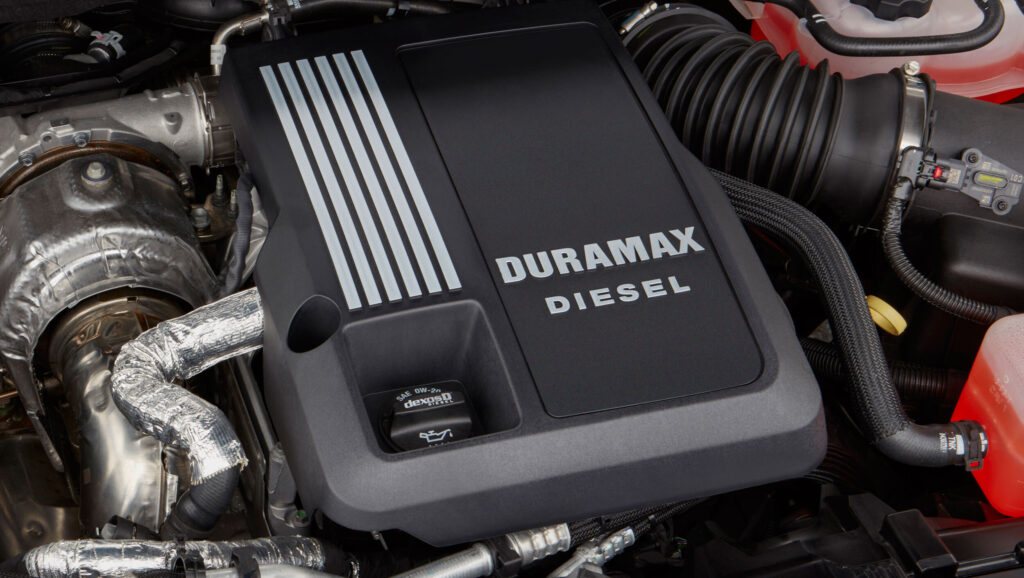
US Weighs Wider Red-Dyed Diesel Sales to Cut Record Fuel Prices
News 139
Texas Declares Statewide Disaster Over Diesel Prices and Allows Home Heating Oil
Politics 109
Mahmood Opens New Legal Refugee Routes in Labour Conference Speech
Sports 252
India Face Sri Lanka for Place in Asian Games Cricket Final
Technology 205
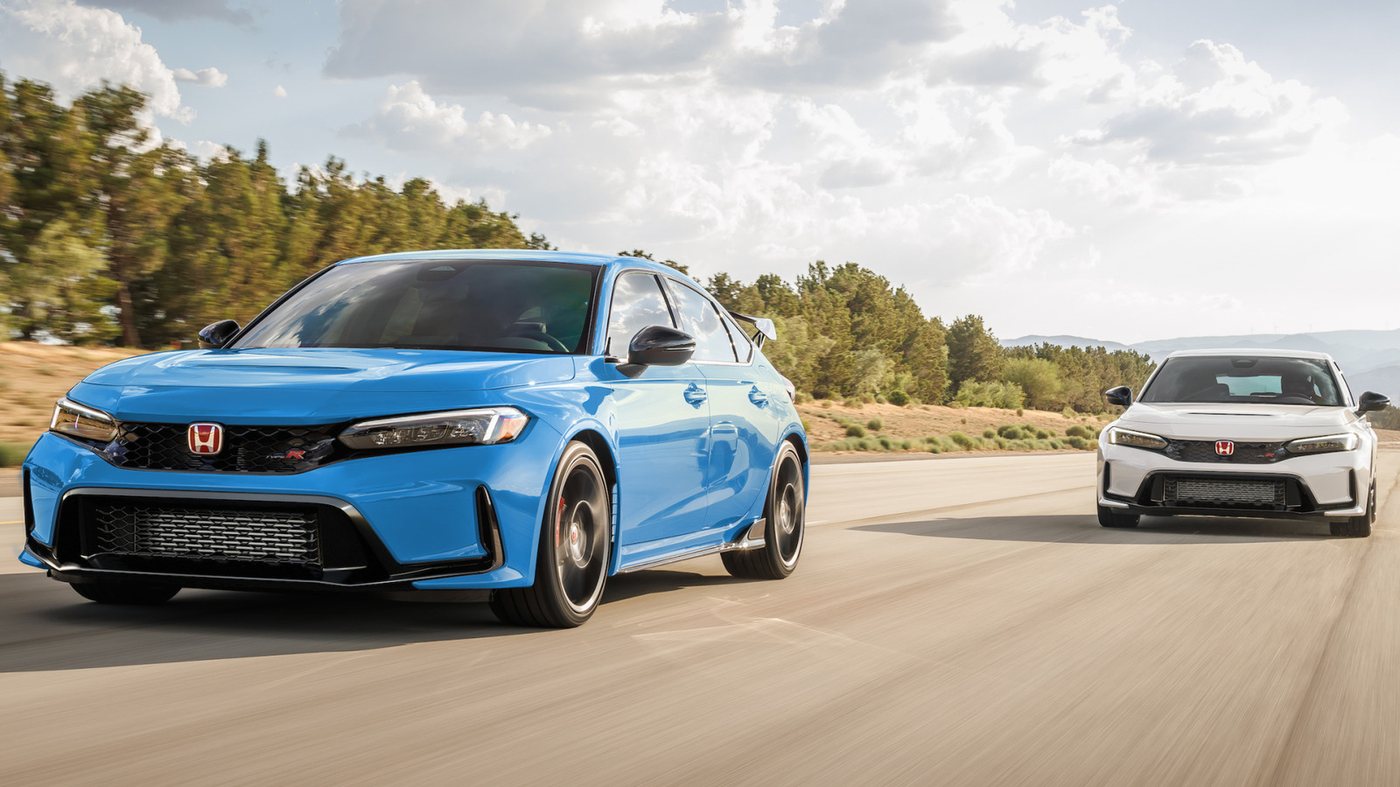
Honda Refreshes Civic Type R for 2027 With Sharper Aero and Heated Seats
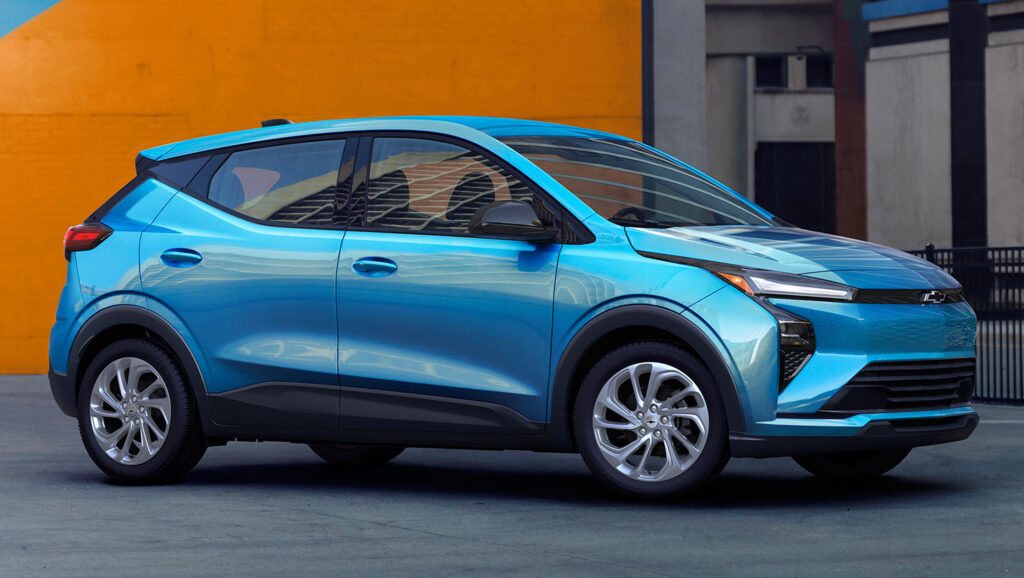
General Motors will reportedly halt production of the Chevrolet Bolt in the first quarter of 2027, with output cut by around 75 per cent to roughly 35,000 units against an original plan of 150,000.
By Edward Beaumont · 5 min read
General Motors will reportedly end production of the Chevrolet Bolt in the first quarter of 2027, closing the book on an electric model that was once among the most popular EVs in the United States but has struggled badly since its relaunch. Output has been cut by approximately 75 per cent, meaning only around 35,000 units will have been built by the time the line stops, against an original plan for 150,000.
The scale of the shortfall is stark. In the first half of the year, Chevrolet sold just 4,224 Bolts, putting the model on course for fewer than 9,500 sales across the full year. GM declined to confirm the production figures, telling reporters only that it «continuously evaluates market dynamics and customer demand».
The Bolt's difficulties are all the more striking given its history. The original model was one of the most recognisable electric vehicles on American roads, yet GM discontinued it and the larger Bolt EUV in order to retool its Orion Assembly plant for full-size electric trucks. That plan did not deliver: the Chevrolet Silverado EV and GMC Sierra EV attracted far less demand than hoped, and after repeated delays the plant was switched back to building combustion-engined trucks and SUVs.
The Bolt was subsequently revived after a short hiatus, moving to a plant in Kansas and returning with a series of improvements. Even then, Chevrolet described it as a «limited run model». It now appears to have been more limited than anyone expected.
Pricing and specification were not the problem on paper. The Bolt starts at $27,600 before a $1,395 destination fee, and carries a 65 kWh LFP battery pack feeding an electric motor that produces 210 hp and 169 lb-ft of torque. Range is quoted at up to 262 miles on a single charge. Those figures position it as one of the more affordable EVs on the market.
Analysts and observers point to several explanations for the weak reception. The removal of the federal tax credit is widely seen as a significant factor, eroding the model's price advantage. The reborn Bolt also looks very similar to the car it replaced, and it has received little in the way of promotional support. The combination appears to have left buyers unmoved.
Consumers have instead gravitated towards the Equinox EV, a crossover that starts at $34,995 before an $1,800 destination fee and offers up to 319 miles of range. Its stronger sales suggest that American buyers are willing to pay more for a vehicle with greater practicality and fresher design, even as they pass over the cheaper Bolt.
The decision to end Bolt production raises awkward questions for GM's broader electrification strategy. The company has invested heavily in a transition to battery-powered vehicles, but has now seen one of its most established electric nameplates wound down twice, while its high-profile electric truck programme failed to generate the expected demand. The retooling of Orion Assembly back to internal combustion was itself an admission that the original plan had not worked.
For British readers watching the global shift to electric vehicles, the Bolt's fate illustrates a wider tension in the market. Affordable electric cars are widely regarded as essential to mass adoption, yet manufacturers are finding it difficult to make them profitable and attractive enough to win over buyers, particularly once government incentives are withdrawn. The segment is proving far harder to crack than the industry once assumed.
GM has not announced what will replace the Bolt at the Kansas facility, and the company has given no indication of a further revival. For now, the model that helped put electric driving within reach of ordinary households will quietly disappear from showrooms early next year, having fallen a long way short of the ambitions attached to its return.
9