Business 120
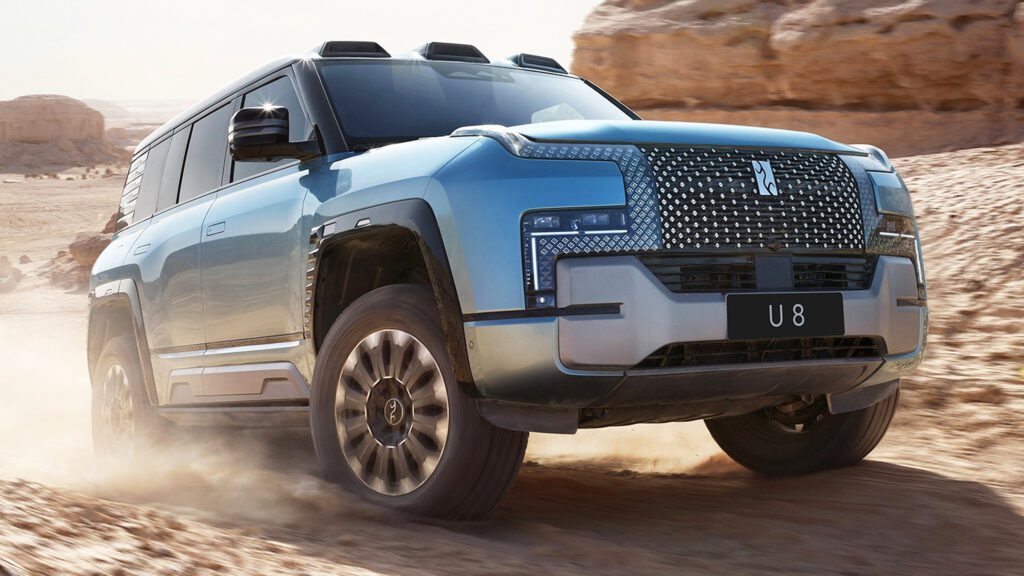
BYD Plans Three European Assembly Plants and a Battery Factory
In this issue
Business 120
BYD Plans Three European Assembly Plants and a Battery Factory
Culture 128
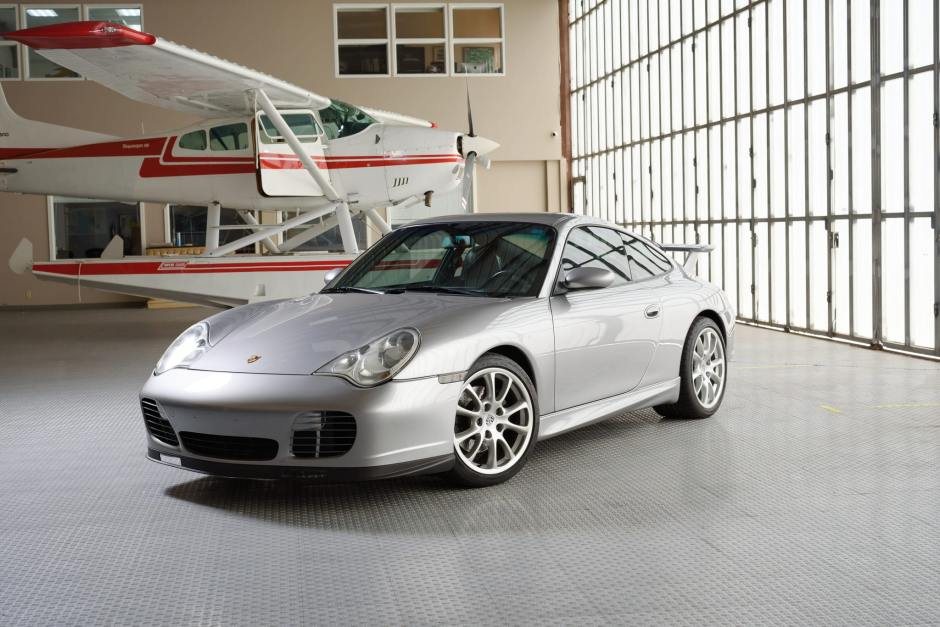
Rare 2004 Porsche 911 40th Anniversary Edition Heads to Auction
Economy 31
Diesel Hits $10 a Gallon in California as Stations Run Dry
News 129
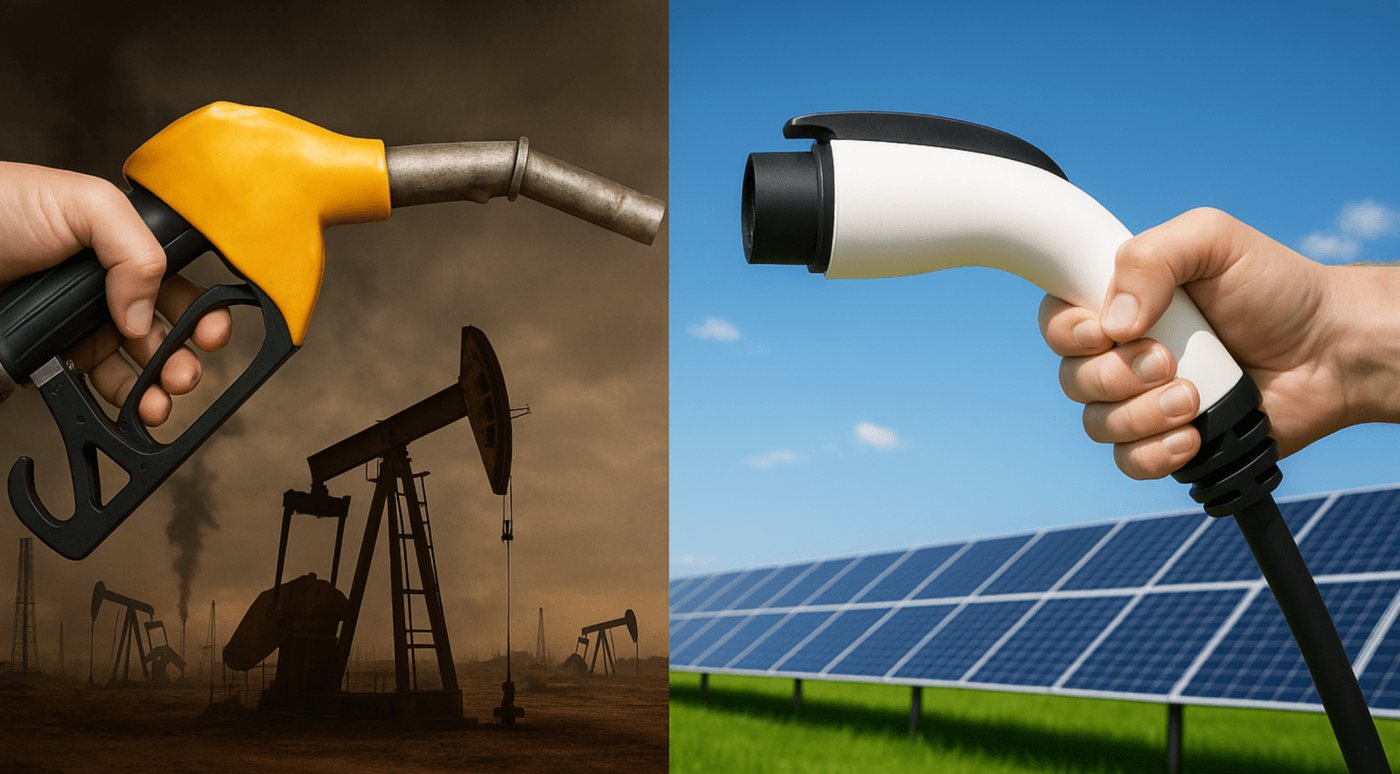
Oil Conflicts Disrupt Global Supply as Electric Cars Remain Unaffected
Politics 105
Reform UK's Welsh Leader Dan Thomas Resigns After Arrest on Suspicion of Assault
Sports 240
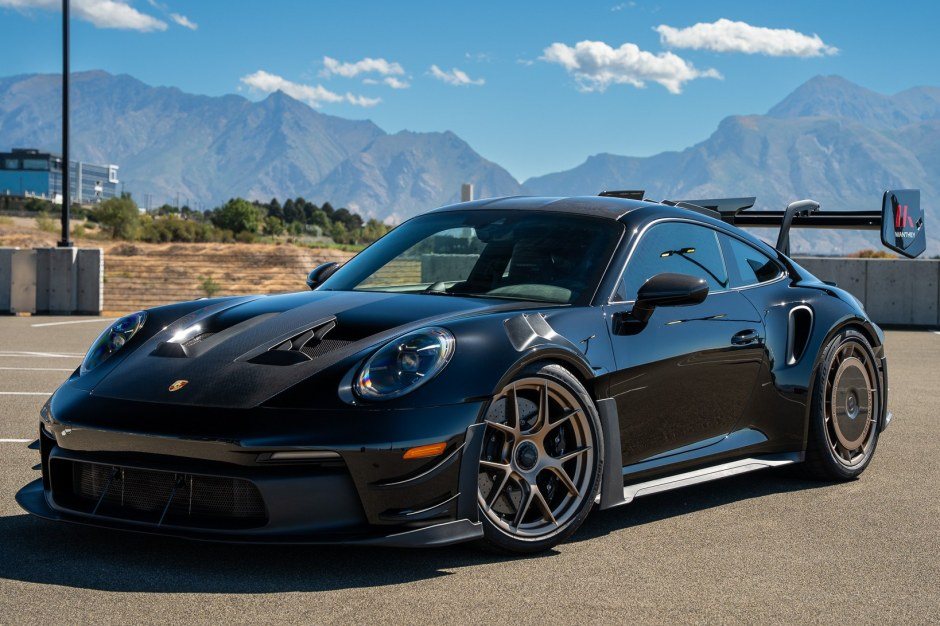
Manthey Racing Porsche 911 GT3 RS Listed for Sale in Utah
Technology 144
SONDORS three-wheeled electric car prototype surfaces on eBay
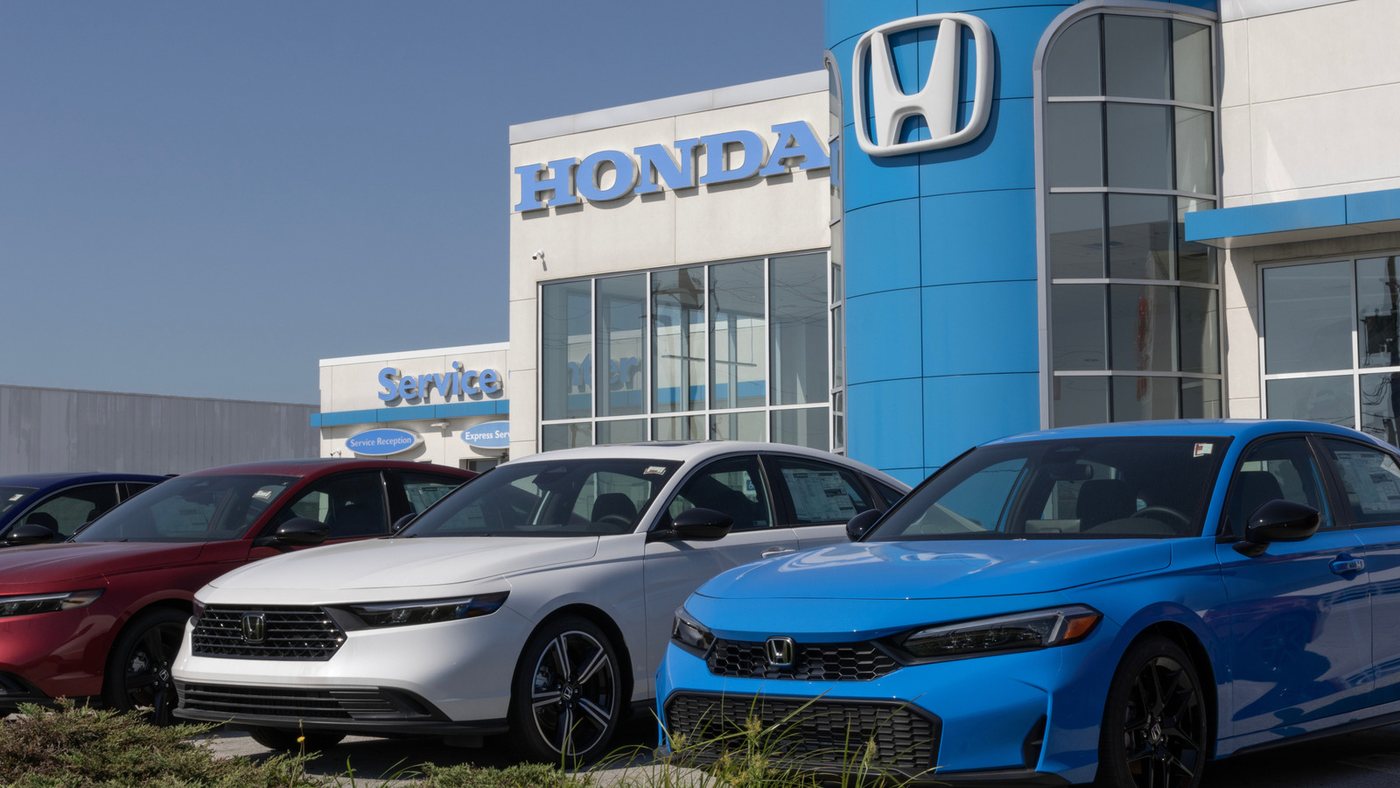
Consumer Reports' annual ranking of the best cars made in the USA for 2026 is dominated by non-American brands, highlighting the gap between domestic manufacturing and domestic ownership.
By Eleanor Ellington · 4 min read
Consumer Reports has released its annual list of the best cars made in the United States for 2026, and the results deliver an uncomfortable truth for the American auto industry: the top-rated vehicles are overwhelmingly produced by foreign brands. The ranking, which evaluates vehicles assembled on US soil, found that nameplates from Europe and Asia dominate the upper tiers, while traditional Detroit manufacturers struggle to match their scores.
The finding underscores a persistent paradox in the global car market. A vehicle can be built in a American factory by American workers yet carry a badge from Japan, Germany, or South Korea. Consumer Reports' methodology focuses on where a car is assembled rather than where its parent company is headquartered, meaning the list rewards manufacturing investment in the US regardless of corporate nationality.
For British readers, the results offer a useful lens on the shifting geography of car production. The US market has long been a battleground for foreign marques, but the latest rankings suggest that the competitive advantage now lies with those overseas firms that have embedded themselves deeply in American manufacturing. Brands such as Toyota, Honda, BMW, and Hyundai operate extensive assembly plants across states including Kentucky, Ohio, South Carolina, and Alabama, producing models that consistently score highly for reliability, owner satisfaction, and road-test performance.
By contrast, the traditional Big Three — General Motors, Ford, and Stellantis — have seen their standing in such rankings fluctuate. While they continue to build millions of vehicles in the US, Consumer Reports' data indicates that their models often trail the foreign-built competition in the metrics that matter most to consumers. That gap has implications not just for brand prestige but for market share, pricing power, and long-term investment in American factories.
The ranking also arrives at a delicate moment for the US automotive sector. Electric vehicle adoption is reshaping production lines, tariffs on imported components remain a live political issue, and manufacturers are navigating a patchwork of incentives designed to boost domestic output. In that context, the Consumer Reports list serves as a reminder that «made in America» is no longer a straightforward proxy for American corporate success.
For consumers, the practical takeaway is that the best car for their needs may well be built in a US plant even if the badge on the bonnet carries a foreign name. For policymakers and industry leaders, the message is more pointed: the benefits of American manufacturing are increasingly captured by companies headquartered elsewhere, and the domestic brands that once defined the market must now compete on quality rather than heritage alone.
Consumer Reports has not yet published the full model-by-model breakdown, but the headline conclusion is already clear. The best cars made in the USA for 2026 are, for the most part, not American cars at all — they are simply cars that happen to be assembled there. That distinction will shape boardroom strategies and buyer decisions alike in the year ahead.