Business 332
Paris label Coperni ceases operations after dispute with distributor
In this issue
Business 332
Paris label Coperni ceases operations after dispute with distributor
Culture 353
Refurbished 1996 Ford Bronco XLT Sport heads to auction with 91,000 miles
Economy 50
Conservation area drivers left out of relaxed EV charger rules
News 164
Owner sells near-new 2025 Audi A4 Allroad with just 8,000 miles
Politics 123
Democrat Gina Hinojosa Defeats Republican Greg Abbott in Texas Governor Race
Sports 297
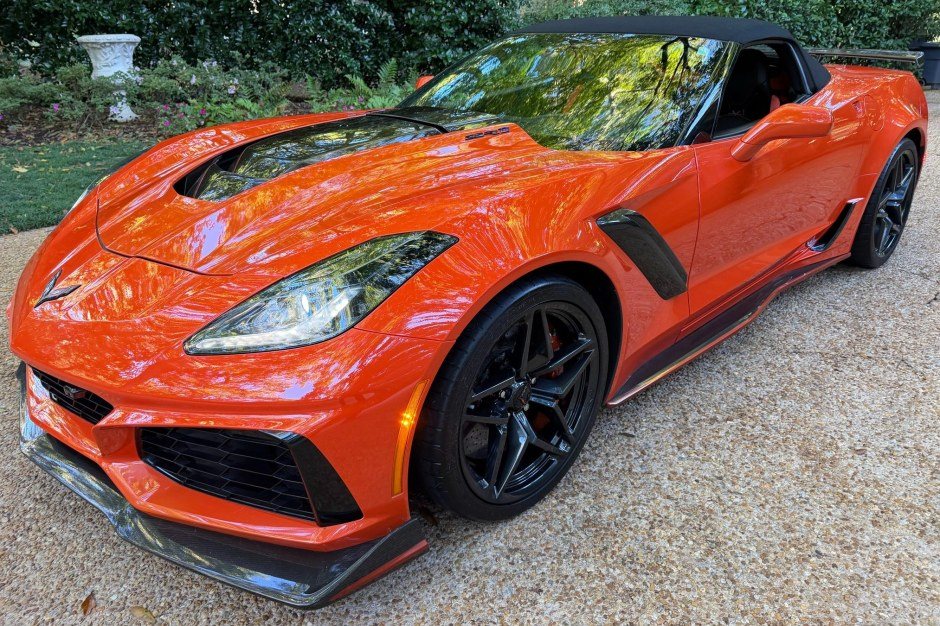
Late Owner's 2019 Corvette ZR1 With 3,500 Miles Offered for Sale in Georgia
Technology 357
Ford Unveils Bronco with Record-Setting Crate Engine at SEMA Las Vegas
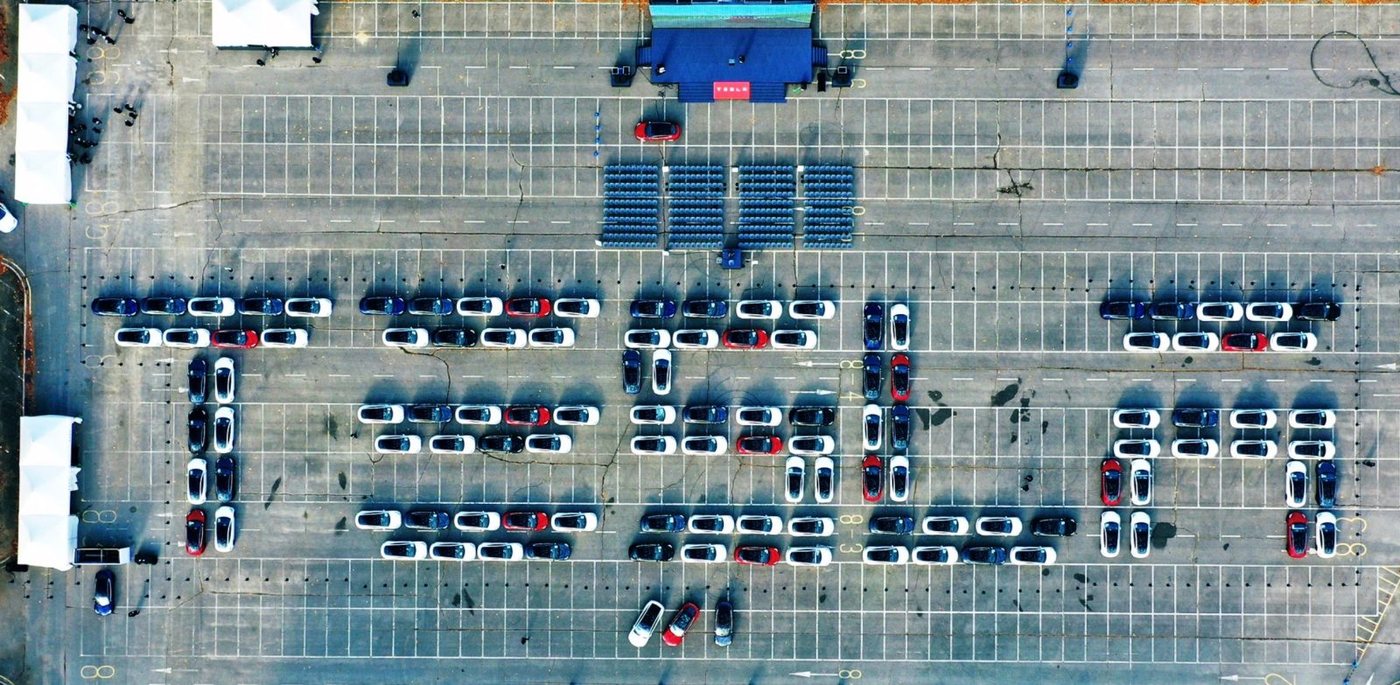
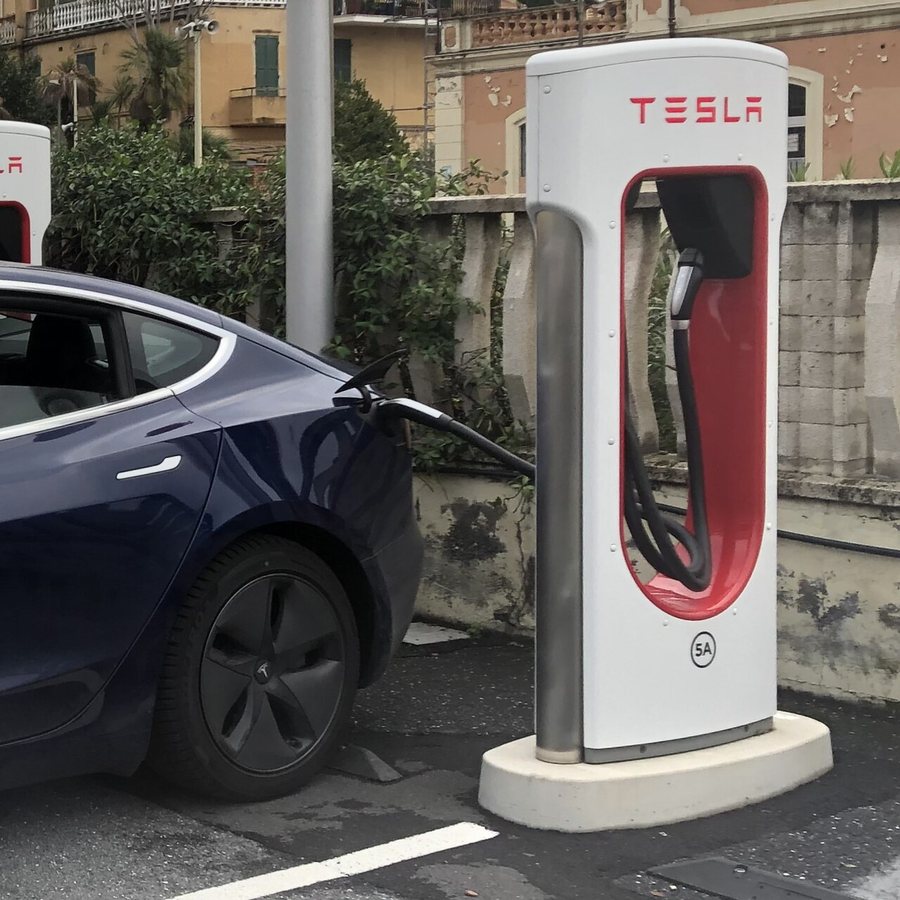
A South Korean consumer group is taking a complaint to the Korea Fair Trade Commission, arguing Tesla markets its Full Self-Driving software to buyers who cannot legally use it.
By Edward Beaumont · 4 min read
A South Korean consumer group is preparing to file a complaint with the Korea Fair Trade Commission (KFTC) accusing Tesla of marketing its Full Self-Driving (FSD) software to Korean buyers who cannot legally use it. The group, Citizens United for Consumer Sovereignty, wants the regulator to stop the company from continuing to sell the feature to people who are ineligible to run it. The filing was planned for Thursday, according to Reuters, which reviewed the complaint before publication.
The core of the dispute is the legal status of the software in Korea. According to the complaint, vehicles cannot legally run FSD in the country in the form in which they are sold. The ineligibility stems from local driving rules, and the group argues that Tesla has not made this limitation sufficiently clear to customers who paid for the feature. The complaint therefore frames the issue not as a technical shortcoming of the software but as a question of what buyers are told before they hand over their money.
The scale of the problem, as the group presents it, is substantial. Citing Tesla's own figures, the complaint says that 99 percent of the cars Tesla sold in Korea last year were ineligible to use FSD. That figure refers to sales over the previous year and points to a large number of buyers who may have purchased a capability they cannot use under current rules. Because the figure comes from the company's own data, the group's argument rests in part on Tesla's own numbers rather than on outside estimates.
The complaint comes shortly after a setback for owners who sought redress through the courts. A Seoul court dismissed a refund suit brought by owners who had paid for FSD, a ruling handed down about one week before the consumer group announced its planned filing. The dismissal means that the courts have not, for now, provided a remedy to those owners, and the regulatory route is one of the few remaining avenues for those who want the marketing addressed.
The consumer group's objective is narrow and specific: it wants the KFTC to halt the marketing of FSD to buyers who are ineligible to use it, rather than seeking a general ruling on the technology itself. That distinction matters because the complaint centres on the sales process and the information given to customers at the point of purchase, not on whether driver-assistance software should exist in Korea at all.
It remains unclear whether the KFTC will take up the complaint, and, if it does, what form any action might take. Any regulatory penalty or restriction on how Tesla markets the software in Korea would depend on the commission's assessment of the group's claims and of the legal position set out by local driving rules. For now, the complaint places the gap between what Tesla sells and what Korean law allows at the centre of a formal regulatory challenge, and the outcome will show how far a regulator is willing to go when a product's marketing runs ahead of what buyers can legally do with it.
Source: electrek.co
5