Business 331
BMW Ends Some Gen5 EV Production Early to Focus on Neue Klasse
In this issue
Business 331
BMW Ends Some Gen5 EV Production Early to Focus on Neue Klasse
Culture 353
Refurbished 1996 Ford Bronco XLT Sport heads to auction with 91,000 miles
Economy 49
US Fuel Prices Hit Record High On Election Day
News 164
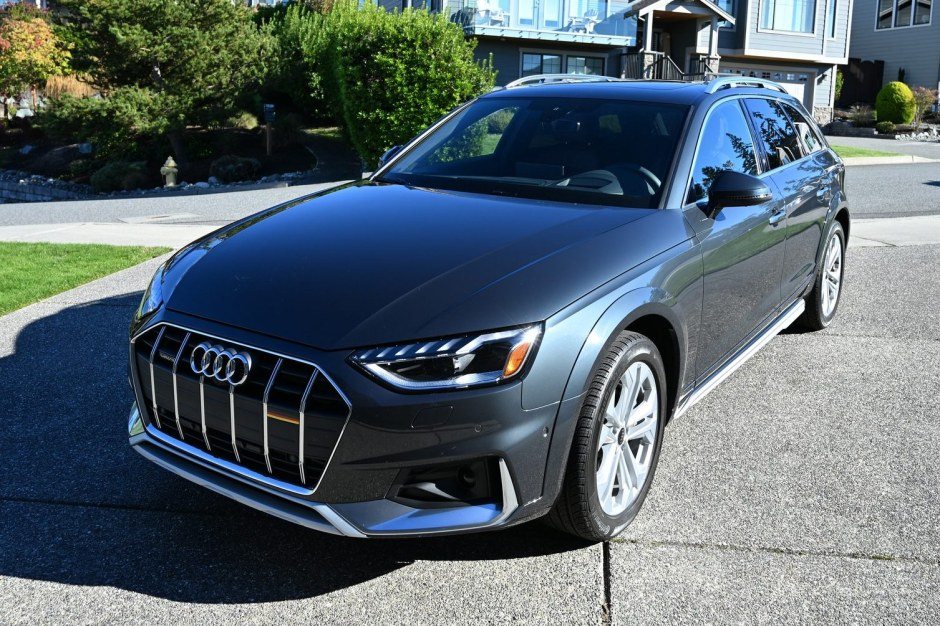
Owner sells near-new 2025 Audi A4 Allroad with just 8,000 miles
Politics 123
Democrat Gina Hinojosa Defeats Republican Greg Abbott in Texas Governor Race
Sports 297
Late Owner's 2019 Corvette ZR1 With 3,500 Miles Offered for Sale in Georgia
Technology 357
Ford Unveils Bronco with Record-Setting Crate Engine at SEMA Las Vegas

Relaxed planning rules for cross-pavement EV chargers in England do not apply in conservation areas, leaving residents there still facing permission hurdles, fees and delays.
By Eleanor Ellington · 3 min read
Drivers living in England's conservation areas are missing out on the government's relaxed rules for installing electric vehicle chargers across pavements, as those rules explicitly exclude these protected neighbourhoods. Residents in these areas may still need full planning permission for both the charger and the pavement channel that carries the cable, a process that can add cost and months of waiting.
The scale of the issue is significant. Nearly two million households sit in conservation areas, and Historic England does not currently hold data on how many of those homes have no driveway. Nationally, roughly 40 per cent of households have no off-street parking, which means a large share of the people the relaxed rules were designed to help may be excluded where the heritage protections are strongest.
Councils are responding in different ways. Oxfordshire County Council has paused new applications in conservation areas and is holding a few dozen applications that had already been conditionally approved. The council says reopening those applications could take days or weeks. Hertfordshire County Council is continuing to assess applications case by case, including in conservation areas, and checks proposals against the 19 conservation areas in St Albans. Its trial so far has involved three conservation-area applications, one of which has been approved while two remain pending.
For residents who do apply, the costs can be considerable. Hertfordshire charges a £200 non-refundable assessment fee. A pavement channel typically costs around £1,200 after subsidy, on top of planning fees, and planning permission could take up to three months to determine.
The charging company Kerbo has warned that the remaining planning requirements may deter electric vehicle buyers who otherwise would have considered a switch. It has proposed a simplified process in which applicants submit marked-up photographs rather than detailed drawings. Historic England has said it supports designs that are compatible with the character of conservation areas and is considering whether its guidance should change. The AA's Edmund King has called on councils to adopt a proportionate and simpler approach, arguing that drivers without a driveway should not face disproportionate barriers to charging at home.
Source: autocar.co.uk
4