Business 251
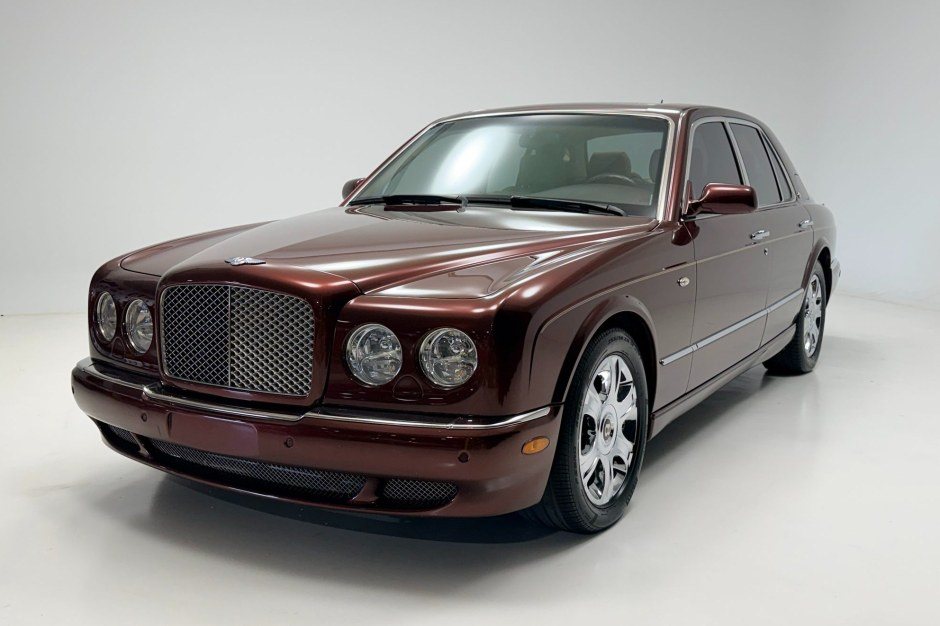
Bentley Arnage R with 50,000 Miles Offered at Auction
In this issue
Business 251
Bentley Arnage R with 50,000 Miles Offered at Auction
Culture 288
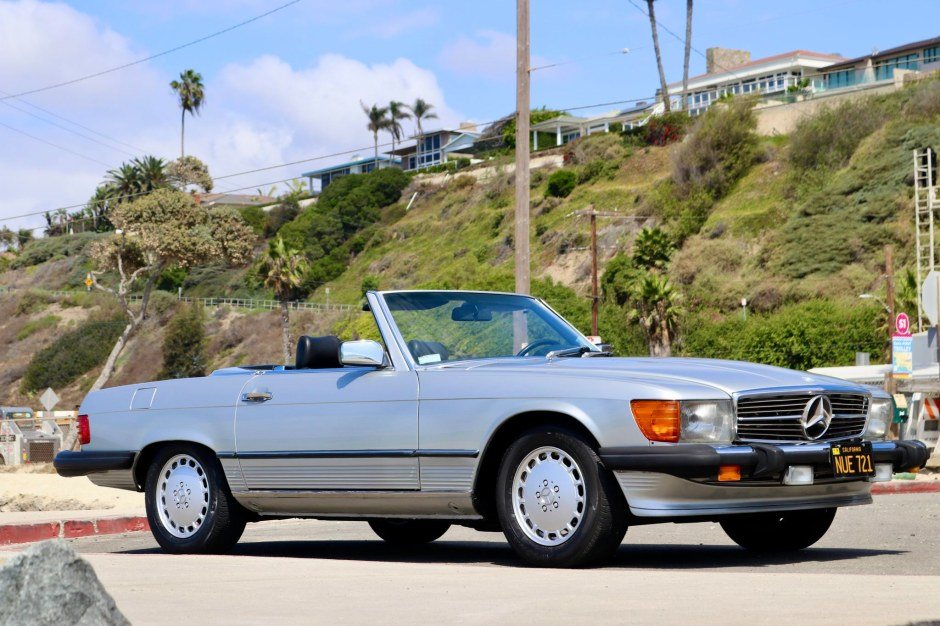
Canadian-market 1988 Mercedes-Benz 560SL offered at no reserve in California
Economy 42
Electric driving is cheaper, but the savings depend on one factor
News 159
Orionid meteor shower set to peak with fast, bright fireballs
Politics 115
Burnham launches crackdown on loud music on public transport
Sports 285
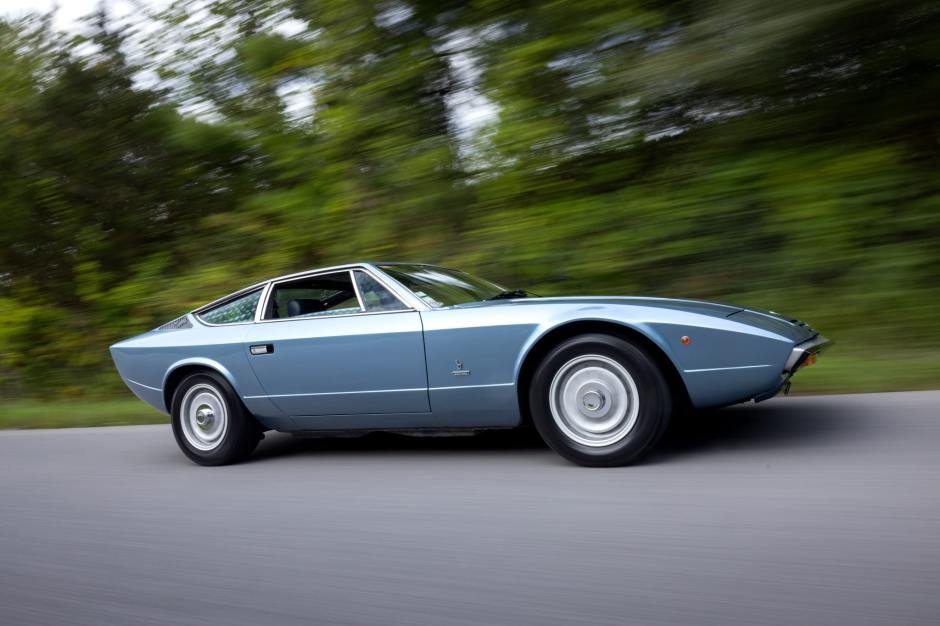
1975 Maserati Khamsin Offered at No Reserve in New York
Technology 327
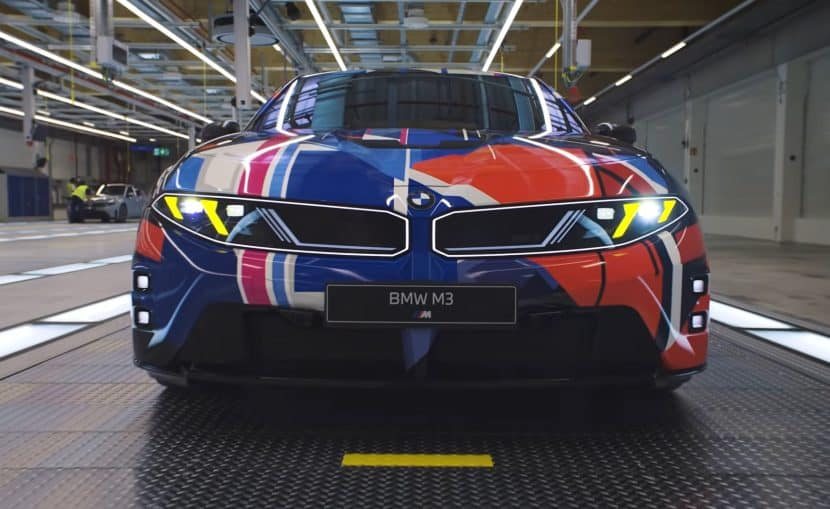
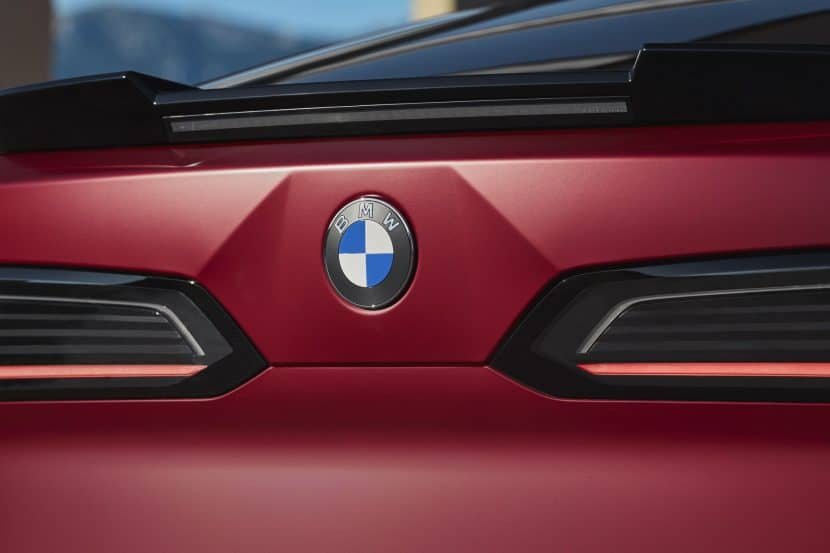
BMW Electric M3 Shows More Of Its Design In New Prototype Footage
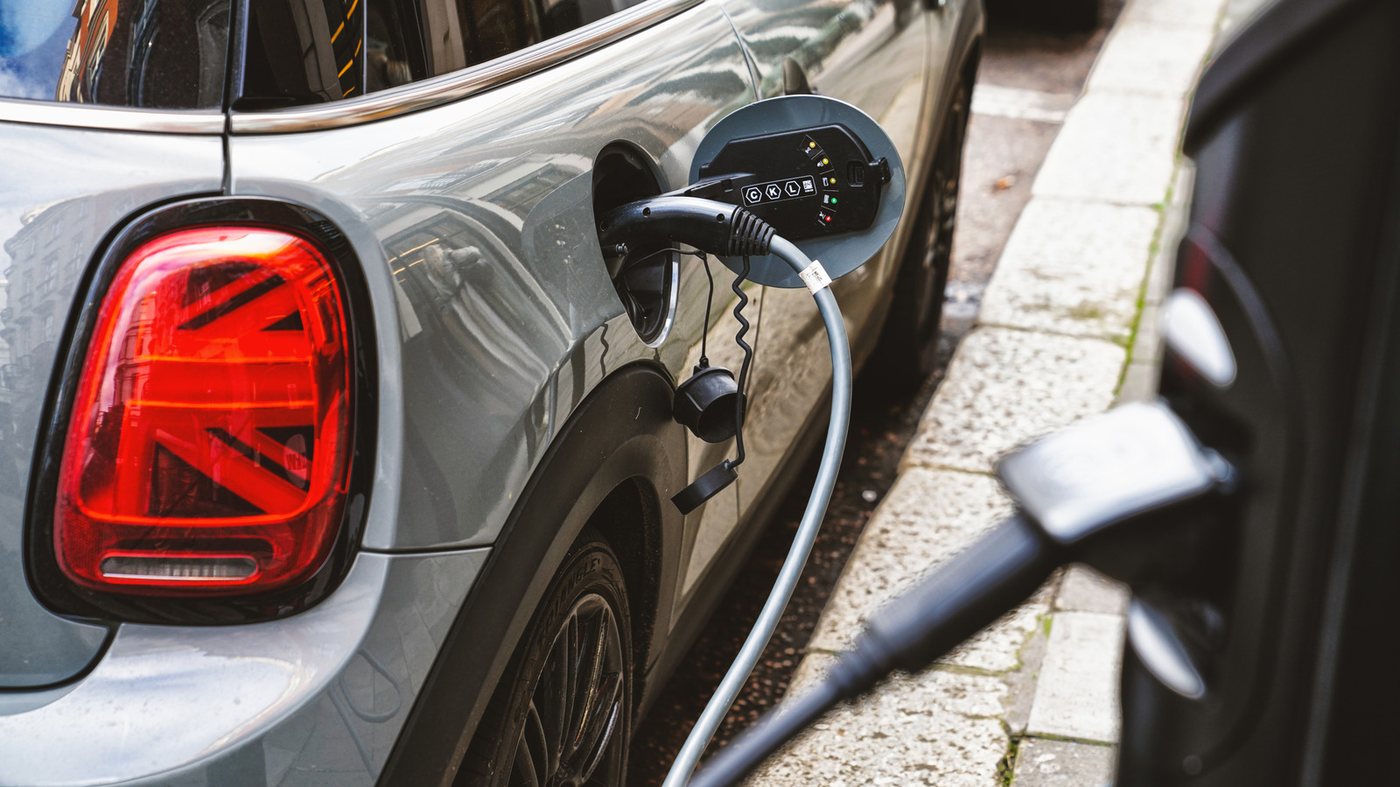
Drivers are divided on whether rising fuel costs make electric vehicles a practical alternative to petrol-powered cars, with some having already switched and others remaining loyal to combustion engines.
By George Kensington · 4 min read
Rising fuel prices are pushing some drivers to reconsider their next car, with a mix of early adopters and loyal petrol owners now weighing in on whether electric vehicles make financial sense. Among those who have already made the switch, many say they have no intention of returning to gasoline, while others argue that the traditional combustion engine still offers advantages that electric models have not yet matched.
The debate reflects a broader question facing motorists: whether the running-cost savings of an electric vehicle outweigh the upfront price and the practical concerns that remain for some households. Drivers who have made the change tend to point to lower day-to-day costs, quieter operation and the convenience of charging at home. Those who remain committed to petrol or diesel often cite the cost of buying a new electric car, the availability of charging points and uncertainty over how the vehicles perform over longer journeys or in cold weather.
The discussion comes at a time when fuel costs have become a visible pressure on household budgets, prompting people to compare the total cost of ownership rather than the sticker price alone. For many readers, the decision is less about environmental principle than about how a vehicle fits their working life, their mileage and the infrastructure in their area. Those who have switched generally describe the transition as smoother than they expected. Those who have not are typically waiting for prices to fall, charging networks to expand or their existing car to reach the end of its life.
Electric vehicles are increasingly presented as a rational option for drivers with predictable commutes and access to home charging. Petrol cars, by contrast, retain support among those who cover long distances, lack off-street parking or simply prefer the familiar experience of refuelling in minutes. The responses gathered in this discussion show that neither camp sees the choice as settled, and that each rests its position on the particular demands of its own driving.
Much of the appeal of switching rests on the difference between buying a car and running one. Owners who have moved to electric power tend to focus on the cost of each journey rather than the price at the pump, since charging at home is typically cheaper per mile than filling a tank of petrol. That calculation shifts for drivers who rely on public chargers, whose tariffs can narrow the gap, and for those whose homes have no driveway or nearby parking where a charger could be installed. For these households, the practical question is often not whether an electric car is cheaper to run, but whether it can be charged reliably at all.
Concerns about range and cold-weather performance also surface repeatedly among those who have stayed with combustion engines. Some drivers say they regularly cover distances that would require planning around charging stops, and they doubt that an electric car could replace their current vehicle without changing how they travel. Others accept that electric cars can handle everyday use well but still prefer petrol for occasional long trips, when a quick refuel is the deciding factor. These reservations are less about ideology than about the daily realities of getting from one place to another.
Whether opinion moves toward electric power may depend on how quickly the conditions that worry petrol loyalists improve. Lower purchase prices, a denser network of chargers and continued pressure on fuel costs would each strengthen the case for switching. Until then, the split among drivers is likely to persist, with early adopters defending their decision and sceptics waiting for a reason to change their minds.
2