Business 152
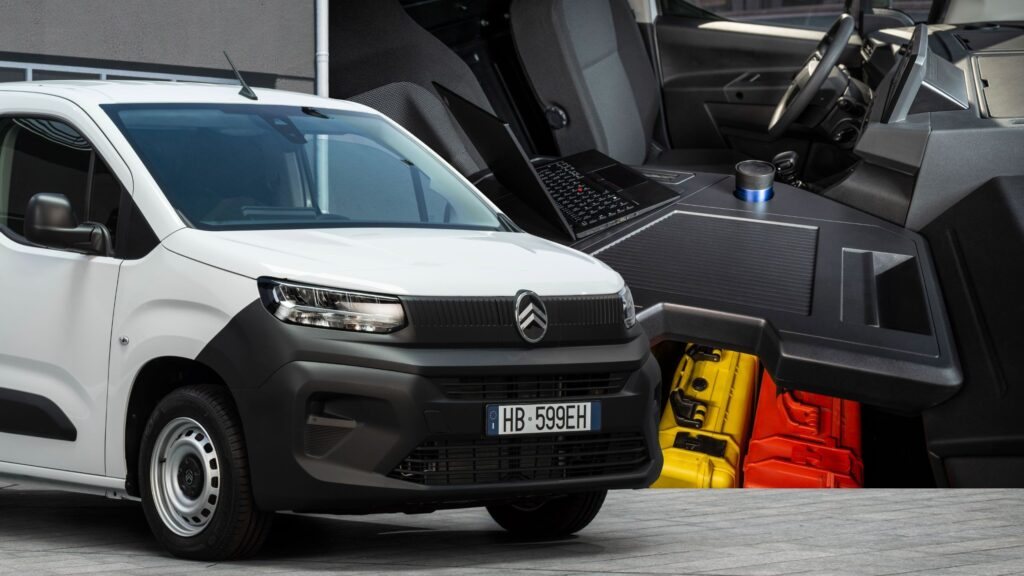
Stellantis Adds Budget Trims and Mobile Office to Citroen Berlingo and Opel Combo…
In this issue
Business 152
Stellantis Adds Budget Trims and Mobile Office to Citroen Berlingo and Opel Combo…
Culture 169
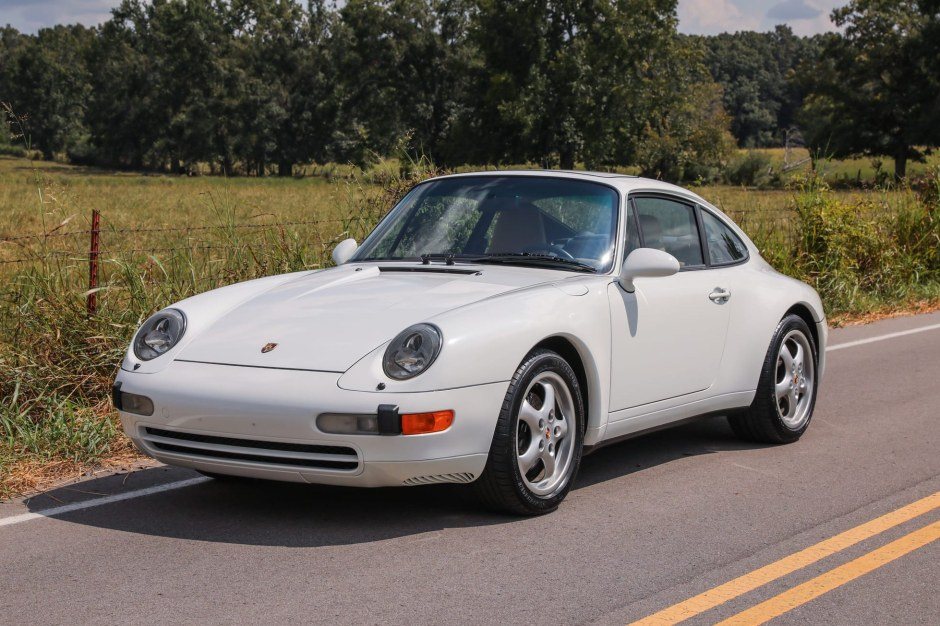
1996 Porsche 911 Carrera Coupe in Grand Prix White Heads to Auction
Economy 33
Bitcoin and Ethereum Surge to Levels Last Seen in January
News 132
Sarandon and Einbinder arrested at anti-Netanyahu protest in New York
Politics 108
US Lawmakers Move to Permanently Ban Chinese Cars
Sports 248
Dumont and Perez settle bitter rivalry at UFC Vegas 121
Technology 175
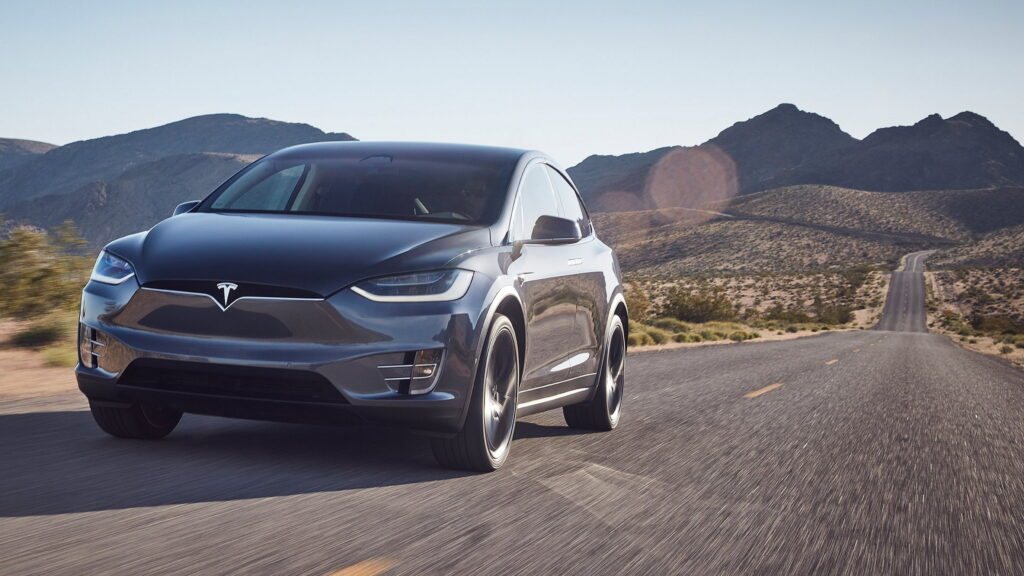
Family Sues Tesla Over Model X Sudden Acceleration Claim
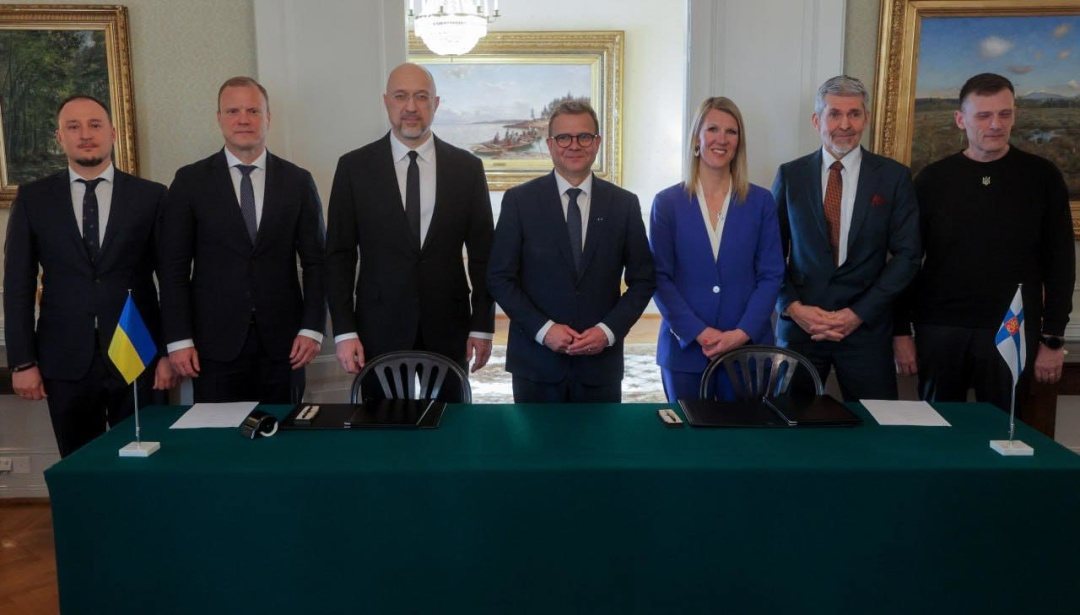
Ukraine is funding the remaining cost of a €46.5 million technology project, turning assistance into a joint investment in a more resilient electricity system.
By George Kensington · 4 min read
Finland is putting roughly €28.5 million into power-plant technology for Ukraine, but the more revealing number is the €46.5 million total cost. Ukraine will fund the difference itself. That makes the project a shared commitment rather than a fully donor-financed purchase.
The Ukrainian contribution is about €18 million on the stated figures. For leaders deciding how to allocate scarce wartime capital, that structure imposes discipline: Ukraine has a direct financial stake in the asset, while Finland’s development funding makes the investment much easier to carry.
It also reflects a broader change in how Ukraine’s reconstruction is being approached. The early years of the full-scale war required emergency generators, transformers and replacement equipment. Those needs have not disappeared, but partners are increasingly financing infrastructure intended to operate for years and to change the architecture of the energy system.
Distributed generation is central to that shift. Smaller plants spread across different locations cannot replace every large power station, yet they make the system less dependent on a few critical nodes. For hospitals, municipal services, industry and local communities, a nearby source of power can matter when transmission lines or centralized generation are damaged by an attack.
Finland has made energy security an official priority of its development cooperation with Ukraine. Its 2024–2028 bilateral programme carries a budget of at least €320 million. Helsinki also established the Finland–Ukraine Investment Facility, designed to finance public-sector projects worth up to €50 million in 2025–2026 and to connect Ukrainian investment needs with Finnish technology and expertise.
The corporate side is already visible. Ukrnafta and Wärtsilä signed a framework agreement in May for equipment used in distributed generation. The programme is being implemented in stages with the Finnish-Ukrainian facility. An €80 million EBRD loan was secured for the first stage, showing how public support and institutional credit can be layered together rather than treated as competing sources of money.
Ukraine’s government later said nearly 939 million hryvnias would support gas-engine generation projects in the Ivano-Frankivsk and Lviv regions, with up to 60 megawatts of combined capacity. That regional deployment illustrates the goal: build flexibility in multiple places rather than merely recreate the same centralized vulnerabilities.
For executives and public officials, the leadership challenge is now delivery. Complex financing is only useful if contracts are signed, equipment moves across borders, sites are prepared and units are connected. Every delay carries an opportunity cost because Ukraine’s electricity system is operating under continuing military pressure.
The project’s real measure of success will therefore be operational, not diplomatic. Finland’s contribution can lower the cost of capital and bring high-value technology into Ukraine. Ukraine’s own contribution can anchor accountability. Together they create the possibility of a durable asset—and a financing template that could be applied to other reconstruction projects where neither aid nor domestic money is sufficient on its own.
59