Business 395
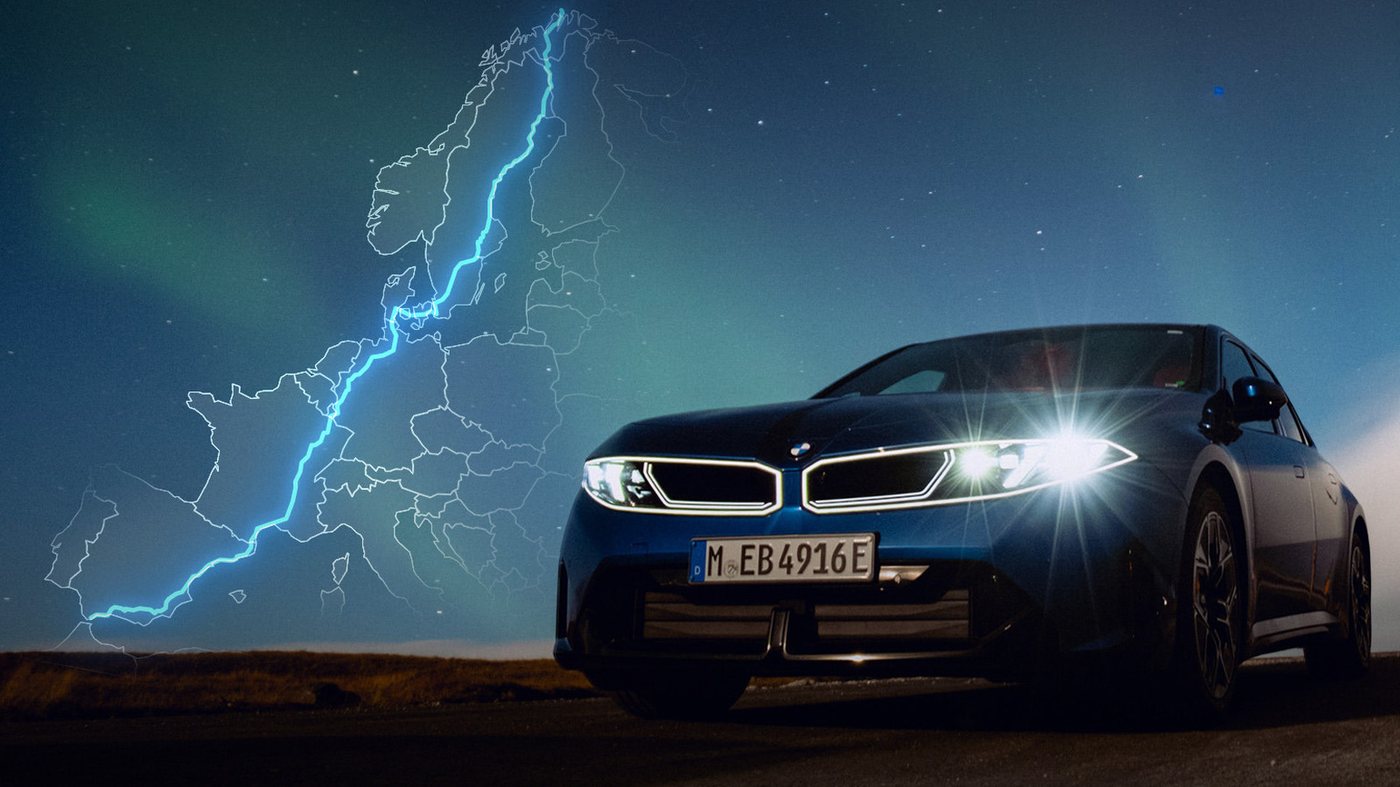
Public EV charging could top £1 per kWh as standing charges climb sharply
In this issue
Business 395
Public EV charging could top £1 per kWh as standing charges climb sharply
Culture 414
Writer tests Audi SQ5 on 1,000-mile family trip to France with baby
Economy 54
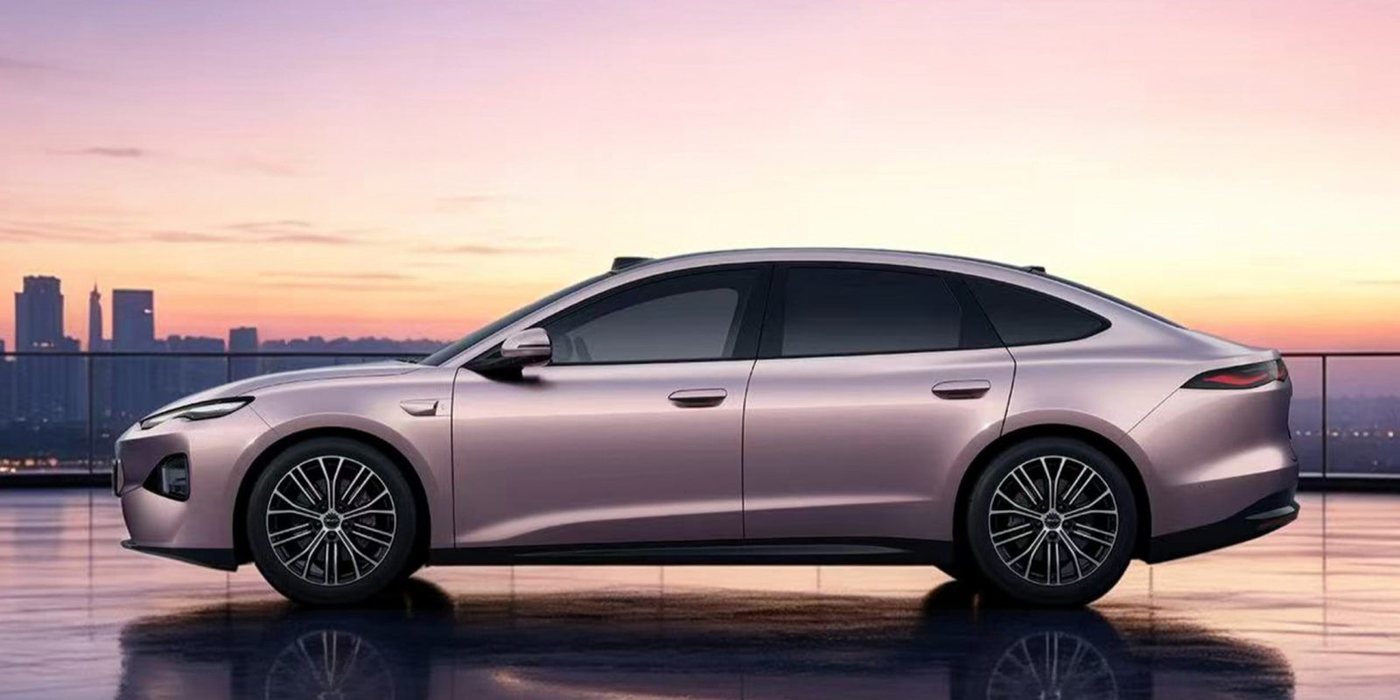
European Electric Car Sales Jump 49 Percent in Battery-Electric Growth Surge
News 171
Britons stock up on tinned food and bottled water after Be Ready campaign
Politics 127
Trump turns to Maga's radical wing after midterm defeat
Sports 305
Gill Bowls First as Rain Cuts Hamilton ODI to 40 Overs
Technology 371
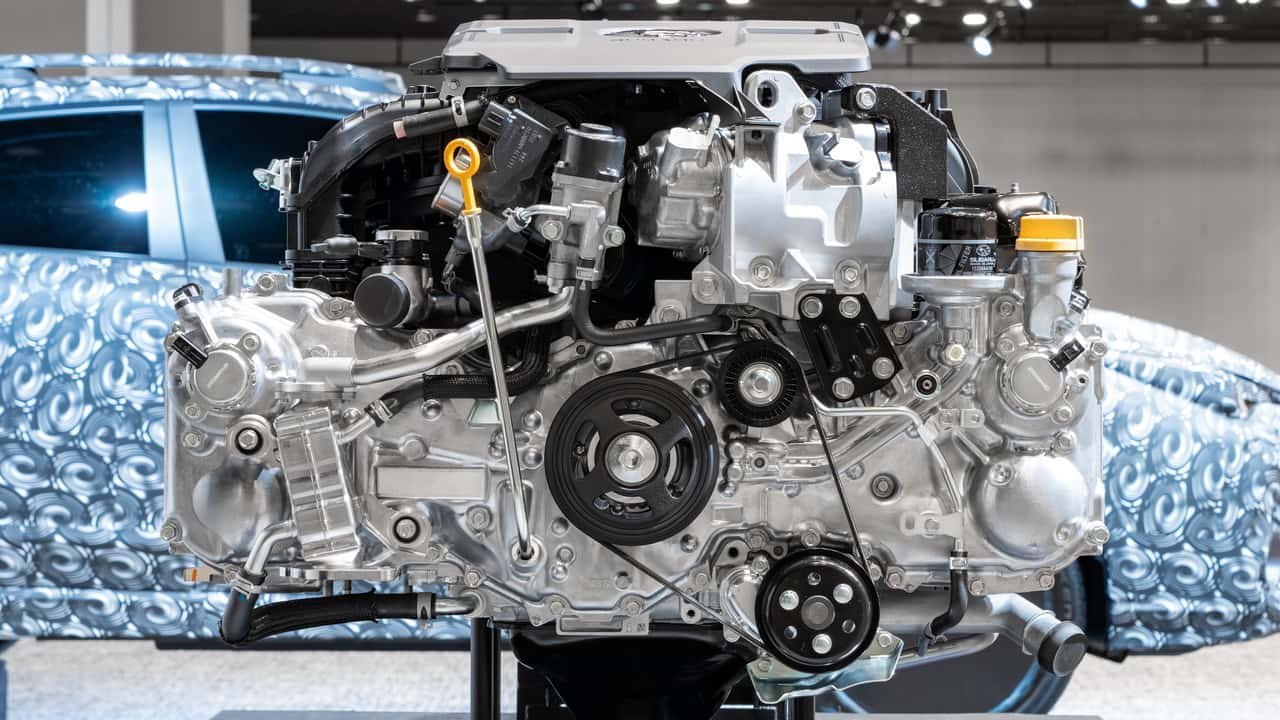
Subaru Targets 50% Thermal Efficiency With Next-Gen Boxer Engine
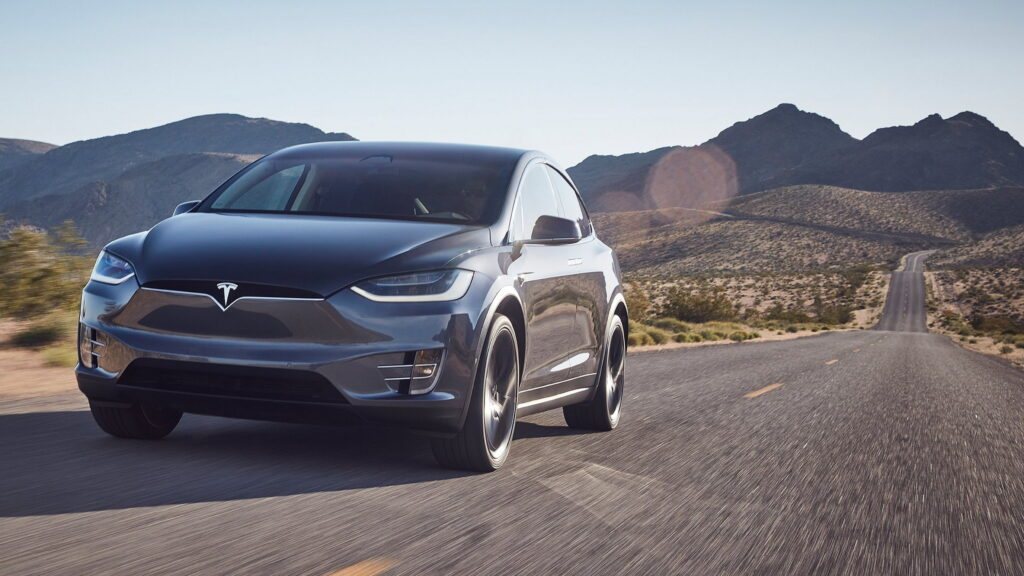
A Washington family is suing Tesla, alleging their Model X accelerated on its own from a red light in Kirkland in June 2023, injuring the driver and his daughter. The case turns on vehicle data, and NHTSA has previously linked most sudden-acceleration complaints to pedal misapplication.
By George Kensington · 3 min read
A Washington family is suing Tesla over allegations that their Model X accelerated on its own from a red light, an incident they say left the driver and his teenage daughter injured and raised questions about the role of the car's driver-assistance software.
The complaint centres on Linh Nguyen, who was stopped at the intersection of 144th Street Northeast and 124th Avenue Northeast in Kirkland on 29 June 2023 with his then-14-year-old daughter in the vehicle. According to the lawsuit, the 2023 Model X suddenly surged into the intersection and struck a curb. No other vehicle was hit, but the family says the episode caused lasting harm.
Nguyen claims he suffered injuries to his neck, back, shoulder, knees and left side, along with dizziness and confusion. The complaint also states that his daughter was injured and suffered severe emotional distress. The family is seeking damages from Tesla, including compensation for medical treatment and other losses.
The lawsuit points to Autopilot, alleging that the system failed to keep the SUV stopped, accelerated without Nguyen's input and prevented him from regaining control by braking or steering. Nguyen says he paid roughly $15,000 extra for the technology, a figure that raises a further question about which system was actually involved. Tesla has never charged that amount for Autopilot, though it has priced its Full Self-Driving (Supervised) suite at that level.
The allegations are not without precedent. After investigating a fatal 2018 Model X crash in California, the National Transportation Safety Board concluded that Autopilot steered the SUV into a highway gore area, while also citing the driver's failure to respond. That case involved a moving vehicle swerving into a lane, a different scenario from a car apparently attempting its own rapid acceleration from a standstill.
Vehicle logs and event data are likely to prove decisive. The public account does not include accelerator position, brake application, speed, steering input or the status of the assistance systems at the time of the incident. Each of those records would shed light on what happened in the moments before the Model X entered the intersection.
In an earlier review of Tesla sudden-acceleration complaints, the National Highway Traffic Safety Administration analysed crash data from 118 incidents. It found that the crashes for which event data was available were caused by pedal misapplication, with no evidence of a vehicle fault or ineffective brakes in those cases.
Until the data from this vehicle is released, the Kirkland case may be viewed by some as another example of that pattern. For the Nguyen family, however, the lawsuit represents an attempt to establish that the car behaved in a way its driver could neither predict nor override.
Source: carscoops.com
80