Business 394
Theon Design Launches Online Configurator and North American Concierge Service
In this issue
Business 394
Theon Design Launches Online Configurator and North American Concierge Service
Culture 414
Writer tests Audi SQ5 on 1,000-mile family trip to France with baby
Economy 54
European Electric Car Sales Jump 49 Percent in Battery-Electric Growth Surge
News 171
Britons stock up on tinned food and bottled water after Be Ready campaign
Politics 127
Trump turns to Maga's radical wing after midterm defeat
Sports 305
Gill Bowls First as Rain Cuts Hamilton ODI to 40 Overs
Technology 371
Subaru Targets 50% Thermal Efficiency With Next-Gen Boxer Engine
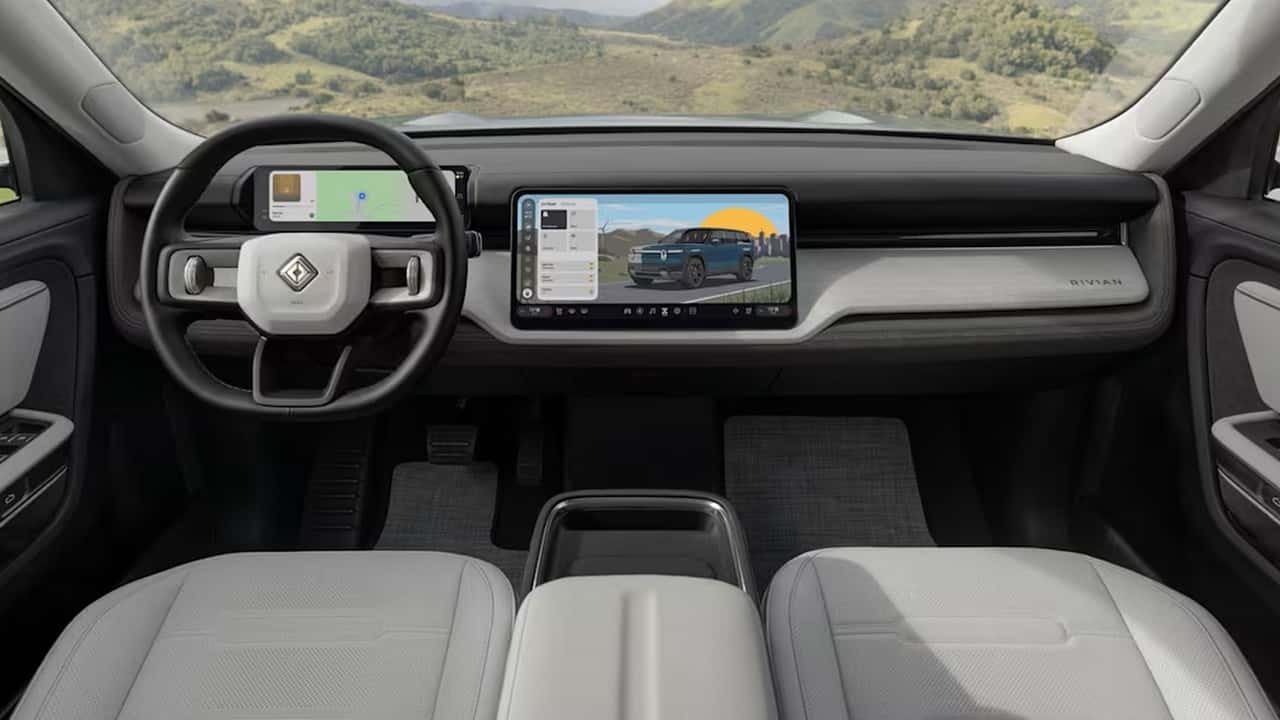
Rivian chief executive RJ Scaringe says a shortage of memory chips, driven by surging demand from AI data centres, is taking up much of the company's time and making some ordinary car parts harder to source.
By Eleanor Ellington · 4 min read
Rivian chief executive RJ Scaringe says a shortage of memory chips is consuming a large share of the electric carmaker's attention, as demand from the artificial intelligence boom pulls supply away from the automotive industry. In an interview reported by InsideEVs, Scaringe described the constraint as one that has become a daily management concern rather than a distant risk.
According to Scaringe, the pressure is coming from the rapid build-out of AI data centres, which are consuming large volumes of memory chips. That demand is drawing components away from carmakers, which have historically competed for a smaller share of global semiconductor output. Rivian's account suggests the effect is reaching beyond specialist electronics and into more routine parts that modern vehicles rely on.
The shortage is focused on memory chips rather than the vehicle as a whole. Scaringe's comments indicate that the broader problem is making ordinary car parts harder to get, though the interview excerpt does not describe the full range of components affected. Modern cars contain a growing number of chips that control everything from infotainment and driver assistance to battery management, so constraints on a single category can ripple through production planning, procurement schedules and the engineering decisions that determine which components can be substituted.
The timing matters because electric vehicle makers such as Rivian have built their production plans around a steady flow of electronics, and they rely on suppliers to forecast demand months ahead. When a component class tightens, companies may have to spend more time securing allocations, reworking designs or negotiating with suppliers over availability. Scaringe's remarks, as reported, describe exactly that kind of administrative and operational burden, rather than a single discrete failure on the production line.
Several important details remain unclear. The reporting does not say how long the shortage is expected to last, nor which Rivian models or production volumes are affected. There are also no figures on price increases or delivery delays, so it is not possible to say how the constraint is translating into costs or waiting times for customers. Without those specifics, the scale of the impact on Rivian's output cannot be measured from the available account, and no comment from other carmakers or chip suppliers is included in the material.
The episode highlights a wider tension in the technology supply chain. As companies invest heavily in AI infrastructure, the components needed for that buildout are competing directly with those needed by other manufacturers, including carmakers that are themselves becoming more dependent on advanced electronics. Scaringe's remarks point to a situation in which the growth of one sector is creating operational headaches for another, with the consequences falling on the planning and day-to-day work of companies like Rivian and on the customers who depend on their vehicles arriving on schedule.
Source: insideevs.com
20