Business 385
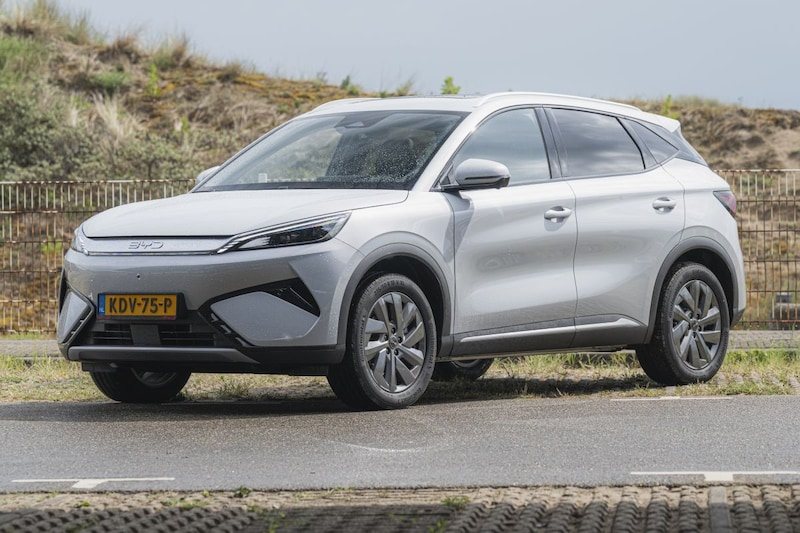
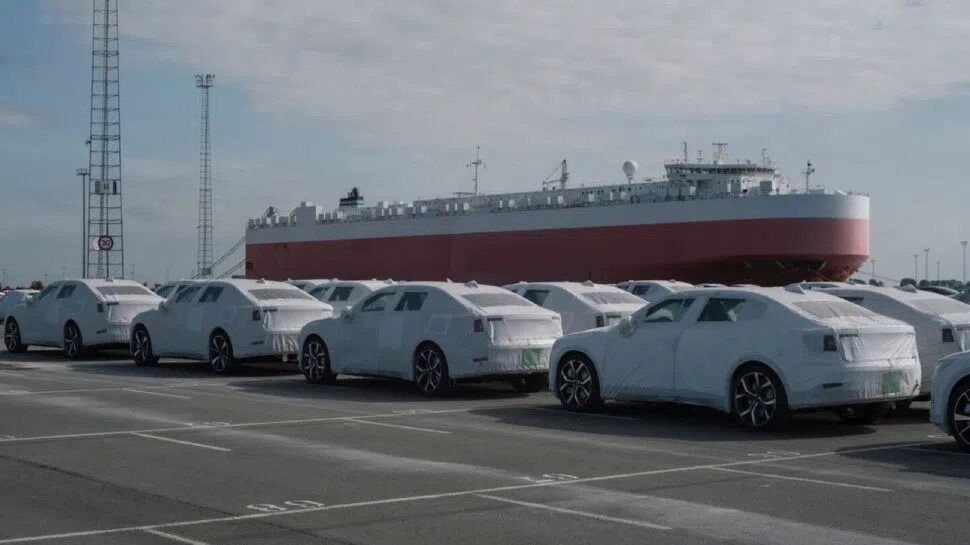
Chinese makers rush plug-in hybrids into EU before quota
In this issue
Business 385
Chinese makers rush plug-in hybrids into EU before quota
Culture 405
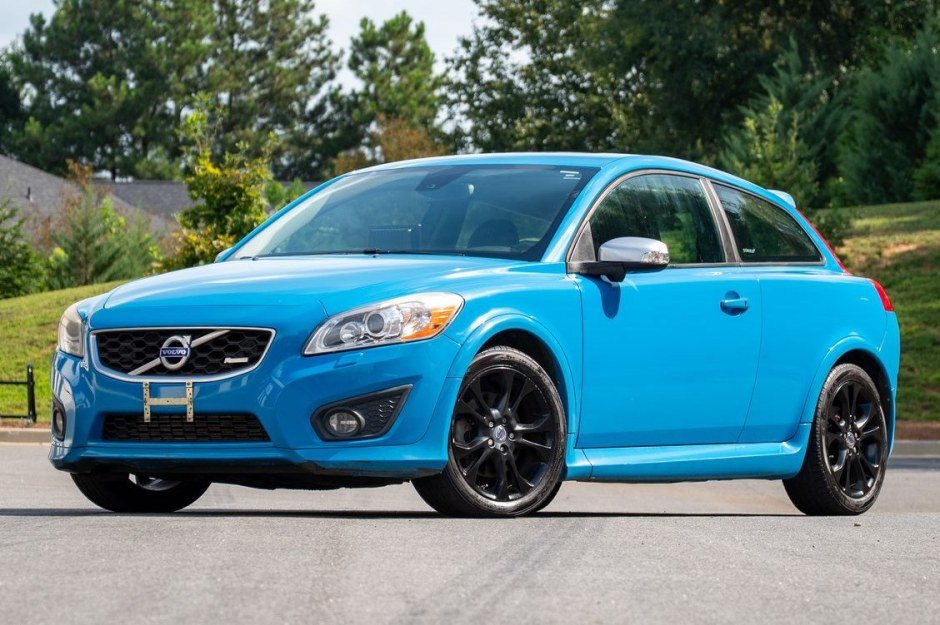
Rare 2013 Volvo C30 Polestar Limited Edition goes to auction with no reserve
Economy 53
Oil prices fall on hopes of easing Iran conflict
News 171
Britons stock up on tinned food and bottled water after Be Ready campaign
Politics 126
Krystyna Janda ostrzega przed rozpadem demokracji w Polsce
Sports 305
Gill Bowls First as Rain Cuts Hamilton ODI to 40 Overs
Technology 367
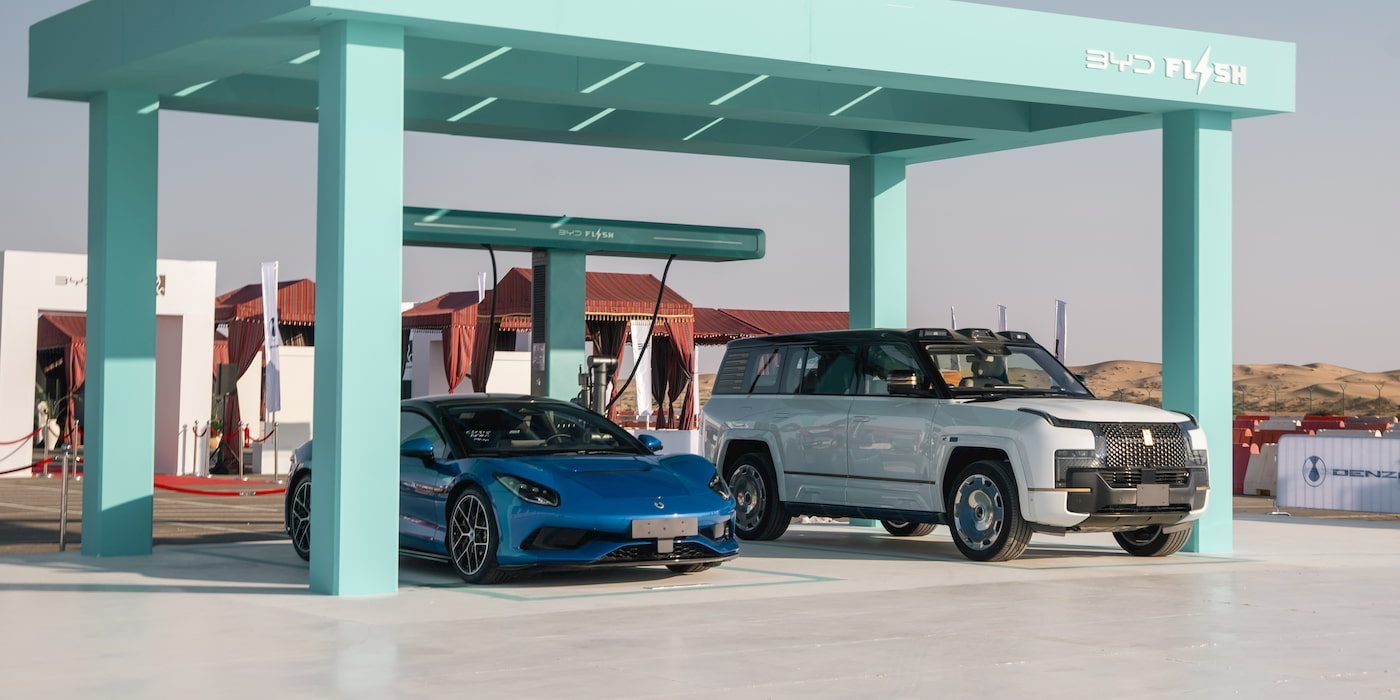
BYD Shows Robotic Arm That Plugs In Electric Vehicles Automatically
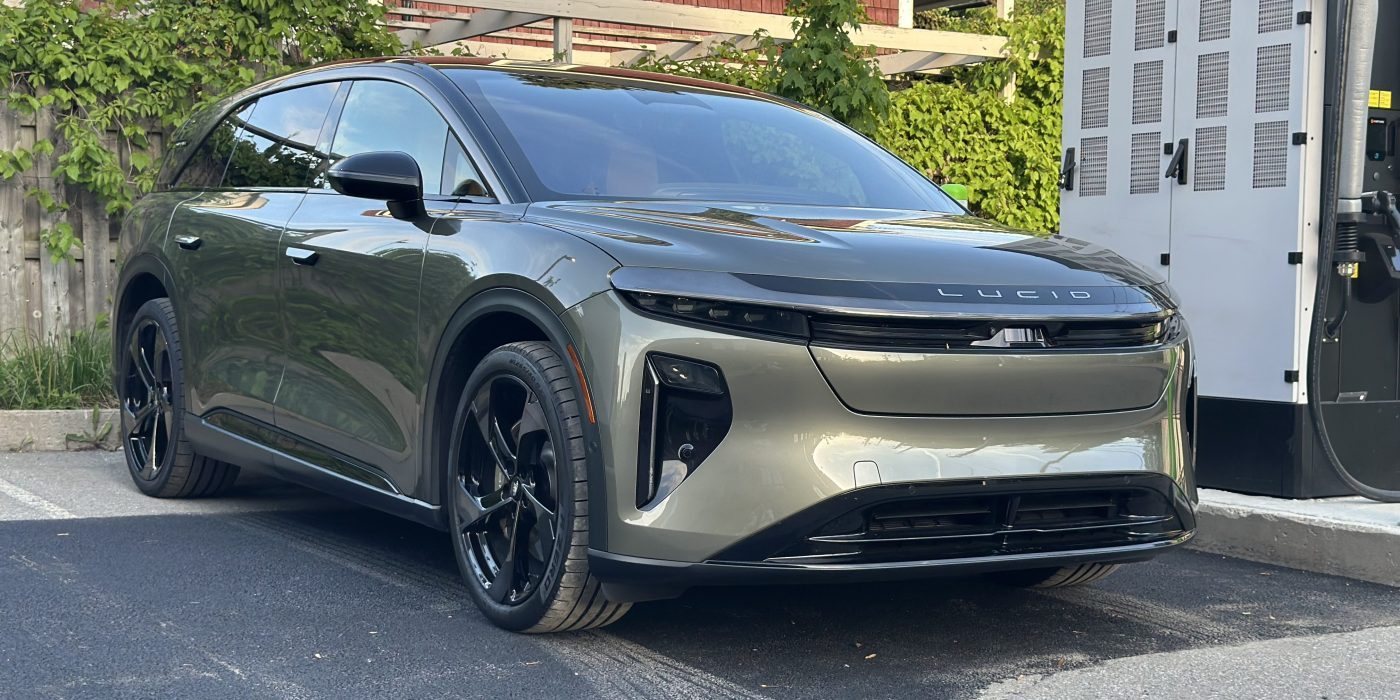
An Autocar commentary questions whether motorised doors on the Genesis GV90 add any real luxury, arguing that simplicity and reliability matter more to buyers.
By Charlotte Redford · 4 min read
Motorised car doors are increasingly presented as a mark of premium engineering, but a hands-on experience with the Genesis GV90 suggests the feature may be more trouble than it is worth. The flagship SUV, which features electrically operated doors on its upper-tier Neolun derivative, has drawn scepticism from an Autocar writer who argues that simplicity and easy usability are the truer measures of luxury. The criticism arrives at a time when manufacturers are adding ever more automated features to premium vehicles, often as headline selling points rather than as genuinely useful improvements.
The author attended the car's global debut event and tried the doors in an open, uncrowded space, with no obstacles or other people nearby. Even under those ideal conditions, triggering the doors smoothly proved difficult. They stuttered or stopped altogether, and failsafe sensors intervened, leaving the writer unimpressed by a system that appeared unreliable in the very circumstances where it should have worked best. For a car positioned at the top of the range, that kind of hesitation undermines the impression of polish that buyers expect at this price.
A practical problem also emerges from the design. The doors on the GV90 are very wide, which means they need a considerable amount of clear space to open fully. In confined spots such as tight parking bays or narrow streets, that width becomes a limitation rather than an advantage. The doors open and close independently, which distinguishes them from the overlapping, so-called suicide-style doors found on some other vehicles. That arrangement avoids one common complaint about rear-hinged doors, but it does not solve the wider question of how much room a driver and passengers need around the car.
The commentary draws a clear contrast with motorised doors that have earned a better reputation. Rolls-Royce's assisted doors are described as the best motorised doors the writer has used, which sets a benchmark against which the GV90 falls short. The article also cites the Peugeot 1007, whose sliding doors are presented as a failed example, with the mechanism malfunctioning on inclines. Taken together, these examples suggest that motorised doors have a mixed record, and that a feature which works well in one vehicle can be unreliable in another.
The author's broader argument is that a car's luxury lies in how effortlessly it works, not in how many automated features it carries. A door that opens reliably with a simple action, the writer suggests, offers more real refinement than one that requires coaxing and may fail when it matters. Whether buyers will agree remains to be seen, but the criticism highlights a tension that manufacturers face as they add technology to premium models. Each new automated function introduces another component that can go wrong, and the cost of that failure is felt most by the customer standing beside a car that will not open.
Source: autocar.co.uk
3