Business 383
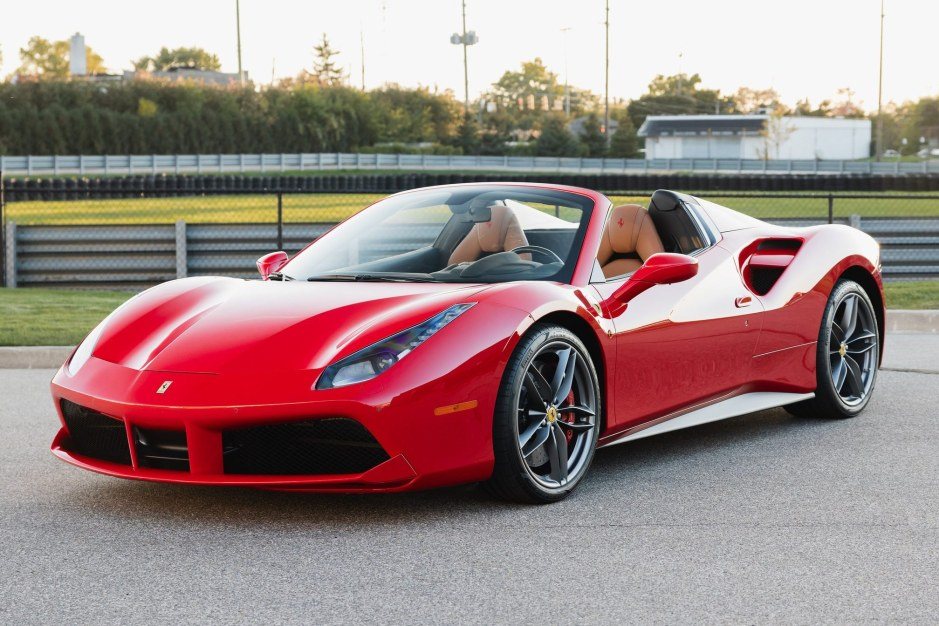
Dealer Lists Low-Mileage 2017 Ferrari 488 Spider Imported From Canada
In this issue
Business 383
Dealer Lists Low-Mileage 2017 Ferrari 488 Spider Imported From Canada
Culture 404
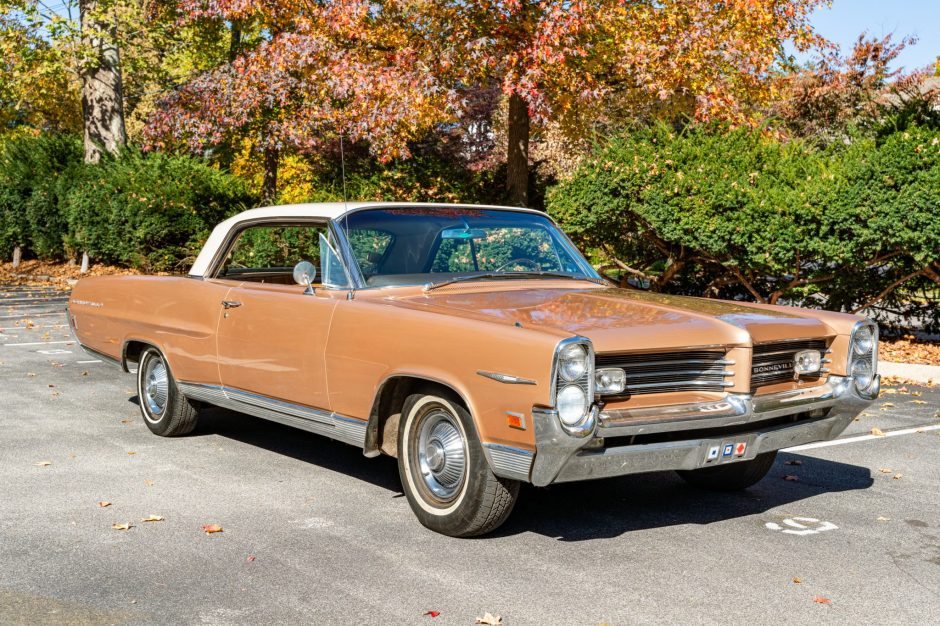
Ex-submarine officer's 1964 Pontiac Bonneville coupe heads to auction
Economy 53
Oil prices fall on hopes of easing Iran conflict
News 171
Britons stock up on tinned food and bottled water after Be Ready campaign
Politics 125
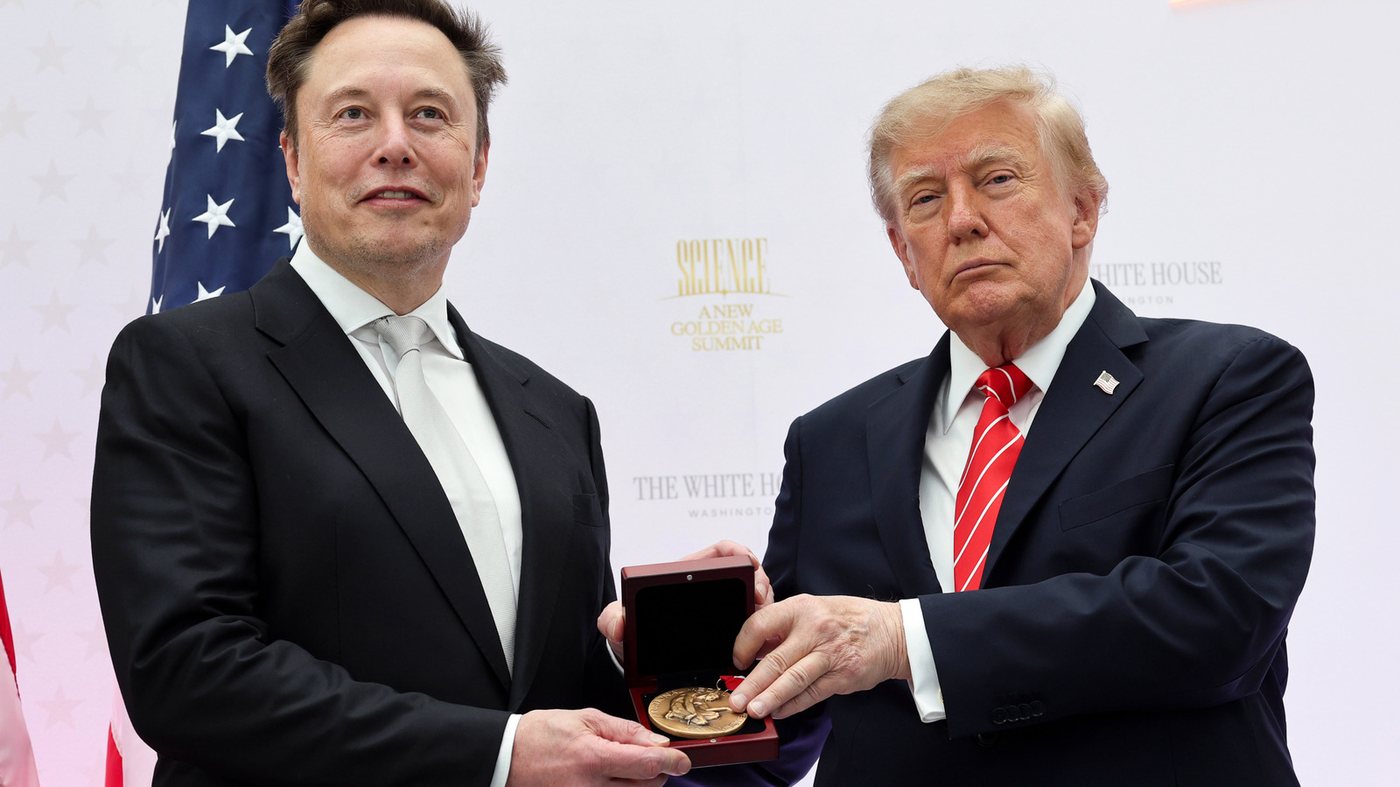
Musk’s reported $474 million political ad spend contrasted with alternative car p…
Sports 305
Gill Bowls First as Rain Cuts Hamilton ODI to 40 Overs
Technology 367
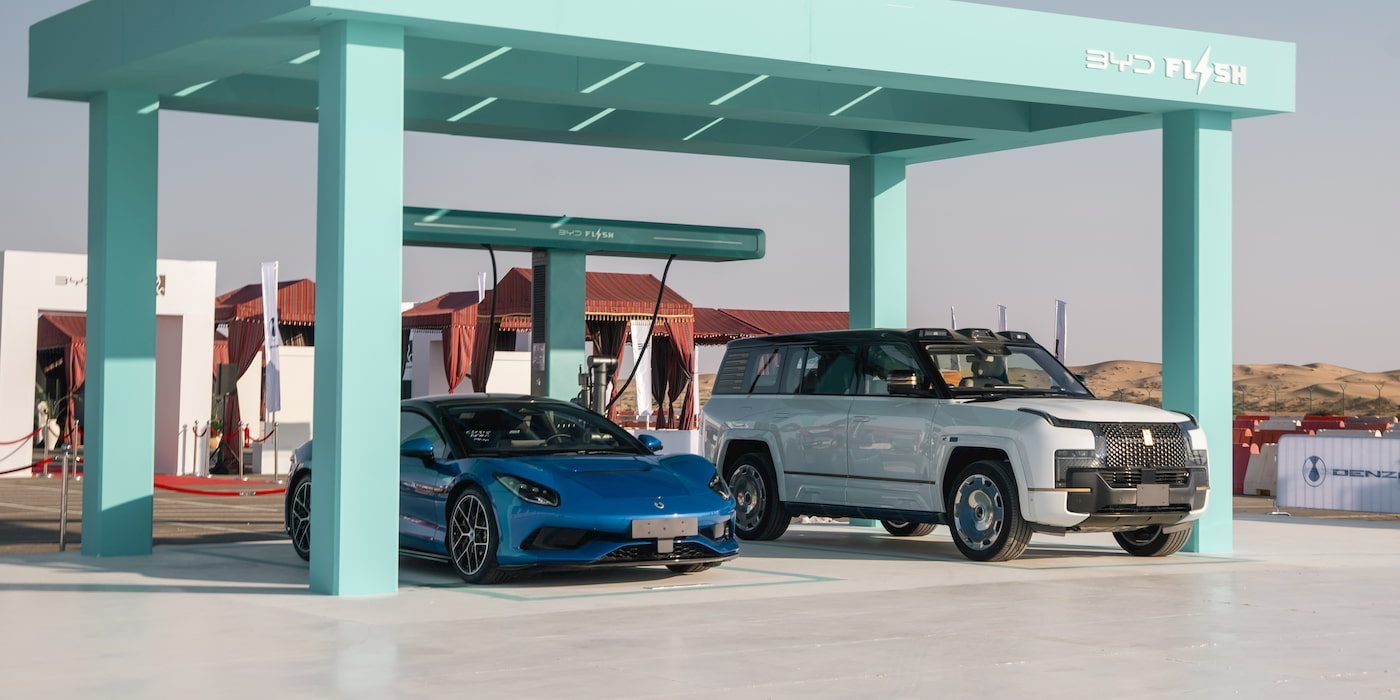
BYD Shows Robotic Arm That Plugs In Electric Vehicles Automatically
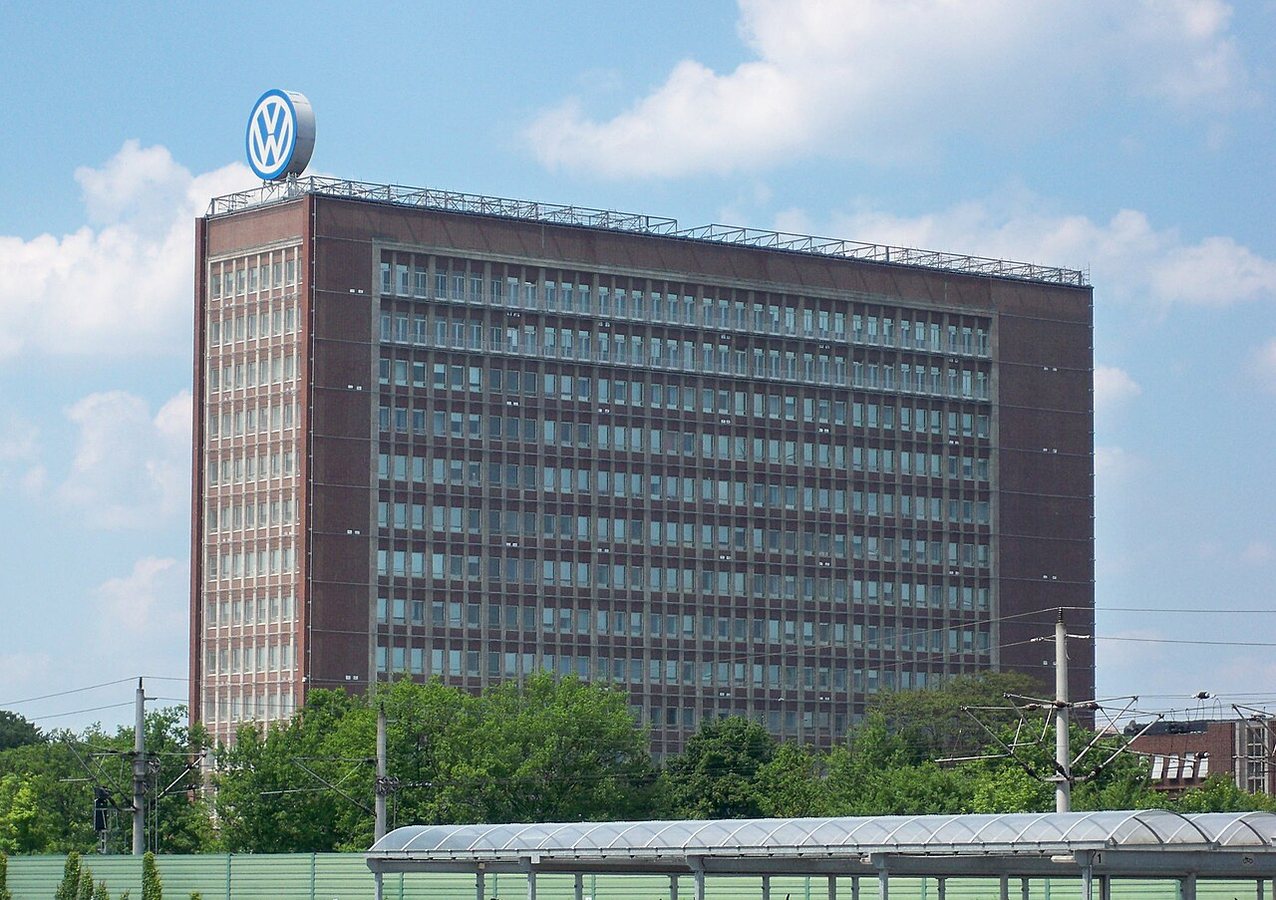
Volkswagen Group's electric vehicle share of orders has reached 40 per cent, well ahead of its 2029 target, but the faster shift is squeezing margins as the group earns less on each EV than on a combustion car.
By George Kensington · 3 min read
Volkswagen Group has seen electric vehicles reach 40 per cent of its orders through the end of September, a level it had originally planned to hit by 2029. The figure compares with roughly 25 per cent of European registrations so far this year, suggesting the German carmaker is outpacing the wider market. Yet the speed of the transition is creating a difficult financial picture, with the group currently earning less on each electric car than on a petrol or diesel model.
The shift has been accelerated by a sharp rise in fuel prices linked to the war involving Iran, which has pushed motorists towards battery-powered alternatives sooner than the company expected. Demand has been particularly strong for the group's new small electric models, which are sold under the Electric Urban Car Family banner. The range includes the Cupra Raval, the Skoda Epiq, the Volkswagen ID Polo and the ID Cross, and the family has generated around 150,000 orders so far.
Those orders are not translating neatly into profit. In its earnings commentary, the company described the faster move to electric as margin-dilutive, a term that signals each sale is adding less to the bottom line. The ID Cross is estimated to carry a margin of roughly 70 to 80 per cent of that of its combustion-engined equivalent, the T-Cross. The cheaper ID Polo is also weaker on margin than the petrol car it competes with. Chief financial officer Arno Antlitz has framed the challenge as one of managing the pace of change while protecting returns.
To close the gap, Volkswagen plans to reduce the cost of producing its electric cars, including by making lithium iron phosphate batteries in Europe. It is also developing a cost-competitive electric platform, known as SSP, which is due around 2029 but remains in development. Until those measures take effect, the group faces continued pressure from its existing products.
That pressure is compounded by weak sales in China, one of the company's most important markets, at a time when competition is intensifying. Chinese manufacturers and other European rivals are pushing hard in the affordable electric segment, where Volkswagen is betting heavily. The central uncertainty is whether these cheaper electric cars can reach profitability quickly enough to satisfy shareholders, even as the strong order books suggest the strategy is working on the sales side.
Source: autocar.co.uk
6