Business 364
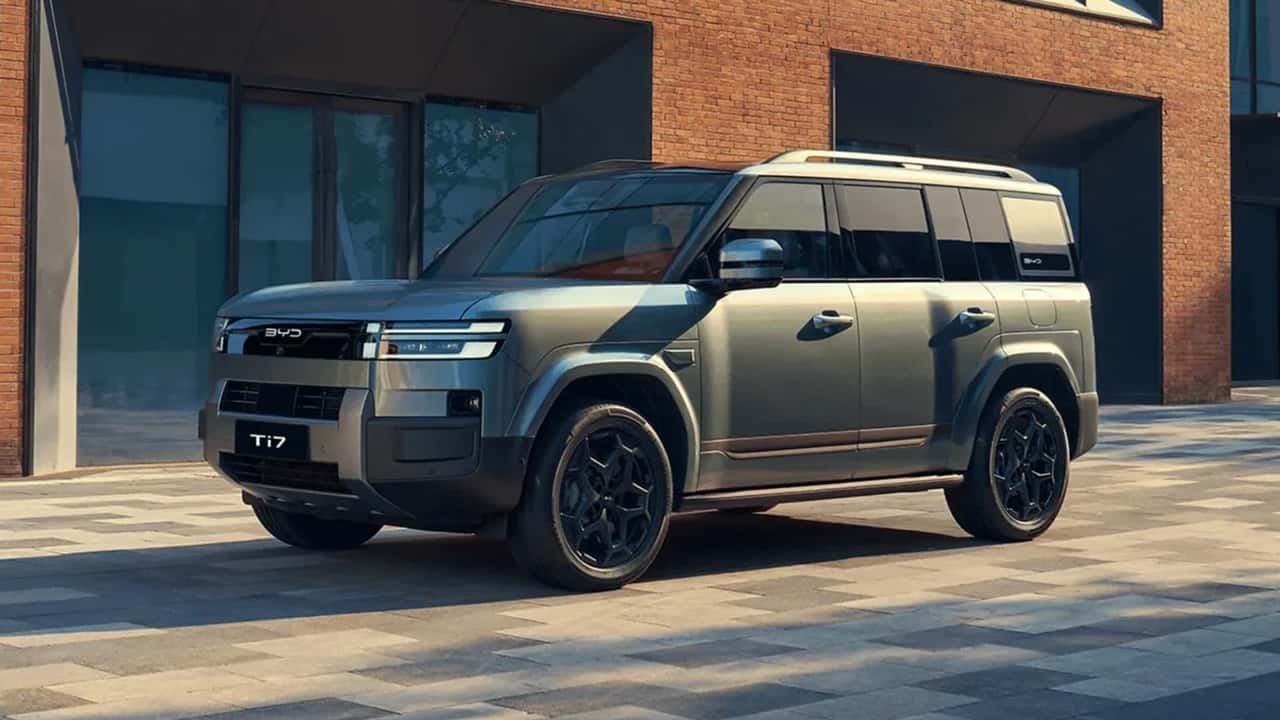
Jaguar Land Rover accuses BYD of copying Defender parts for Ti7
In this issue
Business 364
Jaguar Land Rover accuses BYD of copying Defender parts for Ti7
Culture 393
British company raises $20 million to revive deceased musicians through AI
Economy 52
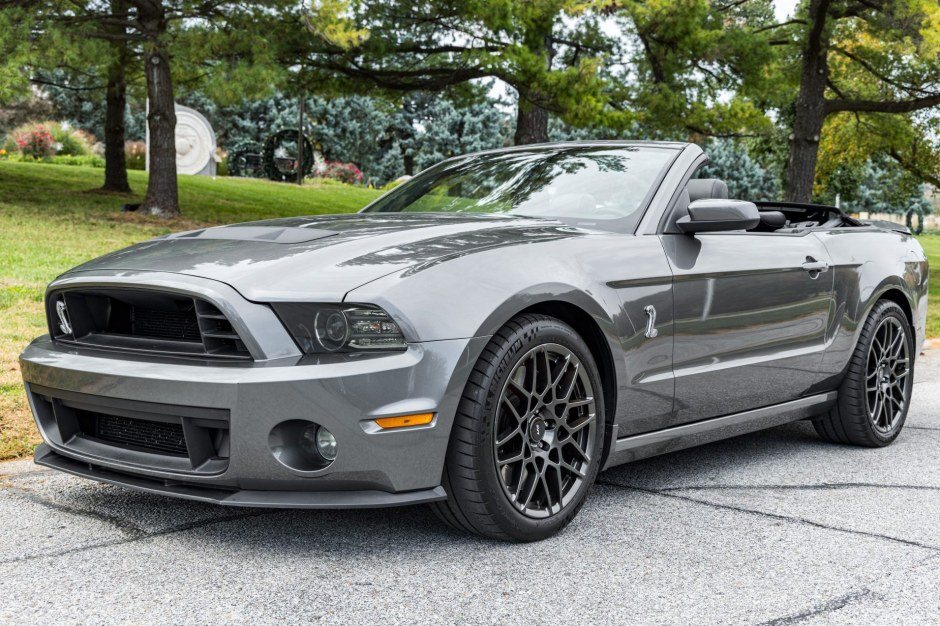
A 2014 Mustang Shelby GT500 Convertible Goes to Auction on Bring a Trailer
News 167
Thailand faces criticism over plans to return two Uyghur men to China
Politics 125
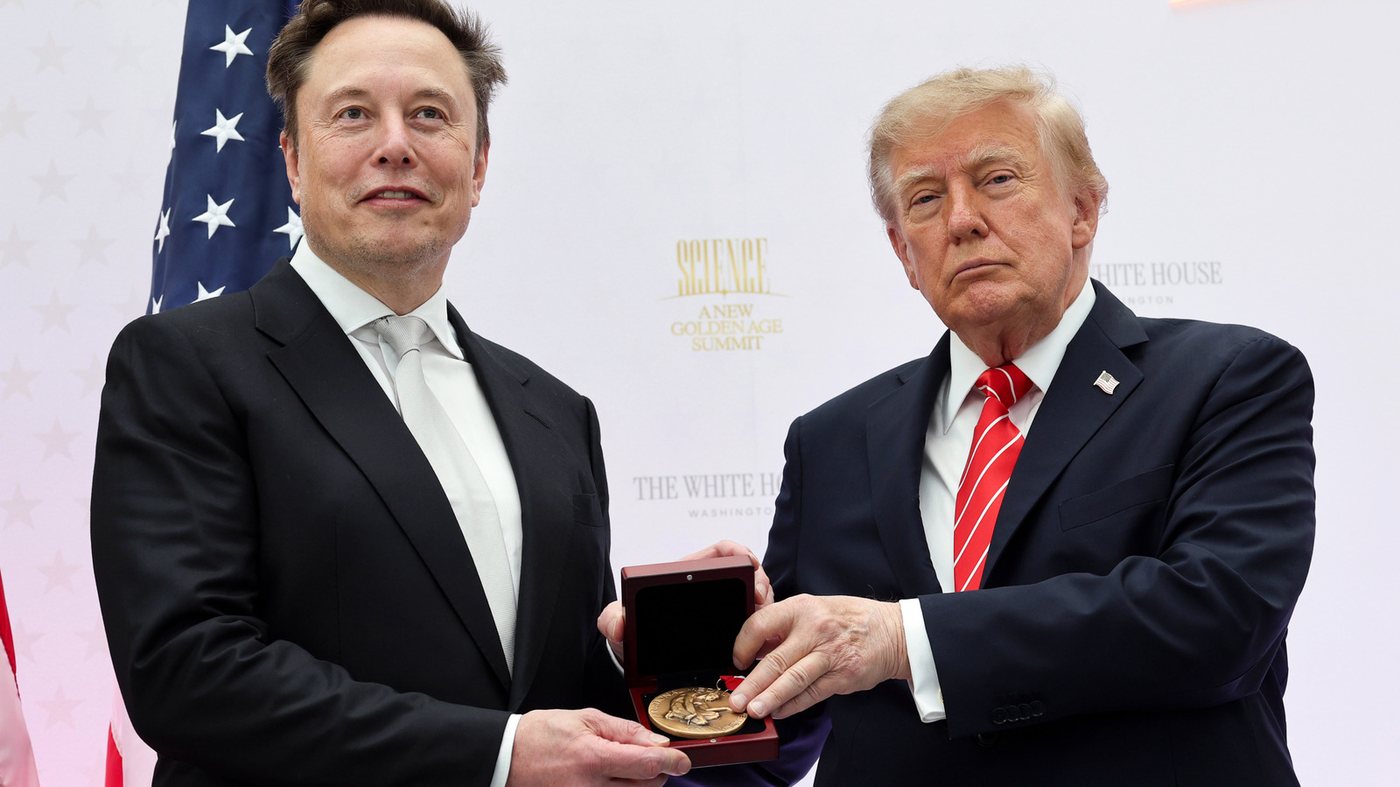
Musk’s reported $474 million political ad spend contrasted with alternative car p…
Sports 304
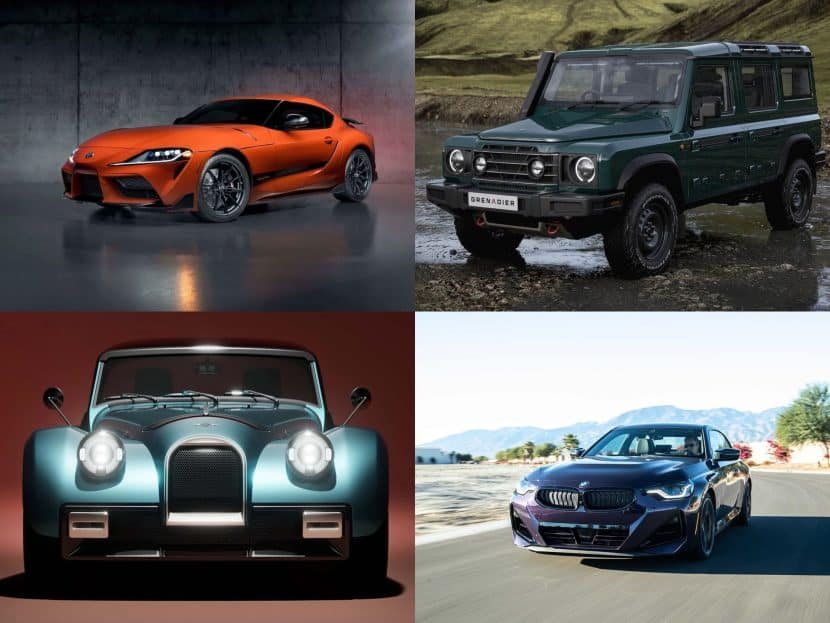
Lightweight Morgan Supersport 400 beats BMW M240i and Toyota Supra in drag race
Technology 365
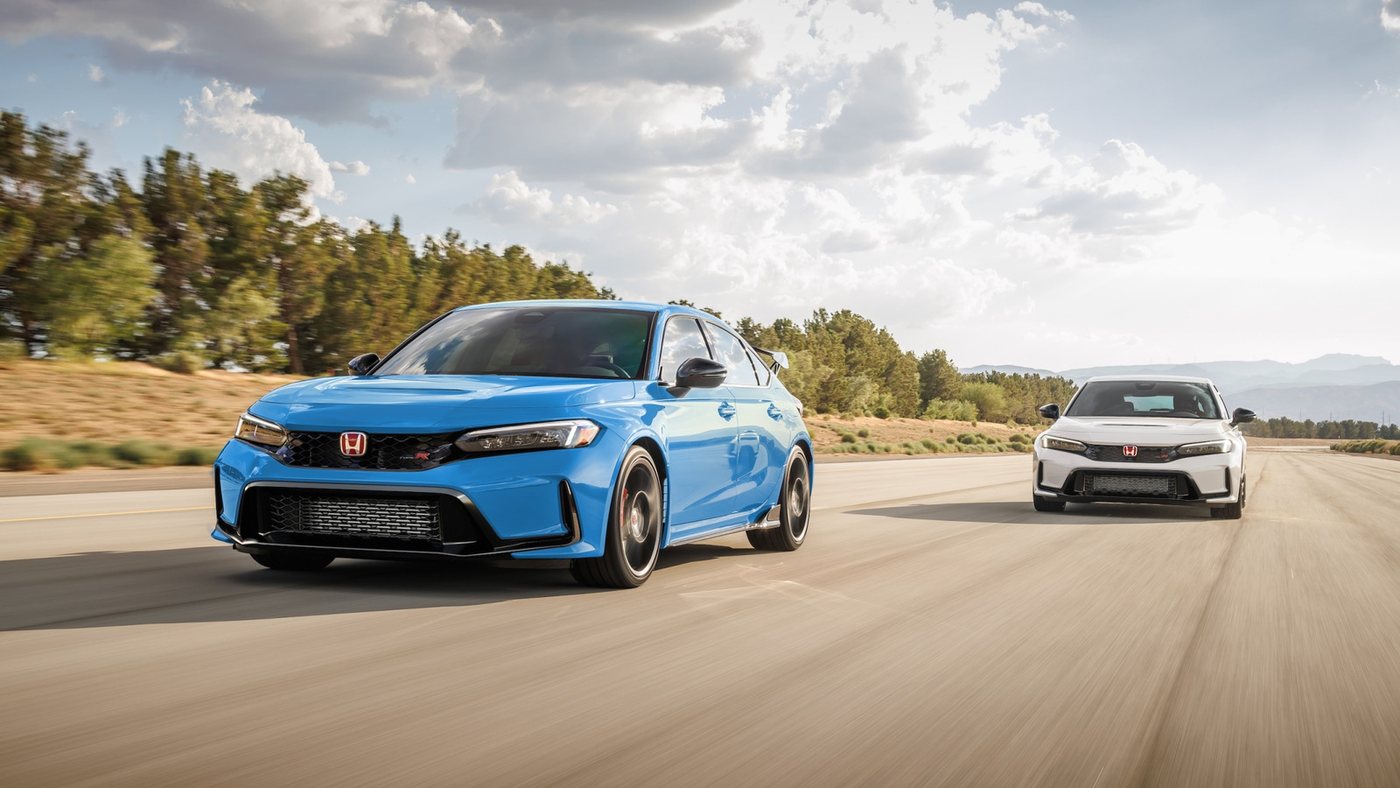
Gas-powered sport compacts still deliver around 300 horsepower
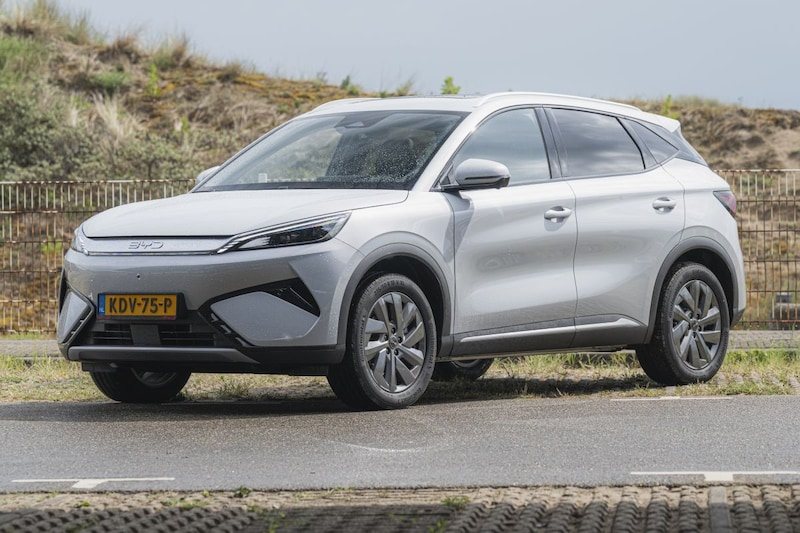
Fourteen MEPs ask the European Commission whether BYD poses a security risk in the EU, after the American Pentagon barred the Chinese carmaker from a military base in Japan.
By Edward Beaumont · 2 min read
Fourteen Members of the European Parliament want the European Commission to investigate whether Chinese carmaker BYD also poses a security risk in the European Union. They submitted written questions to the Commission, as previously reported by the American trade publication Automotive News.
The trigger is a decision by the American Pentagon in October, which banned BYD cars from the Kadena Air Base on Okinawa in Japan. The Pentagon called the vehicles an unacceptable security risk but did not provide further details about the reason. According to the European politicians, precisely this lack of clarity is why a thorough assessment is needed.
The initiative comes from French MEP François Kalfon. The parliamentarians want the European Union Agency for Cybersecurity, ENISA, to assess the security risks of BYD cars. They also ask the Commission whether BYD should be placed on a list of high-risk suppliers.
Their concern focuses on Chinese intelligence legislation, which obliges companies to cooperate with the state. According to the politicians, modern cars are equipped with cameras and sensors that collect data and are often connected to the internet. In their view, this combination makes it a serious point of attention when it comes to vehicles of Chinese origin.
The MEPs also ask whether Chinese cars could be subject to restrictions on access to strategic infrastructure. They further want to know whether BYD could be excluded from public procurement. In this way, the questions touch on the broader European discussion about dependence on Chinese technology and the protection of sensitive data.
BYD responds to the concerns by stating that data stored in the cars is not remotely accessible from China. BYD Europe also states that it does not share data with Chinese entities or third parties. It is not yet clear whether the European Commission will actually take measures, or what ENISA will conclude.
Source: autoweek.nl
1