Business 363
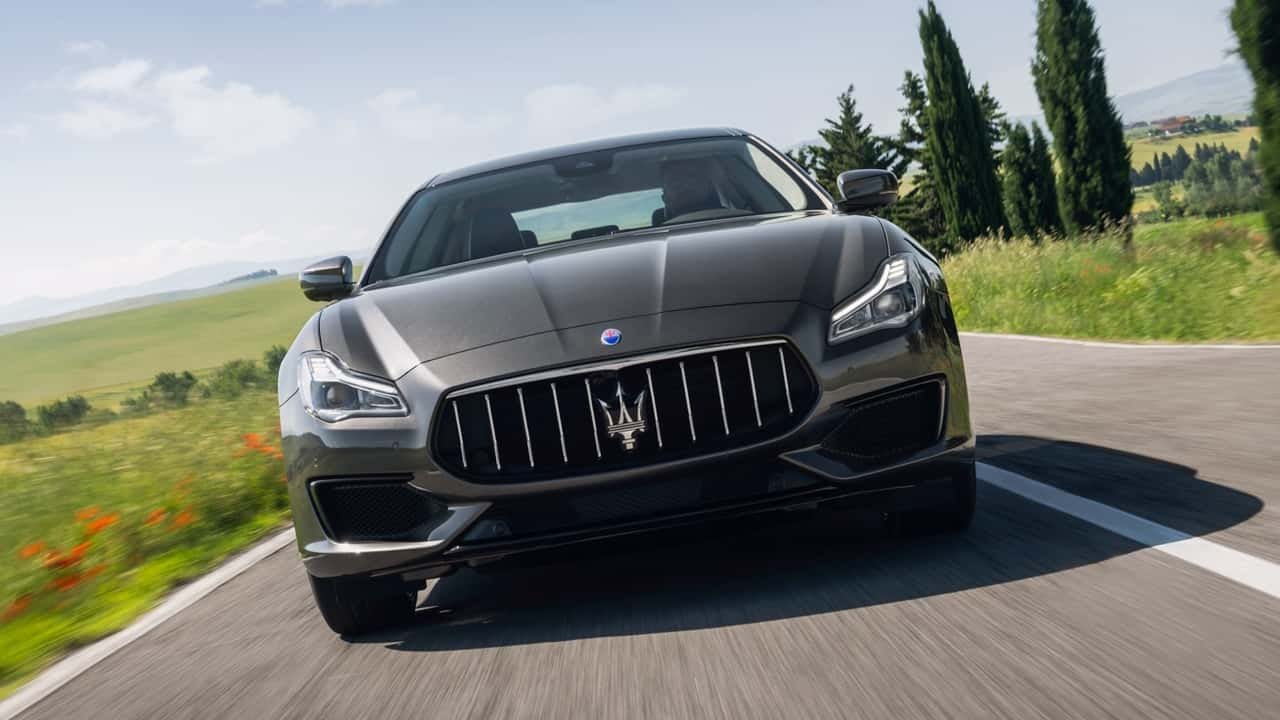
Motor insurers face steep premium rises as claims costs climb
In this issue
Business 363
Motor insurers face steep premium rises as claims costs climb
Culture 393
British company raises $20 million to revive deceased musicians through AI
Economy 52
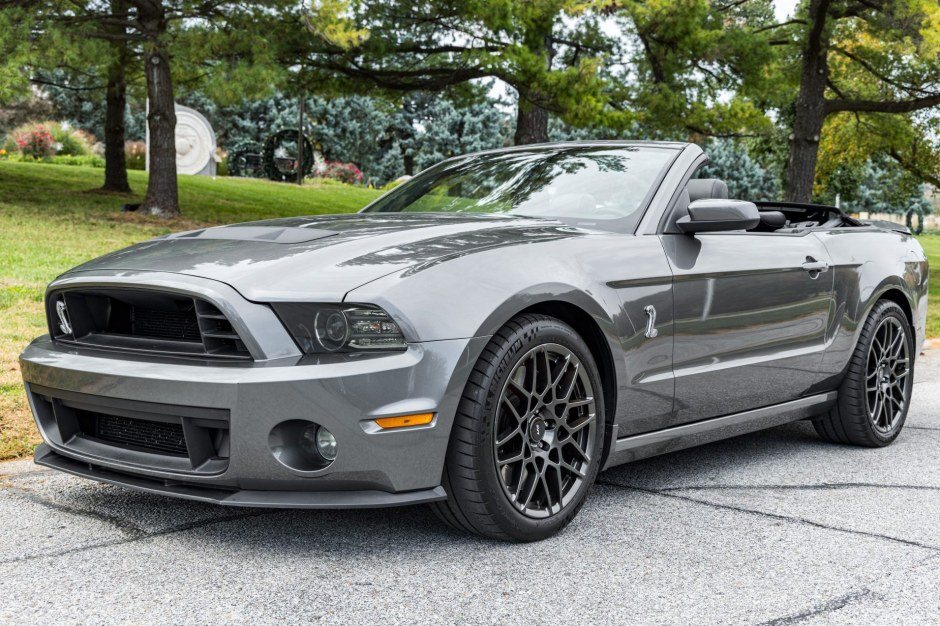
A 2014 Mustang Shelby GT500 Convertible Goes to Auction on Bring a Trailer
News 167
Thailand faces criticism over plans to return two Uyghur men to China
Politics 125
Musk’s reported $474 million political ad spend contrasted with alternative car p…
Sports 304
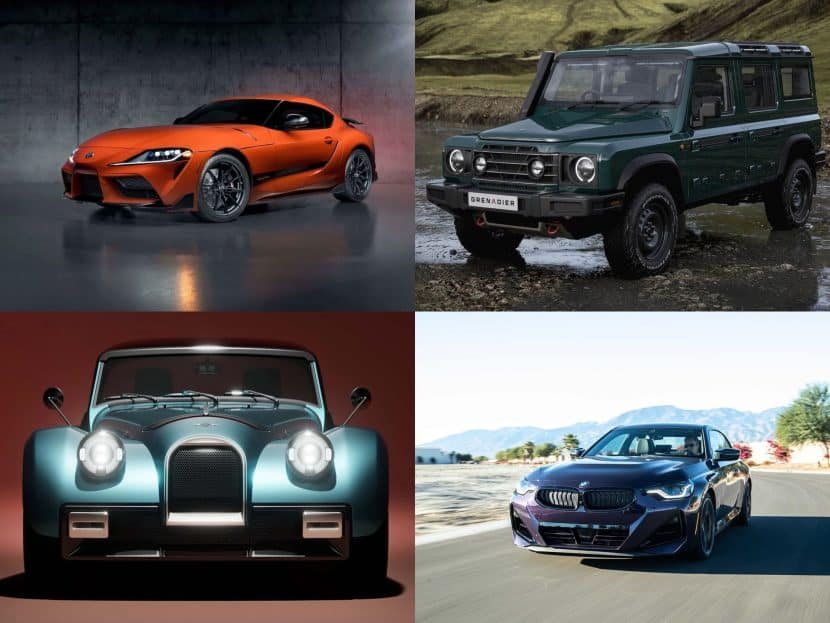
Lightweight Morgan Supersport 400 beats BMW M240i and Toyota Supra in drag race
Technology 366
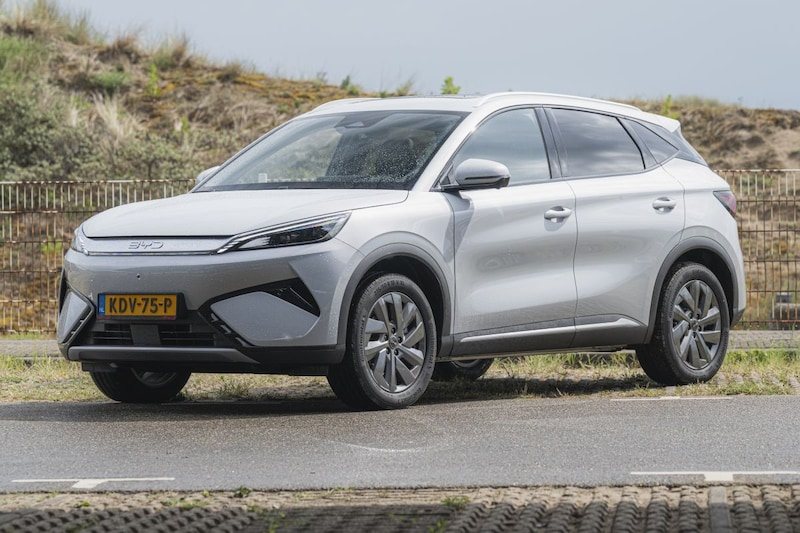
Fourteen MEPs Ask EU to Probe Security Risks of BYD Cars
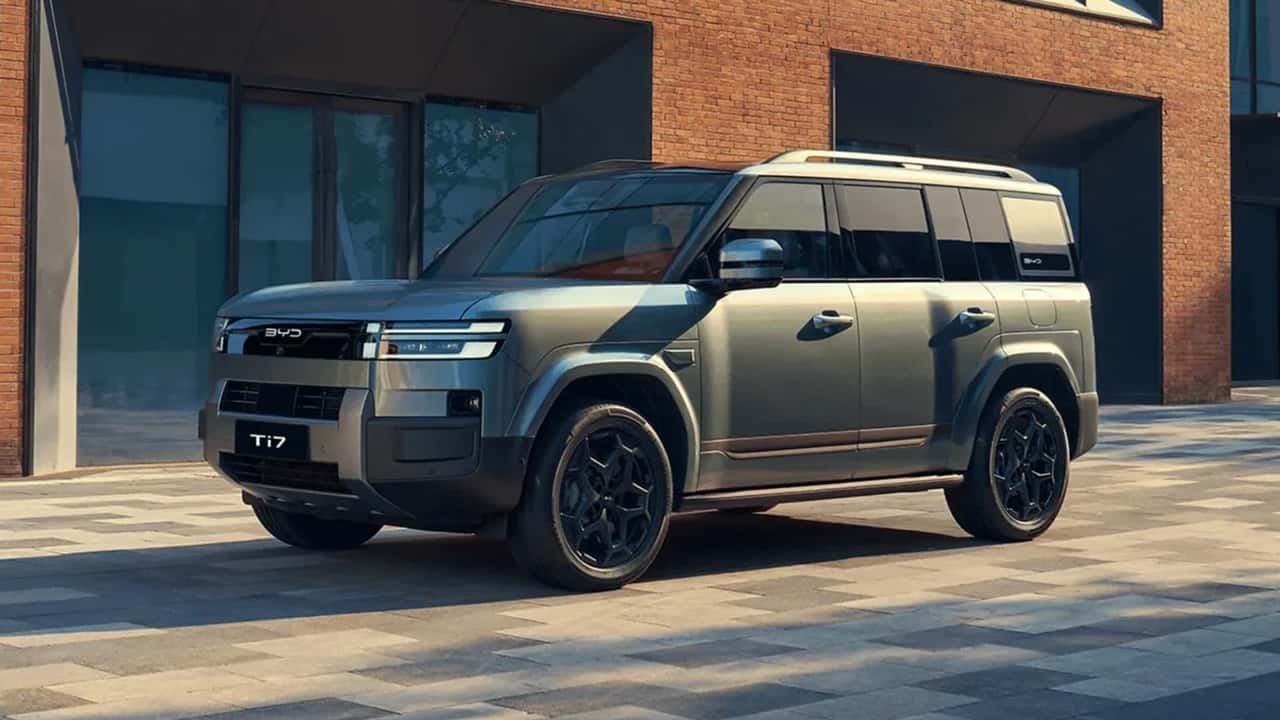
Jaguar Land Rover has taken legal action against BYD over claims that the Chinese carmaker reverse-engineered Defender components for its Ti7 SUV, with bailiffs reportedly seizing digital data from BYD offices in the Netherlands.
By Charlotte Redford · 3 min read
Jaguar Land Rover (JLR) is pursuing a court case against Chinese electric carmaker BYD, alleging that the company reverse-engineered parts of the Land Rover Defender for use in its Ti7 SUV. The dispute, first reported by The Sunday Times, centres on claims of intellectual property infringement and is due to be heard in The Hague this week.
According to the reporting, bailiffs carried out raids on BYD offices in Hoofddorp and Schiedam in the Netherlands in August, acting under a court authorisation obtained on JLR's behalf. The bailiffs reportedly seized digital data during the operations. The raids indicate that JLR sought to secure evidence before the matter reached a full hearing, a step that allowed the company to examine material held by BYD before the case is argued in court.
The commercial gap between the two vehicles is considerable. The BYD Ti7 is priced at around €57,500 in the UK, while the Land Rover Defender costs at least about €82,000. The price difference places the two models at different ends of the market, yet JLR's complaint concentrates on the engineering behind the Ti7 rather than on pricing, with the company arguing that specific Defender components were copied rather than independently developed.
The case is not the first time JLR has challenged a Chinese manufacturer over design similarities. In 2019, the company won a case against Jiangling, whose Landwind X7 had drawn comparisons to the Range Rover Evoque. That earlier ruling gives JLR a precedent in the field of automotive design disputes, and it suggests the company is prepared to take such claims through the courts rather than settle them informally.
The dispute also highlights a wider pattern in which several Chinese SUVs have been noted for resemblances to established European and British models. Examples cited in the reporting include vehicles from Geely, Jetour, Great Wall, BAIC and iCaur. Such comparisons have become a recurring point of debate as Chinese brands expand their presence in Europe, where they compete directly with long-established manufacturers on both price and styling.
BYD's sister brands, Denza and Yangwang, also sell models in Europe, meaning that any outcome in the Dutch proceedings could have implications beyond the Ti7 itself. Should the court find in JLR's favour, the ruling could affect how the wider group approaches product development and the sourcing of components. The Hague hearing will be watched closely by the wider automotive industry as manufacturers weigh how best to protect their designs in an increasingly competitive market.
Source: motor1.com
12