Business 374
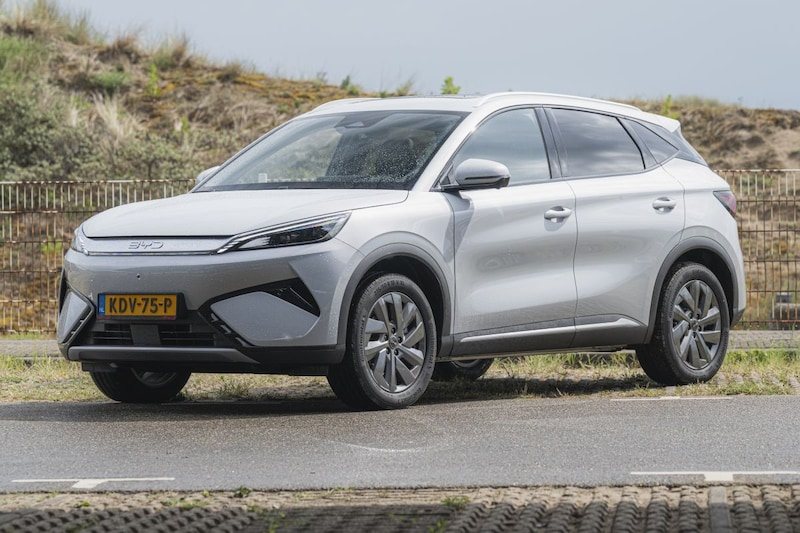
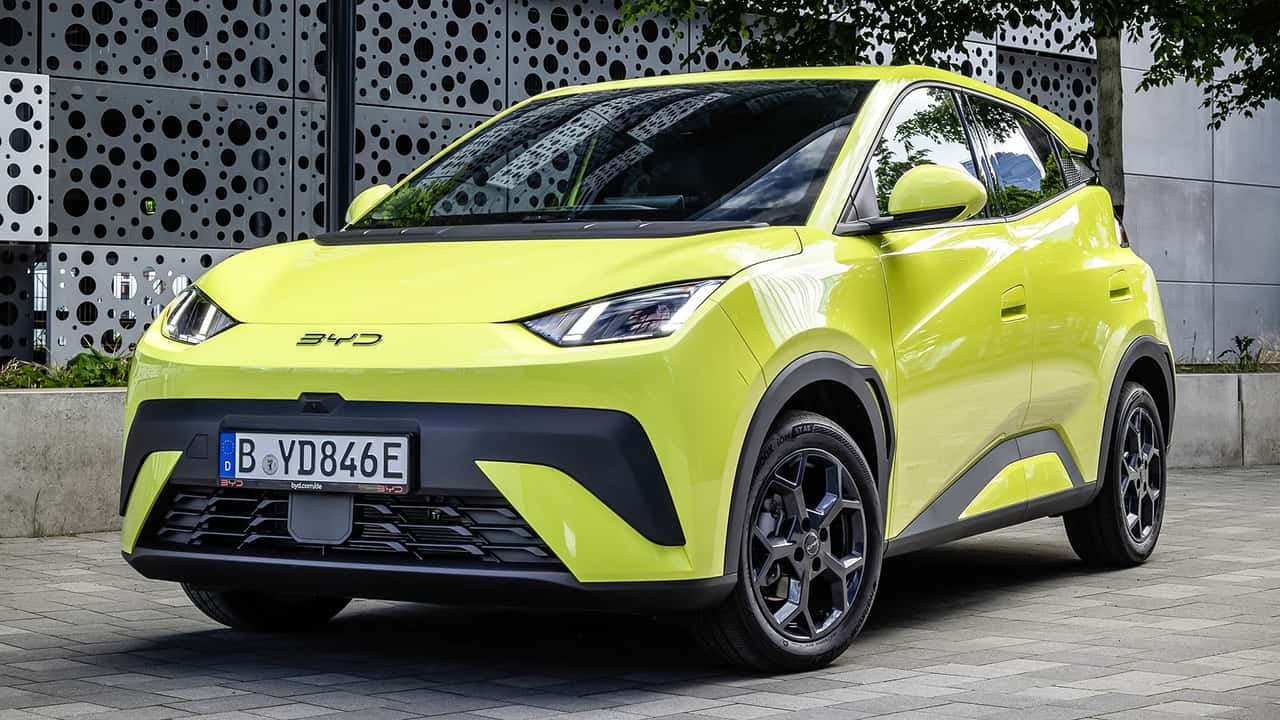
European officials seek investigation of BYD over data espionage concerns
In this issue
Business 374
European officials seek investigation of BYD over data espionage concerns
Culture 401
KTM unveils Arrow off-roader to rival Ariel Nomad
Economy 53
Oil prices fall on hopes of easing Iran conflict
News 170
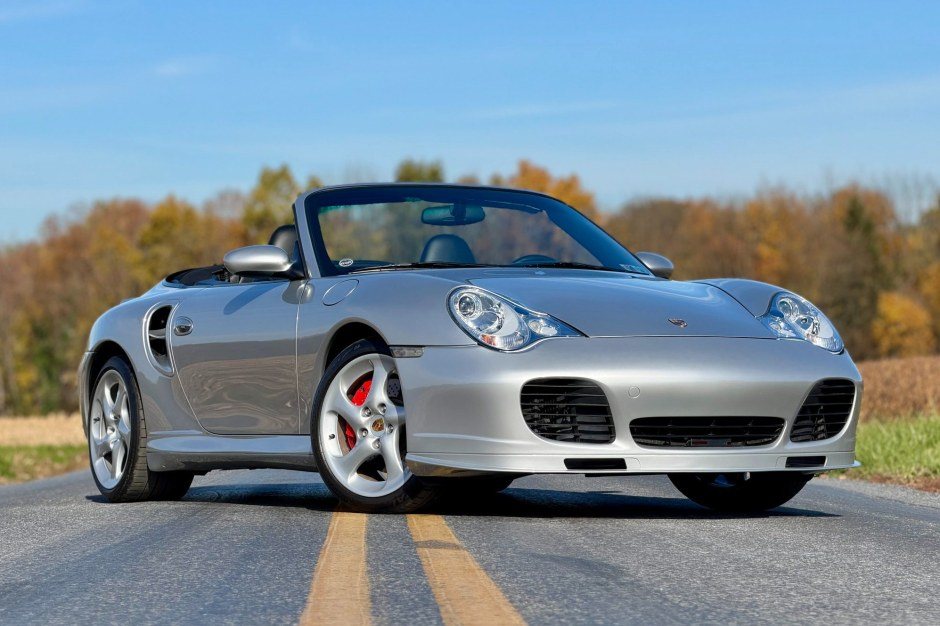
Seller Offers 2004 Porsche 911 Turbo Cabriolet With 23,000 Miles at Auction
Politics 125
Musk’s reported $474 million political ad spend contrasted with alternative car p…
Sports 305
Gill Bowls First as Rain Cuts Hamilton ODI to 40 Overs
Technology 366
Fourteen MEPs Ask EU to Probe Security Risks of BYD Cars
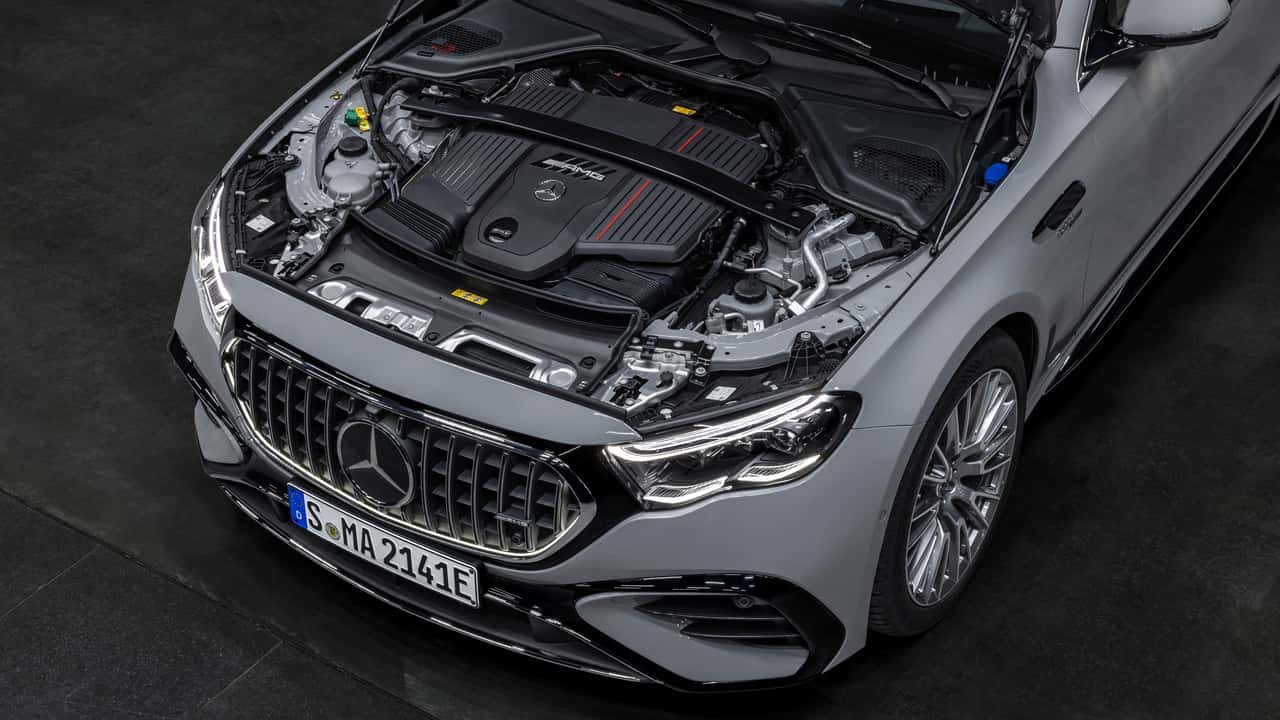
Mercedes-Benz chairman Ola Källenius says combustion engines, including diesel, will remain in the lineup for another 10 to 15 years, with the timeline driven by customer demand rather than a fixed phase-out date.
By Charlotte Redford · 2 min read
Mercedes-Benz chairman Ola Källenius has said that petrol and diesel engines are likely to remain in the carmaker's lineup for another 10 to 15 years. The comments signal that the German manufacturer does not intend to abandon combustion technology soon, even as it continues to launch electric models.
Källenius framed the timeline around customer demand rather than a set date for ending production. In his view, the pace at which buyers move away from combustion vehicles will determine how long those engines stay on sale. No exact end date for petrol or diesel models has been given, and the chairman did not say when diesel in particular might be withdrawn.
For now, Mercedes is keeping combustion engines in its range and offering diesel options alongside its new electric vehicles. The company is also continuing to introduce electric cars at the same time, which means the two powertrains are being developed and sold in parallel rather than in a clear sequence. The approach leaves the manufacturer free to respond to buyer preferences in each market instead of committing to a single transition date.
The statement stands out because many carmakers have set public targets for ending sales of combustion vehicles within the next decade. Källenius's remarks suggest Mercedes is willing to let consumer behaviour, rather than a fixed deadline, guide the shift away from petrol and diesel. That position puts the company at a different point from rivals that have tied their strategies to firm cut-off years.
The claim comes from a single company executive, and it has not been accompanied by a detailed schedule, production figures or a breakdown of how demand is expected to develop. Until more concrete plans are published, the 10-to-15-year figure should be read as an estimate tied to market conditions rather than a formal commitment. Any future change to the lineup would depend on the same factors the chairman highlighted, namely what customers choose to buy.
Source: motor1.com
7