Business 369
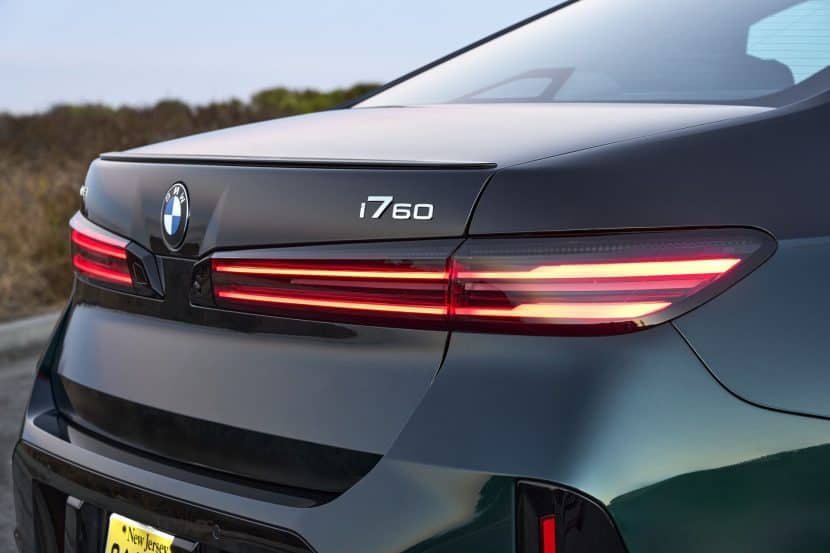
BMW i3 Electric Saloon Scores 4.5 Stars, Tops Performance EV Class in UK Review
In this issue
Business 369
BMW i3 Electric Saloon Scores 4.5 Stars, Tops Performance EV Class in UK Review
Culture 399
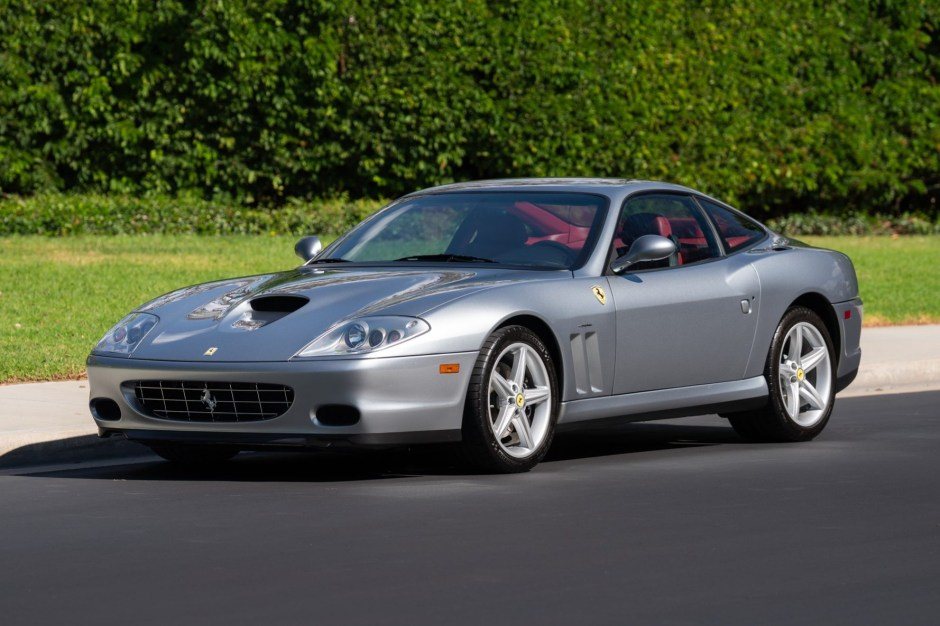
Ferrari 575M Maranello with 9,000 miles offered for sale
Economy 53
Oil prices fall on hopes of easing Iran conflict
News 168
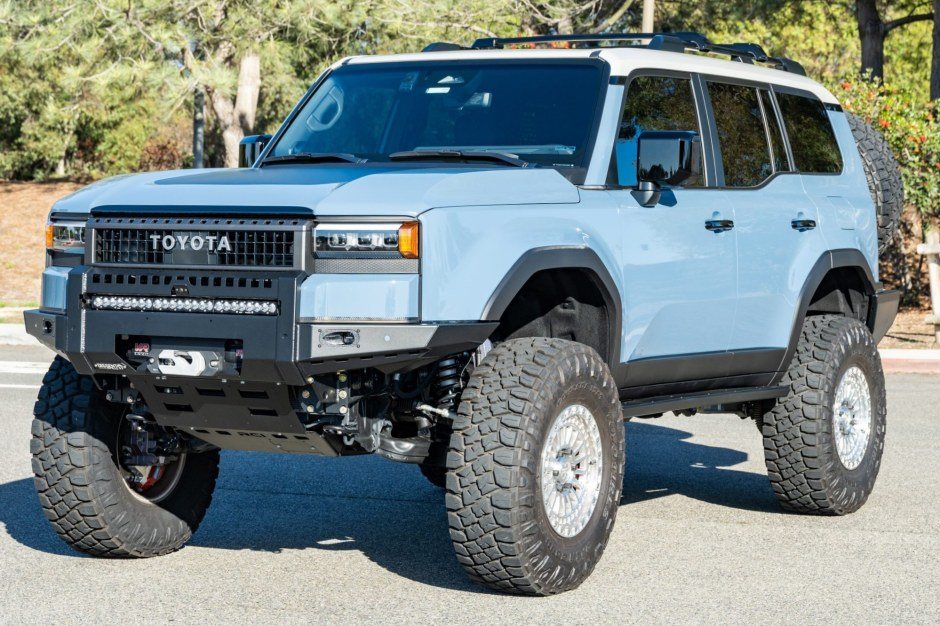
Modified 2026 Toyota Land Cruiser J250 heads to auction with extensive off-road u…
Politics 125
Musk’s reported $474 million political ad spend contrasted with alternative car p…
Sports 304
Lightweight Morgan Supersport 400 beats BMW M240i and Toyota Supra in drag race
Technology 366
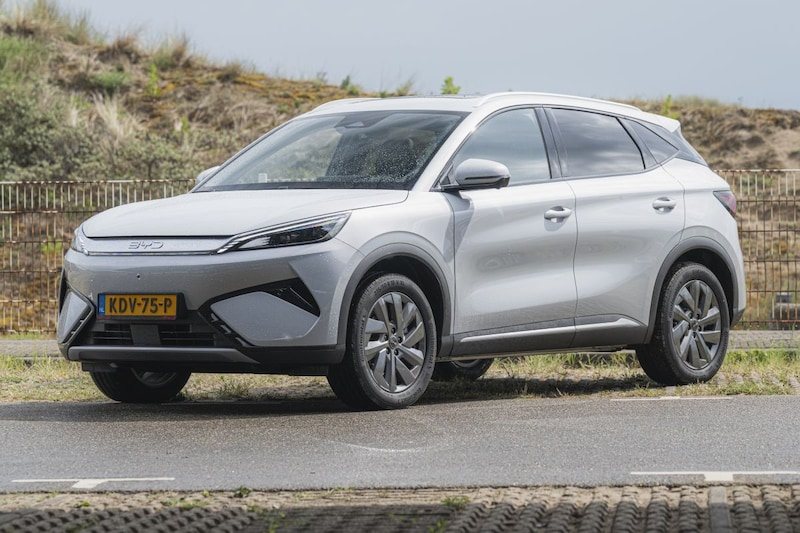
Fourteen MEPs Ask EU to Probe Security Risks of BYD Cars
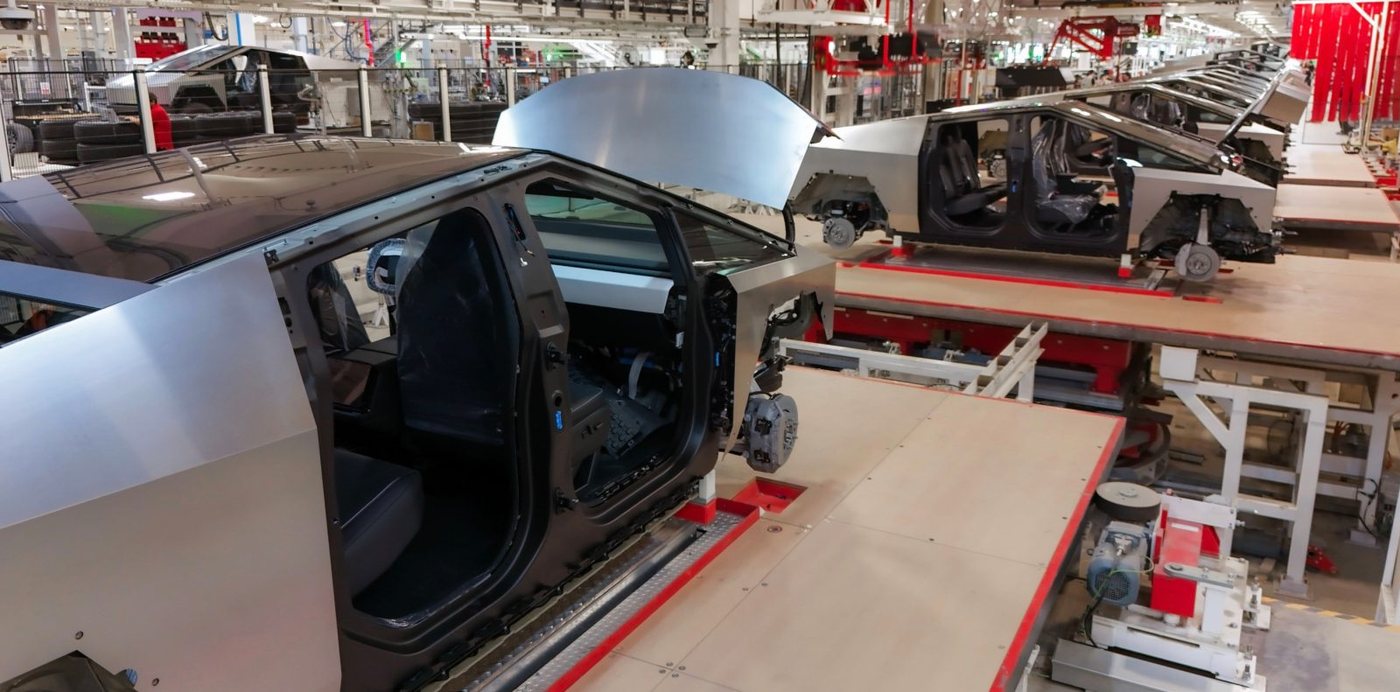
Elon Musk has claimed Cybertruck orders exceed Tesla's production rate, his second explanation for the truck's troubles in three days, while Tesla's own figures reportedly point to a line running near a quarter of capacity.
By Edward Beaumont · 3 min read
Elon Musk has argued that demand for the Cybertruck is not the problem, saying orders for the electric pickup exceed Tesla's production rate. The claim comes as reports circulate that Tesla is ending Cybertruck production, and it runs against figures that the company's own data reportedly shows, according to Electrek's reporting dated November 9, 2026.
The assertion is Musk's second explanation for the truck's trajectory in three days. Earlier, he had attributed the model's difficulties to a lack of profitability. The move from profitability to demand marks a shift in how the company is framing the Cybertruck's future, although the material available does not spell out the reasoning behind that change or whether it was prompted by any specific development.
Tesla's internal numbers reportedly place the Cybertruck production line near 25 percent of its capacity. That figure sits uneasily with a claim of orders outrunning output. A line operating at roughly a quarter of its potential is not usually a sign of a product struggling to keep up with buyers, and the reporting indicates that Tesla's own data contradicts Musk's demand claim on this point.
Throughout 2026, Tesla reportedly spent considerable effort trying to revive interest in the truck. The company discounted the vehicle, re-trimmed its configurations and repriced it. Such measures are typically taken when sales fall short of expectations, and they form the backdrop against which Musk's statement about strong orders is being weighed. Each adjustment, in other words, was made during the same period in which the company was publicly describing robust demand.
The gap between the two accounts matters for anyone tracking the programme. If orders really did exceed output, Tesla would have little reason to cut prices or reconfigure trims to move units. The reported capacity utilisation, meanwhile, suggests that the factory was not being pushed to its limits. Neither figure on its own settles the question, but together they undercut the simplest reading of Musk's remarks.
The full breakdown of Tesla's sales and production figures is not contained in the material available, so the precise difference between the claimed order volume and actual output cannot be established from the notes. What is clear is that the company's explanations have shifted within days, and that its reported production data points in a different direction from the demand Musk describes. Until Tesla releases fuller numbers, the discrepancy between the chief executive's account and the company's own data will remain unresolved.
Source: electrek.co
21