Business 245
Volvo EX60 Production Delays Hit Turnaround Plan as Q3 Losses Reach £280m
In this issue
Business 245
Volvo EX60 Production Delays Hit Turnaround Plan as Q3 Losses Reach £280m
Culture 279
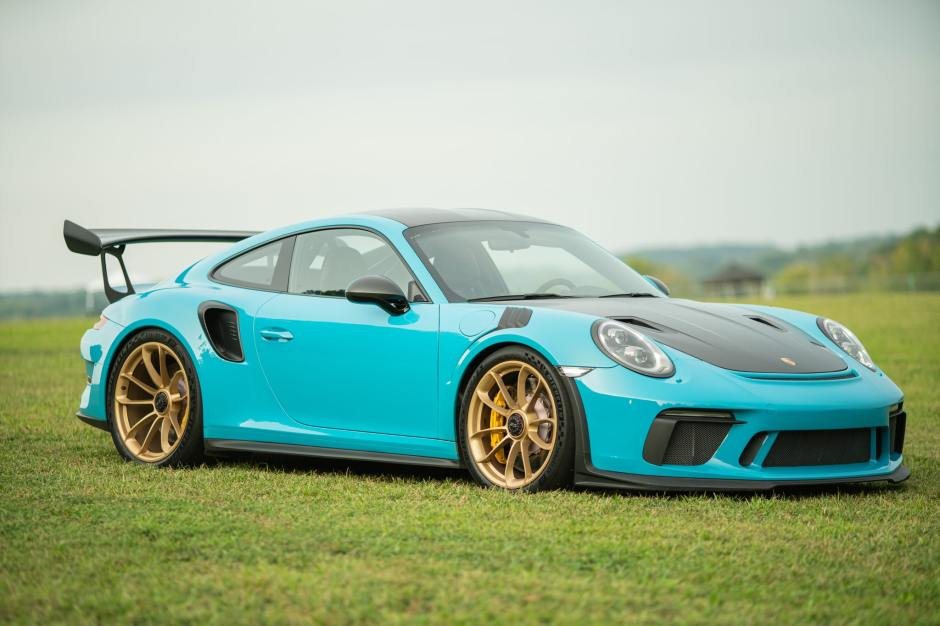
Miami Blue Porsche 911 GT3 RS with Weissach Package Heads to Auction
Economy 41
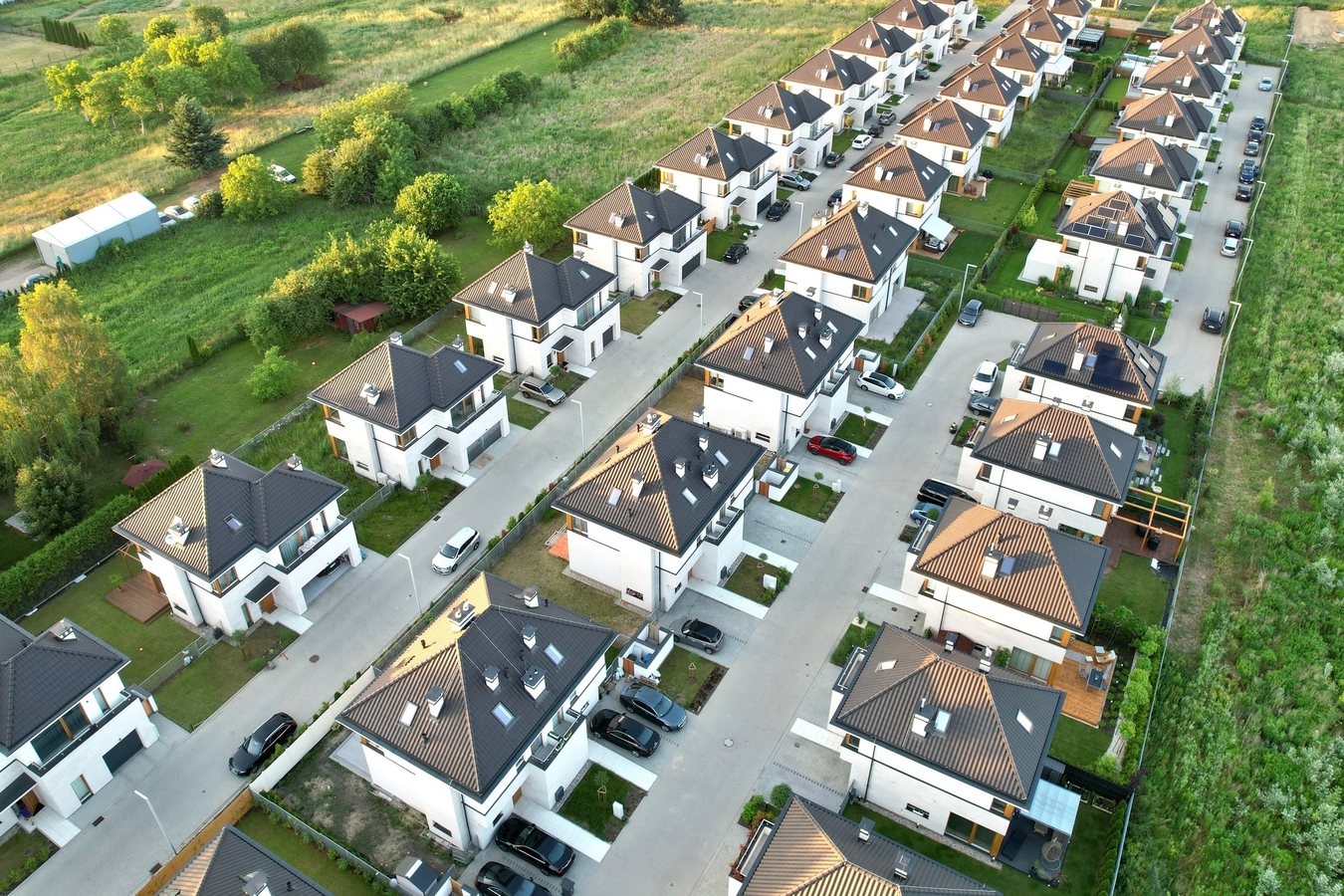
German Economists Set Income Threshold for the Upper Class
News 159
Orionid meteor shower set to peak with fast, bright fireballs
Politics 115
Burnham launches crackdown on loud music on public transport
Sports 283
Alfa Romeo Takes Centre Stage at 44th Lime Rock Historic Festival
Technology 325
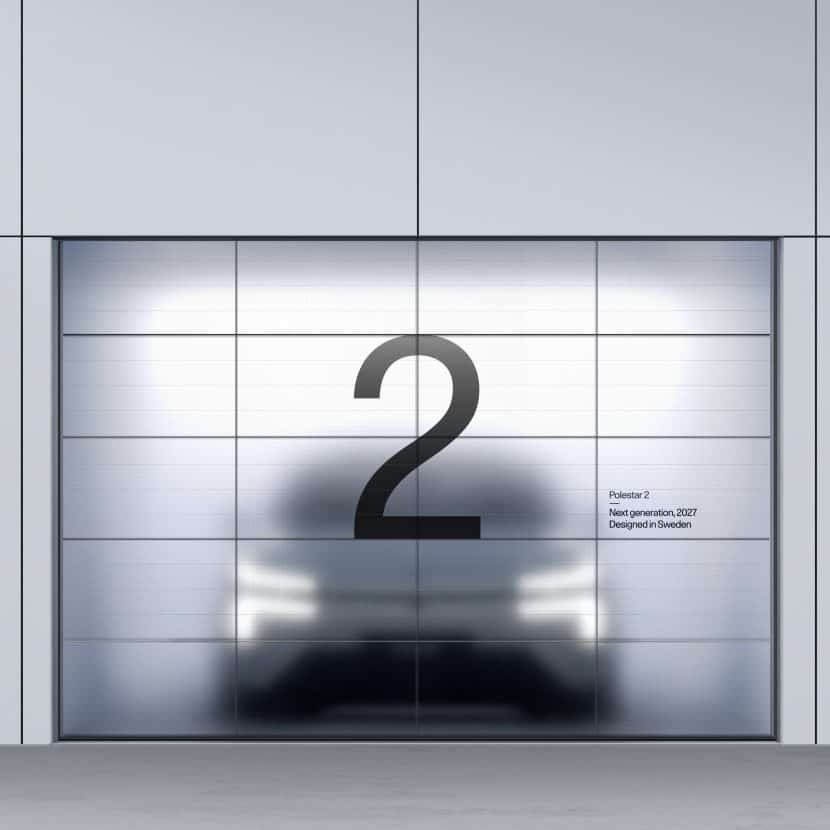
Polestar Aims to Outdrive BMW i3 With Next-Generation 2
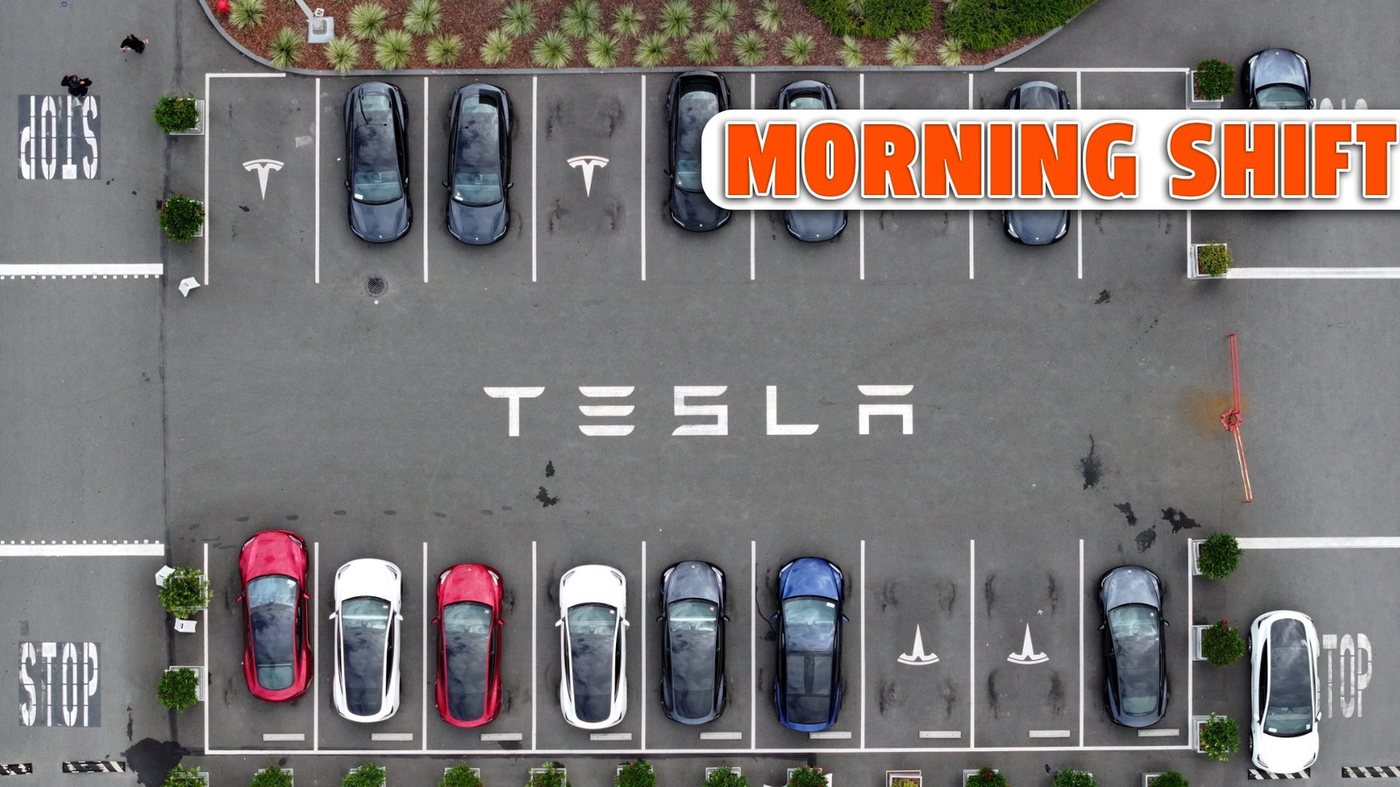
Tesla fell short of profit expectations in the third quarter, with attention turning to speculation that a merger with SpaceX could reshape the electric carmaker's future.
By Charlotte Redford · 4 min read
Tesla fell short of profit expectations in the third quarter, a result that has sharpened debate over the company's direction and fuelled speculation about a possible merger with SpaceX. The electric vehicle maker, once valued largely on its ability to sell cars, is increasingly being assessed on ambitions that stretch well beyond the automotive sector.
The quarterly miss places fresh scrutiny on Tesla's core business at a time when competition in the global EV market has intensified and pricing pressure has weighed on margins across the industry. Investors have been watching closely for signs that the company can sustain profitability while investing heavily in new technologies and production capacity.
Against that backdrop, talk of a tie-up with SpaceX has gained traction. The rocket and satellite company, also controlled by Elon Musk, operates in a different sector but shares the same founder-led structure and a reputation for ambitious, capital-intensive projects. A combination would create a sprawling industrial and technology group spanning electric vehicles, space launch and satellite communications.
Any such deal would be complex. It would raise questions about valuation, governance and the strategic logic of combining a carmaker with a space and telecoms business. For Tesla shareholders, the appeal may lie in diversification and in access to growth areas that are less exposed to the cyclical swings of the vehicle market. For SpaceX, the benefits are less obvious and would depend heavily on how a merged entity were structured.
The third-quarter figures underline why the conversation has shifted. Tesla has spent years building a narrative around autonomy, energy storage and robotics, but the car business remains the primary source of revenue. When profit targets are missed, that reliance becomes more visible and the case for broadening the company's base becomes easier to make.
Musk has long blurred the lines between his companies, sharing engineering talent and technology where it suits the group. That history gives merger speculation a degree of plausibility, even in the absence of any confirmed transaction. Executives have not set out a formal plan, and the discussion remains at the level of market expectation rather than announced strategy.
For British readers following the global electric vehicle and technology sectors, the story matters beyond Tesla's share price. It illustrates how founder-led companies can use bold corporate moves to reframe investor expectations when operating results disappoint. It also highlights the growing overlap between automotive manufacturing, energy and communications infrastructure, sectors that were once treated as entirely separate.
The immediate focus will be on how Tesla addresses the profit shortfall. Cost control, pricing strategy and the pace of new model launches are all likely to feature in the coming months. Whether a SpaceX merger becomes more than speculation will depend on decisions taken at the very top of both organisations, and on whether investors are persuaded that scale and diversification outweigh the risks of combining two very different businesses.
4