Business 346
Toyota Raises RAV4 Hybrid Prices and Upgrades Woodland Suspension for 2027
In this issue
Business 346
Toyota Raises RAV4 Hybrid Prices and Upgrades Woodland Suspension for 2027
Culture 371
Jonathan Hickman racconta il suo metodo e la pressione di creare opere di qualità
Economy 51
British healthcare worker tests positive for Ebola in Congo
News 165
Britain faces snow band across 500 miles and cold snap near -7C
Politics 125
Musk’s reported $474 million political ad spend contrasted with alternative car p…
Sports 300
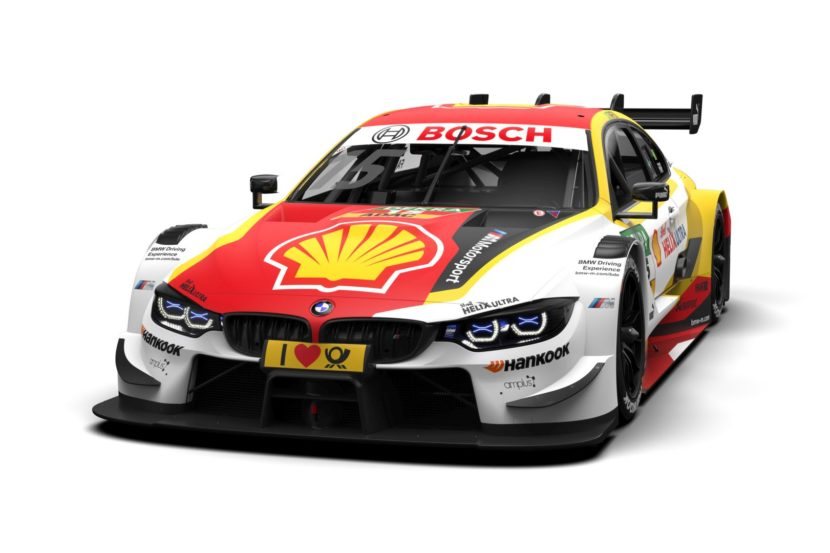
BMW releases video on its 2014–2018 DTM-winning M4 race car
Technology 361
Electric cars wear tyres faster than petrol models, MOT data shows
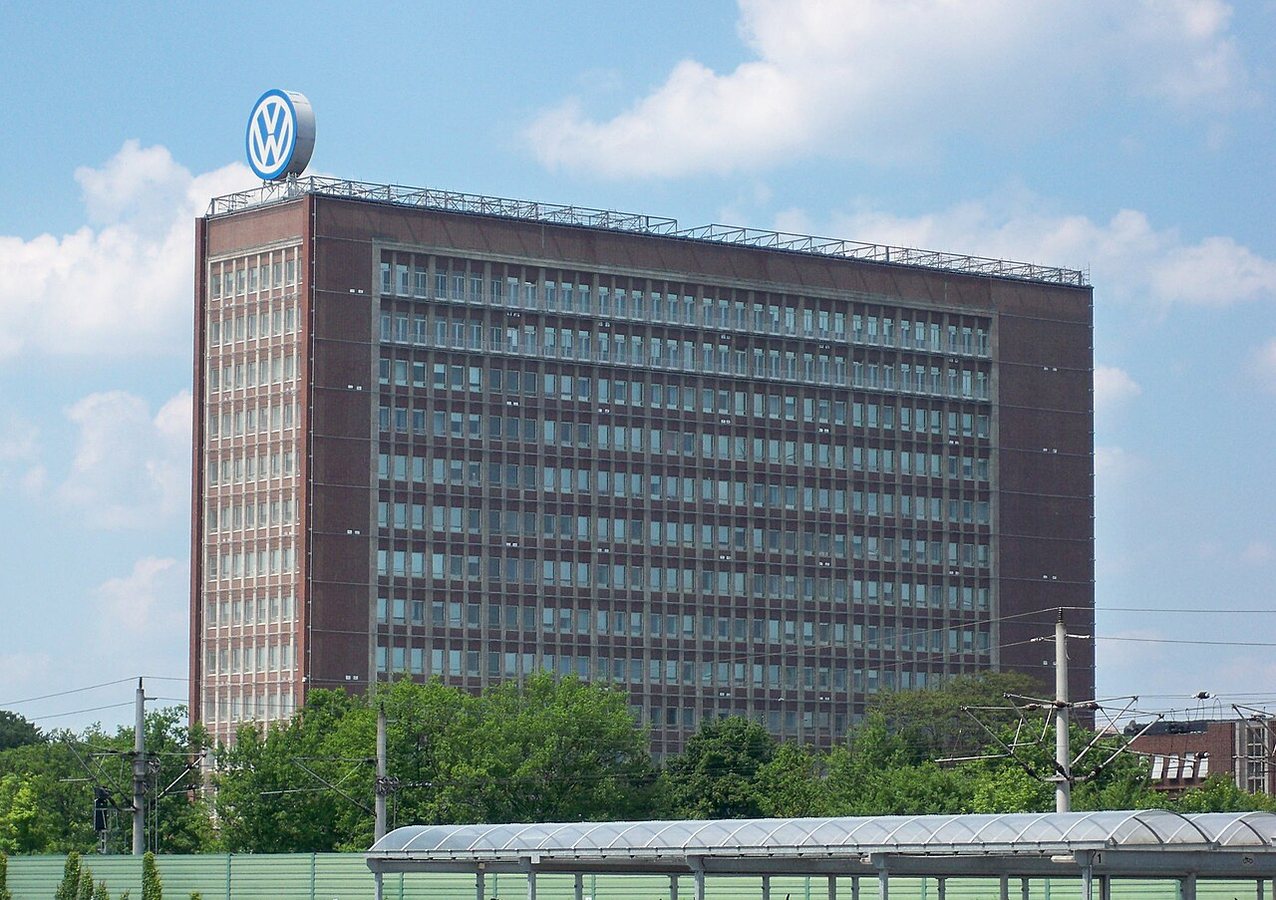
Volkswagen Group is considering adopting a Chinese-developed electronic architecture for up to 75 per cent of its core European models, a move that could replace a planned Rivian-based setup and reshape its cost base for electric and combustion cars alike.
By George Kensington · 4 min read
Volkswagen Group is weighing the use of a Chinese-developed electronic architecture across up to 75 per cent of its core European models, according to reporting on internal discussions at the carmaker. The system would apply to the Volkswagen, Cupra and Skoda brands, and would be used in both electric and combustion-engined vehicles, meaning the change would reach far beyond the group's battery-powered range.
The architecture is being co-developed with the Chinese manufacturer Xpeng. It would replace a setup that had been planned for Europe, which was based on technology derived from Rivian, the American electric vehicle company. At present the group runs two separate systems: the CEA architecture for its Chinese operations, and the Rivian-derived RVT architecture for the Western Hemisphere. The RVT system is due to debut on the ID Every1, an entry-level electric car expected around 2027, and the European plan had been built around that timetable.
Thomas Schäfer, the chief executive of the Volkswagen brand, has confirmed that the options are being discussed internally. Schäfer is reported to favour adopting the Chinese technology, although no final decision has been taken. The company is considering either a single shared platform that serves all of its markets, or a separate variant designed specifically for Europe. Each route carries a different balance between engineering simplicity and regulatory fit.
The main difficulty lies in meeting European Union rules. Adapting the system to comply with EU requirements raises development costs and complicates the production of variants for the Chinese market, where the group already relies on a different architecture. A single shared platform would simplify production and spread development spending across more vehicles. A dedicated European version would address regulatory requirements more directly, but at a higher engineering cost and with less scope for sharing parts between regions.
The discussions are driven by pressure to reduce the cost of developing electric vehicles, an area where Volkswagen faces intense competition from Chinese carmakers. Chinese manufacturers have built a strong position in electric vehicle technology and pricing, and established groups in Europe have been under growing pressure to narrow that gap. Adopting a Chinese-developed architecture would be one route to doing so, though it would also deepen the company's technical links with a Chinese partner at a time when European policymakers are scrutinising such relationships.
The question also touches the group's wider model range. Because the architecture is intended for core European models rather than a small niche, the decision would shape the next generation of mainstream Volkswagen, Cupra and Skoda cars rather than a handful of specialist vehicles. That breadth is why the internal debate matters beyond engineering teams, since it bears directly on pricing, production planning and the speed at which new models reach showrooms.
No decision has yet been announced, and the company has not confirmed which of the options it will pursue. Any change would affect a large share of the group's European line-up, making it one of the most significant engineering choices the business has faced in recent years.
Source: autocar.co.uk
10