Business 347
Volkswagen Group weighs Chinese electronic architecture for most European models
In this issue
Business 347
Volkswagen Group weighs Chinese electronic architecture for most European models
Culture 370
Martine Rose Named First Female Creative Director of Balenciaga
Economy 51
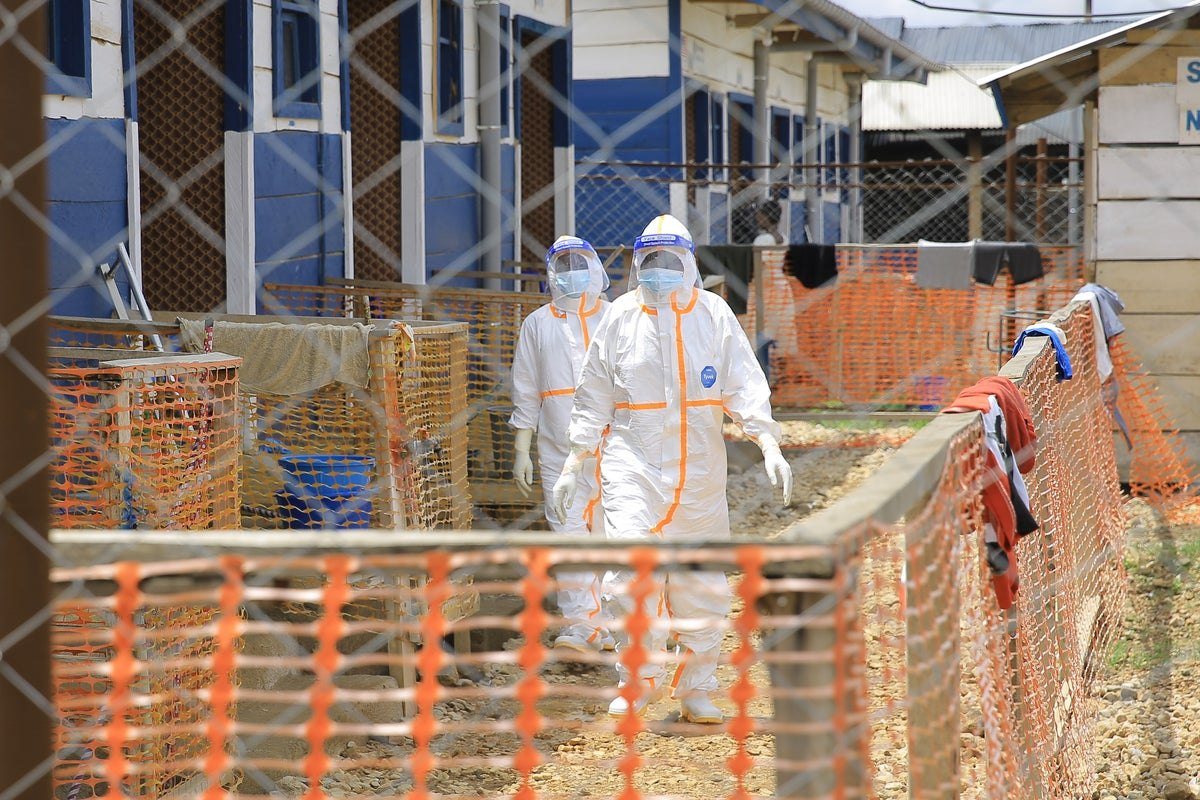
British healthcare worker tests positive for Ebola in Congo
News 165
Britain faces snow band across 500 miles and cold snap near -7C
Politics 125
Musk’s reported $474 million political ad spend contrasted with alternative car p…
Sports 299
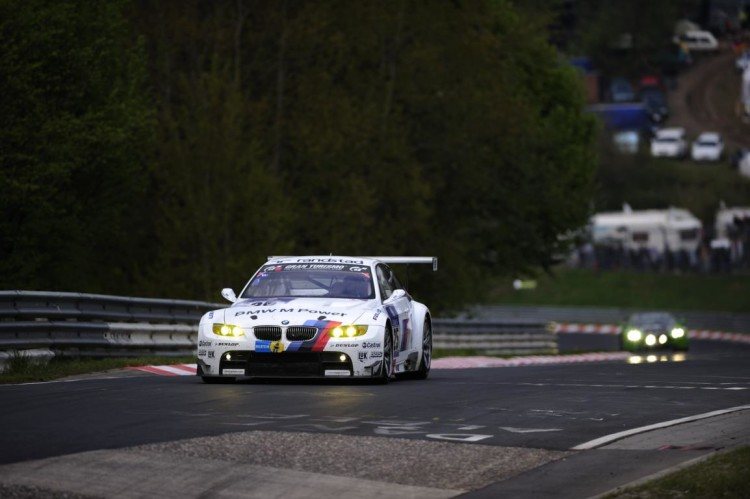
BMW M4 CSL holds fastest production lap of Nürburgring Nordschleife
Technology 361
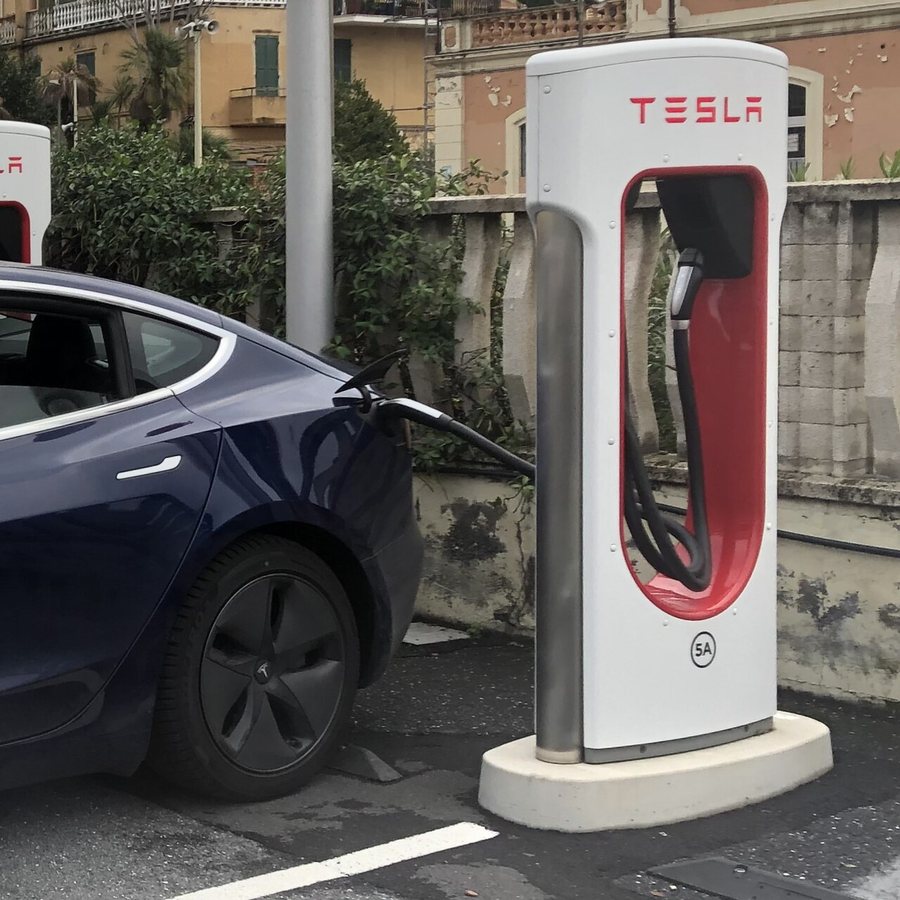
Electric cars wear tyres faster than petrol models, MOT data shows
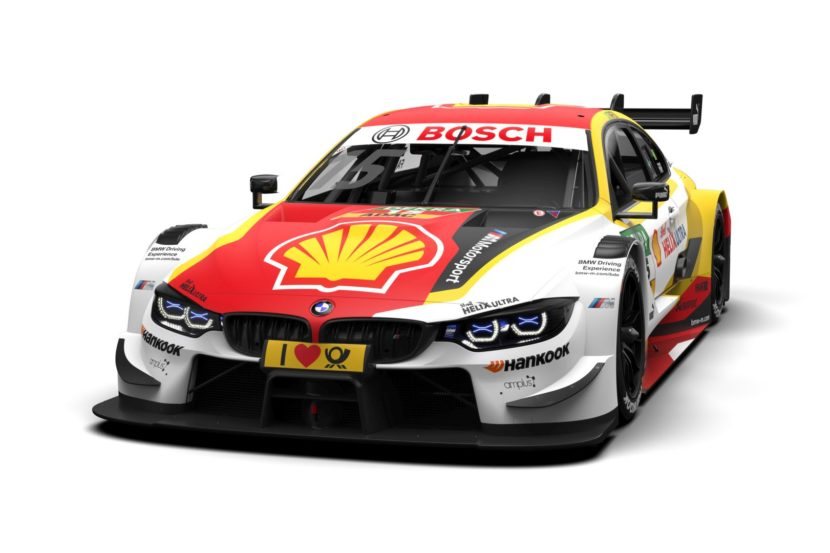
BMW looks back at its M4 DTM of type F82, which raced in the DTM championship between 2014 and 2018 and won two driver titles, through a video devoted to its design and technical characteristics.
By Eleanor Ellington · 3 min read
BMW has released a video devoted to its M4 DTM of type F82, a race car that competed in the DTM championship between 2014 and 2018 and enabled the brand to win the drivers' title in 2014 and 2016. The manufacturer highlights the technical choices that made this model a competition machine of its own, through the explanations of Dominik Nadler, head of track operations at BMW M Motorsport.
At the heart of the setup is a specific V8 engine, named P66, designed for competition in 2012. Its power was deliberately restricted, within a range of roughly 480 to 500 horsepower depending on the air flow admitted, a parameter that depended directly on race conditions. This setting kept the engine operating in a manner suited to the demands of the discipline, rather than seeking maximum power.
To control intake temperatures, the engineers used a golden heat treatment intended to protect the air intake. The cylinder heads were placed very low in the chassis, while the double-wishbone suspension and horizontally mounted dampers lowered the center of gravity. This lowering of mass is one of the foundations of the car's behavior in corners. The exhaust manifolds run up the side of the car, a choice that also contributes to the distribution of masses and the overall organization of the mechanics.
The bodywork features carbon fiber doors, which are particularly light and designed to detach easily. The car adopts a transaxle architecture, with the engine at the front and the gearbox at the rear, connected by a rigid structure. This layout aims to improve the overall balance of the vehicle by distributing masses along the longitudinal axis.
Notably, the car had neither traction control nor ABS: the driver alone was responsible for driving, with no electronic aids to correct mistakes. Under these conditions, mastery of the vehicle depended entirely on the driver's talent and concentration, a factor the video emphasizes.
The drag reduction system, or DRS, allowed a gain of about 6 to 9 miles per hour, or nearly 10 to 15 km/h, on straights. This speed gain could influence overtaking and race strategies, straights being key zones for catching up with or pulling away from a rival.
Inside, the driver had a foam-molded seat adapted to his body, and a digital display showing speed, the gear engaged and oil data. Gathered on a single screen, this information allowed the driver to monitor essential parameters during the race without taking his eyes off the track.
After its racing career, one of these cars was converted into a two-seater. This conversion preserves an example of this M4 DTM in a configuration that can be presented and used beyond competition, and bears witness to the longevity of the project for the brand.
Source: bmwblog.com
5