Business 136
BMW Chief Warns Chinese Car Pricing in Europe 'Makes No Business Sense'
In this issue
Business 136
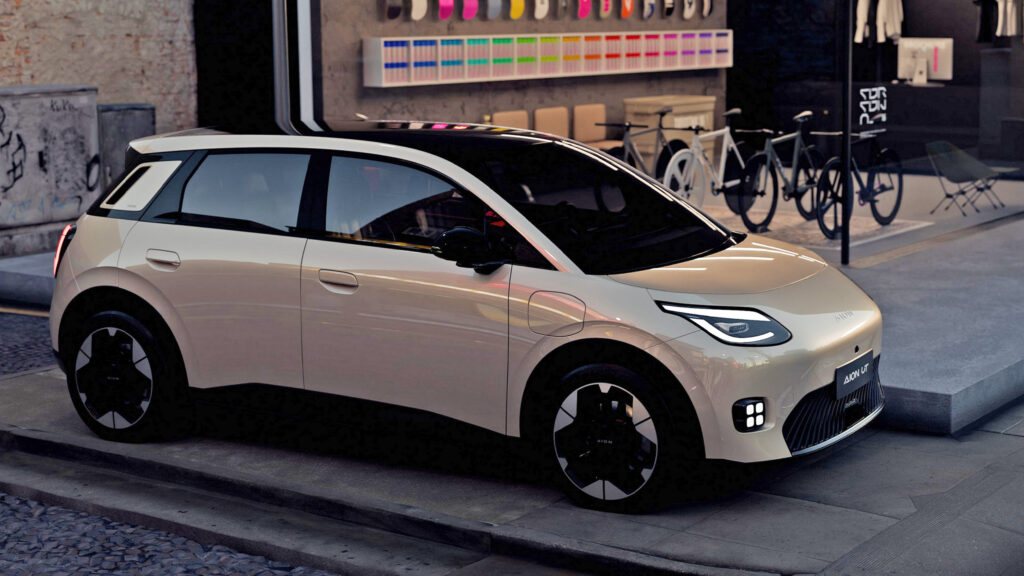
BMW Chief Warns Chinese Car Pricing in Europe 'Makes No Business Sense'
Culture 143
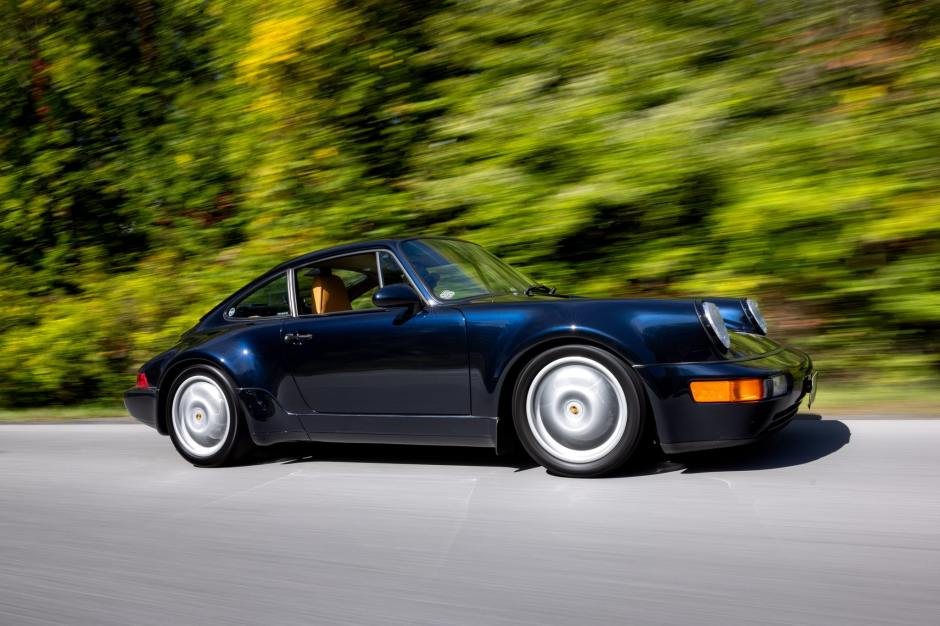
1994 Porsche 911 Carrera 4 Widebody Heads to Auction After Full Restoration
Economy 33
Bitcoin and Ethereum Surge to Levels Last Seen in January
News 131
Trump Tells UN Iran Faces Choice Between Deal and Annihilation
Politics 106
Canada Moves Closer to EU as First Associate Member
Sports 243
Clark Leads Fever to Statement Win Over Top-Seeded Lynx
Technology 153
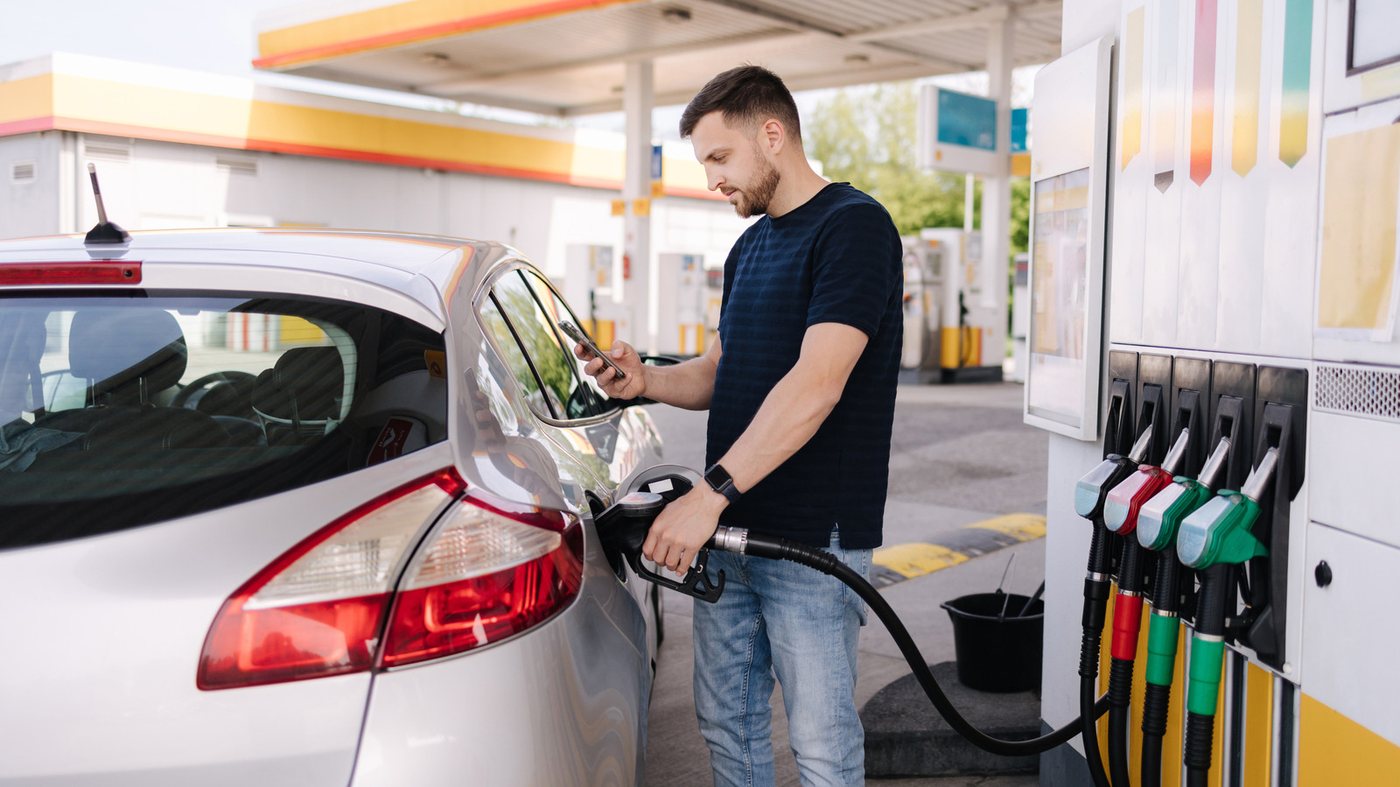
Misfuelling a Diesel Car With Petrol Can Cause Lasting Engine Damage
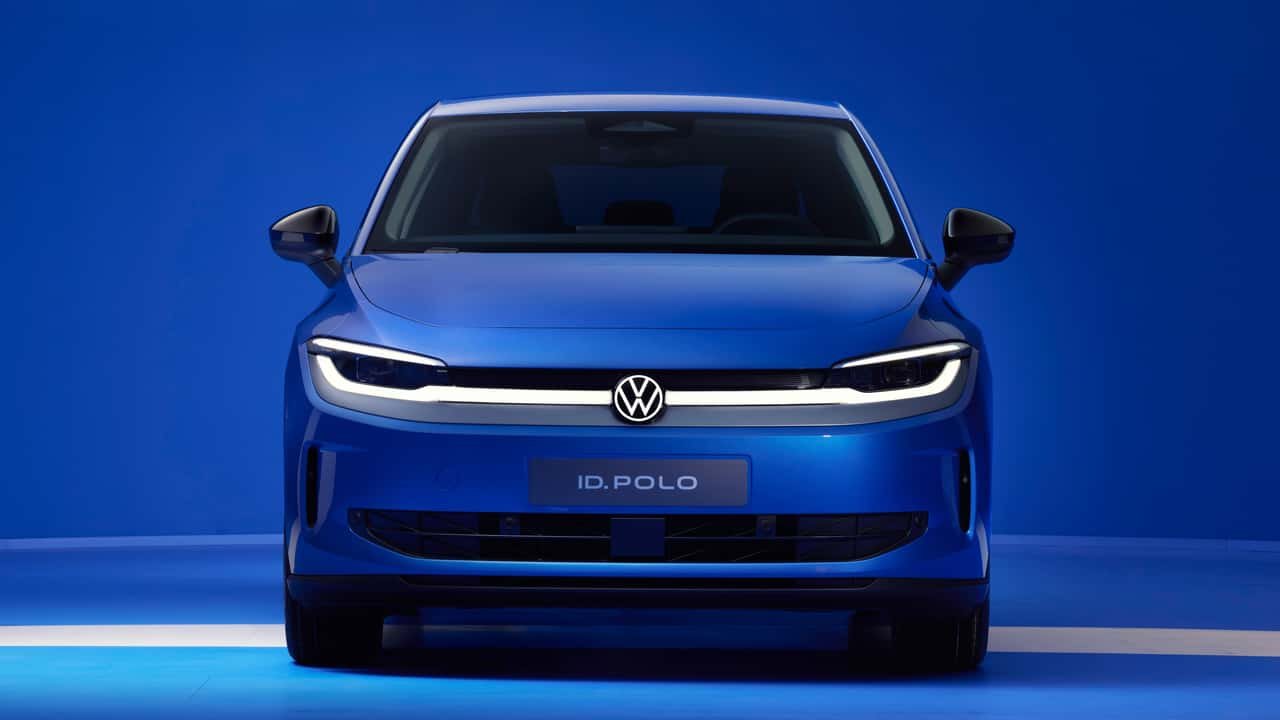
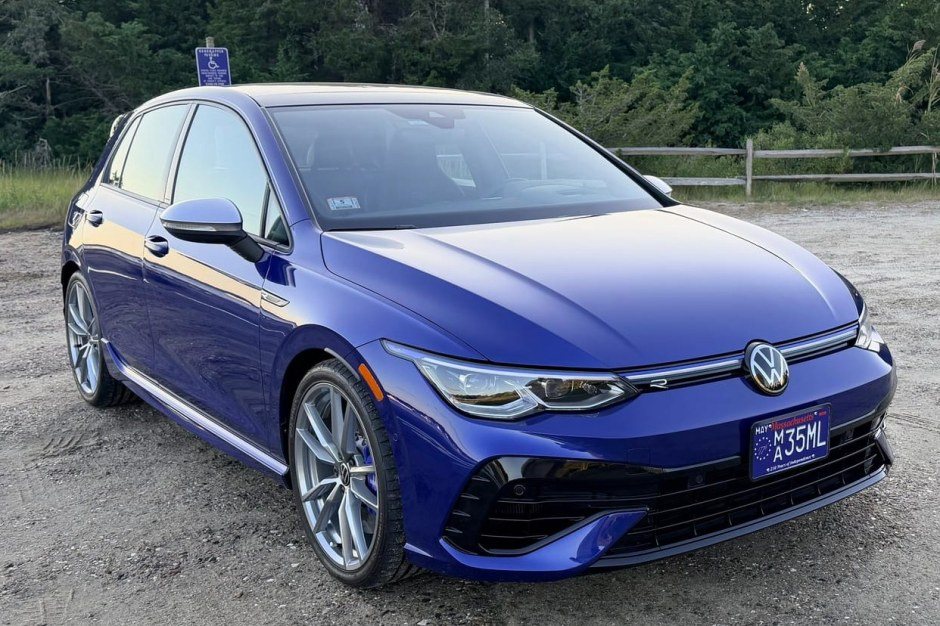
Volkswagen has reached a milestone in its home market, with electric vehicle sales overtaking combustion-engined models in Germany, forcing the carmaker to rethink its production strategy.
By Eleanor Ellington · 4 min read
Volkswagen is now selling more electric vehicles than petrol or diesel cars in Germany, a shift that has prompted the manufacturer to reconsider how it builds cars in its home country. The milestone marks a significant moment for Europe's largest carmaker as it navigates the transition to electric mobility.
Demand for electric vehicles is rising sharply across Germany, and Volkswagen has found that battery-powered models are outselling their combustion-engined counterparts. The development signals a change in consumer preferences in a market that has long been dominated by traditional internal combustion engines.
The company is now reviewing its production plans to accommodate the growing demand for EVs. This could involve reallocating capacity at its German plants, which have historically been geared towards manufacturing petrol and diesel vehicles. The shift may also affect employment and investment decisions as Volkswagen adapts to the new market reality.
Volkswagen has invested heavily in electric vehicle technology, launching a range of models under its ID sub-brand. The success of these vehicles in Germany suggests that the company's strategy is gaining traction with buyers, despite earlier concerns about range anxiety and charging infrastructure.
The German government has supported the uptake of electric vehicles through subsidies and incentives, which have helped to make EVs more affordable for consumers. However, the recent surge in demand may also reflect broader trends, such as rising fuel prices and increased environmental awareness among drivers.
For Volkswagen, the shift towards electric vehicles represents both an opportunity and a challenge. While it positions the company at the forefront of the electric transition, it also requires significant investment in new production lines and battery technology. The carmaker has already announced plans to build several gigafactories in Europe to secure battery supplies.
The change in production strategy could have implications for Volkswagen's workforce. As electric vehicles require fewer components than traditional cars, some jobs may be at risk, while new roles in battery manufacturing and software development could emerge. The company has been in talks with unions about managing the transition fairly.
Volkswagen's experience in Germany may serve as a bellwether for other markets. If electric vehicle sales continue to outpace combustion models, other carmakers may need to accelerate their own electrification plans. The shift also puts pressure on suppliers to adapt to the new reality.
Despite the positive trend, challenges remain. The charging network in Germany is still expanding, and some consumers remain hesitant about switching to electric vehicles. However, the latest sales figures suggest that these barriers are being overcome.
Volkswagen's home market success with EVs could boost its credibility as it competes globally with rivals such as Tesla and Chinese manufacturers. The company aims to become a leader in electric mobility, and its performance in Germany is a key indicator of its progress.
As Volkswagen rethinks its production footprint, the industry will be watching closely. The move could set a precedent for how legacy carmakers manage the transition from combustion to electric power, balancing the demands of consumers, workers, and investors.
5