Business 287
Volkswagen Pauses Development of Electric ID. Golf Model
In this issue
Business 287
Volkswagen Pauses Development of Electric ID. Golf Model
Culture 319
Restored 1987 Jeep Wagoneer Limited to be sold at no reserve
Economy 48
Three Tankers Reportedly Strike Mines in Strait of Hormuz
News 161
Private parking firms face pressure as UK motorists call for fairer rules
Politics 121
Burnham denies stopping ministers from discussing closer EU ties
Sports 290
Tottenham meet Crystal Palace in Premier League fixture on 31 October
Technology 347
Rivian Delivers Electric Van Update With 30% More Range and AWD
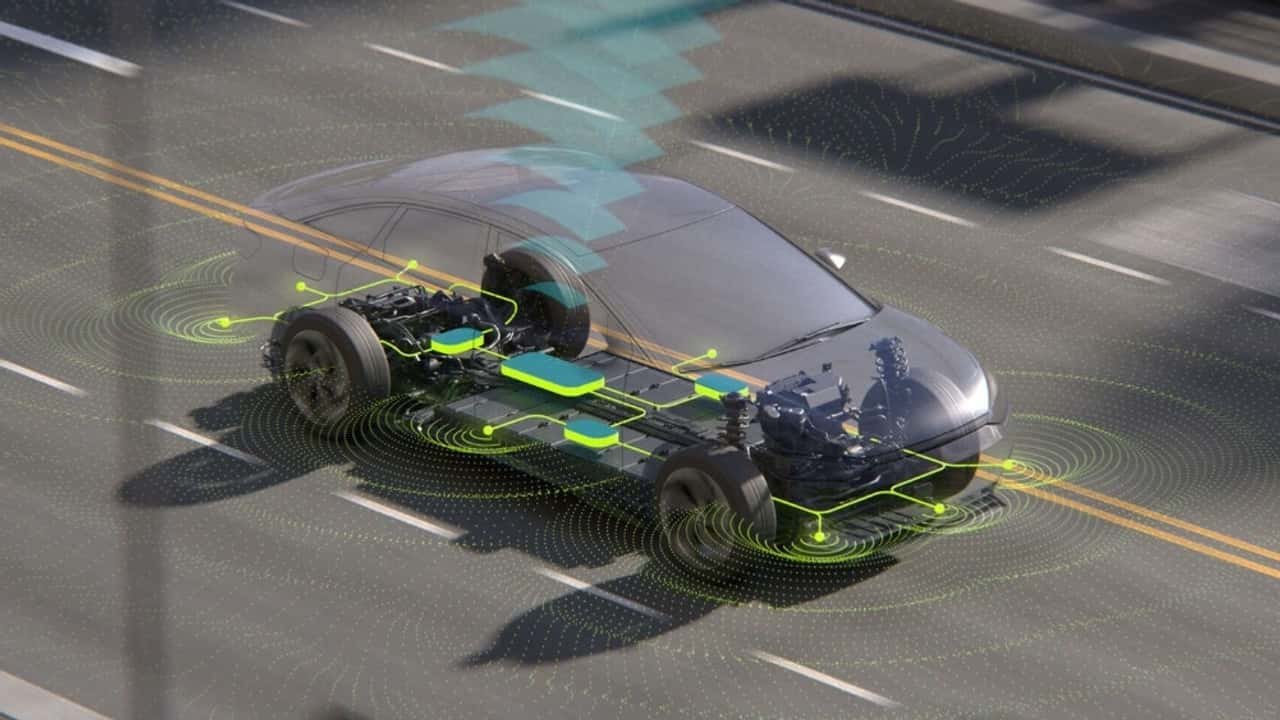
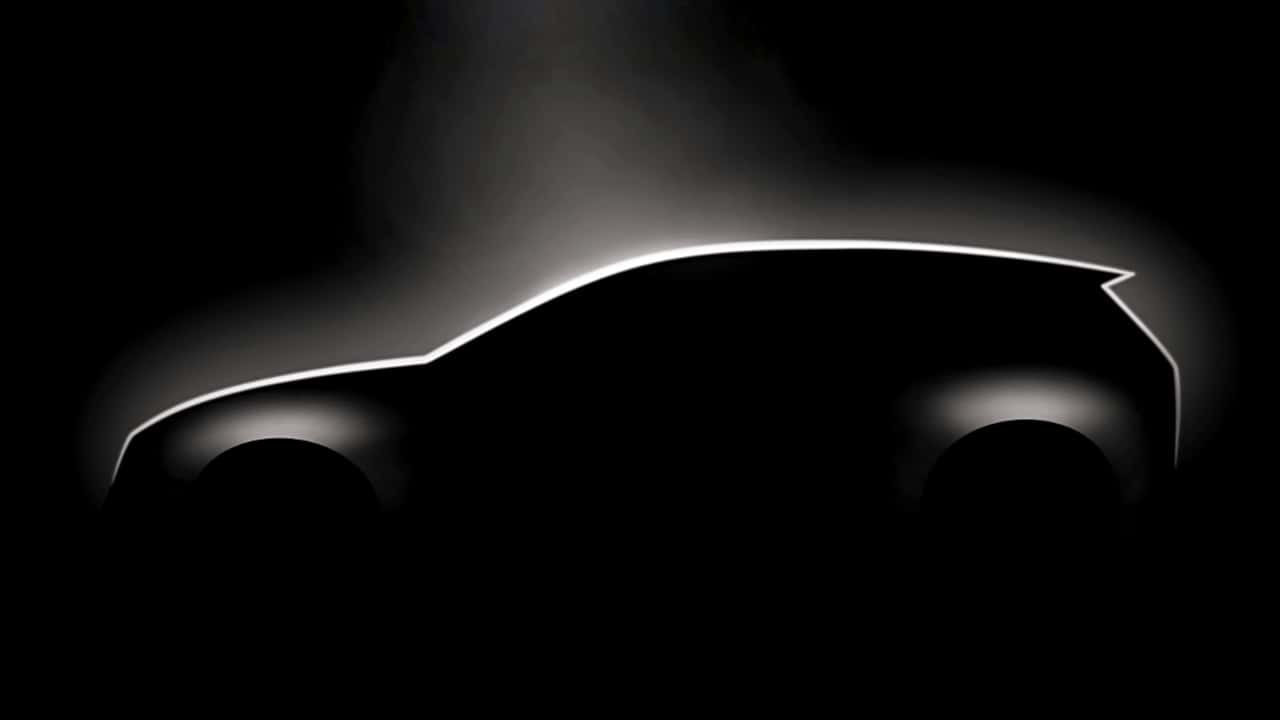
Volkswagen plans to roll out technology developed in China, including its China Electronic Architecture and VEGA platform, across Volkswagen, Skoda and Cupra models in Europe and in next-generation cars for the Global South.
By Edward Beaumont · 2 min read
Volkswagen intends to take technology developed in China and deploy it worldwide, a shift that marks a notable change in how the German carmaker approaches its most important growth market. Systems created by its Chinese engineering teams, including the China Electronic Architecture and the VEGA platform, are set to underpin models from Volkswagen, Skoda and Cupra in Europe, as well as the next generation of cars aimed at the Global South.
The move reflects a broader reality facing legacy manufacturers. Chinese carmakers have rapidly advanced in electrification, software and in-car digital experiences, and their development cycles have become markedly faster than those of many established European rivals. By bringing China-built architecture into its global line-up, Volkswagen is effectively acknowledging that some of the most advanced engineering in its portfolio now originates in the Chinese market rather than in Wolfsburg alone.
For Volkswagen, the strategy offers a way to share development costs across regions and to bring newer electronic and software capabilities to a wider range of vehicles. Using a common electronic architecture across brands such as Volkswagen, Skoda and Cupra could also simplify production and allow the group to adapt features more quickly. The Global South is a particular focus, with next-generation cars intended for markets where price sensitivity is high and where the group sees long-term volume potential.
The shift also carries implications for the wider industry. European manufacturers have faced mounting pressure from Chinese competitors on price, speed and technology, both at home and abroad. Volkswagen's decision to export China-developed systems suggests that localised innovation from the Chinese market is becoming a strategic asset rather than a separate, contained business. How the company balances this approach with political scrutiny and the expectations of its European workforce and customers will be closely watched across the sector.
10