Business 123
Volkswagen Issues Profit Warning as Restructuring Costs Bite
In this issue
Business 123
Volkswagen Issues Profit Warning as Restructuring Costs Bite
Culture 129
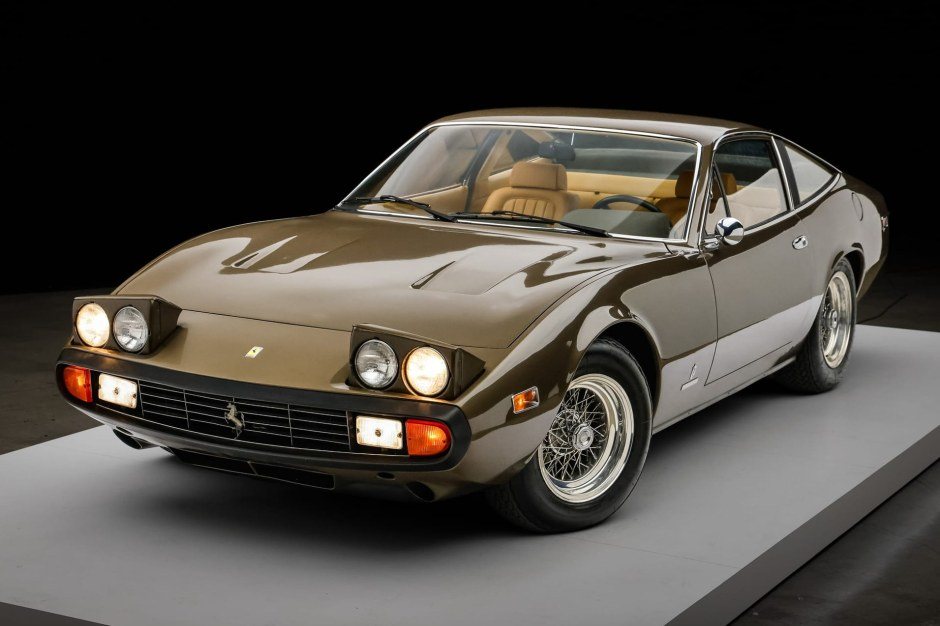
1972 Ferrari 365 GTC/4 Offered in California
Economy 31
Diesel Hits $10 a Gallon in California as Stations Run Dry
News 129
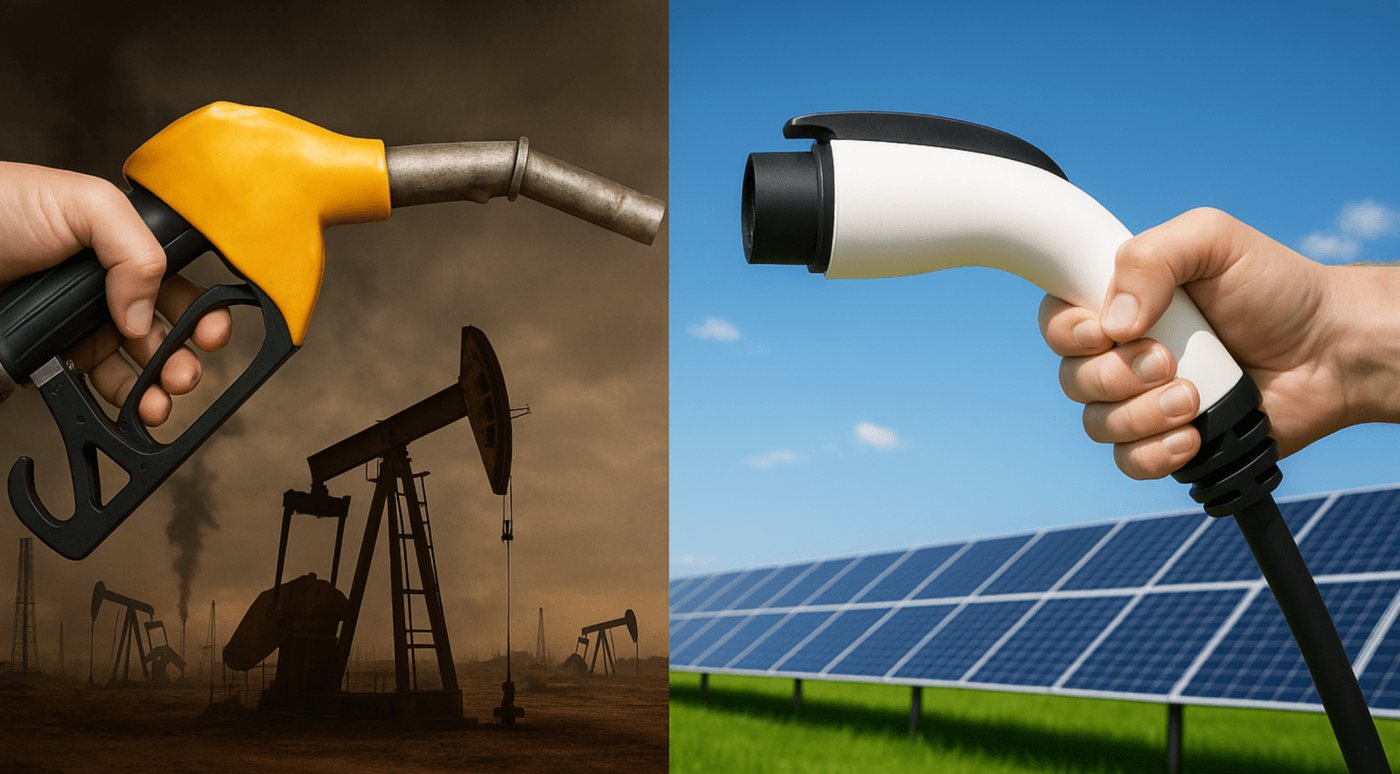
Oil Conflicts Disrupt Global Supply as Electric Cars Remain Unaffected
Politics 106
Canada Moves Closer to EU as First Associate Member
Sports 241
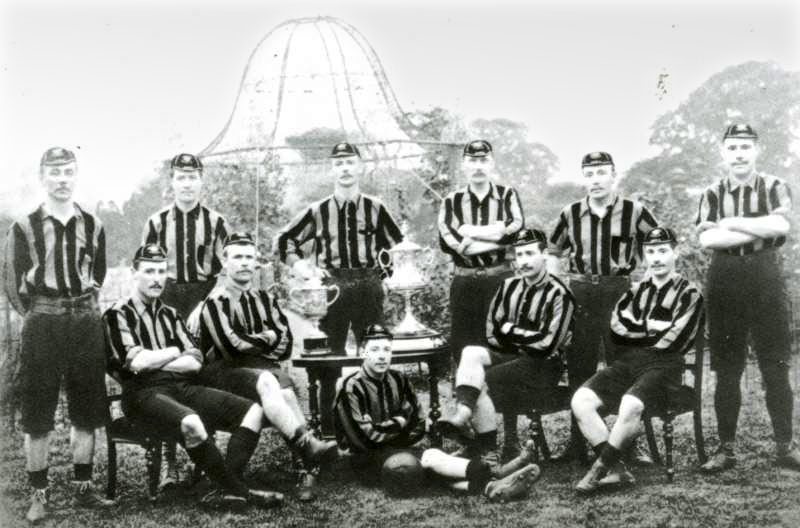
Wolves to Host West Brom in Championship Clash
Technology 145
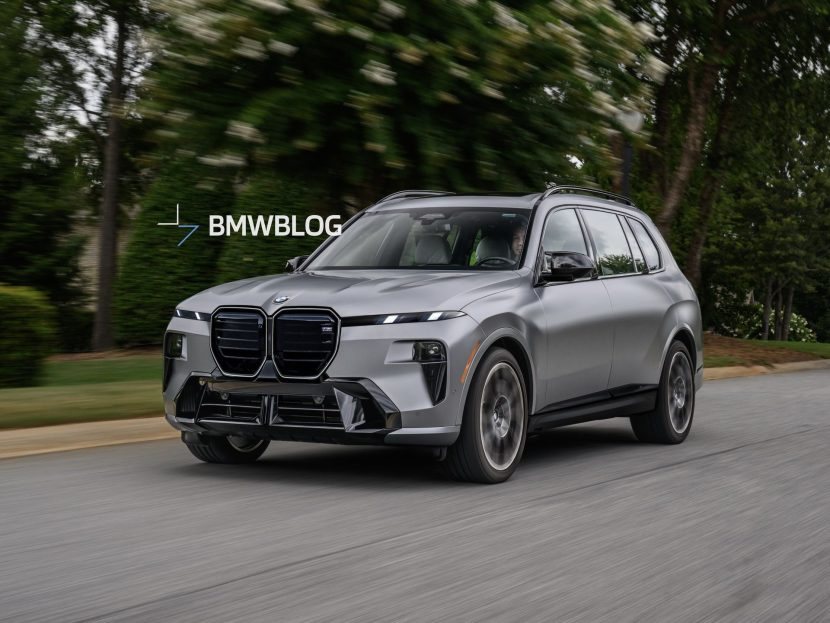
BMW Confirms 2028 X7 for Spartanburg Production
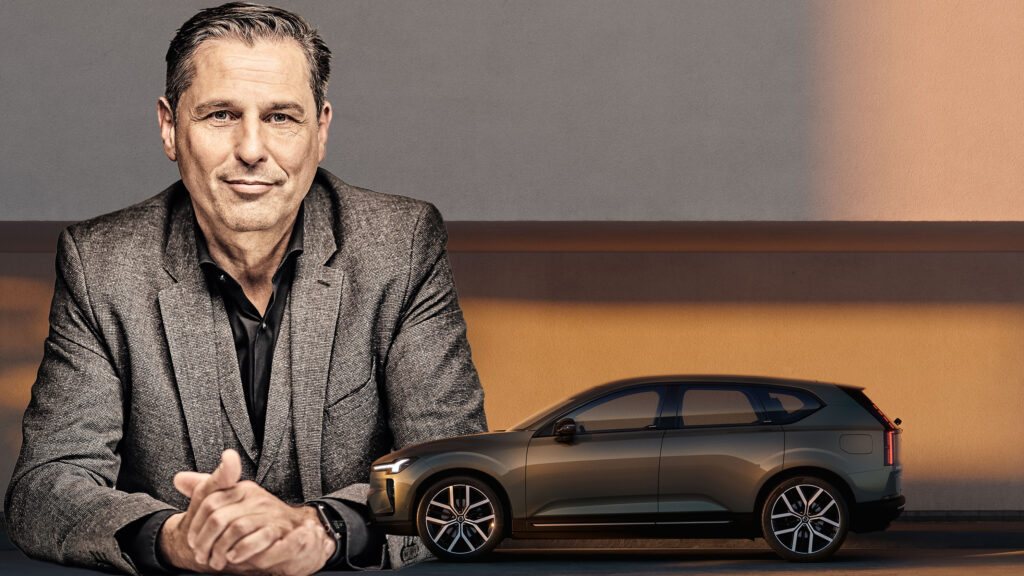
Volvo Cars has named former Skoda CEO Klaus Zellmer as its new president and chief executive, tasking him with executing a plan to launch 13 new models by 2030 and restore profitability at the Geely-owned Swedish manufacturer.
By Charlotte Redford · 5 min read
Volvo Cars has appointed Klaus Zellmer, the former chief executive of Volkswagen Group's Skoda brand, as its new president and CEO, handing him the task of delivering an ambitious product offensive and restoring profitability at the Swedish manufacturer. Zellmer succeeds Hakan Samuelsson, who was reappointed to the role in 2025 on the understanding that he would serve only two years while the board searched for a long-term successor.
The appointment, announced by Volvo's Chinese parent company Geely, will see Zellmer assume his duties within the next 12 months. He brings more than 30 years of automotive experience, most recently as CEO of Skoda, and previously served as president and CEO of Porsche's North American division between 2015 and 2020.
Zellmer's immediate priority will be executing a roadmap that calls for the launch of 13 all-new models by 2030, using a split strategy that targets Western markets and China separately. The plan also requires Volvo to double its market share, rebalance its drivetrain line-up with a greater emphasis on hybrids, deepen collaboration with Geely, and make the buying process more transparent through special offers and fast-delivery model variants.
Eric Li, chairman of Volvo Cars, said Zellmer's combination of premium and high-volume brand experience made him well suited to the role. «Zellmer combines deep automotive expertise with broad international leadership experience and a strong record of guiding organisations through transformation and changing market conditions,» Li said. «His experience from both the high-end premium segment and high-volume brands is an excellent fit for Volvo Cars.» Li added that the board was confident Volvo would build on its foundations under Zellmer's leadership and strengthen its position as a leading premium car company.
Zellmer acknowledged the scale of the challenge while pointing to the brand's established strengths. «Few automotive brands have built such a strong and lasting reputation for safety, consistently applying this core value across the mobility sector,» he said. «I admire Volvo Cars' timeless, contemporary design language and the clarity of its brand identity. I am delighted to join Volvo Cars at such an important moment in the company's development.»
The leadership change comes at a difficult moment for the Gothenburg-based manufacturer, which has struggled with profitability amid a challenging period for the wider European car industry. Volvo, owned by Geely, will mark its centenary in 2027, and the new chief executive will be expected to steer the company into its second century with a clearer commercial footing.
Zellmer's background spans both the premium and volume ends of the market. At Porsche he ran the brand's North American operations during a period of strong growth for the sports car maker, while at Skoda he led one of Volkswagen Group's highest-volume marques. That dual experience is likely to prove useful as Volvo attempts to lift volumes while protecting its premium positioning.
The decision to recruit from within the Volkswagen Group's orbit also reinforces the close ties between Volvo and its parent. Geely has owned the Swedish brand since 2010, and the new strategy explicitly calls for deeper cooperation between the two companies, particularly in areas such as platform sharing and electrified powertrains.
Volvo's revised drivetrain approach marks a notable shift. The company had positioned itself as an early champion of full electrification, but the new plan places greater weight on hybrids as consumer demand for battery-electric vehicles cools in several key markets. The 13-model programme is intended to refresh the line-up across both Western and Chinese markets, with not all of the new vehicles expected to be SUVs.
For Zellmer, the task is as much about execution as strategy. Doubling market share in a competitive global industry, while improving margins and simplifying how customers buy cars, represents a substantial operational challenge. His appointment signals that Volvo's board believes experienced leadership from within the European car establishment is the right way to deliver it.