Business 152
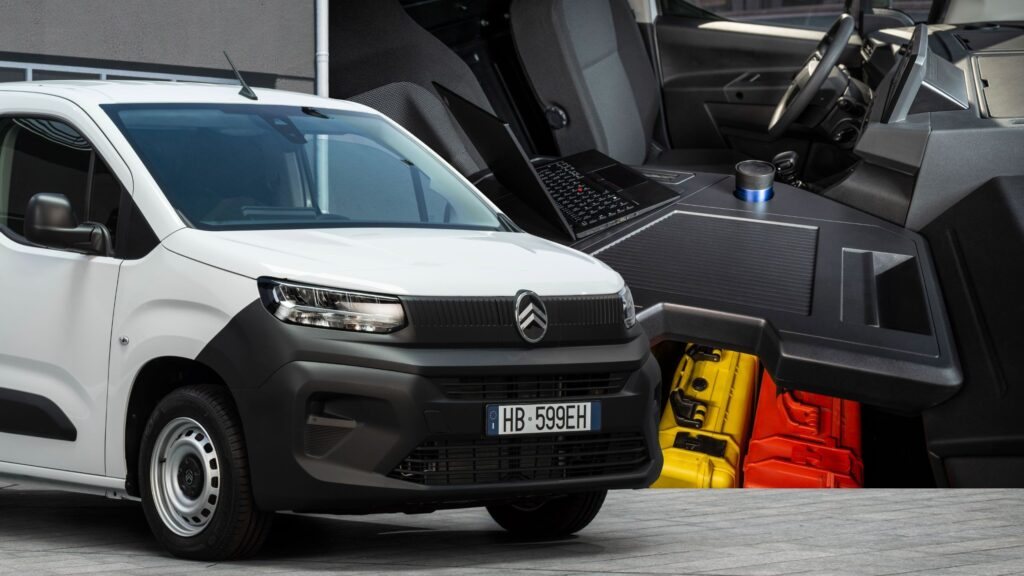
Stellantis Adds Budget Trims and Mobile Office to Citroen Berlingo and Opel Combo…
In this issue
Business 152
Stellantis Adds Budget Trims and Mobile Office to Citroen Berlingo and Opel Combo…
Culture 169
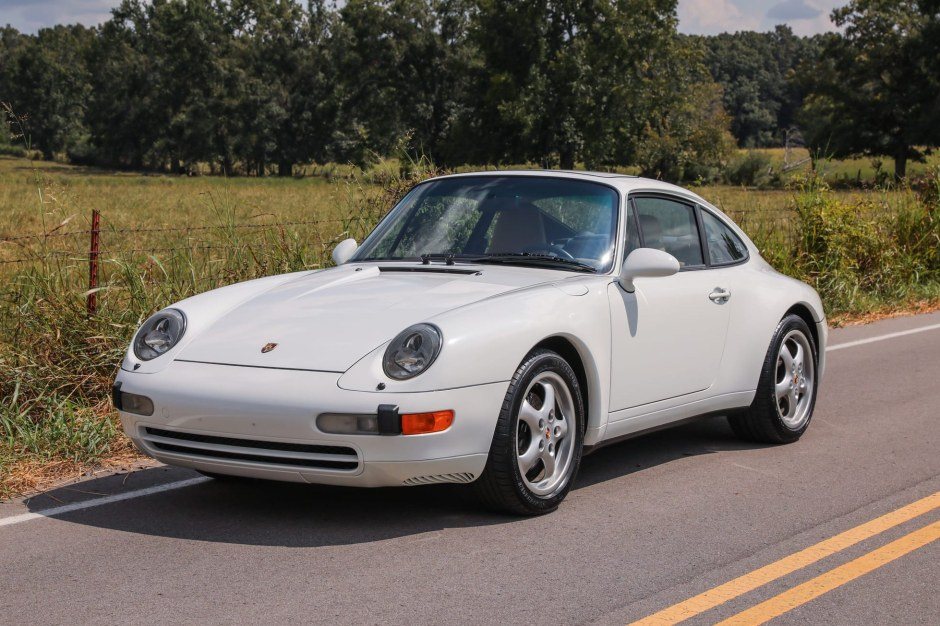
1996 Porsche 911 Carrera Coupe in Grand Prix White Heads to Auction
Economy 33
Bitcoin and Ethereum Surge to Levels Last Seen in January
News 132
Sarandon and Einbinder arrested at anti-Netanyahu protest in New York
Politics 108
US Lawmakers Move to Permanently Ban Chinese Cars
Sports 248
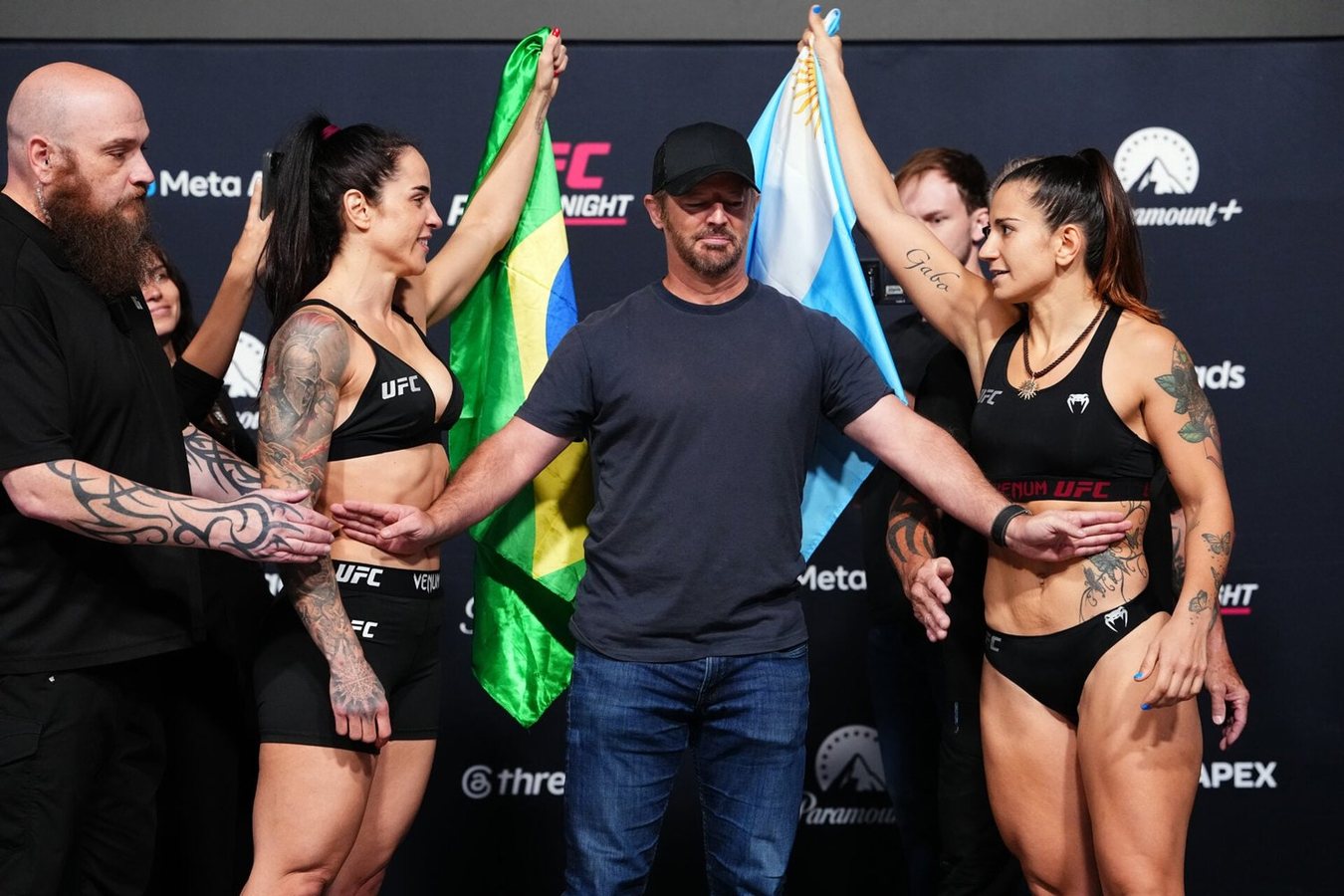
Dumont and Perez settle bitter rivalry at UFC Vegas 121
Technology 175
Family Sues Tesla Over Model X Sudden Acceleration Claim
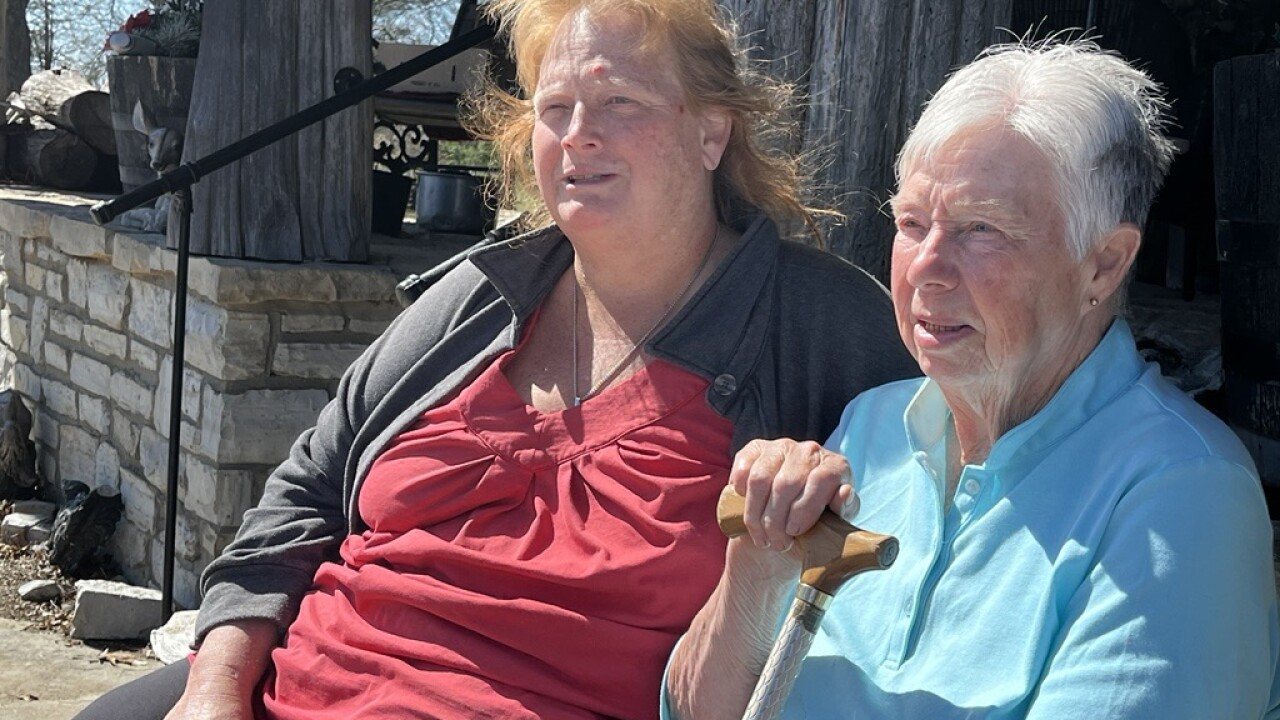
The Huddlestons rejected a life-changing data-centre offer, turning a property deal into a lesson about ownership, optionality and what cannot be replaced.
By George Kensington · 4 min read
There is a familiar version of ambition in which a life-changing offer is the point of the story. Ida Huddleston and Delsia Bare produced the opposite version: they received the offer and decided the life they already had was the thing worth keeping.
Huddleston, 82, was offered $60,000 an acre for 71 acres of farmland in Mason County, Kentucky. Bare, her daughter, was offered $48,000 an acre for 463 acres. Together, the proposals exceeded $26m. The buyer wanted land connected to a large data-centre development outside Maysville.
The family first moved towards a sale, which makes the eventual refusal more instructive. PEOPLE reports that they signed a contract while afraid that refusing might expose them to eminent domain. Once legal advice made clear that the private developer could not simply compel the transaction, the women reconsidered and backed out.
That restored a choice that money alone could not decide. The broader family farm totals about 1,200 acres. Parts of it have been associated with the family for more than two centuries. It is a working landscape with livestock, family homes and personal history. Bare's late husband is buried there. She says earlier generations grew wheat during the Great Depression.
A rational economic model can still describe the decision. The offered price was liquid and enormous. The retained asset, however, has attributes that are effectively non-replicable: continuity, control over place, productive land and the option to pass it to the next generation. If the owners place a sufficiently high value on those attributes, the sale is not attractive merely because the cheque is large.
Huddleston put the practical dimension more plainly: “You can't get food out of a data center.” Her family worries about farmland conversion, water and electricity demand. The last two need technical precision. The proposed facility is not operating, so its actual impact is not established. Water use in particular depends heavily on the cooling system selected.
Mason County nonetheless sees a substantial development opportunity. On 22 May, officials approved industrial rezoning for 28 properties totalling about 2,080 acres. Local economic-development leaders have projected roughly 400 permanent jobs and more than 1,500 construction jobs. They also say the developer will fund the required utility and road infrastructure.
The company behind the project remained publicly unnamed in July, and residents organised as We Are Mason County are challenging the process in court. That leaves the project with planning approval but continuing legal and political risk.
For the two women, the most important optionality is already preserved. They still own the 534 acres. The cost is obvious: more than $26m they chose not to take. The benefit is harder to put on a balance sheet because it consists of the things a sale would have made irreversible.
That is why the story resonates beyond a single property deal. Serious decisions are not always about maximising the number in front of you. Sometimes they are about recognising which assets can be rebuilt after a mistake and which cannot. The data centre may yet rise next door; the family's land, for now, remains theirs.
61