
Business 202
Geely Confirms Canadian Launch for 2027
In this issue
Business 202
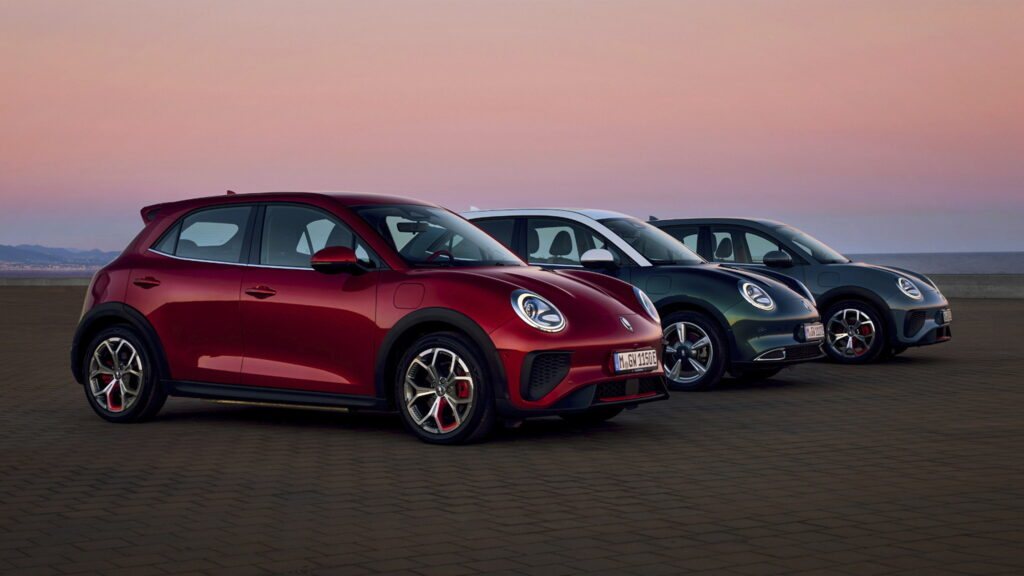
Geely Confirms Canadian Launch for 2027
Culture 224
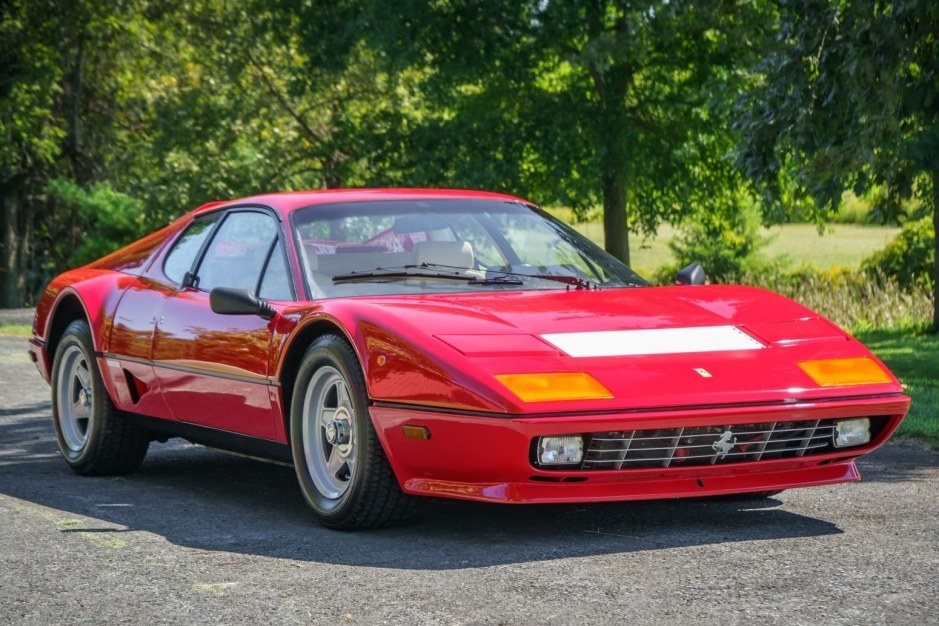
1982 Ferrari 512 BBi With 26-Year Ownership History Heads to Auction
Economy 37
Russia's EV Share Overtakes US as Fuel Shortages Bite
News 149
Weekly Exercise Linked to Slower Memory and Movement Decline in Parkinson's Patie…
Politics 110
Trump Urges Republicans to Vote by Mail After Years of Criticising the Practice
Sports 265
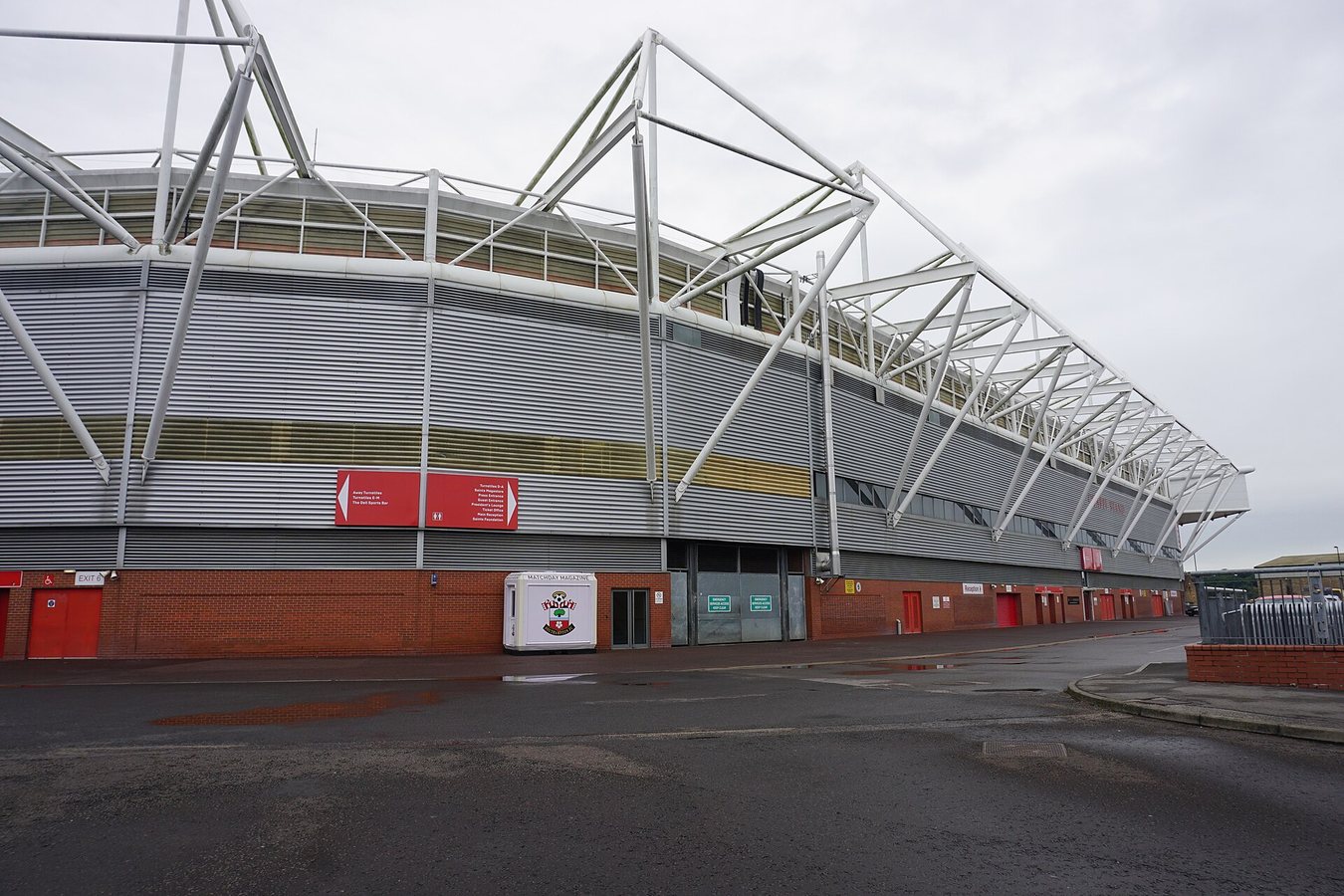
Southampton to Host Portsmouth in Scheduled Fixture on 11 October 2026
Technology 259
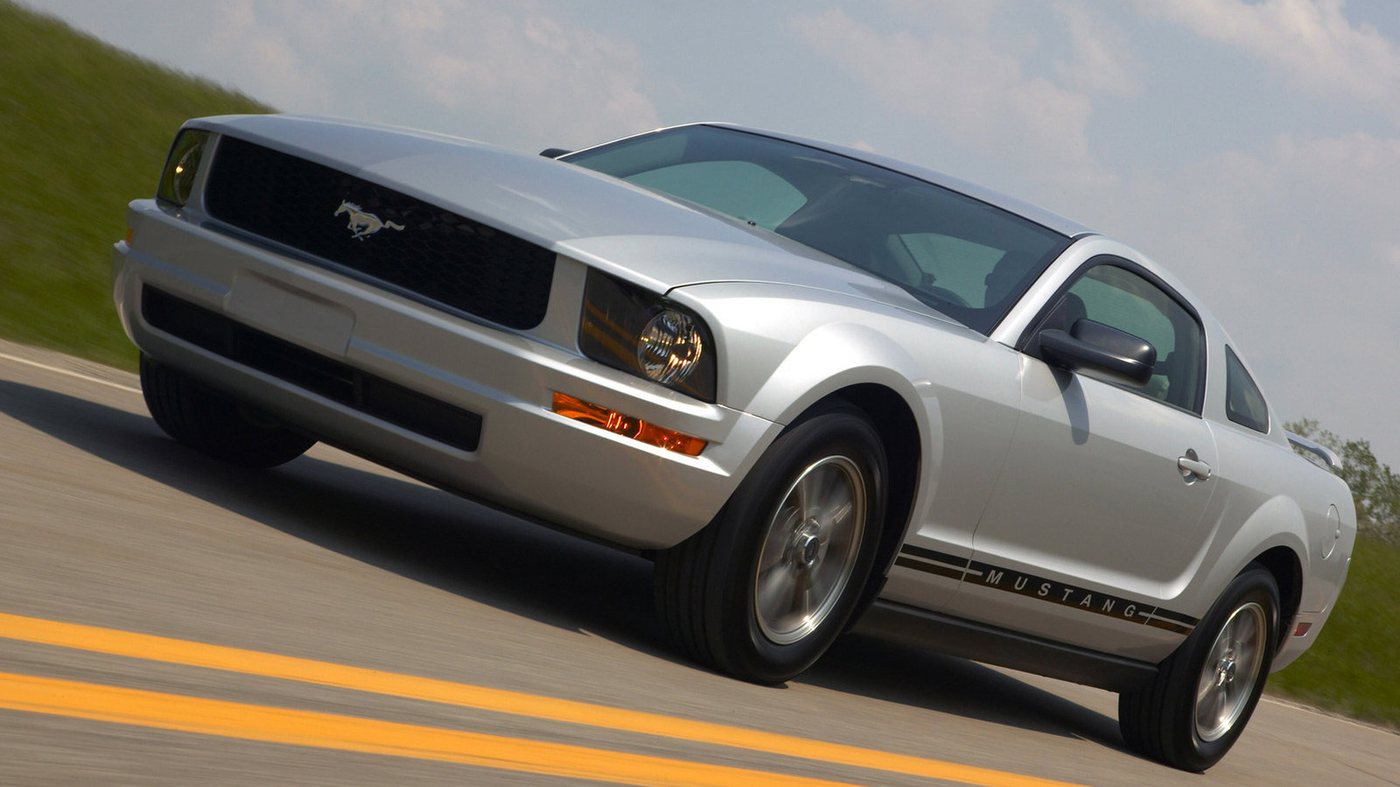
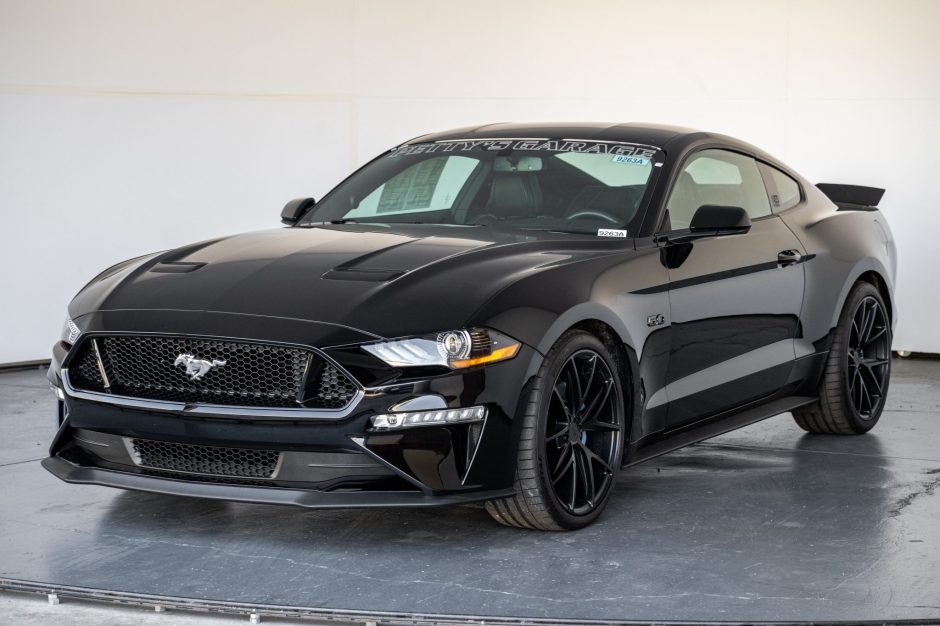
Ford Mustang GT Manual Matches 2009 Fuel Economy Despite Power Boost
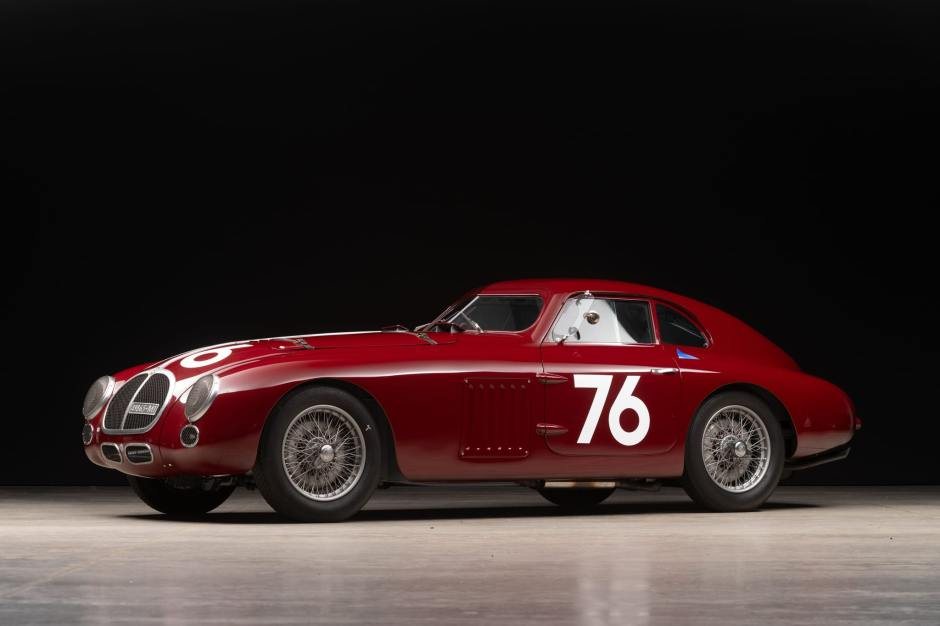
A hand-built aluminium re-creation of Alfa Romeo's 1940 Mille Miglia berlinetta, constructed on an original 6C 2500 chassis, is offered for sale in Pennsylvania with a period-specification engine and a documented build history.
By Eleanor Ellington · 6 min read
A hand-built re-creation of one of Alfa Romeo's rarest pre-war competition cars has been listed for sale in the United States, offering collectors a chance to acquire a machine that recreates the Tipo 256 Berlinetta Competizione that finished eighth in the 1940 Mille Miglia. The car, built on an original 1939 Alfa Romeo 6C 2500 chassis, is being offered on behalf of its owner in Doylestown, Pennsylvania, accompanied by photographs and invoices from its construction.
Chassis 913191 began life as one of 279 Tourismo five-posti sedans produced during two years of 6C 2500 production, and was delivered new in Poland. The bare chassis was later discovered without an engine by the marque specialist Raoul San Giorgi, who is said to have fitted it with a period 2.5-litre Super Sport-specification inline-six featuring dry-sump lubrication before selling the project to an Australian owner. A second Australian buyer acquired the car in 2001 and commissioned a refurbishment by Historic & Vintage Restorations in Victoria, which included the construction of an aluminium body replicating that of the Tipo 256 berlinetta.
The project was completed in 2009 and subsequently featured in The Automobile magazine. It appeared at Australian Grand Prix demonstrations and at the 2019 Motorclassica in Melbourne before being sold in 2023 to a US owner, who drove it at Laguna Seca and Sonoma Raceway and displayed it at the 2025 Danville Concours d'Elegance. The current owner purchased the car in 2025.
Alfa Romeo began developing a competition variant of its newly introduced 6C 2500 platform in 1938, responding to forthcoming Italian and international racing regulations that favoured naturally aspirated engines. Designed in cooperation between Alfa Corse and Scuderia Ferrari, the Tipo 256 used a shortened chassis, a specially tuned triple-carburetted engine and racing-oriented bodywork by Carrozzeria Touring. A Touring-bodied aerodynamic berlinetta debuted with a retirement from the 1939 24 Hours of Le Mans and later finished eighth in the 1940 Mille Miglia, behind second-, fourth- and seventh-placed Tipo 256 spiders.
The re-creation's body was fabricated by HVR using Superleggera-style construction, with a steel-tube frame wrapped in aluminium hand-formed over a buck designed with reference to period photographs of the original Mille Miglia entrant. Finished in red number-76 livery, it incorporates enveloped fenders, a centrally hinged louvred hood, louvered front fender panels, a split V-shaped windshield, nacelle-shaped door hinge covers and a fastback rear profile. Black mesh grilles and headlight guards, leather hood retention straps, cowl vents, wind wings carrying side mirrors, sliding side windows and quarter vent windows complete the period look.
Silver-painted wire wheels are secured by two-eared knock-offs and wrapped in 5.50-6.00-18 Dunlop Racing tyres, with a matching spare stowed inside the cockpit on the rear shelf. Four-wheel hydraulic drum brakes provide stopping power. The right-hand-drive cockpit houses tube-frame bucket seats with fold-down outer bolsters, upholstered in tan leather against grey-painted and exposed aluminium surfaces. A Simpson five-point driver's harness, passenger lap belt, floor shifter with exposed linkage, oval dashboard-mounted rearview mirror, handheld fire extinguisher and leather tool roll are included.
A three-spoke steering wheel sits ahead of a body-colour dashboard housing Veglia instrumentation, including a 200 km/h speedometer with inset clock and fuel gauge and a tachometer with inset oil temperature and pressure gauges. The five-digit odometer shows 7,400 kilometres, roughly 4,600 miles, and auxiliary gauges for oil pressure and coolant temperature are mounted beneath the dashboard. The title lists a «not actual» mileage brand.
The 2,443cc inline-six, reportedly installed by San Giorgi several years ago, features an aluminium cylinder head with dual overhead camshafts and hemispherical combustion chambers, and is equipped with dry-sump lubrication. It is said to have been overhauled to post-war competition specification during the HVR build with replacement forged pistons, steel connecting rods and triple Weber 40 DCO3 carburettors. The engine block is stamped SS 923818. Power reaches the rear wheels through a four-speed manual transmission.
Independent suspension comprises twin trailing arms with coil springs and hydraulic shock absorbers in cylindrical housings at the front, and a swing-axle rear end using torsion bars and telescopic shock absorbers. The car rides on the donor sedan's lungo chassis, and its Montana title describes it as a 1939 Alfa Romeo 6C 2500.
8