
Business 120
BYD Plans Three European Assembly Plants and a Battery Factory
In this issue
Business 120
BYD Plans Three European Assembly Plants and a Battery Factory
Culture 112
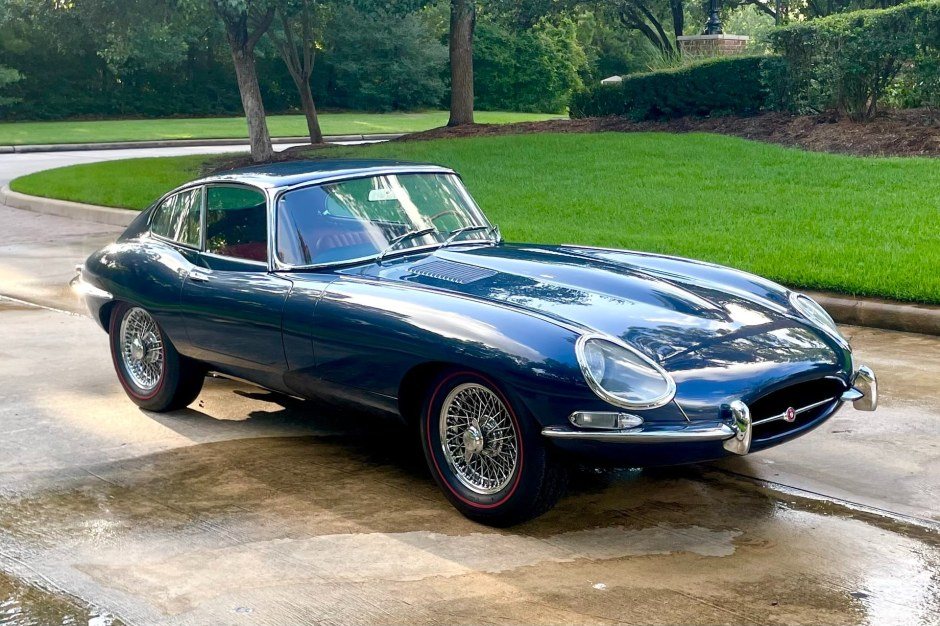
Restored 1967 Jaguar XKE Series I Coupe Heads to Auction in Texas
Economy 30
HMRC is writing to low earners about pension top-ups averaging about £70
News 127
London Mayor Funds Safer Streets for Women and Girls
Politics 105
Reform UK's Welsh Leader Dan Thomas Resigns After Arrest on Suspicion of Assault
Sports 238
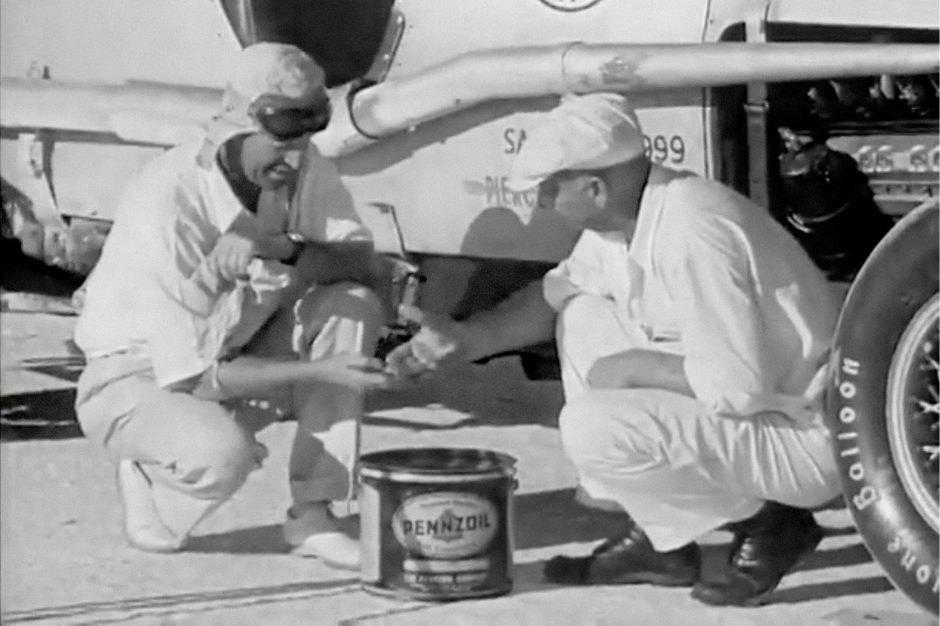
Ab Jenkins and the Salt Flats: How Pennzoil Backed the Quest for Speed and Safety
Technology 138
BMW M3 EV Prototype Drifts at Nürburgring as Xiaomi SU7 Ultra Closes In

Dawn Airey has succeeded Sir Nicholas Serota as chair of Arts Council England, with the appointment arriving as public arts funding in Britain marks its 80th anniversary and the cultural sector looks for renewal.
By Eleanor Ellington · 4 min read
Dawn Airey, the former head of Channel 5, has taken over as chair of Arts Council England, succeeding Sir Nicholas Serota at a time of considerable strain for British cultural funding. The appointment lands in the week the country marks 80 years since the creation of the Arts Council of Great Britain, the body that went on to shape the modern system of public patronage for the arts.
The Arts Council of Great Britain was granted its royal charter on 9 August 1946. It grew out of the wartime Council for the Encouragement of Music and the Arts, known as Cema. The economist John Maynard Keynes, one of the leading figures behind the project, wrote in The Listener in July 1945 that « patronage of the arts has crept in » in what he called a « very English, informal, unostentatious way ». He died a few months before the charter was granted, but the institution he helped imagine went on to become a durable feature of British cultural life.
At its outset, the Arts Council funded 46 institutions, including the Royal Opera House and the Bristol Old Vic, which became the first publicly funded regional theatre in the United Kingdom. Over eight decades, its support has helped establish some of the country's most celebrated cultural landmarks, from the Southbank Centre and the Royal Shakespeare Company to the Proms, Glastonbury, local libraries, comedy venues, community arts centres and individual artists. Today, Arts Council England supports nearly 1,000 organisations.
The structure of arts funding in Britain changed in 1994, when the original body was devolved into separate national councils for England, Scotland, Wales and Northern Ireland. The anniversary of the royal charter has prompted renewed attention to the purpose of public investment in culture and to the health of the sector it sustains. The question of how that support should be distributed, and which parts of the arts deserve priority, remains central to the organisation's work.
Arts Council England has been much criticised in recent years, and the cultural sector has been described as weary. The handover to Airey took place this week. Her appointment has been described as offering hope for a cultural sector looking for renewal. She succeeds Sir Nicholas Serota, who has stepped down from the role.
Keynes wrote that he did not believe it was yet realised « what an important thing has happened ». The creation of a body to secure and distribute government cultural investment was, in his words, an important thing. Those marking the anniversary now argue that public funding for the arts is more vital than ever, even as the organisation responsible for it faces fresh questions about its future direction.
For Airey, the task ahead is to steer an organisation that must serve both world-famous institutions and small community projects, while making the case for continued public investment. The hope invested in her arrival reflects a wider belief that the arts need stable, confident leadership. Whether the next 80 years will match the achievements of the first now depends, at least in part, on how well she meets that challenge.