
Business 205
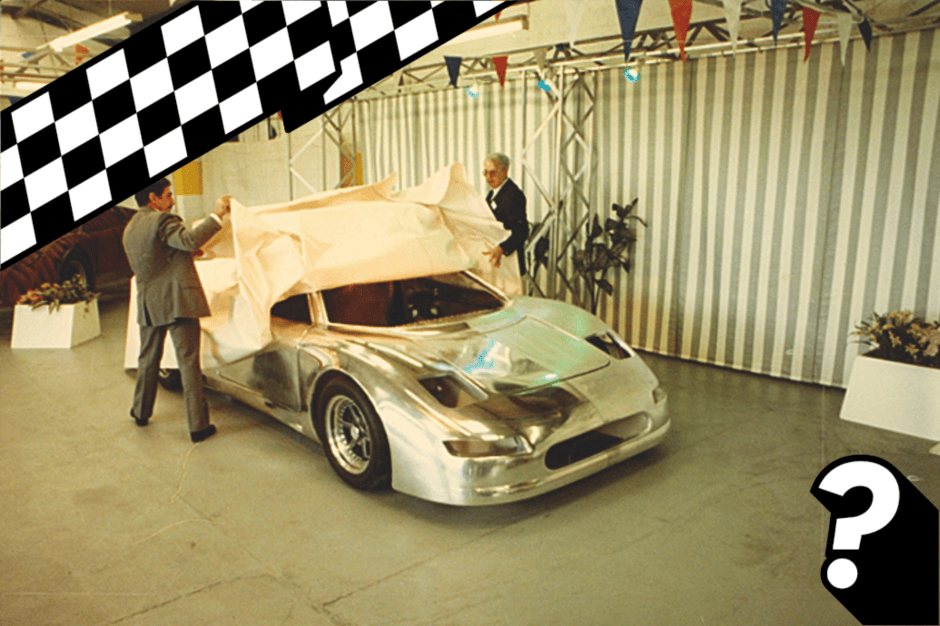
Seat Boss Says Brand Closure Not the Only Option
In this issue
Business 205
Seat Boss Says Brand Closure Not the Only Option
Culture 241
1978 Pontiac Firebird Trans Am Macho T/A Heads to Auction
Economy 39
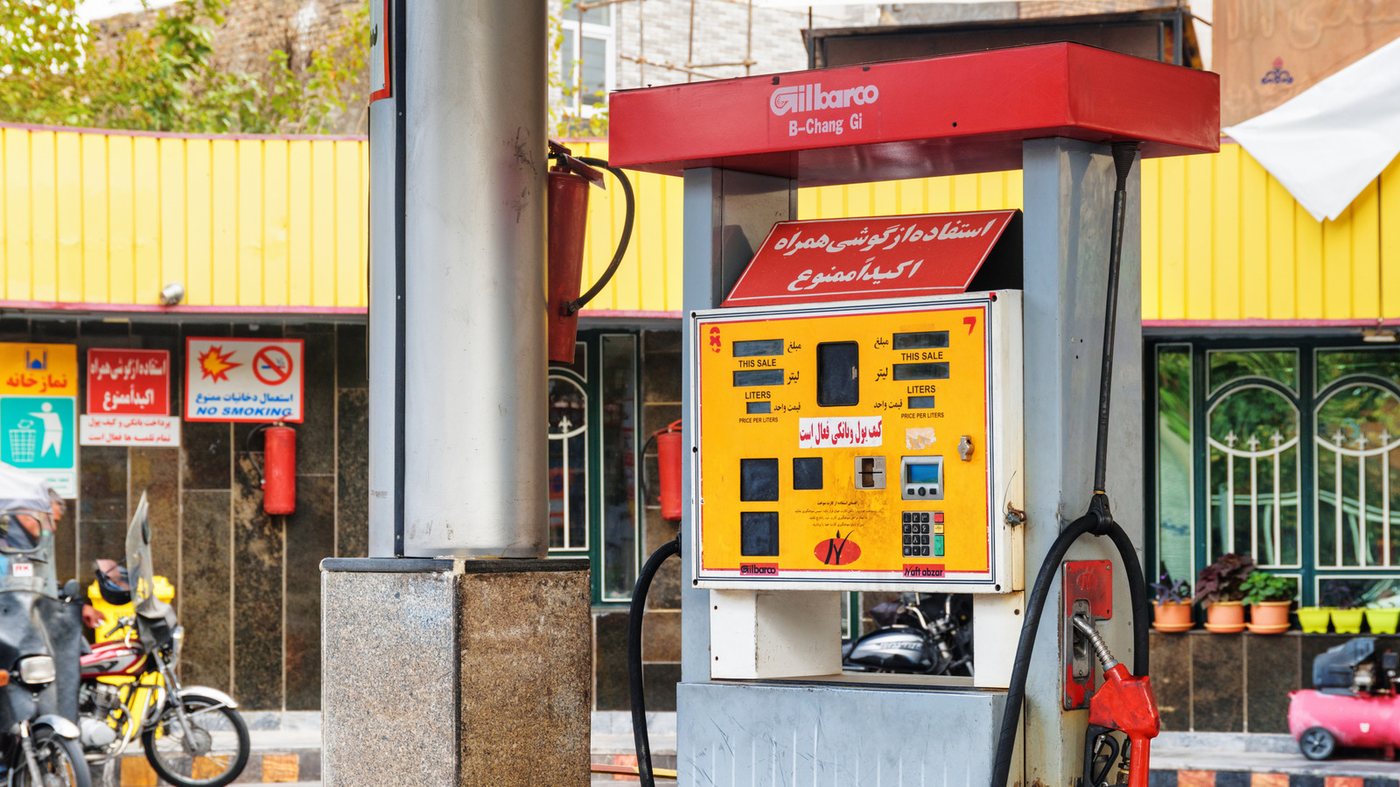
Countries Where Petrol Sells for Under $2 a Gallon
News 150
Earhart Search Team Reaches Crab-Infested Pacific Island
Politics 112
Ulle Madise becomes Estonia's new president
Sports 268
Jaguar XJ220 Named Favourite British Supercar in Reader Poll
Technology 279
GM Defense Unveils Driverless Silverado for Military Logistics
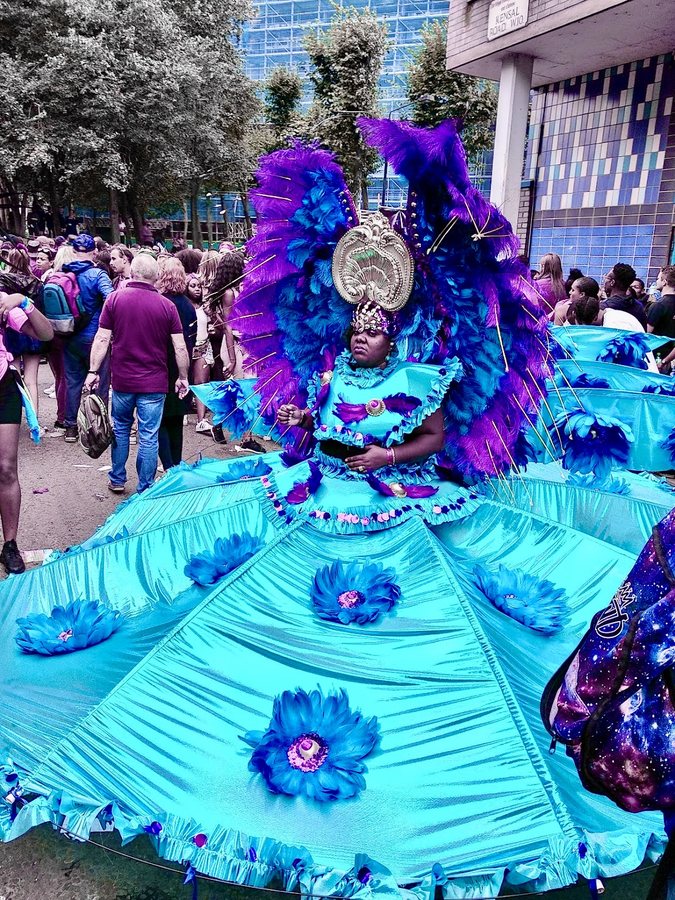
Writer and activist Kai-Isaiah Jamal reflects on the cultural and political significance of Notting Hill Carnival, describing it as an event rooted in resistance, joy, and community ownership.
By Charlotte Redford · 4 min read
Writer and activist Kai-Isaiah Jamal has spoken about the enduring power of Notting Hill Carnival, describing the annual London event as a celebration that fundamentally belongs to the people. In a new reflection on the festival, Jamal highlights how the carnival continues to serve as both a vibrant expression of Caribbean culture and a living monument to the city's history of resistance.
Jamal, whose work spans poetry, performance, and advocacy, frames the carnival as far more than a summer spectacle. The event, which draws millions of attendees to the streets of west London each August, is presented as a space where joy itself becomes a political act. For Jamal, the carnival's origins in the Windrush generation and its evolution through decades of social change remain central to its character, making it a fixture of British cultural life that cannot be separated from the struggles that shaped it.
The activist's commentary arrives as the carnival continues to navigate the pressures of commercialisation, safety concerns, and the practical challenges of staging a mass gathering in a densely populated urban area. Despite these tensions, Jamal argues that the spirit of the event endures because it is sustained by the communities that created it. The carnival, in this reading, is not an institution handed down from above but a collective creation, renewed every year by the dancers, musicians, and revellers who fill the streets.
Jamal's reflection also touches on the sensory richness of the day, from the sound systems and steel pans to the elaborate costumes that transform the neighbourhood. These elements, the writer suggests, are not mere decoration but part of a deeper tradition of self-expression and solidarity. The carnival offers a rare public space where participants can assert their identities on their own terms, a quality that has made it a touchstone for generations of Londoners.
The timing of the piece is significant, coming as debates continue over the future of large-scale cultural events in the capital. Organisers have faced mounting pressure to address issues ranging from crowd management to environmental impact, while long-time attendees worry about the erosion of the carnival's grassroots character. Jamal's intervention positions the event's survival as a matter of cultural justice, insisting that any attempt to tame or sanitise the carnival would betray its fundamental purpose.
Notting Hill Carnival has been a defining feature of London's cultural calendar since the 1960s, when it emerged from the city's Caribbean communities as a celebration of identity and a response to the racial tensions of the era. Over the decades, it has grown into one of the largest street festivals in Europe, attracting visitors from across the world. For many, it remains a symbol of the capital's diversity, a day when the city's multicultural character is on full display.
Jamal's perspective adds a contemporary voice to the carnival's long history, linking its past to its present and future. The writer's emphasis on ownership and belonging speaks to a broader conversation about who gets to define cultural institutions and whose interests they serve. In Jamal's view, the answer is clear: the carnival belongs to the people, and its continued vitality depends on keeping it that way.
63