Business 205
Seat Boss Says Brand Closure Not the Only Option
In this issue
Business 205
Seat Boss Says Brand Closure Not the Only Option
Culture 242
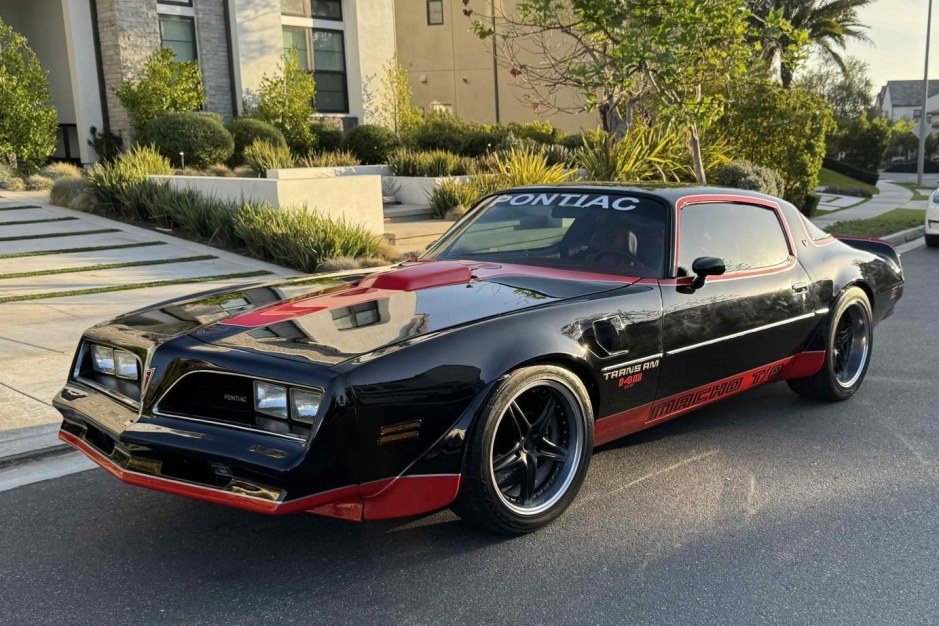
1978 Pontiac Firebird Trans Am Macho T/A Heads to Auction
Economy 39
Countries Where Petrol Sells for Under $2 a Gallon
News 150
Earhart Search Team Reaches Crab-Infested Pacific Island
Politics 112
Ulle Madise becomes Estonia's new president
Sports 268
Jaguar XJ220 Named Favourite British Supercar in Reader Poll
Technology 279
Porsche's Electric 718 Will Put Batteries Where the Engine Used to Be
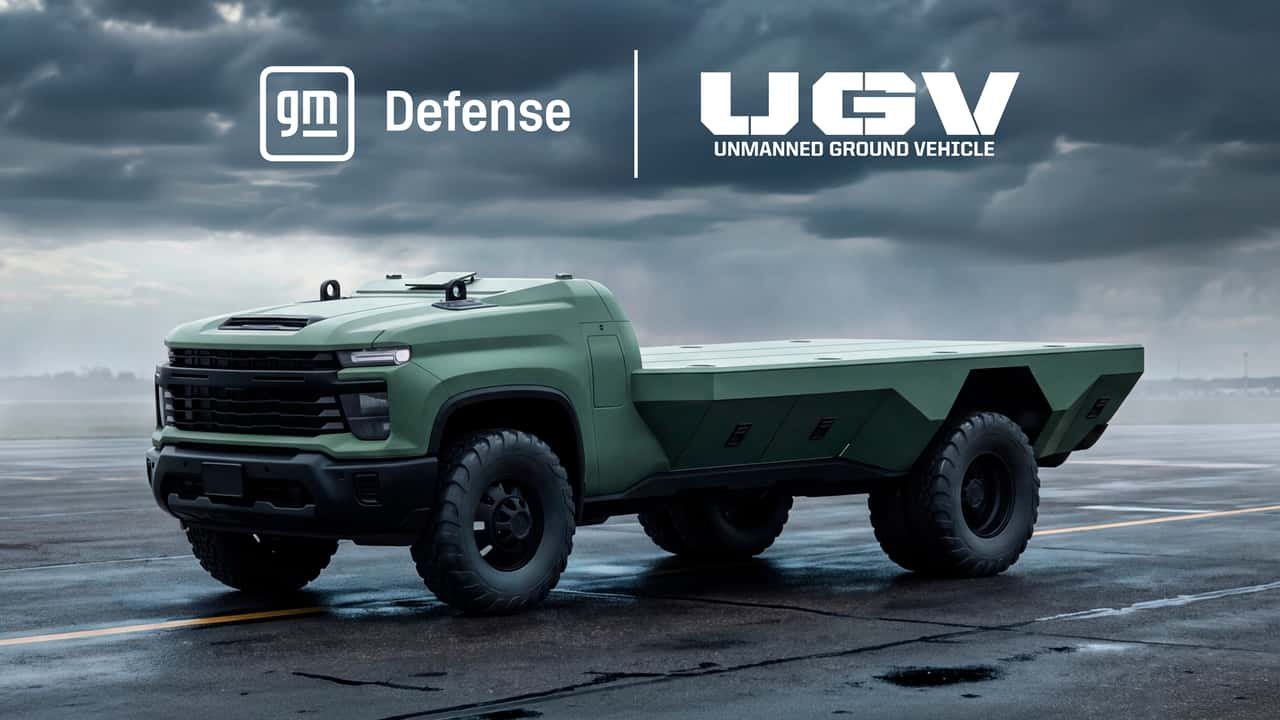
GM Defense has converted a Chevrolet Silverado 3500HD into an unmanned ground vehicle for military logistics, with Army trials planned for 2027. The move scales the company's Infantry Squad Vehicle programme.
By George Kensington · 5 min read
GM Defense has unveiled an unmanned ground vehicle built on the Chevrolet Silverado 3500HD platform, converting the heavy-duty pickup into a driverless logistics truck intended for military use. The vehicle is planned to enter US Army trials in 2027, marking a significant expansion of the company's autonomous capabilities beyond its existing Infantry Squad Vehicle programme.
The Silverado-based UGV is designed to carry supplies and equipment in contested or dangerous environments without putting soldiers at risk. By adapting a commercially available heavy-duty truck chassis, GM Defense aims to leverage proven automotive engineering while integrating autonomous driving systems tailored to military logistics. The choice of the Silverado 3500HD reflects a broader trend among defence contractors of using civilian vehicle platforms to reduce development costs and accelerate timelines.
The announcement comes as GM Defense scales up its Infantry Squad Vehicle programme, which itself is based on the Chevrolet Colorado mid-size pickup. That programme has already delivered vehicles to the US Army for troop transport and reconnaissance. Extending the same approach to a larger, heavier platform suggests the company sees growing demand for autonomous resupply and support vehicles that can operate in environments where manned convoys face elevated risk.
Army trials scheduled for 2027 will evaluate the vehicle's performance in realistic operational scenarios, including navigation, obstacle avoidance, and payload delivery. If successful, the platform could inform future procurement decisions as the US military seeks to integrate more robotic systems into its logistics chain. The Army has been exploring autonomous ground vehicles for several years, with the goal of reducing the number of soldiers exposed to improvised explosive devices and ambushes during supply missions.
GM Defense is not alone in pursuing this market. Several other defence and technology firms are developing unmanned ground vehicles for logistics, reconnaissance, and combat support. However, GM Defense's advantage lies in its access to General Motors' production capacity and engineering resources, which could allow for faster scaling and lower unit costs than bespoke military vehicle manufacturers. The Silverado 3500HD, with its high payload capacity and robust chassis, is well suited to carrying heavy loads over rough terrain.
The conversion process involves removing the driver's cab controls and installing a suite of sensors, cameras, and software that enable autonomous operation. While GM Defense has not disclosed specific technical details, the vehicle is expected to retain much of the Silverado's original drivetrain and structural integrity, with modifications focused on the autonomy stack and military-specific communications equipment. This approach mirrors the Infantry Squad Vehicle, which uses a modified Colorado platform with a roll cage and other enhancements.
The timeline for the 2027 trials aligns with the US Army's broader modernisation efforts, which include the Robotic Combat Vehicle programme and various autonomous logistics initiatives. If the Silverado UGV performs well, it could be positioned for follow-on contracts or further development. GM Defense has been actively pursuing military contracts since its establishment as a subsidiary of General Motors, and the Silverado UGV represents another step in its strategy to become a significant player in the defence sector.
For now, the vehicle remains a demonstrator, but the planned Army trials indicate serious intent. The outcome of those trials will determine whether the Silverado-based UGV moves toward production or remains a technology showcase. Either way, the project highlights the increasing convergence of commercial automotive technology and military requirements, a trend that is likely to shape the next generation of military vehicles.
7