Business 205
Seat Boss Says Brand Closure Not the Only Option
In this issue
Business 205
Seat Boss Says Brand Closure Not the Only Option
Culture 242
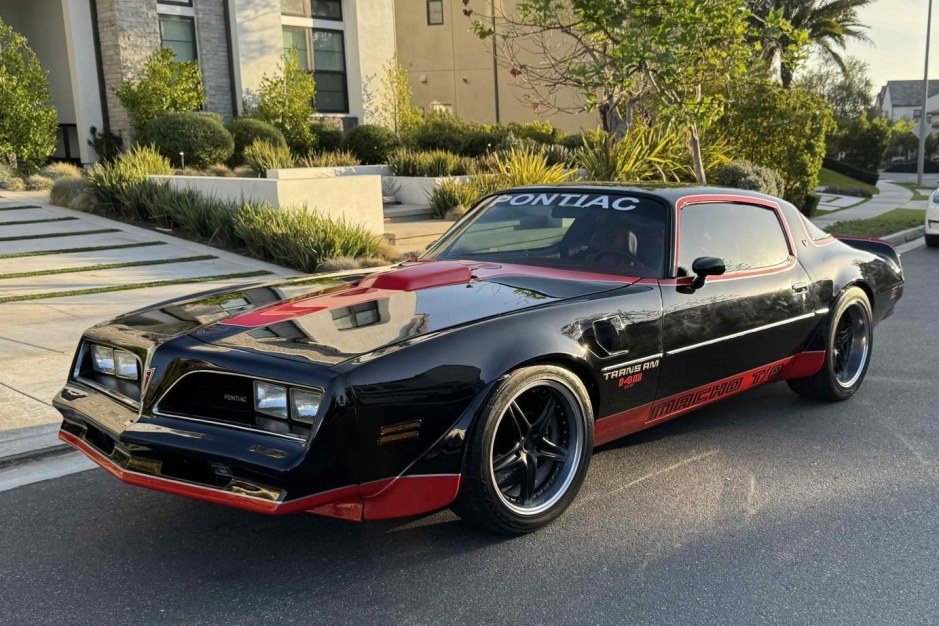
1978 Pontiac Firebird Trans Am Macho T/A Heads to Auction
Economy 39
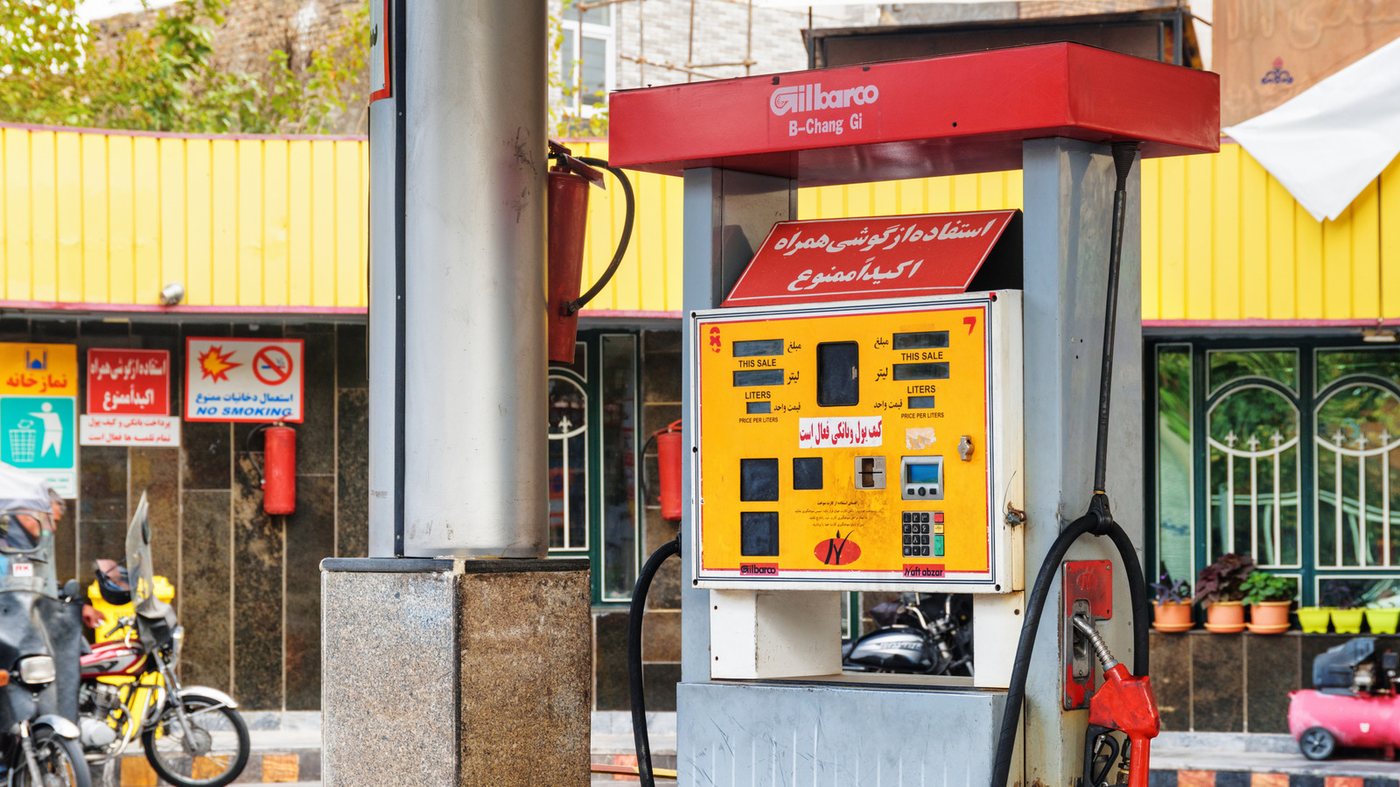
Countries Where Petrol Sells for Under $2 a Gallon
News 150
Earhart Search Team Reaches Crab-Infested Pacific Island
Politics 112
Ulle Madise becomes Estonia's new president
Sports 268
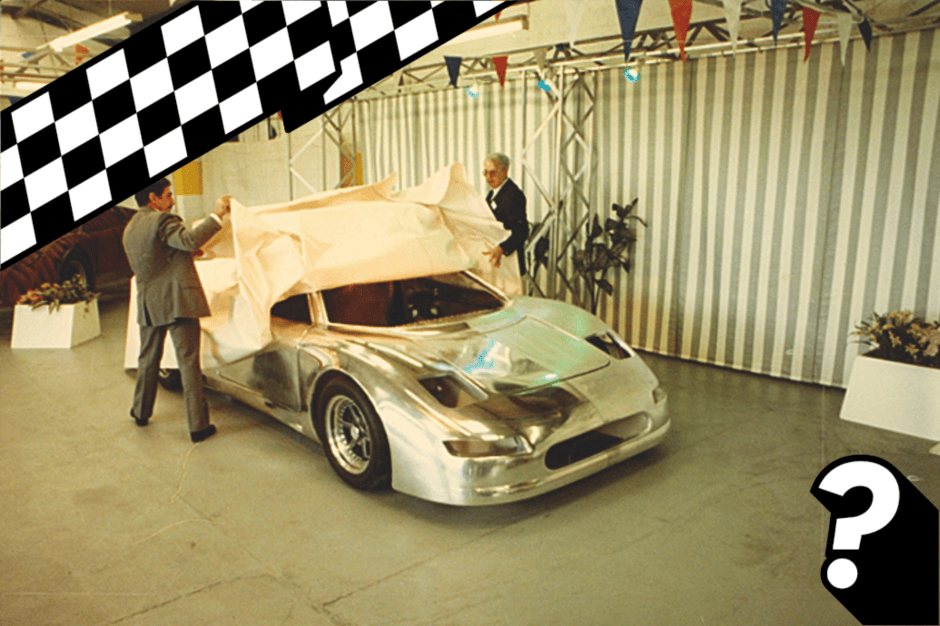
Jaguar XJ220 Named Favourite British Supercar in Reader Poll
Technology 279
GM Defense Unveils Driverless Silverado for Military Logistics
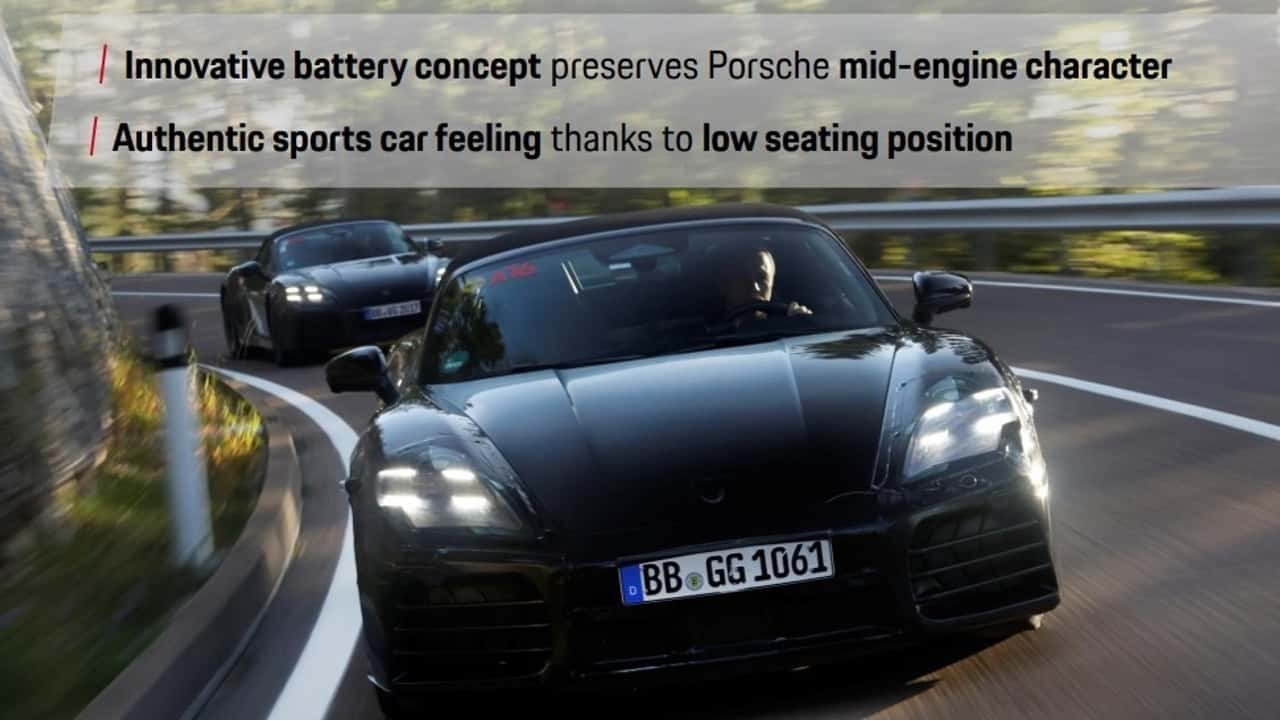
Porsche's next-generation Boxster and Cayman will adopt an unorthodox mid-engine layout for electric cars, placing their battery packs behind the seats to preserve the sports car's balance and handling.
By Charlotte Redford · 5 min read
Porsche's next sports car will place its batteries where a petrol engine would traditionally sit, as the German marque prepares to launch electric versions of its Boxster and Cayman models. The electric 718 will adopt an unorthodox take on the mid-engine layout, positioning the battery pack behind the seats rather than beneath the floor — the arrangement used by most electric vehicles currently on the market.
The decision represents a significant engineering departure for Porsche. In conventional electric cars, the battery is typically mounted low and flat within the chassis floor, a layout that lowers the centre of gravity and frees up cabin space. By moving the battery behind the seats, Porsche appears to be prioritising the weight distribution and driving dynamics that have long defined its mid-engine sports cars, rather than maximising interior room or manufacturing simplicity.
The mid-engine configuration has been a hallmark of the Boxster and Cayman since the models were introduced, contributing to their reputation for balanced handling. Placing the heaviest single component — the battery — in roughly the same position as the flat-six engine it replaces could allow Porsche to preserve the weight distribution and centre of gravity that enthusiasts associate with the cars, even as the powertrain switches from combustion to electric.
The move comes as Porsche continues its broader transition towards electrification. The company has already launched the Taycan, its first purpose-built electric sports saloon, and has confirmed that the Macan will be offered with an electric powertrain. The 718 line represents the next step in that strategy, bringing battery power to the brand's most affordable and driver-focused models.
For a manufacturer whose identity is closely tied to the handling characteristics of its sports cars, the engineering choices made for the electric 718 will be closely scrutinised. Porsche has consistently argued that electrification need not come at the expense of driving pleasure, and the decision to retain a mid-mounted weight distribution suggests the company is seeking to back that claim with tangible engineering.
The approach also distinguishes Porsche from many rivals, who have largely adopted the skateboard-style platform in which a flat battery pack underpins the entire vehicle. While that layout offers packaging advantages and economies of scale, it can result in taller vehicles with less favourable weight distribution for performance driving. Porsche's alternative suggests a willingness to accept additional complexity in pursuit of a more traditional sports car feel.
Details of the electric 718's range, performance and charging capabilities have yet to be confirmed. The model is expected to form part of Porsche's expanding electric line-up as the company works towards a target in which the majority of its new cars sold will be electric by the end of the decade. The Boxster and Cayman have traditionally served as entry points to the Porsche range, and their transition to electric power will be seen as a test of whether the brand can carry its driving characteristics into the electric era.
The placement of batteries behind the seats is not without engineering challenges. It can affect cabin space, crash structure and cooling requirements, and may require Porsche to develop a bespoke platform rather than adapting an existing electric architecture. The company has not disclosed further technical details, but the layout confirms that the electric 718 will be a distinct proposition rather than a straightforward adaptation of an existing electric model.
For buyers, the change will be most visible in the driving experience. The flat-six soundtrack that has defined the Boxster and Cayman for decades will be replaced by near-silent electric propulsion, a shift that has provoked debate among enthusiasts. Porsche's challenge will be to demonstrate that the new layout delivers the responsiveness and balance that made its mid-engine sports cars a benchmark, even without a combustion engine behind the driver.
4