
Business 303
Volkswagen launches full-hybrid Golf to rival Honda Civic and Toyota Corolla
In this issue
Business 303
Volkswagen launches full-hybrid Golf to rival Honda Civic and Toyota Corolla
Culture 337
Michigan-owned 1996 Jaguar XJS convertible with 36,000 miles heads to auction
Economy 48
Three Tankers Reportedly Strike Mines in Strait of Hormuz
News 161
Private parking firms face pressure as UK motorists call for fairer rules
Politics 121
Burnham denies stopping ministers from discussing closer EU ties
Sports 295
BMW unveils one-off M3 tribute to late racing driver Alex Zanardi
Technology 351
Cracked Oil Pan Starved and Destroyed a Porsche 911 Flat-Six Engine
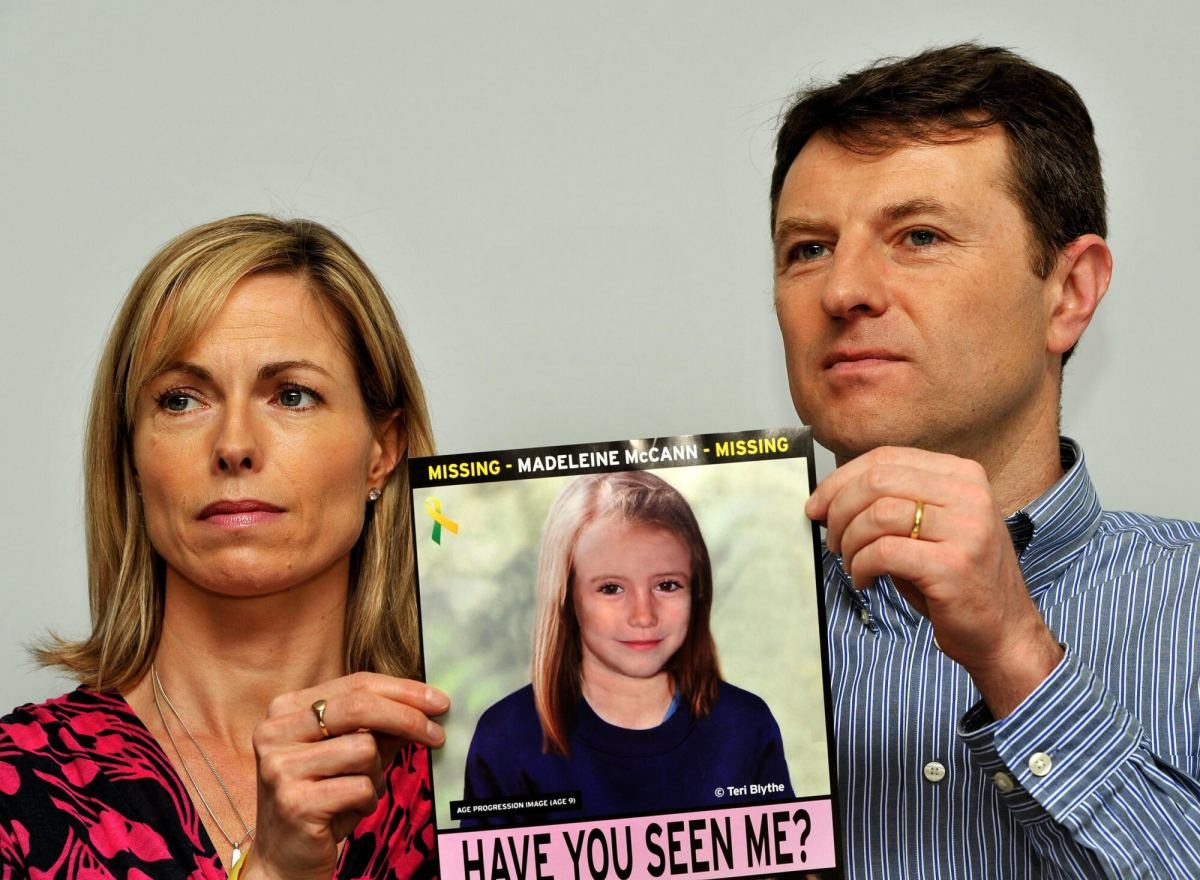
The 49-year-old man at the centre of the Madeleine McCann investigation no longer has 24-hour police surveillance, though he does not deny having been close to the family's apartment on the night the girl disappeared.
By George Kensington · 3 min read
The 49-year-old man named as the main suspect in the disappearance of Madeleine McCann no longer has round-the-clock police surveillance. He does not deny that on the night the girl vanished he was only about 150 yards, roughly 137 metres, from the apartment where the McCann family was staying. He maintains, however, that he had nothing to do with her abduction.
The distance is the detail that has kept him at the centre of the inquiry for years. It places him close enough to the family's holiday accommodation to be of interest to investigators, while his denial of any involvement leaves the question of what he was doing that night unresolved in the public record. The source material does not set out the specific reasons investigators gave for his placement under surveillance in the first place, nor the reasons for lifting it.
Madeleine, then three years old, disappeared from the Portuguese resort of Praia da Luz in May 2007 while her parents, Kate and Gerry McCann, were dining with friends at a restaurant within sight of their apartment. The couple checked on their children at intervals during the evening and raised the alarm when they found Madeleine's bed empty. The case has since become one of the most widely followed missing-person investigations in the world, sustained by media attention, a long-running public appeal and repeated police reviews across more than a decade.
The lifting of constant monitoring marks a change in how authorities are handling the man, but it does not by itself signal a change in his legal status or any conclusion about the case. Surveillance of this kind is a matter of operational judgement, and the decision to end it does not amount to exoneration. Nothing in the source material suggests that new evidence has emerged to alter the position of investigators.
For the McCann family, the development arrives after years in which their daughter has not been found. Kate and Gerry McCann have kept the search for Madeleine in the public eye, and any shift in how the principal suspect is handled is likely to be followed closely by those who have tracked the case since its earliest days. The suspect's continued denials mean that the central question of what happened on that May evening remains, for now, without a settled answer.
7