Business 138
Bugatti Unveils First US Residences in Miami
In this issue
Business 138
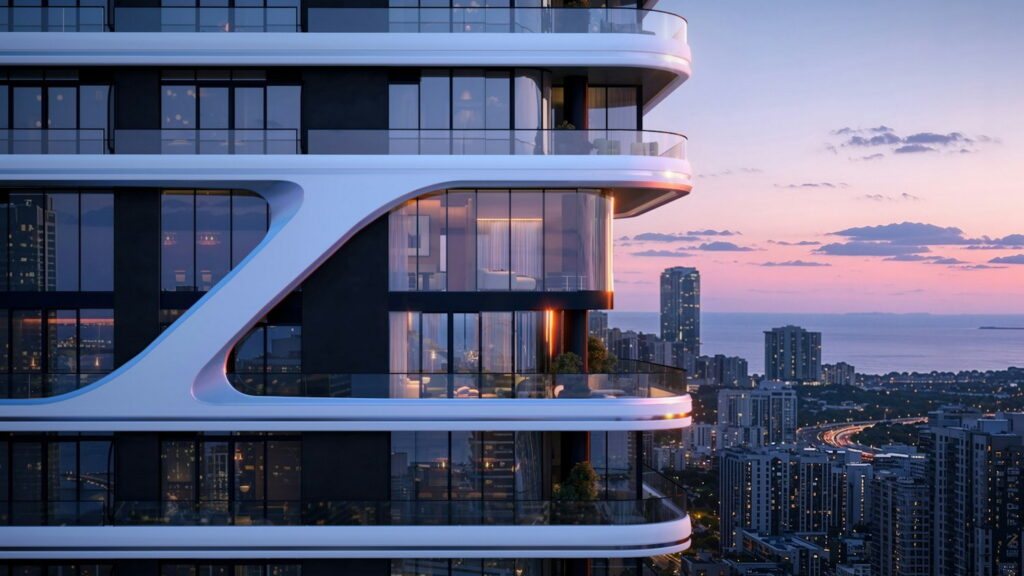
Bugatti Unveils First US Residences in Miami
Culture 148
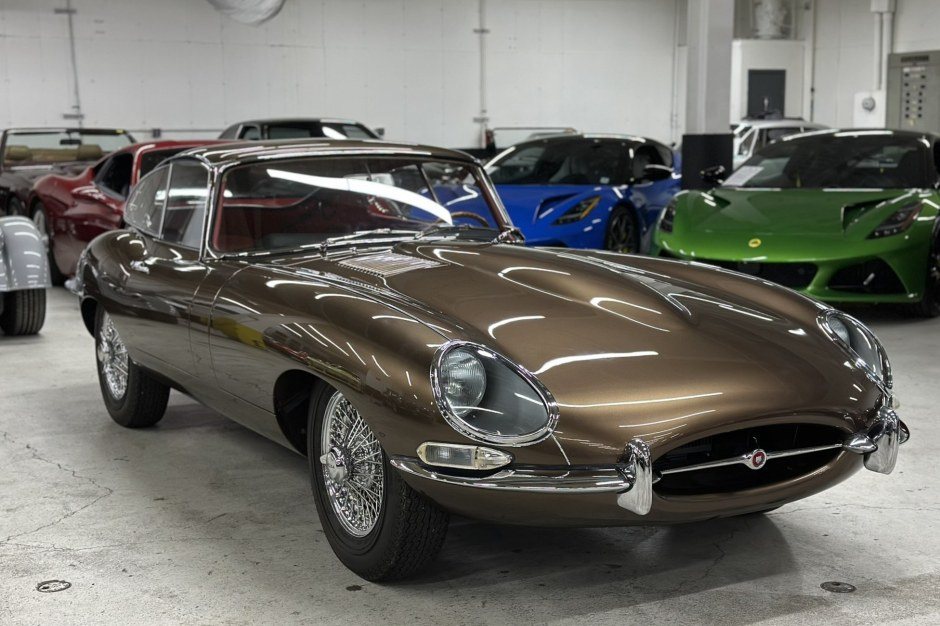
1962 Jaguar XKE Series I Coupe Heads to Auction After Decades Off the Road
Economy 33
Bitcoin and Ethereum Surge to Levels Last Seen in January
News 131
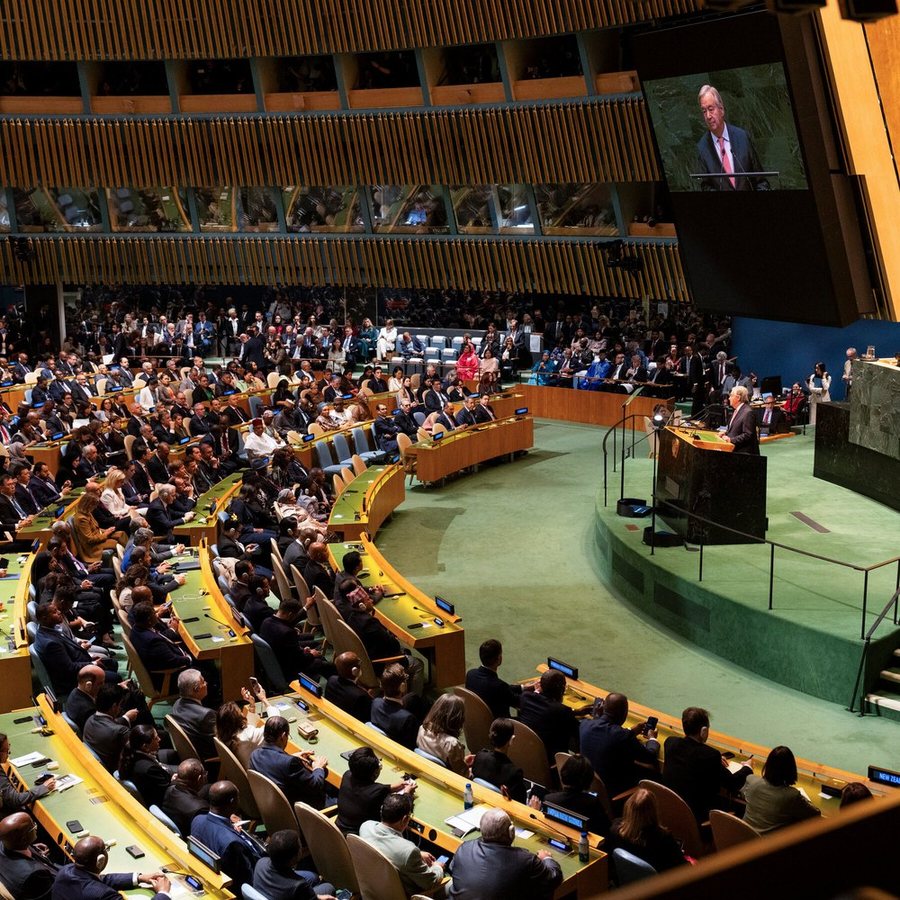
Trump Tells UN Iran Faces Choice Between Deal and Annihilation
Politics 107
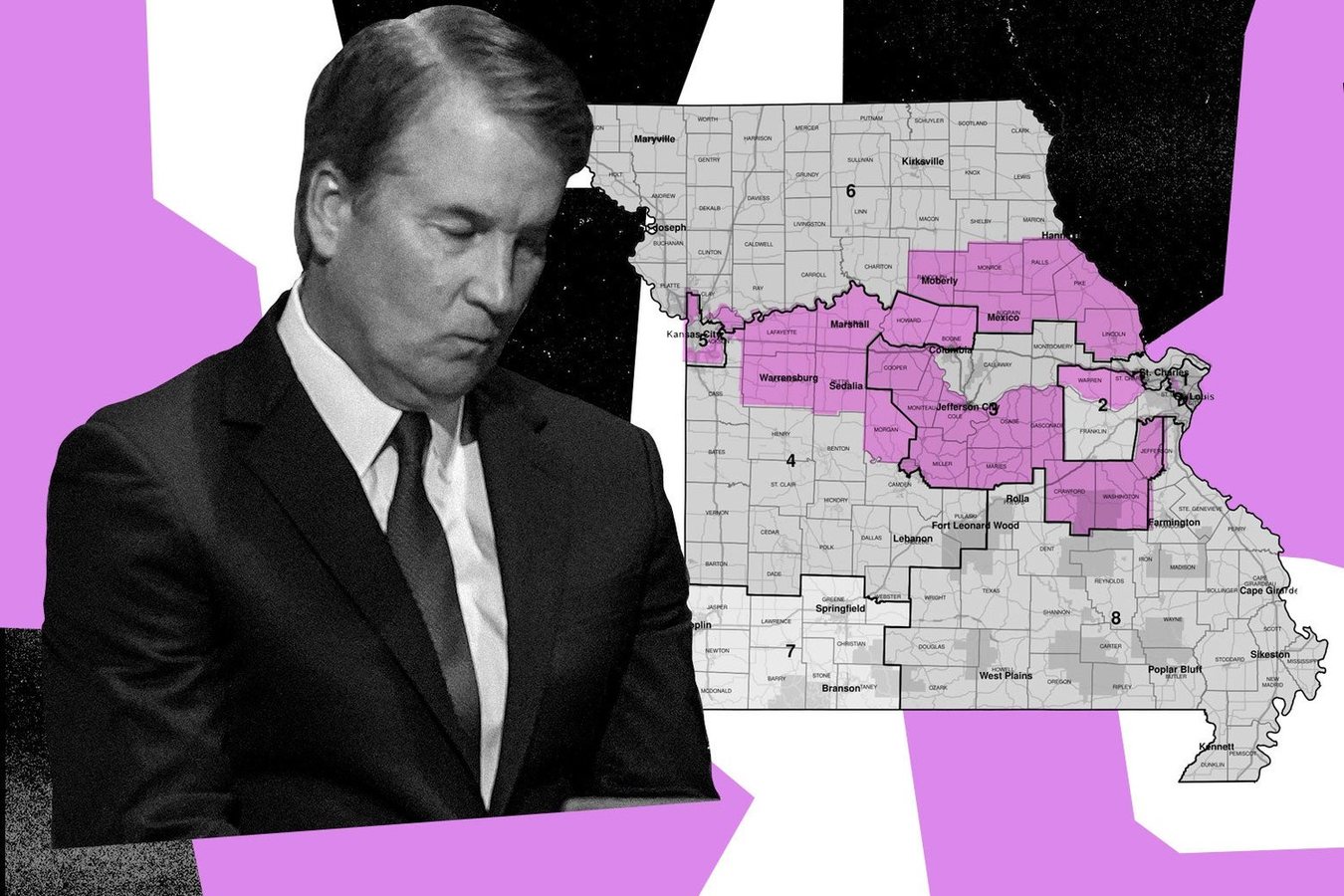
Republican Judges Defy Supreme Court in Missouri Redistricting Fight
Sports 245
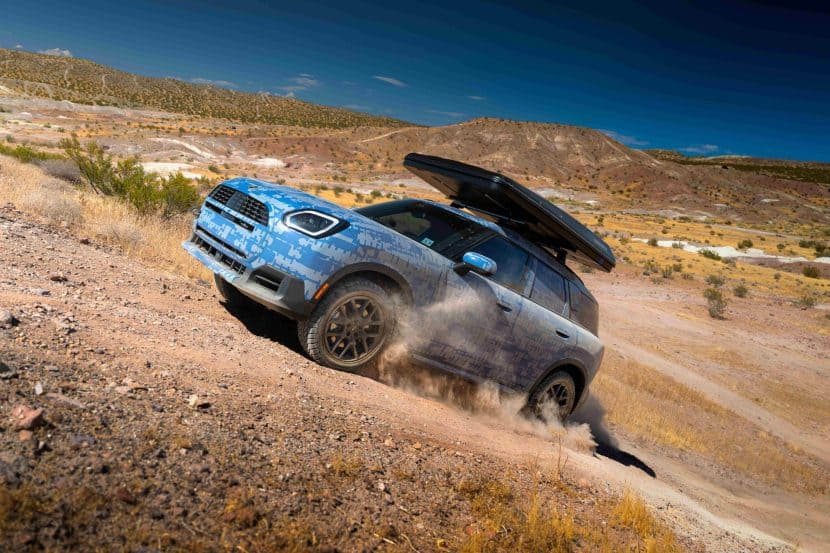
MINI to Debut New Adventure SUV at Rebelle Rally
Technology 159
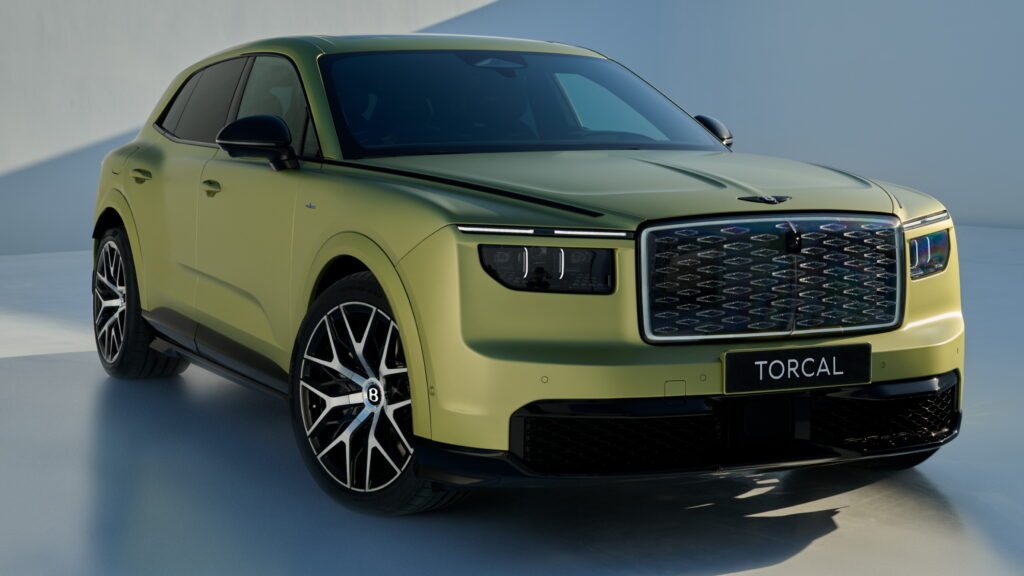
Bentley Unveils Torcal, Its First Electric Car
Renault has resurrected the Gordini badge for a new concept car, paying tribute to the Italian-born engineer Amédée Gordini whose tuning genius transformed the French marque's performance reputation from the 1950s onwards.
By Edward Beaumont · 6 min read
Renault has revived the Gordini name for its latest concept car, a modern interpretation of the Renault 8 Gordini that first appeared in 1964. The new 8 Gordini concept draws clear inspiration from the car that most famously carried the badge, honouring an engineer whose influence shaped Renault's performance identity for decades.
The Gordini story begins with Amédée Gordini, an Italian-born engineer and racing driver born in 1899. Captivated by engineering and motorsport from an early age, he found work at Fiat alongside Edoardo Weber and later built engines with Alfieri Maserati before moving to Paris in 1925. There he joined Simca, which imported and assembled Fiats under licence in France, and soon found himself at the helm of the brand's motorsport division.
Gordini's ability to extract every ounce of performance from the rudimentary Fiat powerplants at his disposal earned him the nickname «The Sorcerer». His expertly tuned race versions of Simca models enjoyed success at major events including the Bol d'Or and the Le Mans 24 Hours in the latter half of the 1930s. He remained at Simca until 1951, when the company declined to finance his ambition of a Formula 1 programme, prompting him to set up on his own.
That decision delivered his grand prix wish through Équipe Gordini between 1950 and 1956. Despite his reputation as one of the most influential and imaginative engine builders of his era, he was constantly burdened by a shoestring budget. His team nevertheless scored a few podiums and enjoyed intermittent battles with the might of Ferrari.
By the end of the 1956 season, Formula 1 had drained his funds and a new direction was needed. It arrived in the form of Renault. That year, the French brand's humble rear-engined Dauphine saloon had surprised everybody by pulling off a string of victories in rallying. The Dauphine was by no means a performance car, but those successes made its potential all the more exciting, and the out-of-work Gordini was the perfect man to realise it.
The result was the Dauphine Gordini, the first Renault to bear the engineer's name. Unveiled at the 1957 Paris motor show, it was not exactly a rocket ship, taking 27 seconds to reach 62mph, but it won the Monte Carlo Rally outright the following year. Thanks to Gordini's unique talent for engine building, the Dauphine only got faster as he squeezed more performance from its little inline four. This culminated in the sought-after 1093 variant, a 55bhp homologation special of which only 2,140 examples were built, which maintained the Dauphine's rally winning streak.
The success of the go-faster Dauphines led to a second Renault Gordini model that would go down as the most famous of all. In 1964, the Dauphine's replacement, the 8, received fatter wheels and tyres, more competent suspension and a close-ratio gearbox. It famously featured a quad-headlight front, and the body was painted blue with two slender, off-centre white stripes over the top. With Gordini's engine tuning expertise, it had the go to match its looks. The 8 Gordini produced 95bhp, nearly double that of the standard car. After an update in 1966 introduced a 1.3-litre engine and a five-speed gearbox, the top speed of the «Gorde» climbed above 100mph, a serious figure for the time.
The 8 Gordini dominated the rally world, winning the San Remo and the Tour de Corse, and even inspired the world's first one-make race series. By all accounts, the Renault-Gordini partnership was now a serious force within the automotive world, further cemented when Gordini's operations were fully incorporated into the Renault brand in 1969 with a new factory in Viry-Châtillon.
Further models followed: the 12 Gordini appeared in 1970 as a lightweight, front-wheel-drive saloon, the 17 Gordini in 1974 as a performance fastback and, in the UK, the 5 received a hot Gordini trim in 1979. Gordini also continued to provide his motorsport knowhow, ultimately helping to design the framework of the turbo V6 that powered the Alpine-Renault A442-B that won Le Mans outright in 1978, arguably the greatest result in the brand's racing history. Gordini saw that victory before he died a year later, aged 79.
The Viry-Châtillon facility would later become the home of Renaultsport, and a number of hot Clios and Twingos in the early 2010s bore Gordini's name in tribute. Since then, the Gordini designation has mostly lain dormant, until now. The new 8 Gordini concept takes clear inspiration from the car that most famously featured the Sorcerer's surname and utilised his extraordinary talent to firmly place fast Renaults on the map. It is little wonder that Renault continues to honour his legacy, as the brand would not be the same today without him.
5