
Business 203
Seven Cars With Lease Deals Under £300 a Month
In this issue
Business 203
Seven Cars With Lease Deals Under £300 a Month
Culture 234
Golden Era Honda Collection Heads to Auction
Economy 38
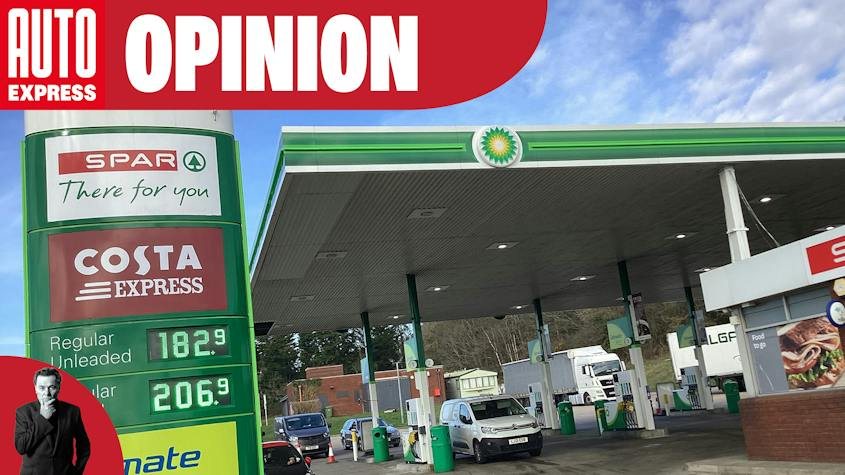
Diesel at Nearly £11 a Gallon Prompts Calls for VAT Cut at the Pumps
News 149
Weekly Exercise Linked to Slower Memory and Movement Decline in Parkinson's Patie…
Politics 111
Trump Names Katie Zacharia as White House Press Secretary
Sports 266
Arsenal to Host Leeds United in Premier League Clash
Technology 266
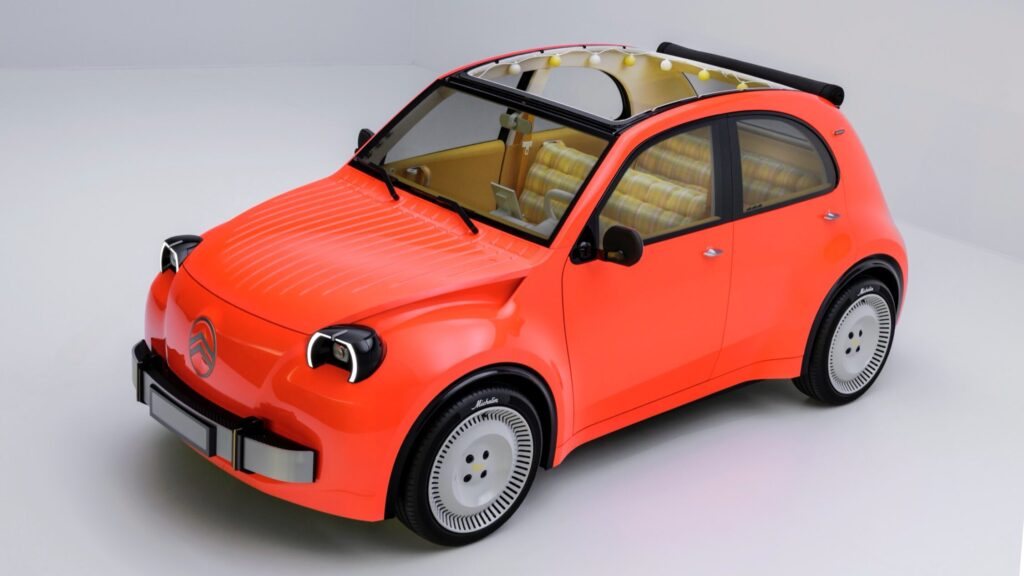
Citroën Revives 2CV as Electric Concept to Challenge Chinese EVs
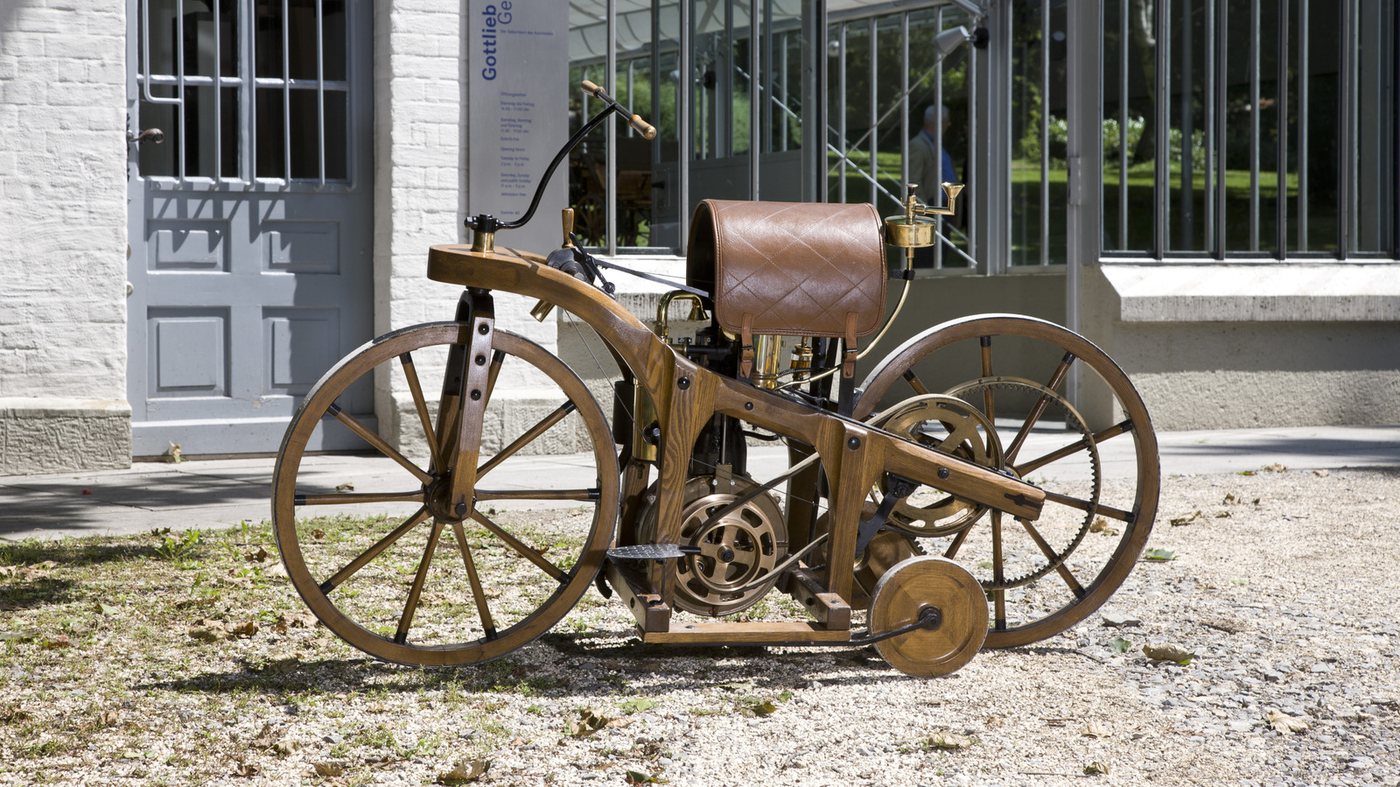
Before Mercedes-Maybach became a byword for luxury motoring, Wilhelm Maybach helped build the world’s first gas-powered motorcycle in 1885, a milestone that shaped the future of personal transport.
By Eleanor Ellington · 4 min read
Long before the Mercedes-Maybach name became synonymous with chauffeured limousines and hand-stitched leather interiors, Wilhelm Maybach was working on something far humbler: the world’s first gasoline-powered motorcycle. The 1885 machine, developed with Gottlieb Daimler, is now recognised as a foundational moment in the history of motorised transport, predating the automobile by several years and setting the technical template for everything that followed.
Maybach, often described as the «king of designers» by Daimler himself, was not chasing luxury in the 1880s. He was an engineer obsessed with the internal combustion engine, then a novel and unreliable concept. Together with Daimler, he fitted a single-cylinder, four-stroke engine to a wooden bicycle frame, creating a vehicle that could carry a rider without pedalling. The so-called Reitwagen, or «riding car», was patented in 1885 and is widely considered the first motorcycle in history.
The machine was crude by modern standards. Its engine produced less than one horsepower, the frame was made of wood, and the rider sat over a pair of iron-tyred wheels with no suspension to speak of. Yet the principles Maybach and Daimler established — a compact engine mounted in a lightweight frame, with power delivered to the rear wheel — remain the basis of motorcycle design more than 130 years later. The Reitwagen was not a commercial product; it was an experiment, a proof of concept that the internal combustion engine could be made small and portable enough to power a personal vehicle.
That experiment had consequences far beyond two wheels. The same engine technology was soon adapted for a four-wheeled carriage, and Daimler and Maybach went on to build some of the earliest automobiles. Maybach’s engineering career spanned decades, and his name eventually adorned the ultra-luxury cars produced by the company he co-founded with his son, Karl. In 2002, DaimlerChrysler revived the Maybach name as a stand-alone ultra-luxury brand, and it now survives as the Mercedes-Maybach sub-brand, offering limousines and SUVs priced well into six figures.
The contrast between the 1885 Reitwagen and a modern Mercedes-Maybach S-Class could hardly be starker. The motorcycle had no bodywork, no cabin, no climate control, and no infotainment system. It was, in essence, a bicycle with a motor bolted on. But the lineage is direct. The Maybach name, now a badge of opulence and comfort, traces its engineering roots to a wooden-framed machine that could barely reach 12 kilometres per hour and required considerable skill to keep upright.
Historians of technology point to the Reitwagen as a landmark not only for motorcycling but for the entire motor age. It demonstrated that the internal combustion engine, previously confined to stationary industrial use, could be miniaturised and applied to personal transport. That insight opened the door to the motorcycle industry, the automobile industry, and eventually the entire landscape of modern mobility. Without Maybach’s willingness to strap an engine to a bicycle, the luxury saloons that now carry his name might never have existed.
The original Reitwagen was destroyed in a fire in 1904, but replicas survive in museums, including the Mercedes-Benz Museum in Stuttgart. For a brand built on prestige and refinement, the motorcycle is a reminder that its origins were experimental, mechanical, and decidedly unglamorous. The path from a wooden bike with a one-horsepower engine to a hand-built limousine with a V12 is a long one, but it runs directly through Wilhelm Maybach’s workshop in the 1880s.
57