
Business 296
1999 Ferrari 360 Modena with manual gearbox heads to no-reserve Bring a Trailer a…
In this issue
Business 296
1999 Ferrari 360 Modena with manual gearbox heads to no-reserve Bring a Trailer a…
Culture 322
A 2016 Ford Focus RS with 34,000 Miles Heads to Bring a Trailer Auction
Economy 48
Three Tankers Reportedly Strike Mines in Strait of Hormuz
News 161
Private parking firms face pressure as UK motorists call for fairer rules
Politics 120
Burnham denies stopping ministers from discussing closer EU ties
Sports 291
Sheffield United and Wrexham meet in a fixture scheduled for 30 October
Technology 347
Rivian Delivers Electric Van Update With 30% More Range and AWD
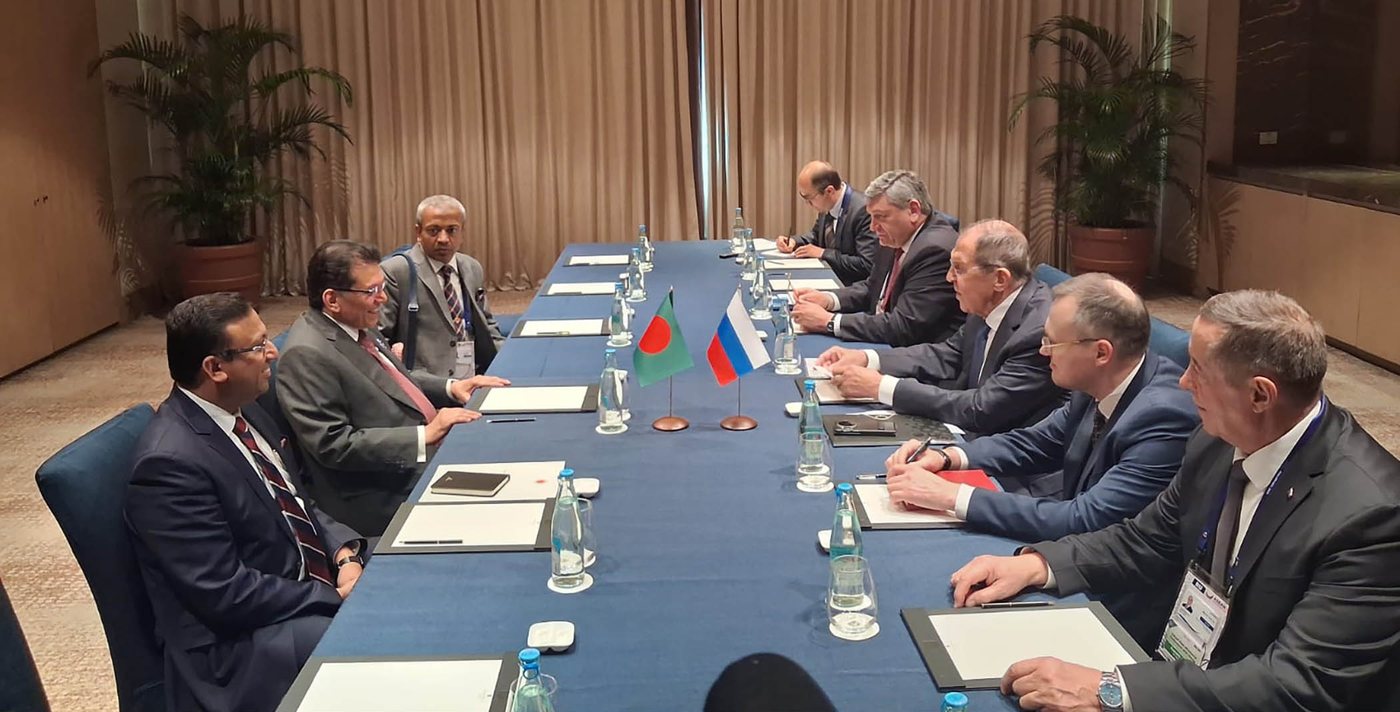
The Russian foreign minister invoked World War II as Berlin closed diplomatic and cultural channels. The real contest is over deterrence, sanctions and the management of escalation.
By Edward Beaumont · 4 min read
Sergey Lavrov has chosen the language of war to describe a relationship that is deteriorating rapidly but has not crossed into formal belligerency. In remarks released on September 6, Russia’s foreign minister called Germany’s accusations and subsequent measures “the beginning of a real war.” He cited the closure of the Russian consulate in Bonn, Germany’s move against the Russian House in Berlin and the historical example of diplomatic missions closing before World War II.
There has been no declaration of war. Russia has not formally declared war on Germany, and the German government explicitly says Germany is not at war. Berlin says it is confronting hybrid warfare — sabotage, cyberattacks, espionage and influence operations that stay below the threshold of a conventional military assault. The distinction is more than semantic: it determines which institutions respond, what legal tools are used and how NATO tries to deter hostile action without turning every incident into a military crisis.
The immediate trigger is an attempted sabotage operation Germany says took place at Leipzig/Halle Airport on August 4. Berlin accuses Russia of being behind an explosive-equipped drone near a Ukrainian transport aircraft. Moscow denies responsibility. German officials have not released the entire evidence package, arguing that publishing names, travel routes, video and DNA traces could compromise the investigation.
Berlin has nevertheless acted. The Russian consulate general in Bonn is scheduled to close September 18. The agreement connected to the Russian House in Berlin has been terminated. Germany plans tighter entry controls for Russian nationals, additional sanctions proposals within the European Union and more pressure on Russia’s shadow fleet. German officials say the response is proportionate and designed to impose costs without surrendering control of the escalation ladder.
That matters for European leadership. Germany is simultaneously increasing support for Ukraine and coordinating its response with NATO and EU partners. The alleged target in Leipzig was connected to Ukrainian transport, so the case sits at the intersection of civilian infrastructure, military logistics and alliance credibility. A successful deterrence policy has to make covert attacks costly while preserving space for diplomacy — a balance that becomes harder when senior officials frame every measure in existential terms.
Russia has responded by announcing the closure of Goethe-Institut branches in Moscow, St Petersburg and Yekaterinburg, yet the Kremlin says it wants diplomatic relations with Germany to survive. That tension illustrates the current contest. Both governments are willing to sacrifice cultural access, consular convenience and economic channels, but neither has closed the embassy door. The next test will come with the Leipzig investigation and the next European sanctions decision: whether both sides can impose costs without losing the mechanisms that prevent a political standoff from becoming something more dangerous.
128