Business 141
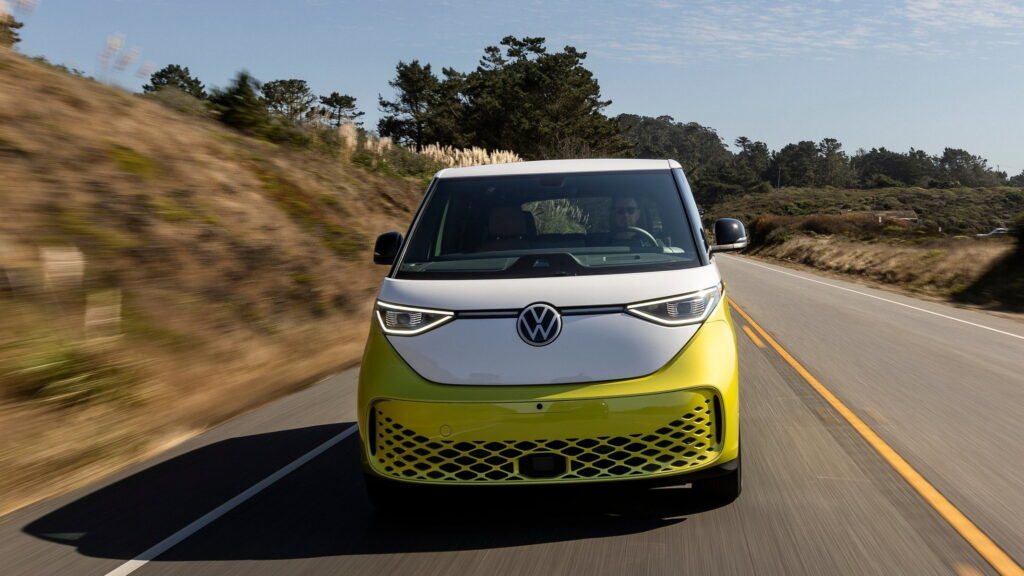
Volkswagen Delays ID. Buzz Return to 2028 Model Year
In this issue
Business 141
Volkswagen Delays ID. Buzz Return to 2028 Model Year
Culture 150
Max Mara champions understated elegance at Milan Fashion Week
Economy 33
Bitcoin and Ethereum Surge to Levels Last Seen in January
News 132
Sarandon and Einbinder arrested at anti-Netanyahu protest in New York
Politics 107
US Lawmakers Move to Permanently Ban Chinese Cars
Sports 246
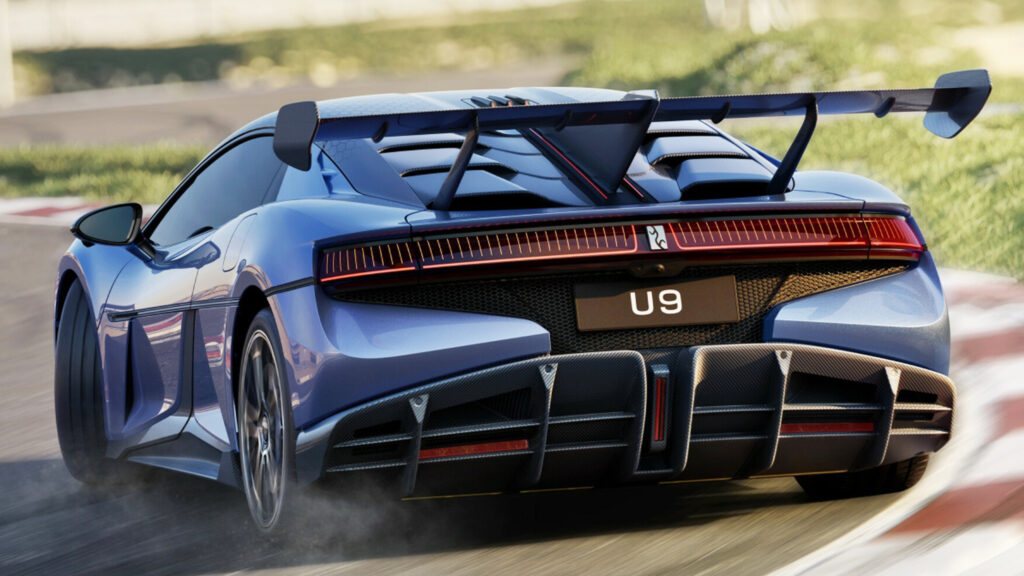
Alonso Buys Most Expensive Bugatti Veyron Ever Built
Technology 163
Chevrolet Builds Two Corvette Generations at Once for the First Time
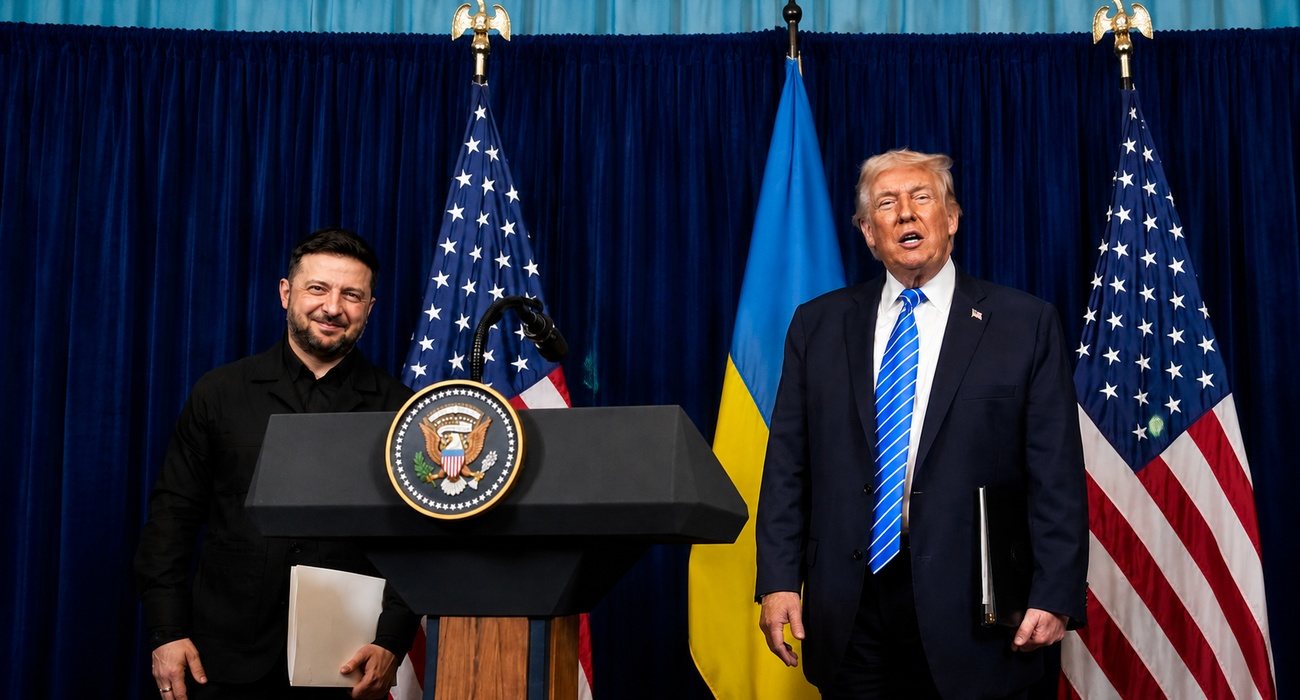
A compact Boeing seeker has become a test of leadership: deliver more defensive capacity to Ukraine without surrendering control of technology Washington considers strategically sensitive.
By Edward Beaumont · 4 min read
Leadership decisions often look cleanest at the podium. President Donald Trump’s July statement that Ukraine would be allowed to manufacture Patriot interceptors was clear enough to make headlines. The execution is messier. The Telegraph reports that officials are now wrestling with a small component that carries a large strategic consequence: Boeing’s PAC-3 Ka-Band Active Radar Seeker.
The seeker is the missile’s terminal sensor. It detects and tracks the target and supplies guidance data as the interceptor closes in. PAC-3 is designed for hit-to-kill engagement, so the final maneuver must put the missile into direct collision with a fast-moving threat. That places the seeker in a category of technology whose value is not obvious from its size but from the precision it makes possible.
Trump made his promise on 8 July beside Volodymyr Zelenskyy at the NATO summit in Ankara. The Associated Press soon noted that the public wording did not define the actual manufacturing rights. Ukraine might receive complete component kits and perform final assembly, it might produce selected parts, or it could eventually negotiate a much deeper transfer. Those versions represent very different levels of sovereignty and very different risks for the United States.
The Telegraph says officials are particularly concerned that Russia could obtain the seeker technology if the full manufacturing package were transferred. That risk is not limited to a missile captured on a battlefield. Modern production knowledge is distributed through software, drawings, test routines and specialist workers. A serious license therefore requires a security regime around people and data as much as around hardware.
The best strategic choice may involve geography. Building in Ukraine would strengthen its industrial base and place skills closer to the armed forces that use the weapon. It would also create a high-value target for Russian strikes. The Telegraph reports that Germany or another European country is being considered as a safer production location, and that Under Secretary for Policy Elbridge Colby supports the European route.
The industrial timing helps. Boeing is already investing to triple seeker output under a seven-year U.S. government framework. It says more than $200 million has gone into its Huntsville facilities since 2024, and seeker deliveries rose by more than 30% in 2025. Lockheed Martin is similarly working toward PAC-3 MSE production capacity of about 2,000 missiles a year. A larger U.S. component base makes it easier to support an overseas assembly line without immediately transferring every protected process.
Japan provides a useful precedent. It entered licensed PAC-3 production in the mid-2000s and successfully tested a domestically assembled missile in 2008. The lesson is not that Ukraine should copy Japan exactly, but that mature missile production takes time and can remain internationally divided. AP’s current estimate starts at 18 to 24 months just to establish a pilot Ukrainian line using imported kits.
The next decision will measure the discipline behind Trump’s promise. A maximal transfer could accelerate Ukrainian independence but increase technology risk. An overly narrow license could create a symbolic factory that remains dependent on U.S. bottlenecks. The durable solution is likely to be a deliberate middle path: enough local or European manufacturing to expand capacity, with the most sensitive seeker technology controlled until a wider transfer can be secured.
62