
Business 155
Ceer's 'Fully Funded' Claim Faces Scrutiny After PIF's LIV Golf Collapse
In this issue
Business 155
Ceer's 'Fully Funded' Claim Faces Scrutiny After PIF's LIV Golf Collapse
Culture 171
1993 Ford Mustang SVT Cobra With 66 Miles Heads to Auction
Economy 33
Bitcoin and Ethereum Surge to Levels Last Seen in January
News 132
Sarandon and Einbinder arrested at anti-Netanyahu protest in New York
Politics 108
US Lawmakers Move to Permanently Ban Chinese Cars
Sports 248
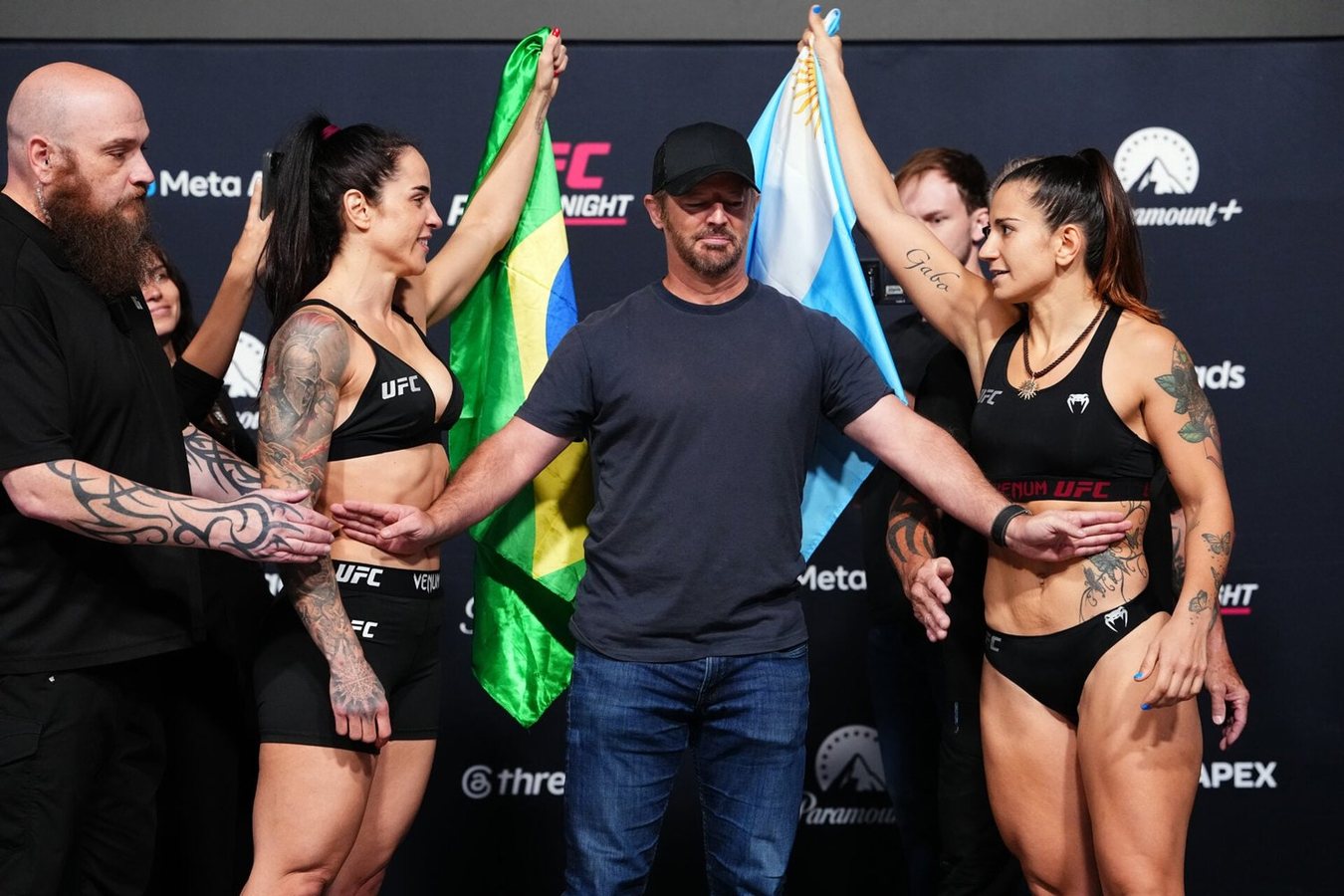
Dumont and Perez settle bitter rivalry at UFC Vegas 121
Technology 179
Volkswagen Renames ID.4 as ID. Tiguan in Mid-Life Electric SUV Revamp
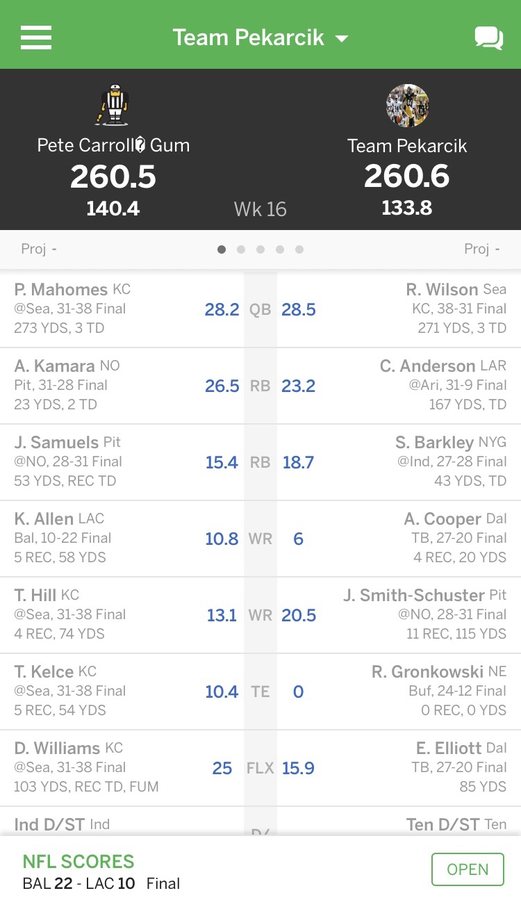
Fantasy football leagues are moving beyond traditional penalties, with last-place managers facing meat marathons, tattoos and other elaborate forfeits designed for social media attention.
By Edward Beaumont · 5 min read
Fantasy football leagues are increasingly turning to elaborate and often humiliating punishments for their last-place finishers, moving well beyond the traditional forfeit of a small cash sum or a novelty trophy. According to a report in The New York Times, leagues across the United States are devising creative penalties that range from running a marathon while consuming meat to permanently marking their bodies with tattoos.
The trend reflects the growing intersection of fantasy sports and social media performance. In a time when online stunts can generate significant attention, league members are competing not just for a championship but for the most shareable and outrageous forfeit. The punishments are designed to be visually striking and deeply uncomfortable, ensuring that the loser's suffering becomes a form of entertainment for the entire league and, increasingly, for a wider audience online.
One of the more extreme examples cited is the «meat marathon», in which the last-place manager must run a marathon while eating meat along the way. The combination of physical endurance and gastrointestinal distress is intended to be as punishing as it sounds, and the resulting footage is often shared widely across social platforms. Other leagues have opted for permanent consequences, such as requiring the loser to get a tattoo chosen by the rest of the league. These tattoos are frequently embarrassing designs or phrases that serve as a lifelong reminder of fantasy failure.
The shift toward more creative punishments is not limited to a single region or type of league. The report indicates that the phenomenon is spreading across various fantasy football communities, from casual groups of friends to more organised leagues with formal rules and traditions. The common thread is a desire to raise the stakes and add a layer of theatricality to an activity that already thrives on rivalry and banter.
For many participants, the punishment is as much a part of the season as the draft or the playoffs. It creates a secondary competition — the race to avoid last place — that keeps even those out of championship contention engaged until the final week. The threat of an embarrassing public forfeit can motivate managers to stay active on the waiver wire and set their lineups diligently, lest they become the subject of the league's next viral moment.
The social media element has amplified the trend. Platforms like Instagram, TikTok and X provide a stage for documenting the punishment, turning a private league ritual into public content. This visibility can encourage even more outlandish penalties as leagues seek to outdo one another. The report notes that some punishments are specifically designed with viral potential in mind, ensuring that the loser's discomfort is captured and distributed for maximum effect.
However, the escalation also raises questions about where the line between fun and genuine harm lies. While most punishments are undertaken voluntarily and with a sense of humour, the physical and emotional toll of some forfeits can be significant. The meat marathon, for instance, poses obvious health risks, and a permanent tattoo is a serious commitment. The report suggests that leagues typically rely on peer pressure and a shared understanding of the rules to ensure compliance, but the increasingly extreme nature of the penalties may test the boundaries of what participants are willing to accept.
Despite these concerns, the popularity of creative punishments appears to be growing. Fantasy football has become a cultural phenomenon in the United States, with millions of participants and a substantial economic footprint. The punishments add a layer of personal narrative and rivalry that pure statistics cannot provide. They transform a game of numbers into a source of shared stories and inside jokes that can last for years.
For now, the trend shows no signs of slowing. As leagues continue to innovate, the last-place finisher can expect not just to lose bragging rights but to become the star of a spectacle that blends athletic challenge, public humiliation and digital performance. The only certainty is that the punishment will be memorable — and likely shared far beyond the league's group chat.
8